
I remember sitting in that reclining chair, the bright light overhead making me squint, when my dentist casually asked, “So, how’s your sleep? Anyone mention you snore lately?” I froze. I was there for a routine check-up, not a sleep study, and it felt like a weirdly personal question to tackle while someone had their fingers in my mouth. For years, I’d ignored my wife’s complaints about my ‘chainsaw’ impressions at 2 AM, thinking it was just a side effect of getting older or maybe a dusty pillow. But that one question changed how I looked at my health forever. It turns out, your mouth is the front line of your respiratory system, and your teeth are often the first things to scream for help when you aren’t breathing right at night. Today, I’m going to pull back the curtain on why your dentist is actually the best person to catch a life-threatening sleep issue before your doctor even suspects a thing.
Your Mouth is the Smoke Detector for Your Airway
When I first started focusing on really maintaining oral health with expert advice, I made a massive mistake: I thought the dentist only cared about cavities. I was wrong. My dentist pointed out that my tongue was scalloped and my molars looked like they’d been through a rock crusher. That wasn’t just ‘stress’; it was my body’s desperate attempt to keep my airway open by clenching my jaw. According to the American Academy of Sleep Medicine, nearly 30 million adults in the U.S. have obstructive sleep apnea, a condition that dentists are uniquely positioned to screen for. If you’ve noticed the connection between stress and your worn-down molars, it might not just be your job—it might be your breathing.
Can a Dentist Really Tell if I Sleep Poorly?
You might be skeptical. I certainly was. I thought, “How can looking at my gums tell you if I’m tired?” But the evidence is written in your anatomy. From a narrowed throat to a red, inflamed soft palate, the signs are everywhere. It’s one of those oral health myths we need to debunk in 2025—that the mouth is separate from the rest of the body. When you snore, you aren’t just making noise; you’re often gasping for air, and your teeth end up taking the brunt of that physical struggle. Have you ever felt caught off guard when your dentist asked about your sleep? I’d love to hear if you were as confused as I was in the comments below! We are going to dig into the specific physical signs they look for and what you can do about it next.You can start your own investigation tonight in front of the bathroom mirror. Open wide and look at the sides of your tongue. If it looks like a pie crust—wavy or indented—that is called ‘scalloping.’ It happens because your tongue is literally fighting for space in a mouth that is too small, pushing against your teeth just so you can breathe. This is a primary indicator that your airway might be compromised. When I first saw this on my own tongue, I thought I was just dehydrated. My dentist corrected me instantly: ‘Your tongue is trying to tell us your jaw is too narrow.’
Spot These Red Flags Before Your Next Appointment
Another major sign is the state of your enamel. While many people think how regular teeth cleaning can prevent major dental issues is only about cavities, it is also about monitoring wear patterns. If the edges of your front teeth look translucent or the flat surfaces of your molars are shiny and cratered, you aren’t just ‘grinding because of work stress.’ You are likely grinding because your brain is panicking during sleep, forcing the jaw to move to reopen a collapsed airway. This is where the connection between stress and your worn-down molars becomes a life-saving diagnostic tool. 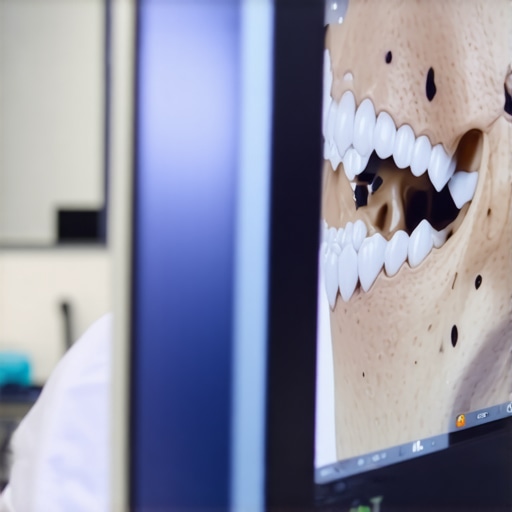
Check Your Tongue for Scalloped Edges
During a thorough exam, we move beyond basic hygiene. A modern practice uses the ultimate guide to teeth cleaning techniques and benefits to not only clean but to inspect the soft tissue for inflammation. If your soft palate is beefy and red, it is often because it has been vibrating all night—that is the physical trauma of snoring. We also utilize how we use digital scanners to avoid messy dental molds to get a 3D view of your bite alignment. In my case, the scan revealed that my lower jaw was set too far back, essentially ‘crowding out’ my throat. This was not something a standard physical at a general doctor’s office would have ever caught.
What a Professional Airway Screening Actually Looks Like
If you are considering enhancing confidence with cosmetic dentistry what to expect, it is vital to address these airway issues first. There is no point in investing in beautiful veneers if your nighttime breathing struggles will just chip them away within a year. By identifying the root cause—the airway—we can plan a transformation that actually lasts. When you sit in the chair, ask your dentist specifically about your Mallampati score. This is a simple 1-to-4 scale that categorizes how much of your throat is visible. A ‘Class 1’ means your airway is wide open; a ‘Class 4’ means your soft palate is all you can see.
Why Your Mallampati Score Matters More Than Cavities
Knowing this number is as important as knowing your blood pressure. I was shocked to find I was a Class 3, which explained why I woke up feeling like I had run a marathon every morning. Once we identified the restriction, the focus shifted from just ‘fixing teeth’ to ‘saving sleep.’ The action plan usually starts with a referral for a sleep study, but the dentist provides the hard evidence needed to get that study approved. They can also create custom-fit oral appliances that hold the jaw forward, keeping the airway open without the need for a bulky CPAP machine. It is a game-changer for those of us who cannot stand the feeling of a heavy mask at night.
Let’s dig deeper into the structural reality of your mouth. A common misconception in modern dentistry is that ‘cosmetic’ and ‘functional’ are two separate categories. Everyone says you should get veneers to fix a crooked smile, but in my experience, jumping straight to aesthetics is a massive trap. If you are enhancing confidence with cosmetic dentistry without first diagnosing why your teeth are shifting or wearing down, you are essentially painting a house while the foundation is sinking. Your teeth are the ‘canary in the coal mine’ for your breathing. When the airway is restricted, the body uses the jaw as a tool to stay alive, grinding the teeth to move the tongue forward. If we place beautiful porcelain over that struggle without fixing the breathing, those expensive restorations will fail within years.
Stop Fixing Symptoms and Start Addressing the Foundation
The ‘oops’ factor I see most often is the rush to whiten or straighten teeth while ignoring thin enamel. Many patients come to me asking about the most common mistakes people make with whitening strips, but the real mistake is failing to realize that their teeth are yellow because the enamel has been eroded by nighttime mouth breathing or silent acid reflux. According to a landmark study in the American Journal of Orthodontics and Dentofacial Orthopedics, there is a direct correlation between narrow dental arches and decreased pharyngeal airway volume. This means your ‘crowded teeth’ are actually a symptom of a narrow airway that is starving your brain of oxygen at night. 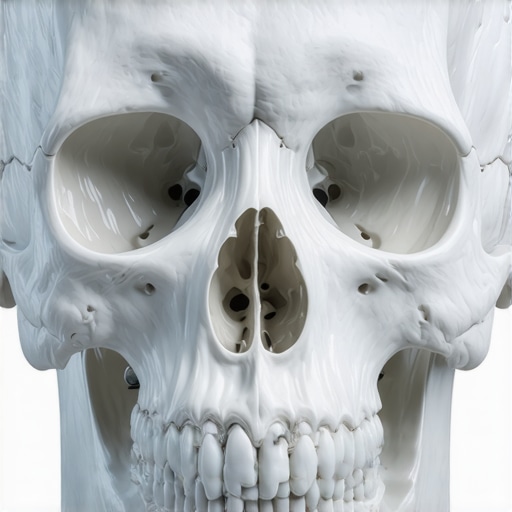
Why do your front teeth look see-through even if you brush?
If you have noticed that the tips of your incisors are becoming translucent, you aren’t alone. This is often why your front teeth feel thin or see-through at the edges, and it’s rarely about how hard you brush. It is usually a chemical or mechanical erosion caused by the physical trauma of an obstructed airway. When you struggle to breathe, your mouth dries out, and without saliva to buffer acids, your enamel literally dissolves. This is why how regular dental cleanings can save you money in the long run; a trained eye sees these wear patterns before they become a $10,000 restorative nightmare.
This philosophy extends to the youngest patients too. Parents often think we can wait until the teenage years to look at braces, but why your childs jaw alignment matters more than just a straight smile is because we are actually shaping their ability to breathe for the rest of their lives. Addressing these nuances early prevents a lifetime of fatigue and dental decay. Have you ever fallen into the trap of treating a cosmetic issue without looking at the ‘why’ behind it? Let me know in the comments!
Once you have addressed the structural issues, the focus shifts to long-term preservation. I use a custom-milled Mandibular Advancement Device (MAD) every single night. Unlike the bulky ‘boil-and-bite’ guards from the pharmacy, this is digitally designed to hold my lower jaw exactly three millimeters forward. This tiny shift is the difference between a collapsed airway and a restful night. I also tell everyone that how to maintain your porcelain veneers so they last twenty years starts with the right cleaning tools. I personally use the Waterpik ION Professional because it provides 100 PSI of pressure without the mess of a cord, which is essential for clearing debris around my custom restorations.
The Gear That Actually Protects Your Investment
I am often asked why I don’t just use a standard toothbrush. The truth is, when you have had work done, or if you are managing an airway issue, you need precision. I recommend the Sonicare DiamondClean because of its pressure sensor. If you push too hard—a common habit for those of us who are ‘type A’ and stressed—the brush pulses to warn you. This is vital for gentle teeth cleaning best practices for sensitive gums. If you continue to scrub like you’re cleaning a grout line, you will end up with recession that no amount of cosmetic work can hide. 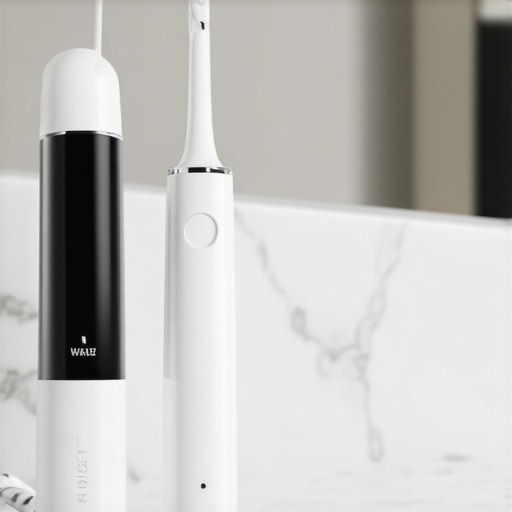
How do I maintain my oral health results over time?
Consistency is the boring answer, but the ‘how’ matters. I’ve integrated top 5 secrets to maintaining perfect oral health as a family into our nightly routine, making it a group effort rather than a chore. According to a study published in the Journal of Clinical Sleep Medicine, patients using custom-fitted oral appliances see an average 50% reduction in their Apnea-Hypopnea Index (AHI). That’s not just a dental win; that’s a heart health win. We also make sure to stay on top of preventive tips for long-lasting dental health for families to catch small shifts in jaw alignment before they require major intervention.
The Future of Smart Dental Wear
I predict that by 2030, we will see ‘smart’ nightguards equipped with biometric sensors that sync to your phone, giving you a daily report on how much you ground your teeth or how many times your breathing was interrupted. We are already seeing cosmetic dentistry innovations you cant miss this year that focus on bio-compatibility and longevity. For now, we rely on the physical evidence. If you’re serious about your results, learn how to clean a nightguard without using harsh chemicals to prevent biofilm buildup that can irritate your gums. My advanced tip for you today: next time you’re at the clinic, ask for a ‘T-Scan’ digital bite analysis. It shows exactly where your teeth are hitting with too much force, allowing for microscopic adjustments that save your enamel. Go ahead and request this at your next regular teeth cleaning—it is a total game-changer for the lifespan of your smile.
The Biggest Surprise About My Airway Journey
Reflecting on my own journey, the most significant lightbulb moment was realizing that my mouth wasn’t just a place for cavities; it was a map of my nervous system’s nightly struggle for oxygen. If you’re constantly feeling exhausted, you might be tempted to blame your diet or your stress levels, but it’s often your airway failing you while you sleep. I’ve learned that a scalloped tongue is a more accurate predictor of overall health than a bathroom scale. Another hard-earned lesson: don’t ignore that clicking sound. Learning how to tell if your jaw pain is from stress or a cavity can save you months of discomfort and unnecessary procedures. Lastly, your enamel is a precious, finite resource. If it’s wearing down due to grinding, you need to know how to whiten your teeth if you have naturally thin enamel safely without causing further damage to an already compromised surface.
My Essential Toolkit for Restorative Sleep
I don’t leave my health to chance anymore, and I’ve built a specific routine to ensure my results last decades. First, I swear by a custom Mandibular Advancement Device; it is far superior to any over-the-counter guard because it is precision-engineered to my unique bite. Second, I use the Sonicare DiamondClean to ensure I’m not scrubbing away my enamel—the pressure sensor is a lifesaver for people like me who tend to clench when stressed. Third, if you are looking to transform your smile the impact of cosmetic dentistry in 2025 is about much more than just aesthetics; it’s about building a functional, open airway. I also recommend checking the American Academy of Dental Sleep Medicine (AADSM) for the latest clinical breakthroughs on oral appliance therapy.
A Healthier Smile Supports a Healthier Life
Your journey to a better night’s sleep and a more vibrant smile starts with a simple conversation at your next routine check-up. Don’t wait for a major dental emergency to start maintaining oral health with a specific focus on your airway. When you prioritize how you breathe, everything else—from your daily energy levels to the longevity of your cosmetic dental work—falls into place. You deserve to wake up feeling restored and refreshed, not like you’ve been in a nightly physical battle with your own body. Have you ever looked in the mirror and noticed those wavy, scalloped edges on the sides of your tongue? Let me know what you found in the comments below!