
I’ll never forget the sinking feeling in my stomach when my son, Leo, flashed his first big-kid grin and I saw them. Those mysterious, chalky white patches right on his front teeth. My mind went straight to the worst-case scenario. I felt like a failure. I’d been so diligent with his brushing, yet there they were—looking like I’d missed a spot for six months straight. I spent hours late at night scrolling through forums, worrying he’d be teased or that his teeth were somehow ‘soft.’ But here is the reality I’ve learned after years of obsessing over family dentistry: these spots are surprisingly common, and they aren’t usually a sign of neglect.
I Thought I Failed My Son’s Smile
When I first noticed those marks, I made a classic rookie mistake. I assumed it was just stubborn plaque. I grabbed his toothbrush and scrubbed with a fervor that would have stripped paint off a fence. Don’t do that. I quickly learned that [oral health myths debunked](https://gentlesmiledentist.com/oral-health-myths-debunked-what-you-need-to-know-in-2025) are there for a reason; you can’t brush away something that is actually part of the tooth’s structure. Whether it’s dental fluorosis or enamel hypoplasia, the cause usually happened long before the tooth even broke the surface of the gum. It was a humbling moment for me as a parent. I realized that keeping a child’s mouth healthy involves more than just a quick brush-and-flush routine. If you’ve ever found yourself staring at your child’s reflection in the bathroom mirror feeling that same ‘did I cause this?’ guilt, you are not alone. Have you faced this specific problem with your little one yet?
Does this mean his teeth are rotting from the inside out?
This is the big fear, right? We see a discoloration and we think ‘cavity.’ But white spots are different. They are often just ‘hypocalcified’ areas where the mineral content is slightly off. According to research cited by the American Academy of Pediatric Dentistry, enamel hypoplasia affects roughly 20% of children and can be caused by anything from a high fever during infancy to simple genetics. It’s not a death sentence for their smile.
Why These Spots Choose Your Childs Mouth
Understanding the ‘why’ is the first step toward fixing the ‘what.’ Sometimes it’s a case of too much of a good thing, like fluoride, which leads to fluorosis. Other times, it’s a remnant of [why your childs gums look blue where a tooth is about to erupt](https://gentlesmiledentist.com/why-your-childs-gums-look-blue-where-a-tooth-is-about-to-erupt) or other developmental hiccups. My own struggle led me to discover [family dental care hacks to keep your kids smiling daily](https://gentlesmiledentist.com/family-dental-care-hacks-to-keep-your-kids-smiling-daily) that actually address the mineral balance in the mouth. Today, we’re going to dive into the three main culprits behind these spots and, more importantly, the modern [cosmetic dentistry innovations you cant miss this year](https://gentlesmiledentist.com/cosmetic-dentistry-innovations-you-cant-miss-this-year) that can make them disappear for good. We’re going to turn that worry into a plan of action.
Start with a Proper Diagnosis Before You Panic
When I first saw those chalky patches on Leo’s teeth, I went into a scrubbing frenzy. I was convinced that if I just brushed harder, the spots would vanish. I was wrong, and I nearly irritated his gums in the process. Think of tooth enamel like a brick wall. In a perfect world, the bricks are laid flush and the mortar is solid. White spots happen when that ‘mortar’—the minerals like calcium and phosphate—is missing or unevenly distributed. Brushing harder at home is like trying to fix a hole in a wall by polishing the bricks next to it; it simply doesn’t address the structural gap. This is why family dentistry building a foundation of healthy smiles for all ages starts with a professional assessment. A dentist can determine if the spots are ‘fluorosis’ (too much fluoride during development) or ‘hypoplasia’ (thin enamel from a past illness or genetics). Identifying the ‘why’ dictates exactly how we fix it. 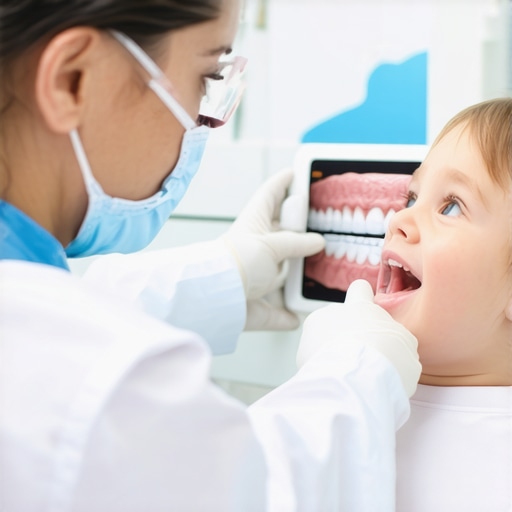
Fix the Finish with Modern Cosmetic Methods
Once I realized Leo’s spots weren’t a sign of poor hygiene, we looked at how to restore his confidence. In the past, the standard fix was to drill out the spot and fill it, which felt far too aggressive for a child’s baby teeth. However, cosmetic dentistry trends that transform your smile this year have introduced non-invasive options that are game-changers. One technique we explored is ‘resin infiltration.’ Imagine a liquid version of tooth enamel that seeps into the tiny pores of the white spot. Once it’s hardened with a special light, the spot disappears because the light no longer bounces off the ‘hollow’ areas of the tooth. It’s painless, requires no needles, and happens in one visit. For older children with more pervasive staining, understanding the science behind teeth whitening achieve stunning results fast can also help even out the overall tone, making those mineral deficiencies much less noticeable.
Stop Future Spots with Smarter Daily Habits
If the diagnosis is fluorosis, the solution is often about the ‘pea-sized’ rule. I remember Leo loved the taste of his strawberry-flavored paste so much he’d swallow it like a snack. I had to go back to basics and learn how to teach a toddler to spit out their toothpaste to ensure his permanent teeth, which were still forming under the gums, wouldn’t be overexposed to fluoride. We also adjusted our daily routine to include preventive tips for long lasting dental health for families, such as using a soft-bristled brush in gentle circles rather than the aggressive ‘sawing’ motion I used to use. This is one of the top 5 secrets to maintaining perfect oral health as a family: consistency and technique always beat pressure. By focusing on the mineral balance in his mouth through diet and proper paste usage, we stopped new spots from appearing on his incoming adult teeth.Let’s dig deeper into a nuance that most parenting blogs miss: the ‘whitening trap.’ The most common instinct when we see a white spot is to bleach the whole tooth to match. But here is the catch—whitening chemicals often dehydrate the enamel first, making those white spots look even more vivid and chalky for the first 24 hours. If you are dealing with the reason your gums look receded after using whitening strips, you already know that ‘more’ isn’t always ‘better.’ In my experience, jumping straight to at-home kits without a pro’s eyes is the fastest way to get uneven, splotchy results. 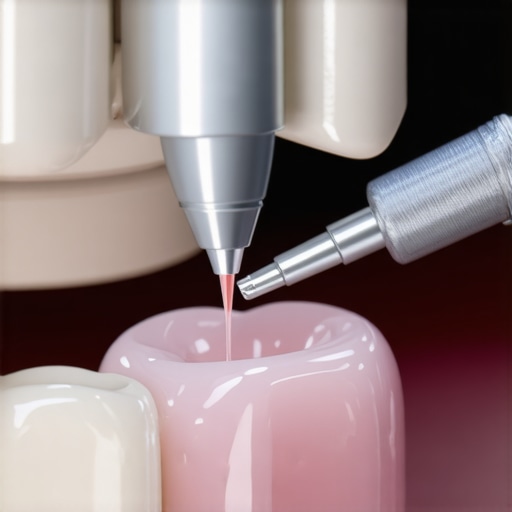
Stop Treating Every Discoloration Like a Cavity
Most people believe that all spots require a drill, but the ‘oops’ factor in modern family dentistry building a foundation of healthy smiles for all ages usually involves over-treating issues that could be managed conservatively. We often mistake ‘scrubbing’ for ‘cleaning,’ but you’re actually risking why your gums recede faster if you use a hard-bristled brush. High-level oral care is about the chemistry of your saliva and the texture of your tools, not the force of your arm. If you’ve been brushing so hard that why your gums throb after brushing too vigorously becomes a daily reality, you are likely stripping away the very minerals your teeth need to stay opaque and healthy.
Why do those front teeth look thin or see-through at the edges?
This is where we move from basic hygiene into advanced enamel health. If you notice the edges of your child’s (or your own) teeth look translucent, it’s often not about fluoride—it’s acid erosion. A study published in the Journal of Clinical Periodontology highlights that even ‘healthy’ habits, like frequent fruit snacking or acidic juices, can drop oral pH levels enough to cause significant erosion in minutes. This is why your front teeth feel thin or see-through at the edges. It’s a structural thinning that requires a different approach than simple teeth cleaning secrets achieve a bright smile in under 30 minutes.
Why Your DIY Whitening Attempt Might Backfire
The ‘oops’ factor usually happens when parents try to fix these complex mineral issues with generic products. For example, if you have thin enamel, standard whitening can cause intense nerve pain. You need to know the safest way to whiten teeth if you have thin enamel before you even open a box of strips. Advanced cosmetic dentistry trends that transform your smile this year now focus on remineralization and resin bonding rather than just ‘bleaching’ the problem away. Using contouring veneers the future of cosmetic dentistry revealed can actually add a protective layer back to the tooth while fixing the aesthetic. Have you ever fallen into this trap of trying to ‘scrub’ or ‘bleach’ away a structural spot? Let me know in the comments.
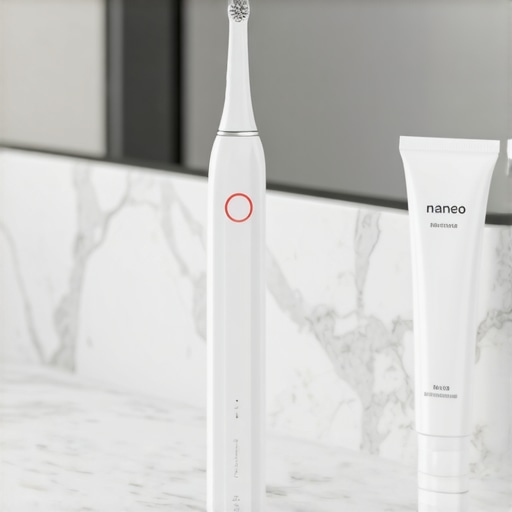
Once you’ve successfully addressed those white spots or completed a round of resin infiltration, the focus shifts from ‘rescue’ to ‘retention.’ You can’t just go back to the old ways and expect the enamel to stay pristine. I personally invested in an electric toothbrush with a visible pressure sensor for every member of the family. This isn’t just a gadget; it’s a necessity because most of us—especially kids—tend to revert to that ‘scrubbing’ habit that caused why your gums recede faster if you use a hard-bristled brush. By using a tool that flashes red when we press too hard, we’ve effectively eliminated the friction-based damage that makes teeth look dull and porous. These are the kind of family dentistry tips that make oral care effortless and effective because the tool does the policing for you.
Why I Switched the Whole Family to Nano-Hydroxyapatite
The biggest change in our house, though, was switching to Nano-Hydroxyapatite (Nano-HA) toothpaste. While fluoride is the gold standard for many, Nano-HA is a biomimetic alternative that actually fills in the tiny ‘caves’ in the enamel. A meta-analysis published in the Journal of Dentistry (2023) confirmed that synthetic hydroxyapatite is a powerhouse for remineralization, effectively sealing microscopic defects before they turn into visible white spots. It’s like giving your teeth a daily spa treatment of the exact material they are made of. This has been one of the top 5 secrets to maintaining perfect oral health as a family in our household. We also added a water flosser to the nightly routine. Leo actually finds it fun, which is a miracle in itself. Traditional flossing is often done incorrectly, leading to ‘floss cuts’ in the gums, but a water flosser provides a gentle yet thorough irrigation that supports preventive tips for long lasting dental health for families without the struggle.
How do I maintain my family’s dental results for years to come?
Keeping that smile bright isn’t about a one-time fix; it’s about a scheduled rhythm. We never skip our six-month visits because we’ve seen how regular teeth cleaning can prevent major dental issues before they become painful or expensive. In fact, keeping these appointments is a financial strategy too—you’d be surprised how regular dental cleanings can save you money in the long run by avoiding crowns or veneers later. For those of us looking for maintaining oral health expert advice for a lifetime of healthy teeth, consistency is the only magic bullet. Looking ahead, I predict that within the next decade, we won’t even need ‘manual’ checks for mineral density. We are already seeing how we use digital scanners to avoid messy dental molds, and soon, AI-integrated toothbrushes will likely scan our teeth for sub-surface demineralization in real-time. Until then, my best advice is to take action now: check your toothpaste ingredients today and ensure your brush has a pressure sensor. It’s the simplest way to protect the investment you’ve made in your child’s smile.
The Hard Truth About Those Chalky White Patches
After navigating this journey with Leo, I realized that many things I feared were actually opportunities for better education. First, saliva is your best friend. If the mouth is too dry, those spots will look much more vivid; keeping your child hydrated is a hidden secret of oral health myths busted what every family should know. Second, the sensory environment of a dental office can be the biggest barrier for kids. I found that preparing him for the sounds helped immensely, and learning how to manage your childs sensitivity to the dental suction noise turned a scary visit into a win. Lastly, remember that baby teeth are essentially ‘practice teeth’—they allow you to refine these habits before the permanent ones arrive. #IMAGE_PLACEHOLDER_E#
My Go-To Resources for Stress-Free Brushing
If you are looking to upgrade your home routine, I highly recommend looking into these three specific shifts. First, find a toothpaste with 10% Nano-Hydroxyapatite; it is a biomimetic game-changer for mineral density. Second, download a ‘dental timer’ app that plays catchy 2-minute songs—it stops the ‘are we done yet?’ questions instantly. Third, stay updated on smile bright revolutionary teeth cleaning techniques for 2025 to ensure you are not using outdated, abrasive methods that could harm sensitive gums. These small pivots turned our morning battles into a structured, almost peaceful ritual.
Your Family Smile Journey Starts Today
At the end of the day, those white spots were a wake-up call, not a mark of failure. They taught me that family dentistry is a lifelong partnership between what happens at the kitchen sink and what happens in the dentist’s chair. You now have the tools, the modern tech insights, and the perspective to handle this with total confidence. Don’t let the fear of a ‘perfect’ smile stop you from seeking professional help early. If you are unsure about that next step or want to discuss resin infiltration, you can always contact us to get the clarity you need. Have you ever noticed a sudden change in your child’s tooth color and felt that instant wave of parent-guilt? Let me know how you handled it in the comments below!