
The first time I walked out of a deep cleaning appointment, I felt like a new person. My teeth were smooth, the tartar was gone, and I was ready to show off my smile. Then, the local anesthetic wore off. Suddenly, I wasn’t thinking about my pearly whites; I was thinking about how much I wanted to reach inside my mouth and scratch my gums with a fork. It wasn’t a sharp pain, but a relentless, maddening tickle that made me wonder if my hygienist had accidentally left something behind. I spent the evening obsessively checking the mirror, convinced that an ant colony had migrated into my gingival tissue. I even made the rookie mistake of trying to ‘scratch’ the itch with a medium-bristle toothbrush, which only led to soreness and a very concerned text to my dentist. If you are sitting there right now, pressing your tongue against your gums and wondering if you are losing your mind, I have some good news: you aren’t alone, and your mouth isn’t broken. Today, we are going to dive into why this happens, how to distinguish healing from a real problem, and what you can do to find relief without ruining your dentist’s hard work.
Your Gums Are Throwing a Healing Party and You Are Not Invited
To understand that post-clean itch, we have to look at what actually happens during scaling and root planing. When your hygienist goes deep under the gum line, they are essentially performing a minor ‘surgery’ on your soft tissue to remove years of bacterial buildup. Once those irritants are gone, your body goes into overdrive to repair the area. According to the American Academy of Periodontology, the removal of subgingival plaque allows the tissue to reattach to the tooth root, a process that involves a significant increase in blood flow and the release of histamines. These histamines are the same chemicals your body releases during an allergic reaction, and they are notorious for triggering the ‘itch’ response in your nerve endings. I learned the hard way that knowing how long you should really wait to eat after a cleaning is just the tip of the iceberg when it comes to post-op comfort. If you have sensitive tissue, you might have even benefited from how oral sedation makes deep cleanings feel effortless, but even the best sedation won’t stop the biological ‘itch’ that comes 12 hours later.
Is this a sign of a botched job or an infection?
It is the question everyone asks when they can’t stop thinking about their gums. We often associate itching with something being ‘wrong,’ but in the world of gentle teeth cleaning best practices for sensitive gums, this sensation is frequently a hallmark of success. It means the blood is flowing back into areas that were previously suffocated by tartar. Have you ever felt that strange, buzzing itch in your gums after a particularly intense dental visit? Drop a comment below and let me know how you handled it—or if you’re currently trying to resist the urge to scratch right now!
Cool the Fire with a Simple Saltwater Rinse
Sometimes the best solutions are the ones sitting in your kitchen pantry. When my gums started that incessant buzzing after my last scaling, I didn’t reach for a toothbrush; I reached for the salt. Mixing half a teaspoon of salt into eight ounces of warm water creates an isotonic solution that helps reduce inflammation and draws out excess fluid from swollen tissues. I once made the mistake of using ice-cold water for this, thinking it would numb the area, but the thermal shock actually made my sensitive roots throb. Stick to lukewarm water and swish for a full 30 seconds. This rinse acts like a gentle reset button for the histamines causing that itch. If you find the discomfort is more than just an itch, knowing how to stop a canker sore from hurting immediately can offer similar topical relief strategies that work wonders for general gum irritation.
Stop Touching Your Gums with Anything Sharp
It sounds obvious, but the urge to ‘scratch’ is primal. I remember sitting at my desk a day after my deep cleaning, absentmindedly using the corner of a plastic coffee stirrer to press against my gum line. It felt incredibly satisfying for exactly three seconds before the area began to throb and bleed. This is the fastest way to introduce bacteria into a site that is trying to close up and heal. Instead, try a cold compress on the outside of your cheek for 15-minute intervals. This constricts the blood vessels and dulls the nerve endings without risking an infection or physical trauma to the delicate tissue. It’s much safer than aggressive brushing, especially since why your gums bleed when you use a new electric toothbrush is often a result of over-enthusiasm during the healing phase. 
How to Tell if the Itch is Turning Into an Issue
While most itching is just your body’s ‘repair crew’ at work, you need to be able to spot when the crew has gone on strike. A normal healing itch is generalized across the treated area and typically fades within 48 to 72 hours. However, if the sensation shifts from a background ‘tickle’ to a localized, throbbing pain that pulses with your heartbeat, that is a different story. If you are dealing with how to manage a dull ache that wakes you up at night, it might mean the inflammation isn’t subsiding as expected. Look for ‘angry’ redness—a deep, dark crimson rather than healthy pink—and any signs of yellow discharge. In my own experience, I once mistook the discomfort of a tiny piece of food trapped in a healing pocket for a normal itch, and it nearly led to an abscess. Using a soft-bristled brush very gently is key, but don’t force it. Refer to the ultimate guide to teeth cleaning techniques and benefits to ensure your long-term maintenance keeps those pockets closed and prevents the return of the ‘itch-causing’ tartar.
A Deep Cleaning Is Not a Spa Day for Your Teeth
Most patients assume that a dental appointment is essentially a mechanical car wash for the mouth—you go in, the grit is scrubbed away, and you leave with a shiny exterior. However, this is one of the most persistent oral health myths debunked by modern periodontology. A deep cleaning, or scaling and root planing, is actually a biological intervention that resets your body’s inflammatory response. While you’re focused on the ‘itch’ of healing, your immune system is actually reallocating resources. A study published in the Journal of Clinical Periodontology highlights that successful subgingival scaling significantly reduces systemic biomarkers of inflammation, such as C-reactive protein. This means the benefit isn’t just in your mouth; it’s in your heart and your blood vessels.
Will frequent professional scalings eventually wear down my enamel?
This is a common concern for the sophisticated patient who worries that the steel instruments used during a cleaning are slowly shaving away their tooth structure. In reality, modern dental hygiene uses ultrasonic scalers that vibrate at a frequency designed to shatter calcified tartar without compromising the integrity of the enamel. The ‘thinning’ sensation some people report is actually the tongue finally feeling the true shape of the tooth once the thick ‘armor’ of tartar is removed. If you are worried about the aesthetics of your smile after these treatments, exploring cosmetic dentistry innovations you can’t miss this year can help you understand how we maintain both the health and the look of your teeth simultaneously.
The Post-Cleaning Trap Most Patients Fall Into
There is a dangerous ‘oops’ factor that happens about 48 hours after a deep cleaning. Patients feel that ‘itch’ we discussed earlier and decide that their mouth is still ‘dirty’ because it doesn’t feel comfortable. This leads to a counter-productive cycle of aggressive scrubbing. I have seen patients use abrasive whitening pastes or even experiment with the truth about using baking soda as a toothpaste immediately after a professional scaling. This is a massive mistake. Your roots are often slightly exposed and the gum attachment is still ‘tacking down’ to the tooth. Using abrasive materials at this stage is like sandpapering a fresh wound. It can lead to permanent recession and extreme sensitivity that no amount of saltwater will fix. 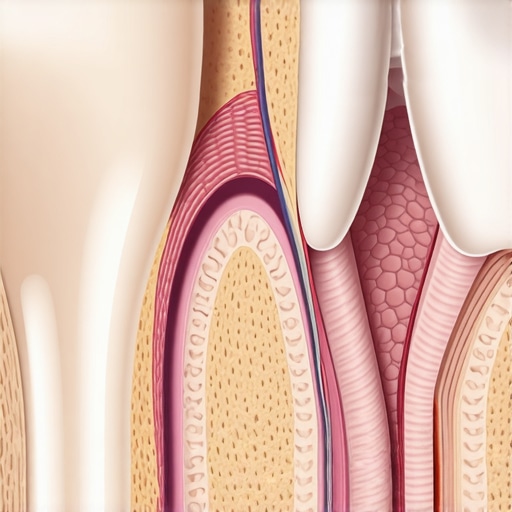
Look Beyond the Surface for Long-Term Success
Real expertise in family dentistry building a foundation of healthy smiles for all ages means understanding that oral health is a marathon, not a sprint. We aren’t just cleaning for today; we are preventing the bone loss that leads to tooth loss twenty years from now. I’ve seen many people skip their appointments because ‘nothing hurts,’ but by the time gum disease causes pain, it’s often too late for simple scaling. Understanding how regular teeth cleaning can prevent major dental issues is the difference between keeping your natural teeth for life or facing a future of implants. Have you ever fallen into the trap of thinking a cleaning was just a cosmetic luxury rather than a health necessity? Let me know in the comments below!The first week after a scaling and root planing is essentially a trial by fire, but once that ‘itchy’ healing phase passes, you are presented with a blank slate. I remember looking at my gums in the mirror, finally pink and tight again, and thinking, ‘I am never letting them get back to that state.’ To do that, I had to stop relying on luck and start relying on a specific toolkit. If you’re serious about maintaining oral health expert advice for a lifetime of healthy teeth, you need to understand that the tools you used before the cleaning are clearly not the tools that will save you moving forward.
The One Tool That Actually Changed My Gum Health
I used to be a string-floss purist until my periodontist pointed out that I was essentially ‘sawing’ into my gum tissue with too much force. That is when I switched to a high-quality water flosser. Unlike traditional floss, which can be difficult to navigate into deep pockets, a water flosser uses a targeted stream to flush out the biofilm that your brush simply cannot reach. This is especially vital after a deep cleaning because those pockets, while healing, are still vulnerable. I personally use a model with a ‘sensitive’ mode because the last thing you want to do is blast a healing gum line with high-pressure water. This is one of the top 5 secrets to maintaining perfect oral health as a family—investing in a tool that everyone actually enjoys using. 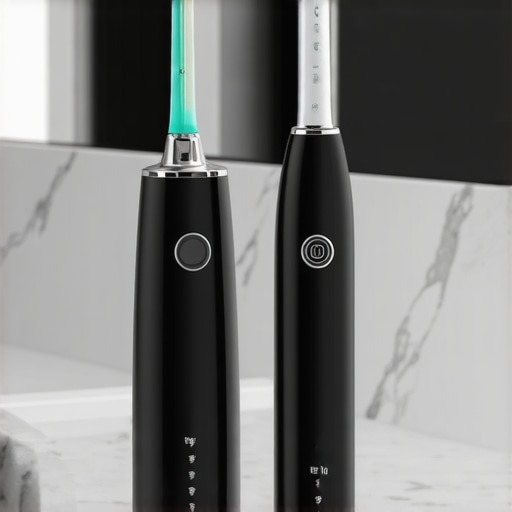
Why Your Old Toothbrush Is Probably Your Worst Enemy
We often cling to manual brushes because they are familiar, but they lack the one thing a healing mouth needs: a pressure sensor. I have seen so many people return for a follow-up with recession because they were ‘scrubbing’ their way to a clean feeling. This is exactly why your gums only bleed when you use an electric toothbrush—not because the brush is bad, but because it’s finally telling you that you’re pushing too hard. I recommend an oscillating-rotating brush with a ‘gum care’ setting. It’s about precision, not power. According to a long-term study published in the Journal of Periodontal Research, patients who utilized oscillating-rotating electric toothbrushes maintained significantly lower pocket depths and reduced gingival inflammation over a 12-month period compared to manual brush users. When you combine this with the best toothbrush texture for people with receding gums, you’re creating a protective barrier against future infection.
How do I maintain these results over the long haul?
Maintenance isn’t just about what you do in the bathroom; it’s about the schedule you keep with your provider. A deep cleaning resets the clock, but how regular teeth cleaning can prevent major dental issues is only effective if you follow the 3-month or 4-month periodontal maintenance cycle recommended by experts. If you wait the standard six months, the bacteria that caused the initial ‘itch’ and inflammation have plenty of time to recolonize. I treat my maintenance appointments like a high-performance oil change for my body.
The Future of Keeping Your Smile Bright
Looking ahead to 2026 and beyond, I predict we will see a massive shift toward bio-regenerative gels and AI-integrated brushes that can detect the chemical composition of your saliva to alert you to early-stage inflammation before you ever feel an itch. We are already seeing cosmetic dentistry innovations you can’t miss this year that focus as much on biological health as they do on aesthetics. My advice? Try switching to a water flosser for just two weeks and notice how much quieter that ‘healing itch’ becomes. Your future self will thank you for the lack of dental bills!
Lessons from a Recovering Gum Scrubber
I spent years thinking that if I didn’t feel the ‘burn’ or a bit of soreness, I wasn’t really cleaning. The hardest lesson I learned is that healing often feels like a nuisance before it feels like a victory. That post-cleaning itch isn’t a sign to scrub harder; it’s a signal that your immune system is finally reclaiming territory once lost to bacteria. I’ve realized that the ‘weird’ feeling of your tongue against a smooth tooth is actually the first time you’ve felt your own anatomy in years, and that sensation can be sensory overload for some. This is why oral health myths debunked are so important—we often mistake the signs of biological repair for things that are ‘wrong.’
The Minimalist Kit for Healthy Gums
After my own trial and error, I’ve narrowed down the essentials that actually help during that 48-hour itchy window. First, a high-quality water flosser is non-negotiable for flushing out debris without the mechanical trauma of string. Second, keep a container of high-quality sea salt nearby for warm rinses; it is the most underrated anti-inflammatory tool in existence. Lastly, prioritize a toothbrush with a pressure sensor. I personally trust these tools because they take the guesswork out of recovery and ensure you aren’t accidentally sabotaging your own healing. These are the top 5 secrets to maintaining perfect oral health as a family that I live by every day.
Your Future Smile Starts with This One Choice
Choosing to push through the discomfort of a deep cleaning is a gift you give your future self. It’s easy to get caught up in the temporary itch, but remember that you are effectively stopping bone loss in its tracks. The path to maintaining oral health expert advice for a lifetime of healthy teeth isn’t about one perfect appointment; it’s about the small, gentle choices you make while your gums are healing. Don’t be afraid of the process—the itch will fade, but the foundation you’re building is permanent. Have you ever experienced that strange ‘buzzing’ sensation after a deep cleaning, or did your recovery go smoother than expected? Let me know in the comments below!