
I remember standing in front of my bathroom mirror three years ago, squinting at my reflection while a slimy, chemical-tasting strip slowly slid down my front teeth. I thought I was doing everything right. I’d bought the most expensive box on the shelf, followed the blurry diagrams on the back, and even left them on for an extra ten minutes because, in my head, more time meant more white. Boy, was I wrong. By the next morning, my teeth felt like they were vibrating with every breath of cold air, and my gums looked like I’d been chewing on sandpaper. It was a classic case of trying too hard and knowing too little about the science behind teeth whitening and how it actually interacts with your enamel.
Why Your DIY Whitening Routine Is Failing You
The truth is, most of us treat whitening strips like a casual beauty hack, something to slap on while we’re scrolling through social media. But we’re dealing with active peroxides here, and the margin for error is smaller than you’d think. I see people making the same blunders I did every single day, and frankly, it breaks my heart because you shouldn’t have to choose between a bright smile and healthy enamel. Today, I’m going to walk you through exactly where I went wrong and how you can avoid those painful “zingers” while still getting the results of revolutionary teeth cleaning techniques you’re after. Have you ever felt that sharp, unexpected flash of sensitivity after a whitening session and wondered if you were doing permanent damage?
Do These Strips Actually Work or Am I Wasting My Money?
It’s a fair question to ask before you spend fifty bucks at the pharmacy. According to a study published in the Journal of Evidence-Based Dental Practice, while over-the-counter strips are generally effective, improper use—specifically over-application—can lead to significant dentin hypersensitivity in up to 50% of users. One of my biggest early mistakes was thinking I could skip my regular dental cleanings and just bleach my way to a better look. If you have a layer of biofilm or plaque on your teeth, that expensive gel isn’t even touching your enamel; it’s just whitening the “fuzz.” We often fall for common oral health myths debunked in the dental world, like the idea that more pressure or more gel yields faster results. In reality, the key is consistency and proper preparation. We’re going to dive into the specifics of timing, placement, and the essential prep work that makes all the difference, including why some should steer clear of using baking soda to whiten enamel every day, which can actually thin your teeth over time.
Get Your Teeth Ready for the Gel
Think of your teeth like a fence that needs a fresh coat of paint. If you try to paint over moss and dirt, the paint will peel off in days. The same logic applies here. If you have plaque or tartar buildup, you are essentially whitening the debris, not the tooth. This is why how regular teeth cleaning can prevent major dental issues is more than just a dental mantra—it’s the literal foundation for any cosmetic upgrade. Before you even open that box of strips, your teeth need to be as clean as possible. I’ve found that using the ultimate guide to teeth cleaning techniques and benefits a few weeks prior ensures the enamel is receptive. If you’re a parent, this prep work is a great lesson for the whole house, as family dentistry tips that make oral care effortless and effective often start with making basic hygiene a habit before moving to advanced aesthetics. 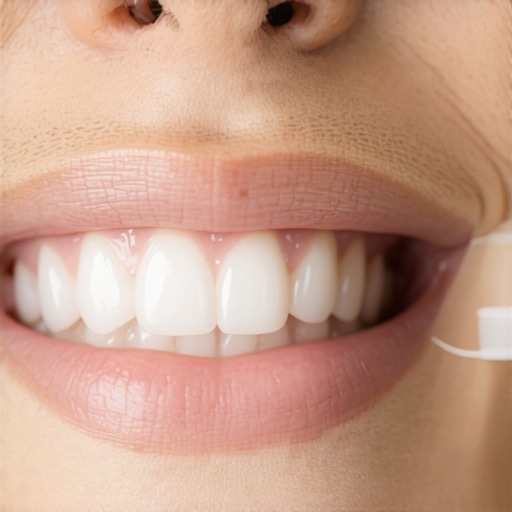
Dry Your Enamel to Lock the Strip in Place
One of the most embarrassing moments of my early whitening journey happened during a quick lunch break. I slapped on some strips without drying my teeth, and within minutes, the strip had slid down and was hanging off my bottom lip while I was trying to talk to a neighbor. It was a slimy mess. To avoid this, use a clean washcloth or a paper towel to wipe your teeth completely dry before application. This creates a vacuum-like seal. Saliva is the enemy of the whitening process because it dilutes the peroxide and carries it toward your sensitive soft tissues. By keeping the area dry, you ensure the active ingredients stay exactly where you want them, which is a core part of maintaining oral health expert advice for a lifetime of healthy teeth.
Keep the Peroxide Off Your Gums
The “zingers” everyone talks about usually happen because the whitening gel has leaked onto the gum tissue. This causes chemical irritation that can last for days. If the strips you bought are too wide for your teeth, don’t be afraid to take a pair of scissors and trim them down. You want the strip to cover the tooth surface only, stopping just short of the gum line. This is especially vital if you are looking for the safest way to whiten teeth if you have a receding gum line, where the root surface is much more porous and sensitive than the crown. If you do feel a sting, I recommend looking into gentle teeth cleaning best practices for sensitive gums to help soothe the area afterward.
Why Less Time Often Means Better Results
It is incredibly tempting to think that leaving a strip on for an hour instead of thirty minutes will give you a Hollywood smile overnight. In reality, you are just dehydrating your teeth, which makes them look temporarily whiter but significantly more brittle. Stick to the manufacturer’s instructions. I’ve learned that teeth cleaning secrets achieve a bright smile in under 30 minutes often rely on the efficiency of the chemicals, not the duration of the exposure. Overdoing it can lead to permanent damage that might eventually require more invasive cosmetic dentistry trends that transform your smile this year to fix, like veneers or bonding. Consistency over a week is always better than one long, painful session.Many people assume that whitening toothpaste is a gentle way to maintain their results between strip sessions. In reality, these products are often the primary culprit behind chronic sensitivity. Most whitening toothpastes don’t actually change the internal color of your teeth; they use high Relative Dentin Abrasivity (RDA) values to physically scrape away surface stains. Over time, you aren’t just cleaning; you’re sanding down your protection. This is one of the biggest oral health myths debunked in modern dentistry: the idea that more grit equals a cleaner mouth. In my experience, switching to a low-abrasive formula and focusing on maintaining oral health expert advice for a lifetime of healthy teeth preserves that glow far longer than any charcoal scrub ever could.
Stop Chasing Natural Hacks That Scrape Your Teeth Away
We have all seen the strawberry and baking soda trick on social media. While it might give you an instant and very temporary lift, you are essentially applying citric acid and an abrasive directly to your enamel. I’ve seen patients who did this for months only to end up with teeth that looked translucent or gray at the edges because the white enamel was gone. This is the ultimate oops factor: trying to save money with DIY methods only to end up needing cosmetic dentistry trends that transform your smile this year just to restore the lost tooth structure. A study by the American Dental Association highlights that while some natural agents like baking soda have a low RDA, combining them with acids like lemon or strawberries creates a chemical reaction that softens enamel instantly, making it incredibly vulnerable to wear. 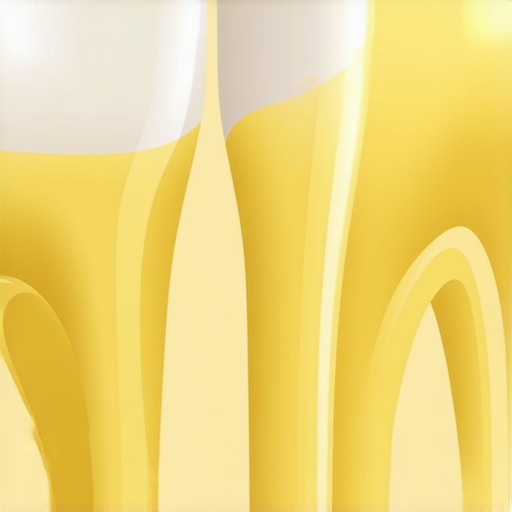
Why do my teeth look darker near the gums after whitening?
This is a sophisticated question that often catches people off guard. When you whiten your teeth, the peroxide works best on the thickest part of the enamel. However, the enamel near the gum line is naturally thinner. If you have any recession, the surface being exposed isn’t enamel at all; it’s dentin, which is naturally more yellow or brown. Whitening won’t change the color of dentin the same way it does enamel, often creating a two-toned effect. This is why understanding the safest way to whiten teeth if you have a receding gum line is so critical. Instead of pushing harder with more gel, you might need to explore contouring veneers the future of cosmetic dentistry revealed to create a uniform look.
The Myth of the Self-Cleaning Mouth
Another mistake I see in family dentistry building a foundation of healthy smiles for all ages is the belief that certain clean diets negate the need for professional intervention. Even if you avoid sugar and soda, biofilm still forms. This is why some kids get cavities despite brushing twice a day; it’s not just about the brush, it’s about the underlying biology and the pH of the mouth. Skipping your six-month visit because you feel fine is a gamble with your smile’s longevity. Have you ever fallen into this trap of thinking your routine was enough, only to be surprised at your next check-up? Let me know in the comments.Once you have achieved that brightness, the real work begins—and no, it is not about more bleach. I have transitioned my personal kit to focus entirely on preservation. The absolute game-changer for me was switching to a smart electric toothbrush with a visible pressure sensor. I found out the hard way that why your gums bleed when you use a new electric toothbrush is often just a result of too much enthusiasm and not enough tech support. Most people scrub their teeth like they are cleaning a grout line, but enamel needs a gentle, circular vibration. By using a brush that literally turns red when I press too hard, I have protected my maintaining oral health expert advice for a lifetime of healthy teeth goals without causing recession. 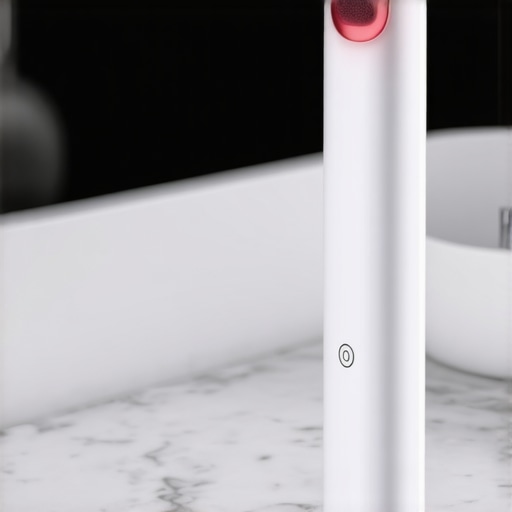
How do I maintain my whitening results over time?
Maintenance is less about what you add and more about what you avoid. If you are a coffee or tea lover, I cannot emphasize the ‘straw trick’ enough. It sounds silly, but bypassing the front of your teeth significantly reduces the rate of extrinsic staining. As noted by Dr. Gordon Christensen in the Clinicians Report, a respected resource for dental professionals, the longevity of any aesthetic treatment depends heavily on the patient’s choice of low-abrasive home-care products. I also make sure to check how long you should really wait to eat after a cleaning or a whitening session to ensure the enamel has time to re-mineralize. Consistency in these small habits is why top 5 secrets to maintaining perfect oral health as a family always includes routine professional oversight.
Invest in Tools That Save Your Enamel
I have also integrated a water flosser into my nightly routine. Unlike traditional string which can be abrasive on sensitive gums, the targeted stream of water gets into those tight spaces where how regular dental cleanings can save you money in the long run by preventing interproximal cavities. It is particularly effective if you have existing work, like the real difference between veneers and lumineers for small teeth, because it cleans the margins without the risk of snagging. If you are looking for a quick win, try the simple trick to getting coffee stains off your teeth which involves rinsing with water immediately after your morning cup—it is a low-tech solution that actually works.
What the Future Holds for Your Smile
Looking ahead, I predict we will see a massive shift toward AI-integrated oral care. We are already seeing brushes that map the inside of your mouth to show you exactly where you missed a spot. In the coming years, revolutionary teeth cleaning techniques for 2025 will likely include home-use diagnostic tools that can detect early-stage decay before it even requires a filling. This pro-active approach is much better than reacting to pain. For those already dealing with issues, cosmetic dentistry innovations you cannot miss this year are making treatments faster and more comfortable than ever. If you want to keep your results, my top tip is this: buy a high-quality electric toothbrush with a pressure sensor today and commit to using it on the ‘sensitive’ setting for two weeks. Your gums will thank you.
Hard Truths I Discovered About DIY Whitening Risks
Reflecting on my journey, the biggest shift wasn’t in the products I bought, but in my mindset toward oral health. I used to think of my teeth as porcelain tiles that just needed scrubbing, but they are living tissues. One major lightbulb moment was realizing that how regular dental cleanings can save you money in the long run because they catch the erosion I was causing with DIY experiments before they became major financial burdens. I also learned that sensitivity is your body’s alarm system—ignoring it is like driving with the check engine light on. Finally, I realized that family dentistry isn’t just for kids; it’s about creating a multi-generational legacy of healthy habits that prevent the need for invasive cosmetic dentistry later in life.
The Daily Toolkit for Enamel Longevity
If you’re ready to stop the guesswork, these are the tools I now consider non-negotiable for anyone serious about teeth cleaning and preservation. First, a smart electric toothbrush with a pressure sensor is the only way to ensure you aren’t literally scrubbing your enamel away. Second, I recommend keeping a list of oral health myths busted what every family should know handy to share with friends who still think charcoal or lemon juice is a ‘natural’ miracle. Third, I rely on a water flosser for deep cleaning without the gum trauma. Lastly, staying informed on top 5 secrets to maintaining perfect oral health as a family has kept my household’s smiles bright without a single ‘zinger’ in over two years.
Embrace a Healthier Path to Your Brightest Smile
You do not have to sacrifice comfort for a stunning reflection. By slowing down, respecting your enamel, and focusing on enhancing confidence with cosmetic dentistry what to expect, you can achieve a look that is both beautiful and sustainable. Your oral health is a lifelong investment, and today is the perfect day to start treating it with the care it deserves. Have you ever experienced a ‘zinger’ or sudden sensitivity after a whitening session? Let me know your experience in the comments below!