
I’ll never forget the day I looked into my daughter’s mouth with a flashlight, feeling like a dental detective, only to realize I had absolutely no idea what I was looking for. We had followed all the family dental care hacks I could find, but those brand-new back molars still looked… suspicious. It turns out, I was missing the tiny signs that lead straight to expensive fillings. My biggest mistake early on was assuming that a white tooth was always a healthy tooth; however, those deep pits and fissures are experts at hiding decay until it is too late. Today, I want to help you avoid that panicked phone call to the office by showing you how to spot the need for sealants before the damage is done. Have you ever noticed dark lines in your child’s molars and wondered if you were just seeing things or if a cavity was brewing?
Stop Guessing and Start Looking at Those Deep Grooves
Those first permanent molars usually show up around age six, and they are essentially cavity magnets. They have deep nooks and crannies where sugar loves to set up camp and throw a party. Even if you are diligent, some kids get cavities despite brushing twice a day simply because their toothbrush bristles are physically too thick to reach the bottom of those microscopic grooves. I learned the hard way that waiting until the next checkup can be a gamble if your child has particularly deep “fissures” on their chewing surfaces. According to the Centers for Disease Control and Prevention, sealants protect against 80% of cavities for two years after application. That’s a massive safety net I wish I’d utilized sooner for my oldest. If you’ve been hesitant about adding another procedure to the list, you aren’t alone.
Are Dental Sealants Really Necessary for Every Kid?
It’s natural to be skeptical. Is this just an extra charge on the bill? I asked myself the same thing when the hygienist first brought it up. I worried about “sealing in” existing bacteria or if the material was even worth the hassle. But once I saw how thin and non-invasive the process was—basically just painting a protective shield over the chewing surface without any drilling—my opinion shifted fast. If you skip your child’s six-month dental checkup, you might miss the narrow window where these teeth are most vulnerable and yet still healthy enough to seal. We’re going to break down the physical signs you can actually see at home and the specific developmental stages where this treatment makes the most sense for your family’s peace of mind.
How the Magic Barrier Actually Gets Applied
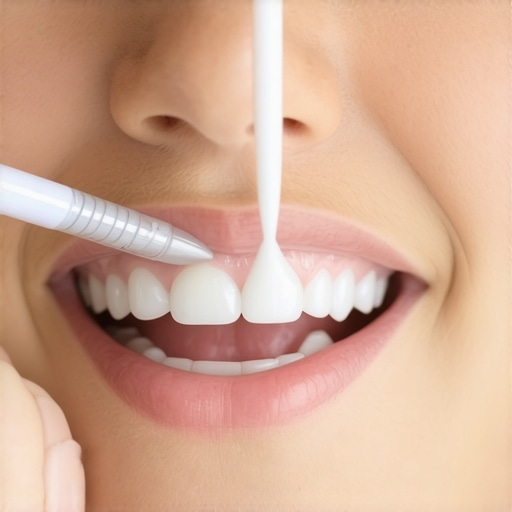
Think of a dental sealant like a high-tech rain slicker for your child’s molars. When we talk about family dentistry building a foundation of healthy smiles for all ages, sealants are a cornerstone because they physically block the environment where bacteria thrive. The process is remarkably simple and fast, requiring no needles or numbing. First, the tooth is cleaned thoroughly using a rotating brush and paste to remove any plaque or food debris. Then, a mild acidic solution is dabbed onto the chewing surface to ‘etch’ it—basically making the surface slightly rough on a microscopic level so the sealant sticks like glue. After rinsing and drying the tooth—which is the most critical step, as moisture is the enemy of a good bond—the liquid resin is painted into the deep grooves. We then use a special blue curing light to harden the material instantly. I remember when my youngest had hers done; she was so wiggly and curious about the “blue lightsaber” that I had to hold her hand while the hygienist worked. Even with a bit of a struggle, the entire process for four molars took less than fifteen minutes. It’s far easier than a filling and helps explain how regular teeth cleaning can prevent major dental issues down the road.
Catch the Window Before Bacteria Move In
Timing is everything when it comes to preventative care. The goal is to seal the teeth as soon as they fully emerge from the gums, typically before they’ve had much exposure to the sugars and acids of a standard diet. For most kids, this means the first set of permanent molars around age six and the second set around age twelve. If you wait too long, you risk sealing *in* decay that has already started to colonize those deep pits. This is why preventive tips for long-lasting dental health for families always emphasize early intervention. I’ve seen parents wait until a child complains of sensitivity, but by then, we’re often looking at a restorative procedure rather than a simple sealant. Integrating this into your routine is one of those family dentistry tips that make oral care effortless and effective because it reduces the mental load of worrying about every single gummy bear or sticky snack they consume at a birthday party.
Why This Saves Your Sanity and Your Wallet
Let’s talk numbers for a second. A sealant costs a fraction of what a composite filling does, and it’s lightyears cheaper than a root canal or crown if a cavity goes deep. You can see how regular dental cleanings can save you money in the long run by catching the need for these barriers early before they turn into major dental work. In my own house, the peace of mind knowing those deep pits are filled with a medical-grade shield is worth every penny. For kids who are particularly nervous about the sounds and feels of a dental office, we use nitrous oxide to help children stay calm and comfortable during the application. It’s all about creating a ‘no-drill’ zone in their mouths that persists for years. Even the most advanced teeth cleaning techniques and benefits can’t always reach the bottom of a microscopic fissure, but a sealant acts as a permanent plug against decay. You aren’t just paying for a plastic coating; you’re paying for a future where your child doesn’t dread the dentist’s chair because they’ve never had to experience a cavity.
While most parents see sealants as a simple ‘one and done’ insurance policy, there is a nuanced reality that many dental offices don’t spend enough time explaining. The biggest myth I encounter is the belief that once a sealant is applied, that tooth is permanently invincible. In reality, the longevity of that protective shield depends entirely on the microscopic precision of the application. If the tooth isn’t perfectly dry—and I mean bone-dry—during the resin placement, you end up with the subtle bonding error that makes your smile look artificial or, worse, leads to the sealant popping off within months. This is where the ‘oops’ factor comes in: many families assume a lost sealant is no big deal, but it can actually leave the tooth more vulnerable by creating a tiny shelf where plaque gets trapped against the enamel.
Why Your Sealant Might Fail if the Prep Work is Rushed
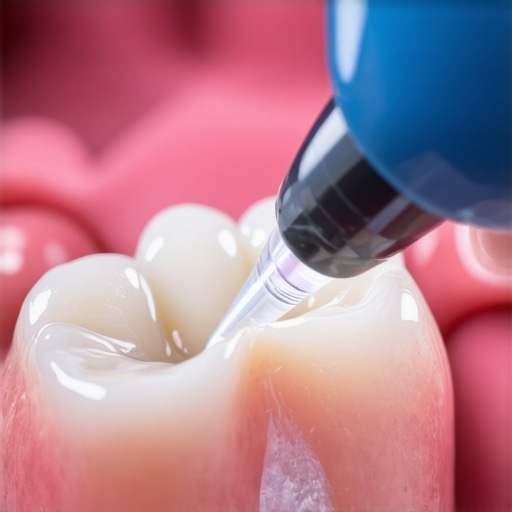
I’ve seen it happen dozens of times: a busy clinic rushes the ‘etching’ phase, and the sealant doesn’t fully penetrate the deep fissures. This is a classic example of why oral health myths debunked matters so much—prevention is only as good as the technique behind it. If you aren’t seeing a rubber dam or specialized suction used to keep the area dry, the bond is likely compromised. Have you ever fallen into this trap where a procedure felt too fast to be thorough? Let me know in the comments. We prioritize maintaining oral health with expert advice for a lifetime of healthy teeth, which means taking the extra five minutes to ensure that bond is chemical-grade and air-tight.
Is it possible to seal in a cavity by mistake?
This is the question that keeps savvy parents up at night. It’s a sophisticated concern: what happens if a microscopic colony of bacteria is already at the bottom of the groove when the resin is applied? Contrary to the old-school fear that this would cause the tooth to rot from the inside out, the American Dental Association (ADA) has cited studies showing that sealants actually ‘starve’ the bacteria by cutting off their nutrient source (sugar and oxygen), which typically arrests the decay. However, the nuance lies in the diagnostic tools used before sealing. We use high-magnification loupes to ensure we aren’t sealing over an active, large lesion. It’s a level of detail that separates basic care from true cosmetic dentistry innovations you can’t miss this year, where the health of the tooth structure is as important as the aesthetic result.
The Hidden Benefit for Adults That Most Offices Ignore
Another common misconception is that sealants are strictly for children. While it’s true that ‘new’ teeth are the primary targets, many adults with deep occlusal anatomy are actually great candidates for this treatment. If you’ve managed to avoid cavities into your 30s but still have deep pits, sealing them now can prevent the need for more invasive work later. It’s the same logic as the one mistake people make when trying to whiten gray teeth—trying to fix a problem after the damage is deep is much harder than preventing it. By applying these ‘rain slickers’ to adult molars, we extend the life of your natural enamel indefinitely. It’s a small, high-yield investment in your long-term wellness that goes beyond the standard cleaning routine.
Once you’ve made the choice to invest in sealants for your family, the real work shifts from the dental chair to your bathroom vanity. I like to tell my patients that a sealant is essentially a high-performance paint job for your teeth; if you don’t maintain it, the environmental ‘grime’ of daily sugar and plaque will eventually find a way to undermine the edges. For my own family, I don’t just rely on a manual brush and a prayer. I swear by the Waterpik Aquarius, specifically utilizing the ‘Floss Mode’ setting. I use this tool because the most common failure point for any resin-based barrier is the ‘transition zone’—that microscopic ledge where the sealant meets the natural tooth enamel. Traditional toothbrush bristles often skip right over this tiny bump, but a pressurized stream of water hits it head-on, ensuring no bacteria can colonize the margin. According to a landmark study in the Journal of the American Dental Association (JADA), water flossing can be up to 29% more effective at removing biofilm from difficult-to-reach areas compared to traditional string floss. In our house, this is one of the top 5 secrets to maintaining perfect oral health as a family, and it’s why our dental checkups are usually a breeze.
Keep Your Sealants Intact with the Right Water Flosser Setting
When you are using a water flosser to protect your preventative work, technique is everything. I always instruct my kids to aim the tip at a 90-degree angle toward the chewing surface, tracing the ‘valleys’ where the sealants live. This isn’t just about food removal; it’s about hydraulic force breaking up the sticky matrix of plaque that loves to cling to the edges of the resin. This level of care is a perfect example of maintaining oral health with expert advice for a lifetime of healthy teeth. If you aren’t using a high-pressure irrigator, you are essentially leaving the most vulnerable part of the tooth to chance. I’ve seen that how regular teeth cleaning can prevent major dental issues is heavily dependent on what you do during the 180 days between your professional visits.
How do I maintain these protective barriers over the long haul?
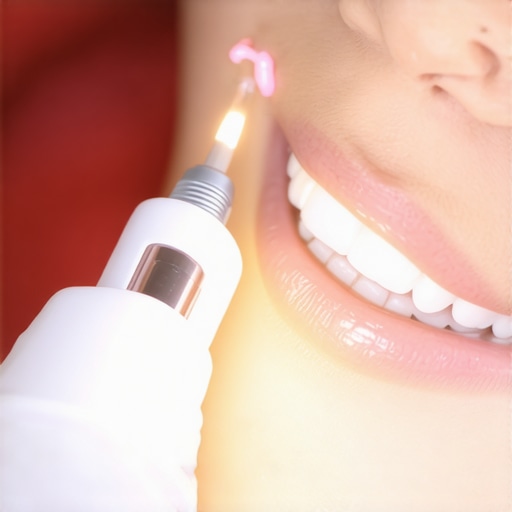
Maintenance is less about massive effort and more about consistency and the right inspection habits. Every Sunday night, I have my kids do a ‘flashlight check.’ We use a high-lumen LED penlight to look for any signs of chipping or ‘lifting’ of the sealant material. If the sealant looks opaque or has a yellowish tint at the edges, it might be time for a touch-up. Integrating this into your routine is part of those family dentistry tips that make oral care effortless and effective. You should also avoid chewing on ice or hard candy, as the sheer force can crack the thin resin layer. Think of it as a protective shield, not a suit of armor. By following preventive tips for long-lasting dental health for families, you can easily make a single sealant application last five to nine years.
Look Out for Smart Brushes with Built-In Enamel Sensors
Looking ahead, I predict that the next five years will bring a revolution in how we monitor these treatments at home. We are already seeing the first generation of smart toothbrushes equipped with bio-sensors that can detect changes in enamel density and the integrity of restorative materials. Soon, your toothbrush might send an alert to your phone telling you exactly which molar has a failing sealant before a cavity even has the chance to form. This aligns with the broader cosmetic dentistry innovations you can’t miss this year, where technology is becoming increasingly proactive rather than reactive. Until those tools are standard, I want you to try this tonight: grab your phone’s flashlight, have your child open wide, and look for those smooth, white-filled grooves. If you see any dark spots or ‘potholes’ in the sealant, give your dentist a call immediately to have it patched.
Reflecting on my years as both a parent and a dental health advocate, I’ve realized that the small, proactive choices we make today often yield the biggest rewards for our children’s futures. It’s not just about the fifteen minutes spent in the dental chair; it’s about the decades of health, confidence, and comfort that follow a well-protected smile.
What I Wish I Understood About Those Deep Molar Grooves
When I first started navigating the world of pediatric care, I didn’t realize how much oral health myths debunked in the office could save me from unnecessary stress. Here are a few lightbulb moments I’ve had: First, sealants aren’t just for ‘at-risk’ kids; they are a universal shield for any tooth with deep anatomy that a brush simply can’t reach. Second, if your child mentions their tooth feels ‘tall’ or ‘different’ after the resin is applied, don’t ignore it; a quick 30-second adjustment by the dentist ensures their jaw stays relaxed and healthy. Finally, I learned that the truth about fluoride varnish for toddlers is that it works in tandem with sealants, protecting the smooth sides of the teeth while the sealant guards the chewing surface.
The Gear That Keeps Our Family Smiles Bright
To keep those protective barriers in top shape and ensure the enamel remains rock-solid, I rely on a few specific tools in our home. I always recommend a high-quality water flosser because the top 5 secrets to maintaining perfect oral health as a family almost always involve cleaning the tricky ‘transition zones’ where the sealant meets the natural tooth. Additionally, I suggest stocking up on the high calcium snacks that strengthen enamel naturally—like aged cheeses and almonds—to provide the raw materials for a strong smile. For those with particularly sensitive little ones, knowing how we use nitrous oxide to help children stay calm can turn a potentially scary preventative visit into a positive, fearless experience.
Start Building a Legacy of Strong Teeth Today
Your child’s dental health is a long-term investment, and sealants are one of the highest-yield assets you can choose. By focusing on family dentistry building a foundation of healthy smiles for all ages, you are essentially opting out of the stressful cycle of drills, fillings, and dental anxiety. This simple layer of protection ensures that your child can grow up with the confidence of a healthy, natural smile that lasts a lifetime. Have you ever felt unsure about which preventative treatments are truly worth the investment for your kids? Let me know your experience in the comments below!