
I remember standing in the middle of a wedding reception last summer, laughing at a joke, and catching a glimpse of the person I was talking to subtly leaning back. My heart sank. I had brushed for three minutes, used my fancy electric toothbrush, and even gargled. Yet, there it was—that lingering, metallic tang. I thought I was doing everything right. I spent years obsessing over teeth cleaning secrets, but I was missing the one thing that actually moves the needle. It turns out that focusing solely on your teeth is like washing your car but leaving the muddy tires untouched. Today, I’m going to show you how to finally bridge that gap and reclaim your confidence. [IMAGE_PLACEHOLDER] Have you ever felt that sinking feeling when you realize your breath isn’t as fresh as you thought? Reach out and let me know—I’d hate to think I was the only one!
Stop Blaming Your Toothbrush for That Lingering Scent
In my early days of trying to achieve the perfect smile, I made a massive mistake: I thought more pressure meant more clean. I would scrub until my gums were raw. But as I eventually learned, why your gums bleed often has more to do with aggressive technique than actual hygiene. Even worse, no matter how hard I scrubbed, I still wondered why your breath smells like onions even after brushing. It was incredibly frustrating. I was doing the work, but I wasn’t getting the results. This is because standard brushing only targets about 25% of your mouth’s surface area. According to a study published by the American Dental Association, about 50% of adults experience halitosis, and the vast majority of cases originate from bacteria buildup on the tongue rather than the teeth. We’ve all been told oral health myths that suggest minty paste is a cure-all, but the real fix is much more mechanical. It’s about more than just you, too. If you have kids or a spouse, you know that oral hygiene is a team sport. I used to be the guy who just told everyone to ‘brush better,’ but I was giving them incomplete advice. When I finally discovered the power of tongue care and proper interdental cleaning, it changed the game for my whole household.
Is This Just Another Expensive Tool I Don’t Need?
I get it. You don’t want another gadget cluttering your bathroom counter. I was a skeptic too. I thought my toothbrush was enough. But once I saw the difference after a professional cleaning, I realized my DIY approach was failing. You don’t need a hundred-dollar machine; you need the right strategy. Most people are terrified that they have some deep, internal health issue, but usually, it’s just a matter of ‘biofilm’ that refuses to budge with a standard brush. It’s a visceral kind of shame to worry about your breath, but it’s a problem we can solve together in about 60 seconds a day. Let’s look at exactly what is happening in those hard-to-reach places.
Master the 60-Second Biofilm Extraction
To get results, you have to stop thinking of your mouth as a set of smooth pearls and start seeing it as a complex ecosystem. Think of your tongue like a high-pile shag carpet; it traps everything. Your teeth, on the other hand, are like a tile floor. You wouldn’t just mop the tile and ignore the muddy carpet, right? This is where the ultimate guide to teeth cleaning techniques and benefits starts to make sense. We need to physically disrupt the biofilm—that sticky layer of bacteria—rather than just trying to rinse it away with minty liquid.
Get Rid of the Carpet of Bacteria on Your Tongue
The most effective change I ever made wasn’t a new toothpaste; it was a five-dollar stainless steel tongue scraper. Brushing your tongue with a toothbrush often just pushes the bacteria deeper into the tiny bumps (papillae). I remember the first time I used a real scraper after a full brushing session. I was horrified to see a thick, yellowish film come off. I felt like I had been lied to my whole life. This simple mechanical action is the fastest way to solve why your breath smells like onions even after brushing. Reach all the way to the back—carefully, so you don’t trigger that gag reflex—and pull forward. Three strokes is all it takes. 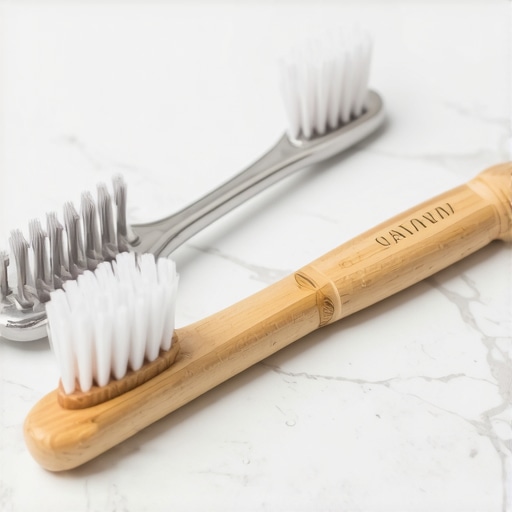
Why Flossing Is More Than Just Removing Stuck Food
Most people only floss when they feel a piece of steak stuck between their molars. But the real goal of interdental cleaning is to break up the bacterial colonies living in the ‘dark zones’ where your brush can’t reach. If you ignore these gaps, you are leaving 35% of your tooth surfaces dirty. This neglect is a primary reason how regular teeth cleaning can prevent major dental issues like bone loss and gum recession later in life. If traditional string floss feels like a chore, try a water flosser or interdental brushes. The key is consistency over perfection. I started leaving my floss picks right next to my car keys; it sounds weird, but having them visible meant I actually used them while waiting for the car to warm up.
How to Brush Without Damaging Your Gums
More power is not better. I used to scrub my teeth like I was trying to get rust off a bike chain. All I ended up with was receding lines and sensitivity. You need to use a soft-bristled brush and hold it at a 45-degree angle toward the gum line. Use tiny, circular vibrations rather than long, horizontal strokes. If you have kids, teaching them this early is one of the best family dental care hacks to keep your kids smiling daily without expensive future repairs. Following gentle teeth cleaning best practices for sensitive gums ensures you are removing the plaque without stripping away your precious enamel. It’s about being a jeweler, not a construction worker.
The Dark Side of the Hollywood White Trend
Most of us believe that a brighter smile is a healthier smile, but that’s one of the biggest oral health myths currently circulating. I’ve seen patients who have bleached their teeth so aggressively that their enamel has become translucent—giving the teeth a gray, sickly appearance rather than a vibrant white one. This is the one mistake people make when trying to whiten gray teeth: they assume more peroxide is the answer. In reality, gray or blue undertones often come from inside the tooth, meaning external gels won’t help and might actually hurt. A study in the Journal of Clinical Periodontology highlights that over-bleaching can lead to pulp inflammation and permanent dentin hypersensitivity, which is why maintaining oral health requires a delicate balance between aesthetics and biology.
Why does professional whitening sometimes fail to budge deep stains?
It’s incredibly frustrating to spend money on a treatment only to see minimal results. If your discoloration stems from childhood antibiotics or high fluoride intake during development, you’re likely dealing with deep tetracycline stains. These aren’t on the surface; they are literally baked into the tooth structure. In these cases, the expertise lies in choosing cosmetic dentistry innovations like veneers or bonding rather than just more bleach. I’ve seen many people fall into the trap of trying every DIY kit on the market, only to end up with permanent root sensitivity. 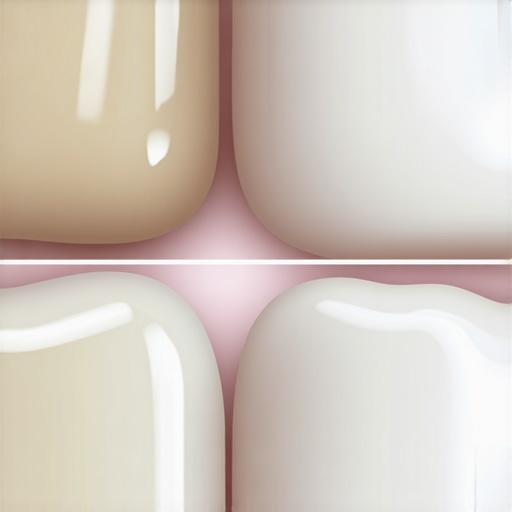 Have you ever fallen into this trap of over-whitening? Let me know in the comments—I’d love to hear your experiences.
Beware of the Abrasive DIY Trap
One “hack” I constantly see on social media is using pantry staples to scrub away stains. While it sounds natural, the truth about using baking soda as a toothpaste is that it’s highly abrasive. It’s like using sandpaper on a car’s paint job; sure, you’ll get the grime off, but you’ll take the protective clear coat with it. Specifically, the danger of using baking soda to whiten your enamel every day is that once that enamel is gone, it’s gone for good. You’ll eventually notice your teeth looking more yellow because the underlying dentin is showing through the thinned surface. Even with high-end cosmetic work, nuances matter. For instance, if you have porcelain work, you might wonder why your veneers are discoloring at the gum line. Usually, it’s not the veneer itself, but the natural tooth structure underneath or the resin bond reacting to lifestyle habits like coffee or smoking. Understanding these subtleties is what separates a temporary “quick fix” from a lifetime of genuine dental health.
Ditch the Guesswork with Pressure-Sensing Tech
Once you move past the baking soda phase, you realize that the real secret to longevity isn’t about scrubbing harder; it’s about precision. I personally switched to a high-end sonic toothbrush with a haptic pressure sensor because, despite being a self-proclaimed expert, I still catch myself pressing too hard when I’m in a rush. This is one of the most effective maintaining oral health strategies I’ve ever implemented. According to a study in the International Journal of Computerized Dentistry, using intraoral scanning to track enamel wear shows that over-brushing is a leading cause of non-carious cervical lesions—basically, holes you scrub into your own teeth. If you aren’t using a tool that alerts you when you’re being too aggressive, you’re essentially guessing with your enamel.
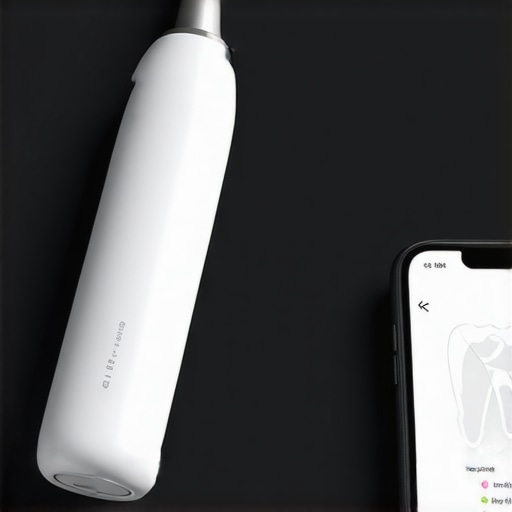
For my family, we’ve moved toward using specialized interdental brushes instead of just string. These little brushes are far more effective at sweeping the concave surfaces of your back molars. It’s part of the family dentistry tips I give to anyone who feels like they’re doing the work but still getting watch areas from their dentist every six months. Using these daily ensures that your cosmetic dentistry innovations, like bonding or crowns, stay pristine for years rather than months.
How can I keep these results for a lifetime?
Maintenance is where most people fall off the wagon. They get a professional cleaning and treat it like a set it and forget it solution. To keep your results, you need a proactive system for preventive tips for long-lasting dental health for families. This means scheduling your visits before you feel pain. I always tell my friends that how regular dental cleanings can save you money in the long-run isn’t just a marketing slogan; it’s a mathematical reality. Catching a tiny bit of inflammation today prevents a three-thousand-dollar bridge tomorrow. I also recommend keeping a dental mirror in your cabinet to check the back of your lower front teeth—that’s the first place tartar builds up.
Your Phone Might Soon Tell You When to Brush
Looking ahead, I see a massive shift toward Bio-Digital Hygiene. We are already seeing contouring veneers and AI-driven apps that scan your teeth for early-stage demineralization through your smartphone camera. In the next few years, I predict we will have smart mirrors that use UV light to highlight exactly where biofilm is hiding in real-time. We’re moving away from generic care toward hyper-personalized dental protocols. If you want to get ahead of the curve, try this tonight: get a pack of disclosing tablets. Chew one after you think you’ve finished brushing. It will stain the remaining plaque bright purple, showing you exactly where your technique is failing. It’s a humbling but transformative experience that I recommend to everyone looking to level up their routine.
What Your Dentist Often Skips During a Standard Checkup
In my years of obsessing over dental care, I have realized that the most important lessons often happen outside the clinical chair. First, I learned that bleeding gums are never just ‘part of the process’; they are a cry for help from your immune system. Second, the obsession with a ‘Hollywood White’ smile can often mask underlying decay or thinning enamel, making it vital to understand the one mistake people make when trying to whiten gray teeth. Finally, the biggest lightbulb moment was realizing that your mouth is a gateway to your entire body’s health. When you prioritize maintaining oral health, you aren’t just saving your teeth; you are protecting your heart and your confidence.
The Tools That Actually Earn Their Spot on My Counter
I have tried every gadget on the market, but only a few have made a permanent difference. A stainless steel tongue scraper is non-negotiable for anyone who wants to wake up with fresh breath. I also recommend disclosing tablets once a month; they act as a ‘heat map’ for plaque, showing you exactly where you are missing. For those with children, focusing on family dentistry building a foundation of healthy smiles for all ages is easier when you use a sonic toothbrush with a built-in timer. It turns a chore into a game of precision. I trust these tools because they provide immediate, visible feedback that no amount of mouthwash can replicate.
Stop Hiding Your Laugh and Start Living
At the end of the day, a healthy smile is about more than just aesthetics—it is about the freedom to laugh without hesitation. We often overcomplicate things, but the path to a worry-free mouth is paved with small, daily wins. Remember that how regular dental cleanings can save you money in the long run is not just about the dollars; it is about the peace of mind you get when you know your foundation is solid. If you feel like you have fallen behind, don’t be afraid to take that first step. If you have any questions or are ready to get back on track, please contact us and let us help you reclaim your smile. Have you ever felt that your current routine was missing something important? Let me know in the comments below!