
The moment the ice water hit my back molar, I saw stars. Not the pretty, Hollywood kind—the kind that makes you want to curl into a ball on the kitchen floor. I had spent weeks convincing myself that the sharp zing I felt during breakfast was just a fluke. I even told myself I was just practicing poor oral health habits lately. My biggest mistake was assuming all tooth pain leads to the same outcome. I waited until I couldn’t sleep before I finally called the office, and by then, the news wasn’t what I wanted to hear. I thought I just needed a quick patch-up, but I was wrong. By sharing my dental drama, I want to help you avoid that same gut-punch diagnosis. Today, we are going to draw a clear line between a standard filling and the much-maligned root canal, so you can make a decision with confidence rather than fear.
Stop Guessing and Start Saving Your Natural Teeth
Most of us grow up thinking that a cavity is just a hole that needs a bit of silver or composite to fix. That is usually true if you catch the decay early enough through regular teeth cleanings. A filling is a surface-level solution; it replaces the damaged enamel to keep bacteria from digging deeper. But when you ignore that twinge, the bacteria don’t just sit still. They tunnel down into the pulp—the soft, living center of your tooth where the nerves and blood vessels live. This is where the path splits. If the damage is superficial, a filling is your best friend. If the infection has reached the nerve, a filling is like putting a band-aid on a broken leg. You have to treat the root cause, literally. Have you ever felt that dull, throbbing ache that seems to pulse in time with your heartbeat? If so, you might be past the point of a simple repair.
Is a Root Canal Actually Worth the Fear?
I used to think a root canal was a form of medieval torture, but the reality is much more boring. According to the American Association of Endodontists, root canals are actually designed to eliminate pain, and they have a success rate of over 95%. The process simply removes the infected tissue so you can keep your original tooth instead of opting for a bridge or an implant. I learned the hard way that a new filling might feel sensitive to sugar for a few days, but a failing nerve feels like a constant electrical storm in your jaw. Dealing with the anxiety of a longer procedure is tough, which is why learning how to manage dental anxiety is a game-changer for anyone facing a root canal. We are going to look at the specific symptoms that dictate which treatment you’ll likely need next.
Listen to Your Tooth Before It Screams
Knowing whether you need a quick fix or a deep-clean rescue starts with paying attention to the specific frequency of your pain. If you only feel a sharp zap when you bite down on a piece of sourdough or sip iced tea, you are likely looking at a standard filling. This is the dental equivalent of patching a pothole before the entire road collapses. However, if you find yourself searching for how to manage a dull ache that wakes you up at night, the infection has likely breached the tooth’s inner sanctum. I remember one summer I ignored a tiny chip for months, thinking it was just a cosmetic flaw. But every time I laid down to sleep, my jaw started thumping like a bass drum. That rhythmic pulsing is the classic signal that the pulp is under siege, and a filling simply cannot reach the core of that problem.
Patching the Surface with Precision
When we catch a cavity early, the process is incredibly straightforward and preserves your natural structure. We remove the decayed portion of the enamel and fill the space with a durable composite resin that matches your tooth color. It is one of the most vital family dentistry tips that make oral care effortless and effective because it stops the rot in its tracks. Sometimes, after the numbing wears off, you might notice your bite feels slightly off. I experienced this firsthand; it felt like I was chewing on a tiny pebble that was not actually there. Learning why your new filling feels high and how we adjust the bite can save you from days of unnecessary jaw soreness and muscle fatigue. If a filling is the right choice, the goal is a tight seal to prevent any further bacterial invasion. But what happens when the seal is already broken or the decay has moved too deep?
Getting to the Root of Persistent Infection
If the decay has traveled through the enamel and dentin into the pulp chamber, a filling is no longer a viable option. At this stage, the tooth is essentially dying from the inside out. This often happens if you do not know the first thing to do when your tooth filling falls out, which allows bacteria to feast on the exposed interior for days or weeks. 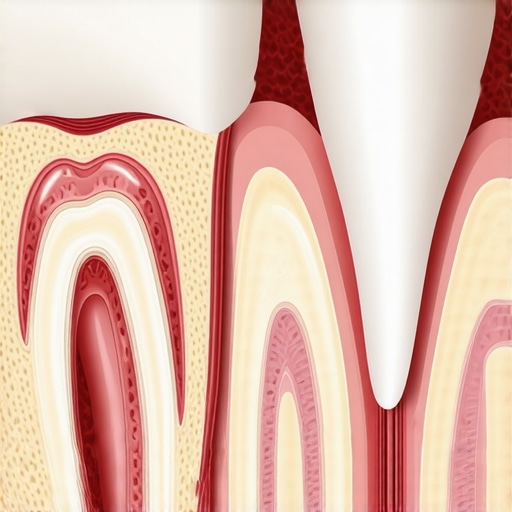 A root canal involves cleaning out that infected pulp, disinfecting the tiny canals within the root, and sealing them with a specialized material. It is important to distinguish between different types of structural damage; for instance, understanding the difference between a cracked tooth and a craze line can help you determine if the interior is truly compromised. If you ignore these deeper warning signs, you might eventually face the signs of an infected wisdom tooth you shouldn’t ignore, which can lead to painful abscesses. By choosing the root canal, you are opting to save the exterior shell of your tooth, which prevents the bone loss and shifting that occurs when a tooth is pulled.
Don’t Wait for the Ache to Tell You Something is Wrong
One of the most dangerous myths I see in family dentistry is the ‘if it doesn’t hurt, it’s healthy’ mindset. By the time a tooth actually starts to throb, the window for a simple, inexpensive fix has usually slammed shut. I’ve seen patients who skip three years of visits because they feel fine, only to find out that a tiny, painless cavity has quietly bypassed their enamel and is now knocking on the nerve’s door. This is exactly how regular dental cleanings can save you money in the long run; we catch the ‘silent’ issues before they require a mortgage-sized repair bill. In my experience, a painless tooth can still be a ticking time bomb, and relying solely on your nervous system to tell you when to book an appointment is a recipe for a dental emergency.
Can You Actually Over-Clean Your Way to an Emergency?
The short answer is yes. Many of my most dedicated patients fall into the ‘scrubber’ category, thinking that more pressure equals cleaner teeth. However, the American Dental Association warns that aggressive brushing can lead to tooth sensitivity and permanent damage to your gums. You might think you are being proactive, but you are actually creating a situation where the reason your gums recede even if you have good habits is the very brush in your hand. This abrasion thins your enamel, making you a prime candidate for the zapping pain of sensitivity. It is a nuanced balance that requires maintaining oral health expert advice for a lifetime of healthy teeth rather than brute force. Have you ever fallen into this trap? Let me know in the comments.
The Hidden Danger in Your Healthy Habits
Sometimes, the things we do for our overall health are the secret villains of our smile. Take sparkling water, for example. We think we are being virtuous by skipping soda, but the impact of acidic sparkling water on your smiles longevity is a real concern because the carbonation lowers the pH in your mouth, softening your enamel.  I once treated a patient who couldn’t understand why her teeth were thinning until we realized she was sipping lemon-infused seltzer all day long. This is one of those oral health myths debunked—what you need to know in 2025: ‘Natural’ and ‘sugar-free’ don’t always mean tooth-safe. When you layer these habits with a desire for a Hollywood look, things get even more complex. While many are interested in enhancing confidence with cosmetic dentistry what to expect, you cannot build a beautiful aesthetic on a foundation of eroded enamel. True expertise in this field isn’t just about the ‘oops’ factor of a missed cavity; it’s about understanding how your lifestyle—even the healthy parts—is chemically interacting with your teeth every single day.
Grab the Tools That Do the Hard Work for You
I realized pretty quickly that all the willpower in the world can’t compete with the right technology. When I finally made the switch to an electric toothbrush with a pressure sensor—specifically the Oral-B iO series—it was a total paradigm shift. Remember when I mentioned my habit of scrubbing too hard? This tool literally flashes a red light at me when I press too firmly, saving my enamel from my own enthusiasm. Selecting the best toothbrush texture for people with receding gums is step one, but the mechanical oscillation of a high-end brush does thousands of strokes per minute that your hand simply cannot replicate. I also swear by the Waterpik Aquarius. If you hate traditional flossing, this is your golden ticket. It uses pulsating water to clear out the periodontal pockets where a standard brush can’t reach, which is one of those revolutionary teeth cleaning techniques for 2025 that actually lives up to the hype.
How can I keep my family’s smiles healthy for the long haul?
Maintaining a healthy mouth isn’t about a once-a-year deep clean; it is about the micro-habits you bake into your morning and evening routines. For those of us with children, family dental care hacks to keep your kids smiling daily involve making these tools feel like toys rather than chores. I recommend using an app-connected brush for the little ones; it gamifies the process and ensures they hit that two-minute mark every single time. Beyond the gadgets, you need to stay consistent with preventive tips for long-lasting dental health for families, such as replacing your brush heads every ninety days. A frayed bristle is basically a useless piece of plastic that just moves bacteria around rather than lifting it away. 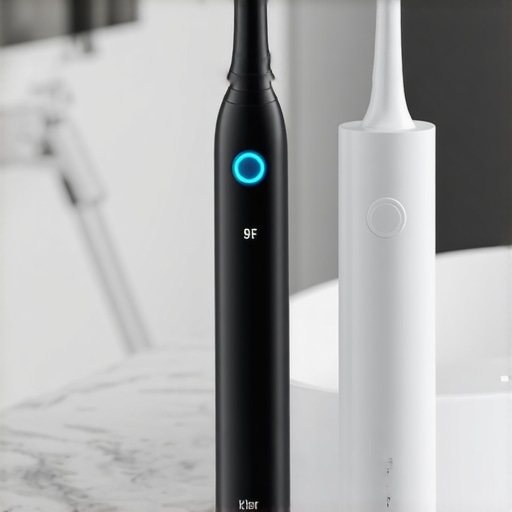
The Next Big Thing in Your Bathroom Mirror
Looking ahead, the trend is moving toward hyper-personalization through AI diagnostics. We are already seeing toothbrushes that map exactly which quadrants of your mouth you are missing in real-time. In the near future, I predict we will have at-home saliva testing kits that can detect shifts in your oral microbiome before a cavity even forms, allowing us to adjust our diet or rinses to prevent decay entirely. This aligns with the findings from the Cochrane Database of Systematic Reviews, specifically their study on ‘Powered versus manual toothbrushing for oral health,’ which proved that powered brushes provide a significant 21% reduction in plaque over three months compared to manual ones. If you want to scale your health without spending hours in the chair, you have to embrace these data-driven tools. My advanced tip for you today: try using your water flosser before you brush. By clearing the ‘heavy lifting’ out of the way first, your fluoride toothpaste can actually penetrate the spaces between your teeth more effectively. If you are ready to see how these professional-grade tools have changed your oral landscape, feel free to contact us to schedule a check-up and data-driven cleaning.
Lessons My Jaw Had to Teach the Hard Way
I’ve realized that oral health isn’t just about avoiding pain; it’s about preserving the lifestyle you love. First, if a tooth feels slightly sensitive, it’s already trying to tell you something; don’t wait for the throbbing to start. Second, I learned that how regular dental cleanings can save you money in the long run is a literal financial strategy—preventing a deep infection is far more affordable than fixing one. Finally, your daily habits are cumulative. The way you care for your enamel today dictates the strength of your smile ten years from now. By catching decay early, you keep your natural teeth and avoid the stress of more invasive procedures.
#IMAGE_PLACEHOLDER_E#
The Daily Gear That Keeps My Dentist Happy
Building a solid foundation for your family begins with using the right tools at home. I personally rely on the Oral-B iO Series for its pressure-sensing technology which prevents enamel wear. For the younger members of the household, understanding the truth about fluoride varnish for toddlers can provide an essential safety net against early cavities. I also suggest exploring family dentistry building a foundation of healthy smiles for all ages to ensure everyone is following a consistent routine. Using a water flosser alongside these tools ensures that your teeth cleaning routine is as thorough as a professional visit.
Your Best Smile is Still Ahead
It is never too late to take control of your dental destiny. Whether you are currently healing from a procedure or you are interested in how to transform your smile: the impact of cosmetic dentistry in 2025, the focus should always be on health first. By maintaining high-value micro-habits, you ensure that any cosmetic dentistry you choose in the future is built on a rock-solid foundation. You have the power to stop the cycle of dental anxiety by being proactive today. Have you ever ignored a minor toothache only to find out you needed more than a simple filling? Let me know your experience in the comments below!