
I sat there in my kitchen, staring at a half-eaten maple bar, clutching my cheek like I’d just been hit by a stray baseball. I’d only had the filling done forty-eight hours prior, and I thought I was in the clear. But that first bite of sugar sent a jolt through my tooth that made my eyes water. If you’ve ever felt that localized, zapping sensation right after a trip to the dentist, believe me, I’ve been there. It’s frustrating because you went in to fix a problem, only to feel like you’ve traded a dull ache for a high-voltage surprise. Today, we are going to dive into why sugar specifically triggers this and how we can get your comfort back on track.
That Sharp Sting After Your Sweet Treat
It’s a specific kind of misery, isn’t it? You finally get that cavity taken care of, you’re practicing expert-level oral health, and then—BAM—a cookie ruins your afternoon. The truth is, your tooth has just undergone a mini-surgery. The pulp inside is temporarily inflamed, and sugar is “osmotic,” meaning it draws fluid out of the microscopic tubules in your dentin. When that fluid moves, your nerves react with a sharp signal. I actually made the rookie mistake of thinking I could just scrub the sensitivity away with extra-aggressive brushing early on. Big mistake. I used a harsh whitening paste and ended up needing best practices for sensitive gums just to stop the localized irritation I caused myself.
Is this lingering pain actually worth the worry?
It is natural to feel a bit of skepticism when a “fix” feels like it made things worse. After all, shouldn’t a filling make the tooth feel brand new? While you might fear the filling failed, it’s usually just your body’s natural inflammatory response. However, you should always check if your bite feels slightly off, as knowing how we adjust a high bite can often be the missing piece of the puzzle. Interestingly, some dental materials can contract slightly during the curing process, creating microscopic gaps that sugar loves to exploit. According to a study published in the Journal of Conservative Dentistry, polymerization shrinkage remains one of the primary reasons for post-operative sensitivity in resin-based composites, affecting up to 30% of patients initially. We can also look into whether modern oral health myths are clouding your recovery process.
What My First Sugar Shock Taught Me
I learned the hard way that patience is a virtue, but so is knowing when to call the professional. Sometimes, the issue isn’t even the sugar itself; it’s a lack of essential enamel nutrients that makes your surrounding teeth more reactive to the change. Have you ever felt that “zing” and immediately regretted your snack choice? Tell me in the comments, because I want to know if I’m the only one who nearly threw a perfectly good donut across the room in frustration. We’re about to look at the exact steps to desensitize that area and the precise timeline for when you should head back to the chair for a quick adjustment.
Stop the Zap with Targeted Desensitization
The first thing you need to do isn’t to swear off sugar forever—though your waistline might thank you—but to block those open pathways to your tooth’s nerve. I once tried to ‘tough it out’ after a composite filling by just drinking lukewarm water, but the sensitivity lingered for weeks. The real game-changer was switching to a high-potassium nitrate toothpaste. Think of your tooth like a house with a drafty window; the desensitizing paste acts like weatherstripping, sealing those microscopic tubules I mentioned earlier. You don’t even have to just brush with it; I found that dabbing a small amount directly onto the sensitive tooth before bed and letting it sit like a mask worked wonders. This is actually one of the fast ways to soothe a sore tooth on a Sunday when you can’t get ahold of your dentist.
Test Your Bite Before You Panic
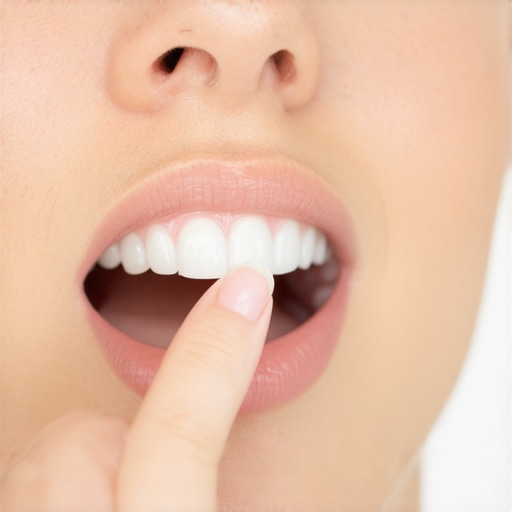
Sometimes the sugar isn’t the culprit, but the trigger that reveals a structural issue. If your filling is even a fraction of a millimeter too high, your tooth is taking the full force of your jaw every time you chew. This constant trauma keeps the nerve in a state of high alert. I remember a time I had a filling that felt fine until I ate something chewy. I realized that knowing how we adjust a high bite is essential because that tiny tweak can make the sensitivity disappear instantly. Try this: bite down normally and see if that specific tooth hits first. If it does, the ligament is likely bruised, and no amount of avoiding sweets will fix the underlying inflammation.
Manage Surface Stress with Smart Habits
While your tooth is in this vulnerable ‘recovery’ phase, you need to be mindful of what else you’re putting it through. If you’re also consuming acidic drinks, you’re basically stripping away the protective layer your tooth is trying to build. I used to drink sparkling water all day until I realized why your teeth ache when you eat citrus fruits or acidic bubbles. Instead, focus on re-mineralizing. Incorporating high calcium snacks that strengthen enamel naturally, like cheese or plain yogurt, provides the building blocks your tooth needs to repair that microscopic gap between the filling and the natural tooth structure. It’s like giving your tooth a protein shake after a workout.
Let Your Dentist Refine the Fit
If you’ve tried the desensitizing paste and adjusted your diet for a week but that sugar zing is still making you jump, it’s time for a professional check-in. This isn’t a failure on your part or the dentist’s; composite resins are notoriously finicky materials. Sometimes a quick regular teeth cleaning or a simple sealant application can bridge the gap. I once had a patient who thought they needed a root canal, but it turned out the bonding agent just needed a five-minute refresh. This kind of best practice for sensitive gums and teeth ensures that a minor irritation doesn’t turn into a chronic problem.
We often think of cosmetic fixes as the ‘fun’ part of dentistry—the aesthetic reward after the hard work of maintenance. But here is the contrarian truth: the best impact of cosmetic dentistry in 2025 isn’t about looking like a Hollywood star; it’s about restoring the mechanical integrity of your bite. Many people assume they are just buying a whiter smile, but high-quality innovations in cosmetic dentistry focus on reinforcing weakened walls of the teeth. If you only focus on the color, you’re missing the forest for the trees. I’ve seen patients demand the whitest shade available, only to realize that translucency and light reflection are what actually make a tooth look real.
Why does my new smile look slightly ‘off’ or artificial?
This is a question that haunts many after a big procedure. Usually, the culprit is the subtle bonding error that makes your smile look artificial. In nature, teeth aren’t perfectly opaque blocks; they have depth. When a dentist doesn’t account for the ‘incisal halo’ or the way the gum line interacts with the porcelain, the result looks like a row of chiclets. A study in the Journal of Dentistry highlights that the ‘optical properties of resin composites’ must mimic the natural gradient of human dentin to avoid the ‘dead’ look of traditional fillers. It’s an art form that requires more than just a steady hand; it requires an eye for the biological nuances of light.
Don’t Treat Your Enamel Like a Kitchen Counter
The biggest “oops” factor I see in family dentistry is the obsession with ‘scrubbing’ teeth clean. People think that if they use enough force and a gritty paste, they can erase years of coffee or that sugar-induced sensitivity. In reality, you are likely committing the danger of using baking soda to whiten your enamel every day. This creates micro-scratches that actually catch more stains and increase sensitivity over time. It’s a vicious cycle. Instead of abrasive scrubbing, focus on teeth cleaning techniques and benefits that prioritize the health of the biofilm. A professional cleaning isn’t just about the ‘scrape’; it’s about the reset of your oral microbiome.
The Expertise You Can’t Get from a DIY Kit
I cannot stress this enough: your oral health is a living system, not a DIY project. While those internet ads make it look easy to fix a gap or whiten your teeth at home, they often ignore the underlying periodontal health. I’ve had to help patients who tried to save a few dollars but ended up needing intensive care because they moved their teeth too fast or burned their gums. Have you ever fallen into the trap of over-brushing or trying a risky at-home ‘hack’ to fix sensitivity? Let me know in the comments, because these ‘shortcuts’ are often the longest road to a healthy mouth. True expertise lies in knowing when not to intervene. If you’re ready to stop the guesswork, feel free to contact us to see how we can build a plan that actually lasts.
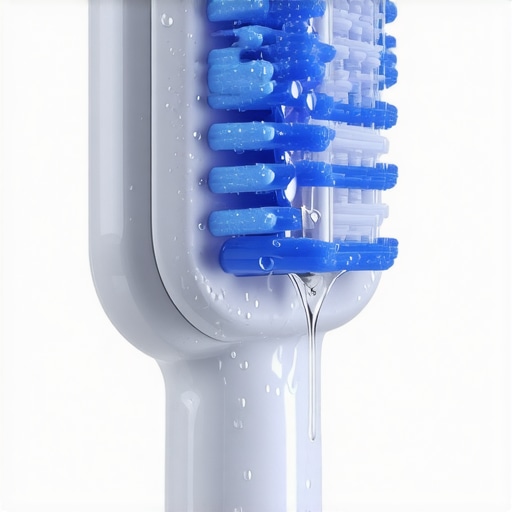
Once you’ve moved past the initial sting of a new filling or the anxiety of a cosmetic tweak, you enter what I call the ‘marathon phase.’ Maintenance isn’t just about showing up for a cleaning twice a year; it’s about the hardware you use at 11 PM on a Tuesday. Personally, I stopped using manual brushes years ago because I realized I was just guessing at the pressure. I switched to a sonic brush with a built-in pressure sensor—specifically one that vibrates at 62,000 brush movements per minute. This isn’t just a tech gadget; it’s about fluid dynamics. The vibrations create microbubbles that reach deep between teeth where a bristle literally cannot fit. If you want to dive deeper into these methods, check out the ultimate guide to teeth cleaning techniques and benefits to see why these high-tech tools matter for your longevity.
Why Your Manual Brush Is Probably Failing You
I’ve found that even the most dedicated patients often miss the ‘sulcus’—that tiny pocket where the gum meets the tooth. This is where bacteria throw a party, and it’s where most family dentistry tips start to fail if you aren’t precise. I recommend using a Waterpik with a specialized ‘Pik Pocket’ tip. It allows you to deliver a low-pressure stream of water or antimicrobial rinse directly into the source of potential inflammation. According to the Cochrane Database of Systematic Reviews, powered toothbrushes provide a 21% reduction in plaque after three months compared to manual ones. This isn’t just a marginal gain; it’s the difference between a healthy gum line and chronic irritation that could ruin your expensive cosmetic work.
How do I maintain my dental investment over time?
The secret isn’t just the ‘how,’ but the ‘what.’ Beyond the tools, you need to think about the chemistry of your mouth. I personally use a pH-balancing mouth rinse after my morning coffee to neutralize acidity immediately. If you leave your mouth in an acidic state, your enamel is essentially ‘soft’ for thirty minutes, making it susceptible to wear even from your toothbrush. Following expert advice for a lifetime of healthy teeth means understanding that your saliva is your best natural defense, but sometimes it needs a boost from calcium-rich snacks or hydroxyapatite-based pastes. This proactive approach is exactly how regular dental cleanings can save you money in the long run, as they catch the microscopic breakdown of these materials before they require a full replacement.
The Coming Era of Self-Healing Enamel
Looking ahead, I predict that the next five years will shift from ‘repairing’ teeth to ‘regenerating’ them. We are already seeing the early stages of innovations in cosmetic dentistry that use bio-active glass to fuse with natural tooth structure. Instead of just plugging a hole with resin, we will be using materials that actually ‘talk’ to your body’s minerals. It sounds like science fiction, but the transition from reactive to restorative care is happening now. If you want to stay ahead of the curve, I challenge you to try this one tip: switch to a toothpaste containing nano-hydroxyapatite tonight. It’s the same mineral your teeth are made of, and it can help ‘plug’ those sensitive tubules we discussed earlier. If you’re ready to see how these modern tools can transform your routine, don’t hesitate to contact us for a personalized assessment.
The Realizations That Changed My Recovery Process
One major lightbulb moment for me was realizing that post-filling sensitivity isn’t just about the tooth being ‘fixed.’ It’s about the periodontium—the supporting structures—settling back into place. I used to think if it hurt, the dentist failed. Now I know that oral health myths debunked often point to our own impatience being the biggest hurdle. Another shocker? Sensitivity can actually be ‘referred.’ Sometimes the sugar irritates a microscopic gap in a different tooth nearby, but your brain maps the pain to the new filling because that’s where your focus is. Lastly, the ‘sugar zing’ is often a temporary dehydration of the tooth; staying hyper-hydrated with plain water during the first 48 hours is a strategy I never see mentioned, yet it significantly buffered my own discomfort.
#IMAGE_PLACEHOLDER_E#
The Specific Kit I Use for Longevity
If you want to move beyond the cycle of ‘fill and pain,’ you need a specialized toolkit. I swear by three specific items. First, a sonic toothbrush with a real-time pressure sensor is non-negotiable; it prevents the aggressive scrubbing that wears down your enamel. Second, I recommend a high-quality water flosser to keep the area around new dental work clean without the friction of traditional floss. Finally, look for a remineralizing paste with nano-hydroxyapatite. It’s a game-changer for anyone exploring the impact of cosmetic dentistry in 2025, as it helps maintain the integrity of both natural teeth and resin bonds. These aren’t just gadgets; they are investments that explain how regular dental cleanings can save you money in the long run by reducing the need for emergency fixes.
Take Charge of Your Smile Today
You don’t have to live in fear of your favorite treats or dread the next ‘zing’ from a simple cookie. By understanding the science of how your teeth react to changes and using the right tools, you can maintain your oral health with total confidence. The future of your smile is in your hands, and with a little bit of patience and the right professional support, that sensitivity will soon be a distant memory. If you’re feeling unsure about your recent dental work or just want a professional to take a look, please reach out and contact us to get the clarity you deserve. Have you ever had a filling that felt sensitive to sugar for longer than a week? Let me know in the comments below!