
I leaned in for a goodnight snuggle, expecting that sweet baby scent, but instead, I got a face full of what I can only describe as morning-after garlic bread. I had just spent ten minutes wrestling him to brush those tiny teeth! It’s a gut-punching moment for any parent. You start questioning everything: Are they sick? Is my teeth cleaning technique that bad? Do I need to call a specialist in family dentistry right now? I remember feeling like a total failure, scrubbing away while that pungent odor persisted. It’s a common struggle, but it usually isn’t about the teeth themselves. Today, we are going to pinpoint exactly where that smell is hiding and how you can reclaim those sweet-smelling cuddles without the stress.
Why the toothbrush alone isn’t saving your nose
I used to think that if I saw white teeth, I’d won the dental battle. I was wrong. My biggest mistake early on was ignoring the tongue and the back of the throat. That tiny pink muscle is basically a shag carpet for bacteria. I also didn’t realize that why your child’s posture and breathing could lead to mouth breathing at night, which dries out the saliva that’s supposed to wash away odors. According to the American Academy of Pediatric Dentistry, bacteria can thrive in the crevices of the tongue and tonsils even if the enamel is spotless. It’s frustrating when you’re doing the work but not getting the results.
Is this stinky breath just a normal phase?
Some parents worry that it’s a sign of a deep-seated infection, and while that’s possible, it’s often just a matter of technique and hydration. If you’ve ever felt like you’re scrubbing for nothing while that old sock smell lingers, you aren’t alone. We need to look at the factors beyond the bristles. Have you noticed the smell is worse in the morning or does it stay pungent all day? Let’s dive into the hidden spots we often miss during the bedtime routine, including the best way to clean your tongue effectively.
Clean the shag carpet on their tongue
If you look closely at your child’s tongue, it’s not smooth; it’s covered in tiny bumps called papillae. These act like a deep-pile rug, trapping food particles and dead cells. I learned this the hard way when my son’s breath still smelled like a locker room after a three-minute brush. I tried a standard scraper, but it was too aggressive. The trick is to use a soft-bristled brush or a dedicated silicone tool. You want to sweep from the back to the front gently. It sounds simple, but mastering the best way to clean your tongue without causing a scene is a game-changer. My first attempt involved a metal scraper that was way too big for his mouth, resulting in a gag-reflex-induced disaster that required a full change of pajamas. Now, we use a small, soft brush, and the difference is night and day. 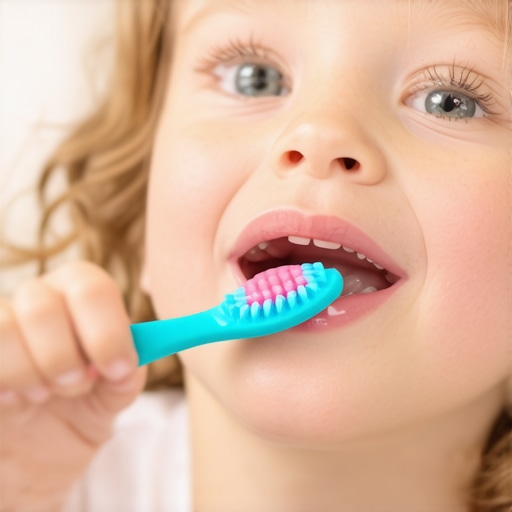
Keep the saliva flowing to wash away smells
Saliva is your child’s natural defense against the bacteria that cause stinky breath. Think of it as a constant, gentle power wash for the mouth. When a child breathes through their mouth—often due to congestion or even why your child’s posture and breathing affect their jaw—the mouth dries out. This creates a stagnant environment where bacteria throw a party. I started making sure my little one had a full glass of water right before bed and first thing in the morning. It’s one of the simplest family dental care hacks I’ve found. If you find your child is always thirsty or their mouth feels like cotton, you might be dealing with why your mouth feels dry even when you drink plenty of water, which requires a closer look at their nighttime habits.
Floss those hidden gaps where food rots
Brushing only cleans about 60% of the tooth’s surface. The other 40% is tucked away in tight spaces where your toothbrush can’t reach. If your child has teeth that touch, food gets trapped and literally begins to decay, emitting a sulfur-like odor. I used to skip flossing because it felt like wrestling an alligator, but then I realized it was the source of that ‘old onion’ smell. Even if you think you’re safe, you might wonder why your breath smells like onions when you haven’t eaten any; in kids, it is often that decaying protein between the molars. Learning how to stop your kids from getting cavities between their teeth is simultaneously the best way to keep their breath fresh. We switched to those small flosser picks, and making it a ‘find the hidden treasure’ game made the process much less of a chore.Wait, if the flossing doesn’t work, don’t reach for the blue bottle of mouthwash just yet. Let’s dig deeper into why your current routine might be backfiring. Most parents assume that if a cleaning routine isn’t working, they need to ‘up the intensity’ with stronger products. This is the mouthwash trap. I used to think a quick rinse with an alcohol-based mouthwash was the ultimate finishing move. In reality, alcohol-based rinses can be a major ‘oops’ factor; they dry out the oral mucosa, which kills the beneficial bacteria and stops the flow of saliva, leading to an even worse odor an hour later. This is just one of the many oral health myths busted that changed how I approach my family’s routine. I’ve even seen well-meaning parents try the truth about using hydrogen peroxide as a mouthwash, which can be far too harsh for a child’s delicate oral microbiome.
Why does the sulfur smell persist even after a thorough cleaning?
If you are scrubbing and flossing but that ‘rotten egg’ scent remains, you are likely dealing with Volatile Sulfur Compounds (VSCs). These are produced by anaerobic bacteria that hide in oxygen-deprived zones, such as deep tonsil crypts or the very back of the tongue. A study published in the Journal of Breath Research emphasizes that mechanical cleaning of the tongue’s posterior is often more effective at reducing VSCs than any chemical rinse. This explains why your breath smells like sulfur despite flossing daily. It isn’t about how hard you brush; it’s about exactly where you are reaching. 
Trade the aggressive scrubbing for a smarter sweep
Another common mistake is the ‘more power’ approach. I see so many parents buying the firmest toothbrushes available, thinking they’ll scrape away the smell. But aggressive scrubbing is a trap that leads to gum recession and enamel wear. For children, you should always stick to gentle teeth cleaning techniques using soft bristles. We also need to be careful with ‘whitening’ trends for kids; the truth about whitening toothpaste is that many are far too abrasive for young teeth and can cause sensitivity without actually solving the odor problem. I even experimented with holistic trends, but the truth about oil pulling is that it cannot replace the physical removal of plaque between teeth. Consistency in maintaining oral health is about the precision of your technique, not the force of your hand. Have you ever fallen into this trap of thinking stronger products meant better results? Let me know in the comments.Ditch the manual brush for something smarter. I used to think a five-dollar plastic brush was all I needed, but I was wrong. Transitioning to a high-quality electric toothbrush was the turning point for my family’s dental health. Specifically, I look for models with an oscillating-rotating head. A 2021 study in the Cochrane Database of Systematic Reviews confirmed that these specific brushes are significantly more effective at reducing plaque and gingivitis than manual versions over both short and long durations. I personally use one with a visible pressure sensor—it flashes red if I’m being too aggressive. This is one of those family dentistry tips that make oral care effortless and effective because it physically prevents the enamel wear and gum recession that often come from over-zealous cleaning. The one tool that changed my morning routine. If you still struggle with the persistent smells I mentioned earlier, it is time to invest in a water flosser. My kids treat it like a mini-water gun, which makes the bedtime battle a lot easier to win. It flushes out the protein-rich debris from under the gumline where standard floss sometimes just pushes it deeper. This proactive approach to maintaining oral health is the best defense against the volatile sulfur compounds that cause bad breath. We’ve found that how regular dental cleanings can save you money in the long run is directly tied to how well you manage these hidden spaces at home.
How can I keep my family’s breath fresh for the long haul?
The secret to long-term success is a mix of tech and routine. I predict that we are entering an era of ‘smart’ oral care where salivary diagnostics will become common. Instead of waiting for a cavity to hurt, we’ll use home kits to analyze the pH levels and bacterial balance in our spit. This tech is already beginning to overlap with cosmetic dentistry innovations you can’t miss this year. For now, stay grounded in preventive tips for long-lasting dental health for families, such as swapping out your brush heads every ninety days and cleaning your tongue every single morning. 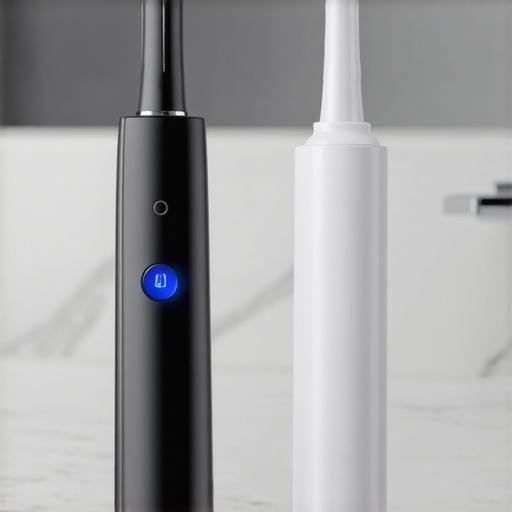 Professional oversight is still the gold standard for top 5 secrets to maintaining perfect oral health as a family. A dentist can spot a loose seal or a micro-crack that acts as a haven for bacteria long before you smell the results. If you want to jumpstart your progress, try the ‘water flosser challenge’: Use it every night for seven days straight. You’ll be amazed at what the toothbrush leaves behind, and your ‘morning-after garlic bread’ breath will finally be a distant memory.
The real reason that ‘clean’ breath never seems to last
After years of trial and error in our household, I’ve realized that consistency beats intensity every single time. Here are the lightbulb moments that finally cleared the air for us:
- The tongue is a literal magnet for odor. I spent years scrubbing enamel, but once we started focusing on the very back of the tongue, the ‘morning-after garlic’ scent vanished. Use a soft brush to avoid the gag reflex.
- Hydration is your best friend. A dry mouth is a stinky mouth. Encouraging a glass of water right before bed helps maintain saliva flow, which is nature’s way of maintaining oral health overnight.
- Don’t fall for the ‘minty’ mask. Most generic mouthwashes just cover up smells with alcohol that dries out the gums. We stopped using them and saw a huge improvement by sticking to preventive tips for long-lasting dental health for families instead.
- Technique over power. I stopped buying ‘firm’ brushes and switched to gentle teeth cleaning methods. It turns out that aggressive scrubbing was actually making his gums more prone to trapping bacteria.
My secret weapon toolkit for fresh family smiles
If you want to move beyond the basic toothbrush, these are the tools I personally swear by for my family:
1. The Water Flosser: This is the single best investment I made. It’s much more fun for kids than traditional string, and it gets into those tight spaces that cause smelly breath when food gets stuck. 2. Oscillating-Rotating Toothbrushes: These do the hard work for you, ensuring a deeper clean without the manual struggle. 3. Silicone Tongue Brushes: They are much gentler than metal scrapers and don’t trigger that dreaded gagging. 4. Professional Guidance: I always keep our appointments for family dentistry twice a year to catch tiny issues before they become smelly ones.
Reclaim those morning snuggles for good
You don’t have to live with that pungent ‘old sock’ smell coming from your sweet toddler. By shifting your focus from just the teeth to the entire oral environment—the tongue, the hydration, and the hidden gaps—you can restore their naturally fresh breath. It takes a little patience to build these family dental care hacks into your routine, but the results are worth every second. Your child deserves a healthy smile, and you deserve a morning cuddle that doesn’t make you hold your breath. Let’s make fresh breath the new family standard!
Have you ever struggled with getting your child to let you brush their tongue? Let me know your best tips below!