
I was standing in the middle of a grocery store aisle, chatting with an old friend I hadn’t seen in years, when I saw it. That subtle, almost imperceptible flinch. They didn’t say anything, but they definitely took a half-step back as they turned their head slightly to the side. My heart sank. I hadn’t touched an onion in three days, yet I could taste that unmistakable, sharp, sulfurous tang clinging to the back of my throat. It was humiliating. I’d brushed, I’d flossed, and I’d even gargled with enough stinging mouthwash to power a small engine, but the ‘oniony’ ghost remained. If you’ve ever felt that frantic need to cover your mouth while speaking, even after a fresh cleaning, you aren’t alone. Today, we’re going to peel back the layers of why your breath is betraying you and how we can finally get you feeling confident enough to talk to someone face-to-face again. Have you ever felt like no matter what you do, that kitchen-scented cloud just follows you around?
The Hidden Science of the Ghost Onion Scent
It’s a bizarre sensation, isn’t it? You skip the shallots at dinner and avoid the garlic knots at lunch, yet you wake up smelling like a deli prep station. Most of us assume it’s just morning breath on steroids, but when it lingers through the afternoon, it’s usually a sign that sulfur-producing bacteria have set up a permanent camp in your mouth. I used to make the massive mistake of just chain-chewing peppermint gum to mask the odor. Little did I know, the sugar in that gum was basically a buffet for the very microbes making my breath smell like a sauté pan. I was accidentally feeding the monster I was trying to kill. Sometimes, the issue is simply that your mouth is too dry to defend itself. This happens quite often, and it is a major factor in the reason your mouth feels dry even when you drink water. Without enough saliva to wash away those volatile sulfur compounds (VSCs), they just sit on your tongue and ferment, creating that pungent aroma.
Could my daily habits be making the stench worse?
That’s the fear that kept me up at night—wondering if I was doing something wrong or if my internal organs were somehow failing. While it’s rare, that onion scent can occasionally be linked to things like acid reflux or even certain medications. However, more often than not, it’s a localized dental problem that’s just been overlooked in your routine. According to the National Institute of Dental and Craniofacial Research, there are over 700 species of bacteria that can inhabit the human mouth, and certain strains are absolute specialists in producing sulfur. This is exactly why your dentist wants you to use a tongue scraper; that thin white coating on your tongue is essentially a skyscraper of stinky bacteria that a toothbrush alone can’t always knock down. I’ve learned the hard way that missing these small steps leads to bigger problems. We’re going to look at how regular teeth cleaning can prevent major dental issues like chronic halitosis from becoming your daily reality. We’re going to fix this together, starting with the simple adjustments you can make in your bathroom tonight to reclaim your breath.
Stop the Sulfur at the Source
Think of your mouth as a high-traffic kitchen. If you don’t sweep the floors and wipe the counters every single night, the scraps start to rot. Those sulfur-producing bacteria thrive in the dark, oxygen-poor crevices of your gums and the deep grooves of your tongue. To break their hold, you have to move beyond just surface brushing. I remember the first time I finally integrated a water flosser into my routine; it felt like power-washing a sidewalk. The amount of debris that emerged from between my back molars—spots I thought I was hitting with string floss—was honestly shocking. If you have been struggling with persistent odors, the benefits of using a water flosser for patients with gum disease cannot be overstated. It reaches the pockets where traditional floss snaps right over, flushing out the very sulfur compounds that create that ‘onion’ cloud. By disrupting these colonies daily, you aren’t just masking the smell; you are dismantling the factory that produces it.
Why Your Toothbrush Isn’t Reaching the Real Problem
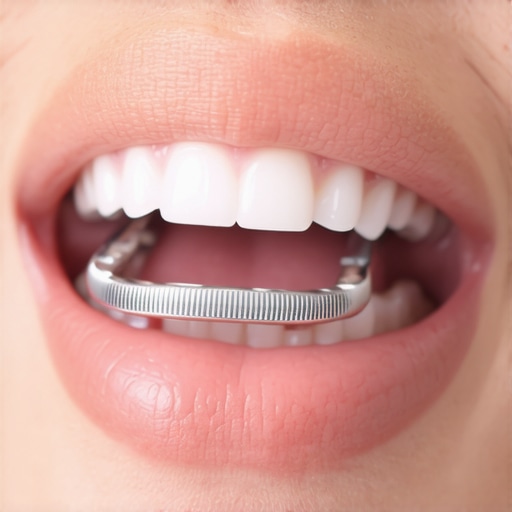
Your tongue is basically a shag carpet for microbes. If you only use a toothbrush, you are just pushing the bacteria deeper into the fibers. This is where a dedicated scraper becomes your best friend. Start at the very back of the tongue and pull forward with firm, even pressure. When I first started this, the result was immediate. That heavy, film-like feeling disappeared, and for the first time in months, I didn’t feel the need to pop a mint five minutes after breakfast. It is a critical part of the ultimate guide to teeth cleaning techniques and benefits. If you are worried about your gums while doing this, make sure you know how to choose the right toothbrush bristle strength for your gums so you don’t cause unnecessary irritation while you clean.
Wash Away the Acids with Better Hydration
Saliva is your body’s natural mouthwash. It’s packed with minerals and enzymes that neutralize acid and kill off the bad guys. When your mouth goes dry—whether from caffeine, mouth-breathing, or stress—those sulfur-producing bacteria go into overdrive because there is nothing to rinse them away. I used to carry a giant water bottle everywhere, yet my mouth still felt like a desert until I realized I was drinking the wrong way. Gulping a liter of water once every three hours doesn’t help; you need consistent, small sips throughout the day to keep the salivary glands active. You might even find that the truth about oil pulling for whiter teeth and healthy gums offers an alternative way to moisturize the oral mucosa and pull out fat-soluble toxins that water alone can’t touch. Keeping the environment ‘wet’ ensures that those onion-scented gases stay dissolved in liquid rather than escaping into the air every time you open your mouth to speak.
Let a Professional Handle the Deep Pockets
Sometimes, the sulfur has calcified. Once bacteria harden into tartar (calculus), no amount of home scrubbing will budge it. This ‘bio-film’ acts like a protective shield for the stench-causing microbes. I ignored my six-month checkup once during a busy year, and by month nine, no matter how much I brushed, that metallic tang was back. A professional scale and polish is essentially a reset button for your mouth’s ecosystem. Not only does it remove the physical source of the odor, but how regular dental cleanings can save you money in the long run becomes obvious when you realize you’re preventing expensive gum treatments later. It’s the difference between doing the dishes and hiring a professional crew to deep-clean the entire restaurant; sometimes you just need that professional-grade intervention to truly start fresh.
It’s easy to think that if you just scrub harder or use a stronger rinse, the smell will vanish. But here’s the nuance most people miss: your mouth is a delicate ecosystem, not a kitchen floor. One of the biggest oral health myths debunked recently is the idea that a ‘sterile’ mouth is a healthy one. When you use high-alcohol mouthwashes, you are essentially napalming your oral microbiome. While it kills the sulfur-producers, it also wipes out the beneficial bacteria that keep those smells in check. This leads to a ‘rebound’ effect where the bad bacteria grow back faster and more aggressively than before. Have you ever fallen into this trap? Let me know in the comments.
Stop Over-Scrubbing Your Mouth Into a Desert
The common belief is that more friction equals less odor. In my experience, aggressive brushing actually creates micro-tears in the gum tissue, providing new, oxygen-poor hiding spots for the very sulfur-producing bacteria you are trying to eliminate. Instead of a deep scrub, think of your routine as gentle management. This nuance is especially critical when dealing with family dentistry tips that make oral care effortless; we often teach kids to brush hard, but we should be teaching them to brush smart. If you notice your teeth look yellow even though you brush twice daily, you might actually be wearing down your enamel, exposing the porous dentin that absorbs odors and stains more easily. To correct this, you must learn how to whiten your teeth if you have naturally thin enamel without using abrasive charcoals or harsh acids that worsen the ‘onion’ scent cycle.
Why Do Some Smiles Smell Bad Even After Cosmetic Work?
Another sophisticated nuance involves the aesthetic side of dentistry. I often see patients who invest in cosmetic dentistry innovations you can’t miss but neglect the underlying health of the margins. If a crown or veneer isn’t fitted with microscopic precision, it creates a ‘ledge’—a tiny shelf where food particles and bacteria hide, fermenting into that unmistakable sulfur aroma. You might have a Hollywood smile, but if those margins are leaking, the odor will persist regardless of your hygiene habits. According to a study published in the Journal of Oral Microbiology, the diversity of your oral flora is more important than its total elimination; a balanced mouth naturally suppresses odor-causing pathogens without the need for harsh chemicals.
The Hidden Trap of Alcohol-Based Mouthwash
The ‘oops’ factor I see most often is the reliance on the ‘burn’ of a mouthwash to signify cleanliness. That stinging sensation is usually alcohol, which is a desiccant. It dries out your tissues, reducing saliva flow and creating an acidic environment where sulfur-producing bacteria thrive. This is the ultimate irony: the product you use to fix the smell is likely the reason the smell returns an hour later. If you want a long-term solution, look for oxygenating rinses that neutralize VSCs without dehydrating the mouth. This approach is one of the most effective preventive tips for long-lasting dental health for families because it protects the moisture barrier of the gums. By shifting from a ‘search and destroy’ mindset to one of ‘balance and hydrate,’ you can finally stop the ghost onion scent from haunting your social life. Have you noticed your mouth feels drier after using certain brands? Let’s discuss what worked for you below.
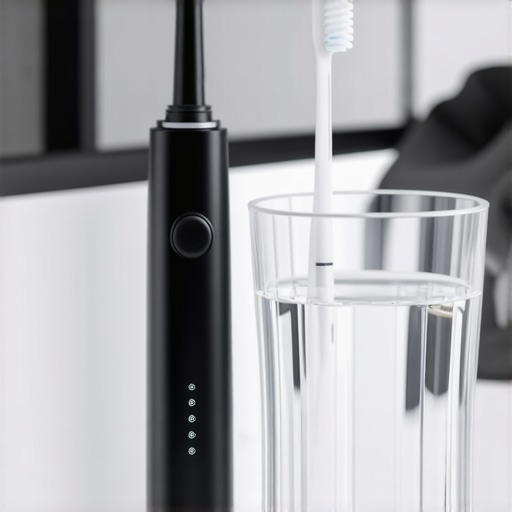
I finally had to admit that my ‘manual labor’ approach to brushing was failing me. I was scrubbing so hard my gums were screaming, yet that sulfurous cloud remained. The turning point came when I stopped treating my mouth like a crime scene and started treating it like a high-tech garden. I traded my old plastic brush for an oscillating-rotating electric model with a built-in pressure sensor. This isn’t just about the gadgetry; it’s about the physics of plaque removal. According to a comprehensive meta-analysis by the Cochrane Library, electric toothbrushes—specifically those with oscillating-rotating technology—consistently outperform manual brushing in reducing plaque and gingivitis over both short and long terms. For me, the pressure sensor was the real game-changer; it forced me to stop the aggressive scrubbing that was causing my gums to recede and creating the very pockets where onion-scented bacteria hide.
Upgrade Your Tech for Better Breath
Beyond the brush, the most effective tool I’ve added to my bathroom counter is a professional-grade water flosser. I use it with lukewarm water and a tiny splash of non-alcoholic, oxygenating rinse. Why? Because the pressure pulse physically disrupts the anaerobic colonies that live in the ‘dead zones’ between your teeth. If you have any dental work, you know how tricky it is to keep it pristine. I’ve found that specific maintenance is the secret to longevity; for example, learning how to maintain your porcelain veneers so they last twenty years often comes down to this kind of consistent, non-abrasive debris removal. By using tools that focus on flushing rather than scraping, you protect your enamel and your investment. These revolutionary teeth cleaning techniques for 2025 aren’t just for the pros; they are becoming the standard for anyone tired of the mid-afternoon ‘onion’ surprise.
How do I keep my breath fresh for years to come?
Maintenance isn’t a one-time event; it’s a rhythm. For my family, this meant moving away from a ‘fix it when it hurts’ mentality to a proactive strategy. We started implementing top 5 secrets to maintaining perfect oral health as a family, which focuses on neutralizing acidity after meals and keeping a consistent schedule. It’s also about knowing when to call in the experts. I used to think I was saving money by skipping a cleaning, but seeing how regular dental cleanings can save you money in the long run by catching ‘leaking’ margins or early tartar buildup changed my perspective. Long-term success involves a mix of the right at-home tools and professional expert advice for a lifetime of healthy teeth. If you can keep the environment of your mouth oxygenated and hydrated, the bacteria that produce those sulfur smells simply cannot survive.
The Future of Breath Management and Oral Microbiomes
Looking ahead, I predict we are going to see a massive shift toward personalized microbiome testing. We’re already seeing cosmetic dentistry trends that transform your smile this year focusing more on biological health than just white paint. Soon, we won’t just guess why our breath smells; we will use home kits to identify exactly which strain of bacteria is overpopulating and use targeted probiotics to crowd them out. This is a far cry from the ‘kill everything’ approach of the past. We are entering an era of ‘precision dentistry’ where we balance the scales rather than just scrubbing them. If you want to jumpstart this process today, I highly recommend swapping your current mouthwash for a pH-neutralizing, alcohol-free version tonight. It’s the single fastest way to stop the rebound effect and give your natural defenses a chance to breathe.
The Realization That Stopped My Constant Breath Anxiety
Looking back at my struggle with persistent oniony breath, I’ve realized that the hardest part wasn’t just the smell itself, but the social isolation it caused. Here are a few lightbulb moments that changed everything for me: First, I had to accept that my mouth isn’t a crime scene to be bleached; it is a delicate ecosystem. When I stopped using harsh, alcohol-based chemicals, my natural defenses actually started working again. This is one of the most common oral health myths debunked—killing every microbe is never the answer. Second, I learned that ‘clean’ doesn’t mean ‘dry.’ A moist mouth is a healthy one. Finally, I discovered that maintaining oral health is about consistency, not intensity. Scrubbing harder only hurts; brushing smarter heals.
The Tools That Finally Silenced the Sulfur
If you’re ready to build your own defense kit, I recommend starting with tools that focus on oxygenation and gentle debris removal. I personally trust an electric toothbrush with a pressure sensor because it removes the guesswork and prevents me from damaging my gums while hunting for bacteria. For the deep-seated odors, a dedicated stainless steel tongue scraper is non-negotiable. I also rely on the ultimate guide to teeth cleaning techniques and benefits to ensure I’m not missing any ‘blind spots’ where sulfur-producing bacteria ferment. Don’t forget that how regular dental cleanings can save you money in the long run applies here too; a professional can reach the tartar that home tools simply can’t touch. These family dentistry tips that make oral care effortless and effective have transformed my morning routine from a frantic chore into a confidence-boosting ritual.
#IMAGE_PLACEHOLDER_E#
Step Back Into Your Social Life with Renewed Confidence
You don’t have to live with the fear of a ‘ghost onion’ ruining your social interactions or making you hide your smile. By shifting your focus toward hydration, gentle cleaning, and regular professional care, you can reclaim the freedom to speak, laugh, and lean in without hesitation. Your oral health is the foundation of your social confidence, and taking these small steps today will pay off for a lifetime. Have you noticed that certain types of mouthwash actually make your breath feel drier or worse an hour later? Let me know your experience in the comments below!