
I used to be the “no-teeth” person in every family photo. It wasn’t that I lacked a sense of humor; it was that every time I really let out a laugh, I felt like my gums were the only thing anyone saw. I’d look in the mirror and wonder if my teeth were just naturally tiny or if I was stuck with a “horse-like” smile forever. It’s a specific kind of self-consciousness that makes you hold back your personality.
My Journey from Tight-Lipped Smiles to Showing Some Teeth
I spent years thinking I just had “small teeth.” It was a classic mistake—I assumed the visible part of the tooth was all there was. I even tried scrubbing my gums harder, thinking maybe I could force them to move up, but all I did was create a need for gentle teeth cleaning best practices for sensitive gums. The lightbulb moment happened when a professional explained that my teeth were likely a perfectly normal size, just hiding under a “curtain” of excess tissue. Today, we are going to dive into the science of the “gummy smile”—technically called excessive gingival display—and look at the modern ways cosmetic dentistry can transform your smile in 2025.
Is fixing a gummy smile actually worth the hype?
You might be wondering if it’s just vanity or if these procedures are painful and overpriced. I get it. I was a skeptic too. But when you realize that the American Academy of Cosmetic Dentistry notes that a balanced smile often shows about 2mm or less of gum tissue, it’s not just about “vanity”—it’s about harmony. Have you ever caught yourself covering your mouth when you laugh because of your gum line? If so, you know the mental weight it carries. We’ll explore how enhancing confidence with cosmetic dentistry can change more than just your reflection.
What’s Really Happening When Your Gums Steal the Show
There are a few reasons your smile might look this way. Sometimes it’s the way your adult teeth erupted, other times it’s a hyperactive lip muscle that pulls up too far, or it could even be the shape of your jawbone itself. Understanding the “why” is the first step toward a solution. If you’ve been neglecting your routine because you’re unhappy with the look of your mouth, remember that how regular teeth cleaning can prevent major dental issues still applies, regardless of where your gum line sits. [image placeholder] In the next section, we’ll break down the specific fixes, from laser contouring to simple Botox, that can bring your teeth back into the light.
How Professionals Actually Reshape Your Gum Line
Think of your gum line like the hem of a dress; if it is too low, it hides the design. If it is too high, it looks out of proportion. To fix a gummy smile, we essentially ‘re-hem’ the tissue to reveal the architecture of the teeth underneath. This process is far more precise today than it was even five years ago. Whether your tissue is naturally thick or your lip simply lifts too high, the ‘how’ involves a mix of technology and artistry. Before you jump into a procedure, you should always ensure your foundations are solid. This starts with a deep dive into the ultimate guide to teeth cleaning techniques and benefits to make sure your gums are healthy enough for a cosmetic shift.
Laser Contouring is the Modern Magic Wand
Laser dentistry has completely changed the game for gum reshaping. In the past, dentists used scalpels, which meant stitches and a long healing process. Now, we use a specialized soft-tissue laser to vaporize excess gum tissue with pinpoint accuracy. The laser cauterizes as it goes, which means there is almost no bleeding. I remember my own ‘aha’ moment when I finally sat in the chair for a consultation. I was terrified of a ‘Star Wars’ beam cutting through my mouth, but the reality was incredibly quiet and fast. The weirdest part? My teeth suddenly felt massive. It is very similar to the reason your teeth feel taller after getting a new filling—your brain just needs a few days to recalibrate to the new landscape. 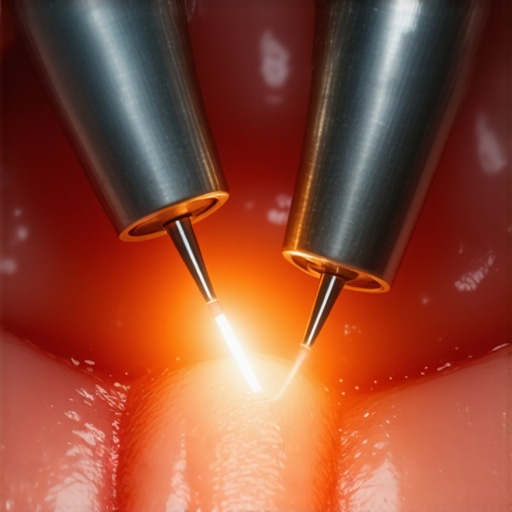
Relax Your Upper Lip with a Botox Hack
Sometimes the gums aren’t the problem at all; it is the muscle in your upper lip. If that muscle is hyperactive, it pulls the lip too far up when you laugh, exposing the ‘curtain.’ A very common and non-invasive fix is using small amounts of Botox to ‘freeze’ that upward pull just enough so the lip sits comfortably over the gum line. This is a great solution if you’ve noticed why your smile looks uneven when you talk. It is temporary, lasting about three to six months, but it serves as a great ‘test drive’ to see how a more balanced smile feels.
Lengthen Your Teeth with Custom Porcelain
In cases where the teeth truly are smaller than average, or if they have been worn down by grinding, we look toward contouring veneers the future of cosmetic dentistry revealed. By placing thin shells of porcelain over the natural tooth, we can literally extend the length of the tooth downward. This creates the illusion of less gum by changing the ratio of the smile. This is one of the most popular cosmetic dentistry trends that transform your smile this year because it solves two problems at once: color and proportion.
Protect Your New Look with Proactive Habits
Once you have achieved that balanced look, the work shifts to preservation. Gums are living tissue; they can swell or recede based on how you treat them. Consistent maintaining oral health expert advice for a lifetime of healthy teeth is the only way to ensure your new gum line stays exactly where the dentist placed it. If you let plaque build up, inflammation will make the gums puffy, effectively ‘undoing’ the visual benefits of your contouring. Treat your new smile like a high-end investment that requires a daily polish.
Stop Chasing the Filter-Perfect Smile
It is easy to get swept up in the before-and-after photos on social media, but here is a hard truth that many clinics won’t lead with: a pretty smile that isn’t functional is a clinical liability. I have seen countless patients spend thousands on laser contouring and veneers only to find their teeth chipping or their jaw aching two years later because their bite alignment was ignored. This is one of the most significant oral health myths debunked what you need to know in 2025. Everyone says you should aim for perfect, mathematical symmetry, but in my experience, mimicking the subtle, natural imperfections of your original anatomy leads to a far more sustainable and believable result. Research published in the Journal of Prosthetic Dentistry suggests that ‘dynamic symmetry’—which accounts for the slight natural asymmetries in a human face—is perceived as more attractive and authentic than the ‘uncanny valley’ of perfectly identical teeth.
The Hidden Trap of Over-Contouring
There is a specific technical mistake called ‘violating the biological width’ that every patient should know about. Your body requires a specific amount of space (usually about 2mm) between the base of your gum line and the top of your jawbone. If a dentist removes too much gum tissue during a gummy smile fix without also contouring the bone underneath, your body will fight to reclaim that space. This usually results in chronic inflammation, ‘rebound’ tissue growth, or even bone resorption. This is why the science behind teeth whitening to achieve stunning results fast should never be prioritized over the structural integrity of your periodontium. You cannot simply ‘cut and paste’ a new gum line without respecting the deep bio-mechanics of your mouth. 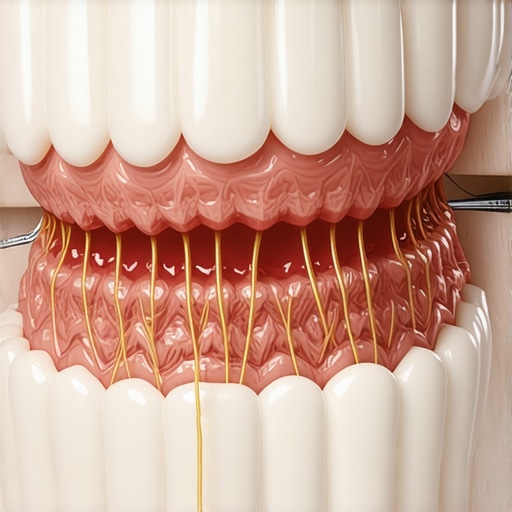
Why does your bite feel off after cosmetic contouring?
Many patients are blindsided when their jaw starts to click or throb after a cosmetic procedure. This ‘oops’ factor occurs because changing the length or shape of your teeth—even by a fraction of a millimeter—changes how your upper and lower sets meet. If the new proportions aren’t calibrated to your unique jaw hinge, you may experience issues like how to tell if your crown is too high for your bite. A truly expert approach involves using articulating paper and digital scans to check your ‘occlusion’ during every step of the process. Without this level of detail, you are essentially putting a fresh coat of paint on a house with a shifting foundation.
Build a Foundation Before You Build a Facade
If you are looking at family dentistry building a foundation of healthy smiles for all ages, you already know that preventative care is the real secret to longevity. Cosmetic work should be the final flourish on a healthy mouth, not a shortcut to mask underlying decay or gum disease. Have you ever fallen into the trap of wanting a quick aesthetic fix only to realize there was much more work to be done underneath? Let me know in the comments. We are in an era where we can do incredible things with lasers and porcelain, but maintaining oral health expert advice for a lifetime of healthy teeth remains the most important tool in any modern dentist’s kit.
Keep Your New Gum Line From Creeping Back
After you have invested in reshaping your smile, the daily grind of maintenance becomes your most important job. I personally swapped my traditional string floss for a high-end water flosser, specifically the Waterpik Aquarius, and I haven’t looked back. Why? Because when you have had gum contouring or veneers, the ‘Plaque Seeker’ tip is a lifesaver. It is designed to reach into the tiny crevices where the prosthetic meets the natural gum tissue without the aggressive sawing motion of manual floss that can irritate sensitive margins. This is a critical part of the benefits of using a water flosser for patients with gum disease or those with cosmetic enhancements. If you are serious about your results, this isn’t an optional upgrade—it is the baseline for preservation. 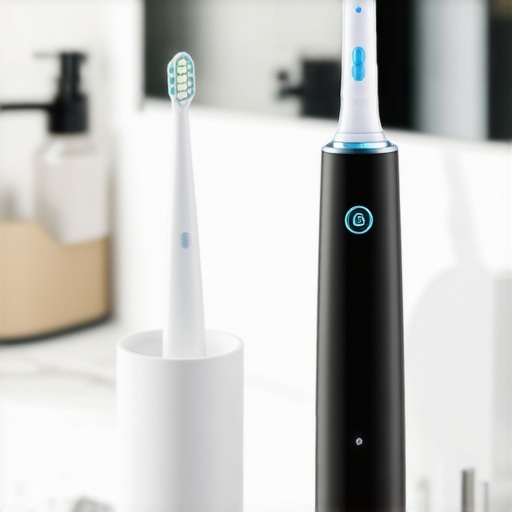
Why I Swear by Electric Brushes with Pressure Sensors
One of the biggest risks after a gummy smile fix is over-brushing. We often get so excited about our new teeth that we scrub them into submission, which ironically causes the gums to recede further or become inflamed. I use the Oral-B iO series because the light ring turns red the second I apply too much pressure. This bio-feedback is essential for how to choose the right toothbrush bristle strength for your gums. According to the American Academy of Periodontology (AAP), the long-term stability of the gingival margin is directly correlated to the patient’s ability to maintain a plaque-free environment at the restorative interface. If you are still using a manual brush, you are essentially guessing your way through your oral health.
How do I maintain my gummy smile results for the long haul?
Maintenance is about consistency and the right professional help. Beyond the daily tools, you need to be militant about your six-month check-ups. I always tell people that how regular dental cleanings can save you money in the long run is especially true for cosmetic patients. During these visits, we use ultrasonic scalers to remove biofilm that your home tools simply can’t touch. I also predict that within the next few years, we will see ‘Teledentistry 2.0’ emerge, where smartphone attachments will allow you to scan your own gum margins and send the data to us for weekly monitoring. This level of proactive care is the future of revolutionary teeth cleaning techniques for 2025. For now, my best advice is to start using a tongue scraper daily; it reduces the overall bacterial load in your mouth, which keeps your gums from becoming puffy and ‘hiding’ those beautiful teeth again. Grab a stainless steel scraper today—it takes ten seconds and changes your entire oral microbiome.
Lessons from the Dental Chair You Won’t Find in a Brochure
After going through the process of reshaping my smile, I realized that the brochures often skip the subtle nuances of recovery and long-term adaptation. First, symmetry is a guideline, not a law; pushing for mathematical perfection can sometimes lead to an unnatural look. Second, be mindful of the space between teeth. If too much tissue is removed, you may need to learn how to fix the black triangles between your teeth that appear when the gum no longer fills the gap. Third, remember that your mouth is a dynamic environment. It is common to wonder why your gums bleed when you floss for the first time in weeks after a procedure, but this is usually just the tissue settling into its new position. Finally, if you choose porcelain to balance your proportions, pay close attention to the shade, as many patients find why your veneers don’t match the rest of your teeth is a much harder fix than the initial gum contouring.
My Personal Toolkit for a Lasting Transformation
To keep my results looking fresh, I have curated a specific set of tools that go beyond the standard toothbrush. I highly recommend a stainless steel scraper; there are many reasons why your dentist wants you to use a tongue scraper, but for me, it’s about preventing the bacterial buildup that causes gum inflammation. If you are a night-grinder like me, finding the best way to soothe a sore jaw from teeth grinding is essential to prevent your teeth from appearing shorter over time. I also suggest keeping a close eye on your older dental work; knowing how to tell if your filling is leaking and needs replacement will save you from infections that could ruin your new gum line.
Your Smile is an Investment in Your Joy
Choosing to address a gummy smile is about more than just aesthetics; it is about the psychological freedom to express joy without hesitation. When you stop worrying about how much gum tissue is showing, you start focusing on the moment. Whether you are curious about enhancing confidence with cosmetic dentistry or are simply ready for a change, the tools and techniques available in 2025 make it safer and more effective than ever. Your smile is the window to your personality—make sure it’s one you are proud to show off. Have you ever held back a laugh because you were self-conscious about your gums? Let me know your story in the comments below.