
I was sitting at my desk, trying to finish a deadline, when the madness started. It wasn’t a toothache. It wasn’t a sharp pain. It was a deep, persistent, and infuriating itch right at the base of my front teeth. I tried drinking ice water. I tried pressing my tongue against it. I even reached in with a fingernail—a move I immediately regretted because it only made the area feel raw. It was like a mosquito bite you can’t reach, and it drove me absolutely up the wall for three straight days before I finally swallowed my pride and called my dentist.
Why You Can’t Stop Thinking About Your Itchy Mouth
If you are reading this while frantically rubbing your tongue against your gums, I see you. I’ve been there. It feels trivial, doesn’t it? You feel silly calling a professional for an ‘itch,’ but your body is actually trying to send you a flare signal. Most of the time, that tingling sensation is a precursor to inflammation or a reaction to something you’ve recently introduced to your routine. Early in my journey of trying to prioritize long-term oral health, I made the mistake of assuming it was just a spicy lunch or a new toothpaste. I ignored it until my gums started to swell, which was a much more expensive problem to fix than a simple itch. Today, I’m going to walk you through exactly why this happens and how you can stop the phantom tickle before it turns into a full-blown dental emergency.
Is This Actually Something to Worry About?
You might be thinking this is just a minor annoyance that will fade by tomorrow. While it’s true that sometimes it is just a popcorn kernel wedged in the wrong spot, persistent itching is often the first stage of gingivitis. According to the American Dental Association, nearly half of all adults over the age of 30 suffer from some form of gum disease. That itch is often the body’s early warning system that bacteria are setting up camp under your gumline. Have you ever felt that strange, tingling urge to just scrub your gums until they bleed? If so, you aren’t alone, but that ‘scrubbing’ instinct can actually do more harm than good if you aren’t using the right technique. Sometimes the culprit is as simple as bleeding gums while flossing for the first time in a while, which triggers a healing response that—you guessed it—itches like crazy. We’re going to narrow down your specific triggers so you can stop the discomfort and get back to your day.
Stop the Tickle with a Simple Kitchen Solution
The first thing I did when that itch became unbearable was reach for the salt. It sounds primitive, but a lukewarm saltwater rinse acts like a cooling mist on a heatwave. Salt is naturally antimicrobial and helps to draw out excess fluid from inflamed tissues. Mix about half a teaspoon of salt into eight ounces of warm water and swish it around for 30 seconds. I remember the first time I did this; I expected a sting, but instead, I felt the localized pressure finally start to ebb. It’s a temporary fix, but it buys you the sanity needed to address the underlying cause. When you’re dealing with gentle teeth cleaning best practices for sensitive gums, this is your foundational step. It calms the nerves before you go in with mechanical tools.
Why Your Current Flossing Habit Might Be the Problem
If you only floss once a week, you aren’t just removing food; you’re disturbing a literal ecosystem of bacteria that has had days to settle in. This disturbance causes an inflammatory response, which is why your gums itch afterward. I once went through a phase where I was ‘aggressive’ with my flossing, thinking I could make up for lost time. I ended up with bleeding and even more irritation. The trick is consistency over intensity. You need to use the ‘C-shape’ technique, wrapping the floss around the base of the tooth and sliding it gently under the gumline. If traditional floss feels like a saw, consider that the benefits of using a water flosser for patients with gum disease are massive. It uses pulsating water to flush out those hard-to-reach pockets without the friction that triggers the itch-scratch cycle in your mouth.
Swap Your Standard Routine for a Targeted Approach
Sometimes the itch is simply a reaction to a buildup of tartar that your toothbrush can’t budge. Think of tartar like a rough wool sweater rubbing against your skin; eventually, it’s going to cause a rash. This is where professional intervention becomes a financial and physical lifesaver. While you can manage symptoms at home, how regular teeth cleaning can prevent major dental issues is the ultimate answer to chronic gum discomfort. A hygienist can remove the calcified deposits that are physically tickling your gum tissue from the inside out. In my case, a single deep cleaning session stopped a month-long itch in forty-five minutes. You should also audit your technique by reviewing the ultimate guide to teeth cleaning techniques and benefits to ensure you aren’t accidentally pushing bacteria deeper into the sulcus. If you find yourself constantly wanting to ‘dig’ at your gums with a toothpick, it’s a sign that the biofilm has matured and needs professional scaling to be fully eradicated.
One of the biggest mistakes I see—and I fell for this too—is trying to mask the discomfort with cosmetic fixes. Most people assume that if their teeth look brighter, their mouth must be healthier. But if you are dealing with a persistent itch, applying whitening chemicals is like pouring gasoline on a campfire. In the world of the science behind teeth whitening, we know that hydrogen peroxide can penetrate microscopic cracks in the enamel and reach sensitive gum tissue. If your gums are already inflamed, this leads to what I call the zing effect—a sharp, itchy pain that lingers for days. This is one of the many oral health myths debunked in 2025: you cannot whiten your way out of a hygiene problem. Use professional cleaning as your foundation first.
Why do your gums still itch after a professional cleaning?
It sounds counterintuitive, right? You just paid for a professional to clear out the junk, yet the itch is still there—or maybe it is even worse. This is usually due to the healing itch. When tartar is removed from deep pockets, the gum tissue finally has room to breathe and begin the process of reattaching to the tooth root. This cellular regeneration can cause a tingling sensation very similar to the one you feel when a skin wound scabs over. According to the American Academy of Periodontology, this is often a sign that your immune system is finally winning the battle against local bacteria. However, you need to know how to manage tooth sensitivity after a professional scale and polish so you do not mistake this necessary healing for a new infection. Let us talk about a contrarian truth: your extra-firm toothbrush might actually be your greatest enemy. We are conditioned to believe that harder scrubbing equals more cleanliness, but the reality is that your gums are made of delicate mucosal tissue. If you scrub too hard, you create micro-abrasions that itch as they heal, leading to an endless cycle of irritation. I have found that switching to an ultra-soft brush and focusing on a gentle circular motion rather than a horizontal sawing motion makes all the difference in gum comfort. Investing in professional maintenance early is vital, and understanding how regular dental cleanings can save you money in the long run helps you realize that the dentist is not just checking for cavities; they are preventing the structural recession that causes permanent, chronic itchiness. Have you ever fallen into the trap of thinking a harder brush was better for your gums? Let me know in the comments below!Once you move past the emergency phase of ‘the itch,’ you enter the maintenance phase. This is where most people drop the ball. I used to think a quick brush was enough, but I have learned that the right tools make the difference between a healthy mouth and a ‘surviving’ mouth. My absolute favorite tool is the stainless steel tongue scraper. I started using it after my hygienist explained that the tongue is a carpet for the very bacteria that cause gum inflammation. It is a total game-changer for your morning routine. You can learn more about why your dentist wants you to use a tongue scraper to refresh your breath and protect your gums. Then there is the water flosser. If you have any dental work—crowns, bridges, or even just tight gaps—traditional floss cannot reach the ‘dead zones.’ I personally use a cordless model because the way it flushes the sulcus is something manual floss can never replicate. This is why the benefits of using a water flosser for patients with gum disease are so widely discussed in the dental community; it offers a level of irrigation that prevents that ‘phantom tickle’ from returning.
How do I keep my smile looking brand new for years?
Maintenance is not just about the gadgets you buy; it is about the schedule you keep and the habits you refine. If you have invested in your look, you need to know how to maintain your porcelain veneers so they last twenty years or even longer. This means avoiding the dangerous ‘home-remedy’ traps that pop up on social media. I have seen people recommend brushing with charcoal or lemon juice—please, do not do this. These are abrasive and acidic, and they will strip your enamel or damage your cosmetic work before you even realize the harm is done. Instead, focus on maintaining oral health with expert advice for a lifetime of healthy teeth, which prioritizes the integrity of your enamel over quick, harsh fixes. 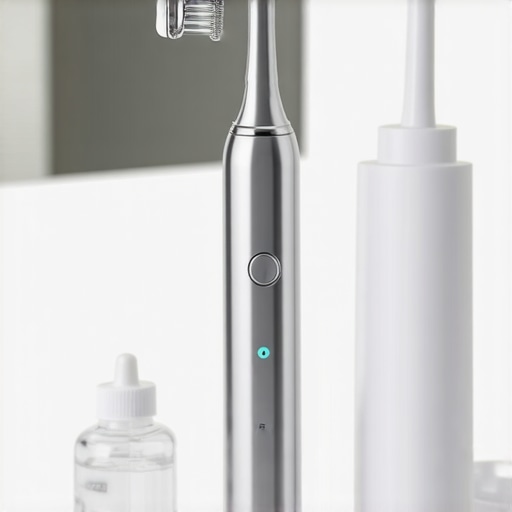 Looking forward, I predict we are going to see a massive shift toward Guided Biofilm Therapy (GBT). This is a high-tech protocol developed by the Swiss company EMS, which uses a specialized ‘airflow’ powder to disclose and then gently remove biofilm without the aggressive scraping of traditional metal instruments. It is becoming the gold standard for revolutionary teeth cleaning techniques for 2025. One expert perspective comes from the British Society of Periodontology (BSP), which emphasizes that ‘personalized mechanical plaque control’ is the cornerstone of preventing recurrence. Essentially, your routine needs to be tailored to your specific mouth architecture, not a one-size-fits-all approach. If you are ready to level up, here is my advanced tip: Start using a ‘disclosing solution’ or tablet once a week before you brush. It is a harmless dye that shows exactly where the plaque is hiding. It is incredibly humbling to see the spots you are missing, even when you think you are a pro. Try it tonight and see for yourself—you might be surprised where that itch was actually hiding.
Lessons My Gums Taught Me the Hard Way
Looking back, that maddening itch was the best thing that happened to my routine because it forced me to stop guessing and start listening. First, I realized that gum health isn’t just about avoiding cavities; it is about the entire support system of your smile. If you ignore the ‘tickle,’ you are essentially ignoring the foundation of family dentistry and building a foundation of healthy smiles for all ages. Second, I learned that ‘feeling’ clean is very different from ‘being’ clean. You can scrub until your gums are raw, but if the biofilm is still tucked away, the itch remains. Finally, I discovered that my mouth is a sensitive ecosystem—introducing harsh whitening products when my gums were already signaling distress was a mistake that set my progress back by weeks. Respecting the tissue is the only way to win.
The No-Nonsense Kit for Daily Comfort
I have tried every drugstore gimmick, but only a few tools have earned a permanent spot in my bathroom cabinet. I swear by my stainless steel tongue scraper; it is the most underrated tool for keeping overall bacteria levels low and preventing the spread of inflammation. Next is the water flosser. It is a total game-changer for getting into the sulcus without the trauma of traditional string floss. I also had to learn how to choose the right toothbrush bristle strength for your gums, eventually landing on an ultra-soft electric head that vibrates rather than oscillates. These tools aren’t just luxuries; they are the frontline defense for your long-term oral health and daily comfort.
#IMAGE_PLACEHOLDER_E#
Your New Chapter of Gum Health
Don’t let a minor itch turn into a major dental bill or a week of lost sleep. Whether you are currently looking into the impact of cosmetic dentistry in 2025 or you just want to get through a workday without your gums tingling, the answer is always proactive maintenance. Your body is talking to you—now it is your turn to listen, adjust your tools, and act. A healthy mouth is a quiet mouth, and you deserve that peace of mind. Have you ever felt that annoying, persistent itch right after you finish flossing? Let me know in the comments below!