
It was a typical, chaotic Tuesday evening when my seven-year-old gave me a wide, toothy grin after brushing, and my heart stopped. Tucked right behind his front baby teeth was a second row of pearly whites poking through his gums like a tiny, misplaced picket fence. My mind immediately went to the worst-case scenarios, imagining years of painful, expensive orthopedic surgery. This double row of teeth is often called "shark teeth" because of how sharks grow rows of replacement teeth. Back then, I panicked and made my first big mistake: I tried to vigorously wiggle the loose baby tooth myself, causing my kid unnecessary pain and a minor gum bleed. I wish I had known that this is a incredibly common milestone in pediatric oral development.
The Double Row Panic and What We Are Fixing Today
Today, we are going to demystify exactly why your child has a shark tooth with the adult tooth behind the baby one, when you actually need to call the professional, and how you can manage this transition without losing your mind. As parents, we often think dental milestones are perfectly linear, but nature loves to take detours. When those permanent teeth start their journey, they are supposed to dissolve the roots of the baby teeth directly above them. Sometimes, they miss the target slightly and sprout up right behind them instead. It is a classic detour, but it is rarely a dental emergency.
Is this bizarre double row actually going to ruin their smile forever?
It is easy to look at those two rows of teeth and worry that your child's permanent alignment is ruined forever. However, the mouth is a remarkably self-correcting system. Have you ever stared into your child's mouth and felt that sudden jolt of panic seeing two teeth squeezed into the space for one? Let me know in the comments if you are staring at a set of shark teeth right now! According to the American Academy of Pediatrics, the natural pressure from your child's tongue is often strong enough to push those newly erupted adult teeth forward into their correct positions once the baby teeth finally fall out. Knowing this would have saved me weeks of sleepless nights and kept our family journey in family dentistry much more peaceful. While some cases do eventually require a quick visit to the clinic to help things along, most resolve on their own with just a little patience and some safe, gentle wiggling at home.
How to Handle the Double Row of Teeth at Home Without Panicking
When my son’s double row first appeared, I wanted to fix it instantly. That was my maternal instinct taking over, but the actual mechanical reality of how jaws develop requires a much more hands-off, strategic approach. Think of the baby tooth as a stubborn wooden stake driven into the ground. If you pull it straight up, you damage the surrounding soil—or in this case, the sensitive gums. Instead, you have to gently wiggle it back and forth over time to loosen the hold. We want to encourage natural shedding while supporting overall pediatric wellness.
Step 1: The Daily Wiggle Test
The very first thing you need to do is establish how loose the baby tooth actually is. Encourage your child to use their own tongue to push the baby tooth forward and backward throughout the day. The tongue is nature’s orthodontic appliance; it exerts constant, gentle pressure that slowly dissolves the remaining root structure. My son and I made a game out of it, tracking how far the tooth could tilt each night before bed. Avoid using your own fingers to force the movement, as adults often apply too much pressure, which can cause painful tears in the delicate gum tissue.

Step 2: Swap to Soft, Fiber-Rich Foods
Many parents instinctively switch to applesauce and soup when they see a loose tooth, fearing that solid foods will cause pain. This is actually a counterproductive step. Harder, fibrous fruits and vegetables—like sliced apples, carrots, or cucumbers—act like natural levers. When your child bites into an apple slice, it naturally pushes against the loose baby tooth, nudging it further out of its socket. One afternoon, after weeks of slow progress, my son took a big bite of a pear, and the stubborn baby tooth popped right out with zero pain. If you want to keep their smile strong during this phase, focus on the best snacks for kids that will not cause instant cavities to keep their teeth clean and structurally sound.
Step 3: Keep the Area Meticulously Clean
When a permanent tooth grows directly behind a baby tooth, it creates a tiny, dark crevice where plaque, bacteria, and food debris love to hide. This tight space is nearly impossible for a standard toothbrush to reach effectively, which increases the risk of early decay. During our ‘shark teeth’ phase, I noticed my son’s breath smelled slightly off, which is a classic sign of trapped food. We had to modify our brushing routine immediately. Gently angle a soft-bristled brush into the gap behind the baby tooth, and introduce a gentle flossing loop to clear out the debris. To ensure you are keeping the rest of their mouth in pristine condition, you can explore standard teeth cleaning secrets that keep plaque at bay during these transitional phases.
Step 4: Know When to Let the Professionals Step In
While most shark teeth resolve on their own within a few weeks or months, there are times when nature needs a helping hand. If the baby tooth is not loose at all, and the adult tooth has erupted to the same height as the surrounding teeth, the baby root is likely completely intact. In these instances, a pediatric dentist may need to perform a simple, quick extraction to clear the path. Do not let this scare you; modern offices use incredible techniques to make the visit stress-free. If your child is nervous, understanding how to calm a child’s anxiety before a dental extraction can make the entire appointment smooth, calm, and entirely tear-free.
While the standard advice to just let nature take its course works for the vast majority of kids, there is a dangerous counter-movement circulating in parenting forums. Some self-proclaimed dental gurus suggest vigorously forcing stubborn baby teeth out to prevent permanent misalignment. This is a massive mistake. In my years tracking dental development, I have seen parents traumatize their children’s gums by taking matters into their own hands too early, which actually disrupts the natural eruption pathway of the permanent tooth.
Why does forcing a stubborn baby tooth out actually make orthodontic issues worse?
When you aggressively force a baby tooth out before its root has naturally resorbed, you risk fracturing the tiny bone socket or tearing the periodontal ligament. The American Academy of Pediatric Dentistry emphasizes that these premature extractions at home can cause localized scar tissue to form. This dense scar tissue acts like a physical barrier, making it even harder for the underlying adult tooth to migrate forward into its correct position. Have you ever fallen into this trap of trying to rush a stubborn tooth? Let me know in the comments!
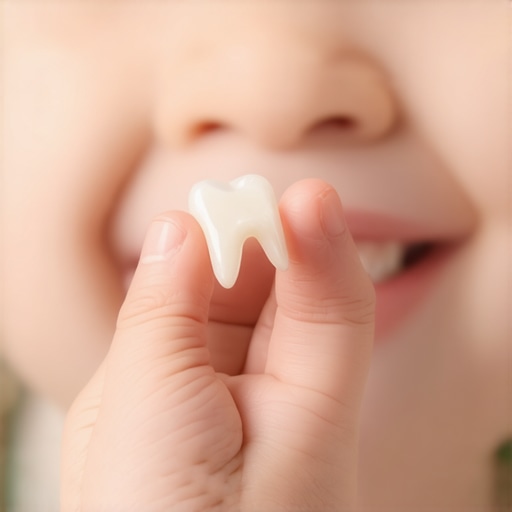
Rather than panic-pulling, our primary focus should be on building a foundation of preventive care. This transition period is the perfect time to explore preventive tips for long-lasting dental health for families to ensure that the surrounding gums stay healthy and infection-free while the adult teeth settle. Understanding the underlying mechanics of jaw growth shows us that patience, coupled with professional observation, is always the safest path to a straight, healthy smile.
Now that we have busted the dangerous myth of forcing those stubborn baby teeth out, we need to focus on how to keep the entire oral system working smoothly over the long haul. When you are managing a developing mouth, you cannot just cross your fingers and hope for the best. You need a proactive, systematic approach to daily hygiene and structural maintenance. Over the years, I have tested various tools and methods with my own family, and I have found that a few highly specific adjustments make a massive difference during these intense transition phases.
How do I maintain my child’s oral health during major dental transitions?
Maintaining a shifting mouth requires looking beyond the basic plastic toothbrush. Personally, I highly recommend switching your child to a high-frequency sonic toothbrush equipped with a pediatric-sized, ultra-soft brush head. I specifically use the sonic style because the rapid micro-vibrations create a dynamic fluid action that pushes water and toothpaste paste into those tight, hard-to-reach crevices between the double row of teeth—areas where manual bristles simply cannot flex. Additionally, introducing a handheld silicone gum massager helps stimulate blood flow to the erupting tissues, which can significantly ease the discomfort of erupting adult teeth.
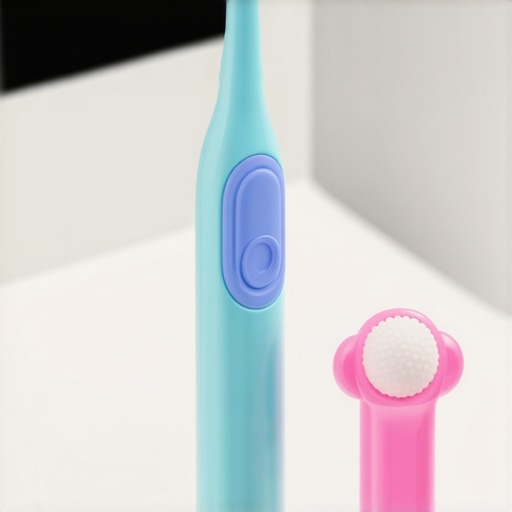
As we look to the future, pediatric dental care is moving toward highly personalized, preventative diagnostics. According to research published by the International Association of Paediatric Dentistry, 3D digital jaw modeling and salivary microbiome testing will soon allow parents to predict exact eruption paths and cavity risks before a permanent tooth even breaks the gumline. For now, we rely on established clinical success. Keeping up with professional cleanings is your best defense, and understanding how regular dental cleanings can save you money in the long run will help you see these visits as an investment rather than an chore. To make daily hygiene effortless, try implementing some simple family dental care hacks to keep your kids smiling daily, ensuring they stay engaged in their own care. I highly encourage you to try the “daily wiggle test” game tonight—let your child lead the way, track their progress, and watch how naturally their smile self-corrects.
When my child first displayed that extra row of teeth, I felt completely overwhelmed by the conflicting advice online. Navigating these transitional dental phases requires a balance of patience, the right tools, and expert guidance to protect your child’s developing jaw.
The Unexpected Truths I Uncovered About Growing Jaws
Through managing my own family’s dental transitions and researching pediatric growth patterns, I learned several critical lessons that completely changed my approach to oral development:
- The tongue is a powerful natural ortho tool: You do not need to force teeth forward; the constant, gentle pressure from everyday talking and swallowing naturally coaxes permanent teeth into their proper alignment once the baby blockades are cleared.
- Wiggling is a slow marathon, not a sprint: Trying to speed up the process by aggressively twisting a semi-stubborn tooth can damage the delicate periodontal tissues underneath, creating unnecessary scar tissue.
- Gum swelling is often a sign of progress: It is incredibly common to wonder why your child’s gums look swollen where a new tooth is coming in, but this is typically just the natural eruption process preparing the path.
The Transition Toolkit Every Parent Needs
When you are managing a changing mouth, these specific resources and tools can keep your child’s developmental journey comfortable and hygienic:
- Silicone Gum Massagers: These are incredible for soothing tender tissues when adult molars or incisors start pushing through the gums behind loose baby teeth.
- The AAP Pediatric Dentistry Guide: This provides an excellent visual timeline of childhood tooth eruption to help you track milestones without unnecessary panic.
- Professional Guidance: Having a trusted pediatric expert to evaluate stubborn roots ensures you know exactly when to step in. Utilizing family dentistry tips that make oral care effortless and effective can turn these milestone checks into positive, routine experiences.
Step Bravely into the Next Phase of Pediatric Wellness
Seeing double rows of teeth can feel alarming, but with a patient approach and proactive hygiene, your child’s mouth will naturally adapt. Embrace this unique milestone as a sign of healthy growth and development. By keeping the area clean, encouraging natural wiggling, and relying on professional support when needed, you are setting up your child for a lifetime of confident, healthy smiles.
Have you noticed a second row of teeth popping up behind your child’s baby teeth recently? Let me know how you are handling the daily wiggle game in the comments below!