
I stood in front of my bathroom mirror ten years ago, crushing up a ripe strawberry and mixing it with a heaping spoonful of baking soda. I’d read in a glossy magazine that this was the all-natural secret to a Hollywood smile on a shoestring budget. At the time, I was a broke college student looking for a quick win before a first date. I looked like something out of a low-budget horror flick—red juice dripping down my chin—but I was convinced I was being incredibly clever. I spent twenty minutes vigorously scrubbing that gritty, sweet-and-salty paste onto my front teeth. When I finally rinsed it off, my teeth didn’t look like polished pearls. They looked exactly the same, but my gums were bright red and every breath of cool air felt like a direct strike to my nerves. I had just committed a massive dental blunder: I was literally sandblasting my enamel with acid.
The Acidic Truth Behind Your Kitchen Sink Experiment
We all want that gleaming, bright smile, but social media has a way of making dangerous things look like genius shortcuts. The logic seems sound on the surface. Strawberries contain malic acid, which can act as a mild bleaching agent, and baking soda is an abrasive that scrubs away surface stains. However, mixing these two creates a slurry that is surprisingly aggressive toward your protective layers. When I tried this, I didn’t realize I was bypassing the science behind teeth whitening and instead was just dissolving the very structure that keeps my teeth strong. A study published in Operative Dentistry actually confirmed my nightmare, finding that this specific mixture failed to provide real whitening and significantly reduced the micro-hardness of the enamel. This is one of those oral health myths busted that every family needs to hear before they reach for the fruit bowl. You aren’t just cleaning; you’re eroding your future smile.
Is rubbing fruit on your teeth actually worth the risk?
The short answer is a resounding no. My mistake was thinking that natural automatically meant safe. In reality, the high concentration of malic acid in strawberries acts as a decalcifier. When you combine that with the grittiness of baking soda, you’re essentially sanding down your teeth while they are in a softened, vulnerable state. If you are desperate for a brighter look, it is far safer to look into teeth cleaning secrets or professional methods that stabilize the pH of your mouth. I learned the hard way that trying to save a few dollars on a pantry hack can lead to expensive treatments for sensitivity later on. We should focus on how to whiten your teeth without making them incredibly sensitive rather than experimenting with kitchen ingredients. Have you ever tried a DIY hack for your smile and immediately regretted it? I’d love to hear your story so we can prevent others from making the same mistakes!
Stop Sandblasting and Start Stabilizing Your Enamel
The first step to a Hollywood smile isn’t found in your pantry; it begins with a clinical baseline. When you use DIY fruit pastes, you are effectively using a sledgehammer to hang a picture frame. Professional methods work because they respect the biological boundary of your teeth. Instead of grinding down the surface, modern treatments focus on oxygenation. Think of it like a deep-cleaning detergent for your laundry versus using a wire brush on a silk shirt. I once tried to ‘buff out’ a stubborn coffee stain using a rough washcloth and some gritty charcoal powder I bought online. Within minutes, my gums were raw, and the stain hadn’t moved an inch because it was internal, not just on the surface. That is why how regular teeth cleaning can prevent major dental issues is the most important concept to grasp before you even think about bleaching. You need a professional to clear away the calcified plaque—which no strawberry can touch—so that the whitening agents can actually reach the enamel underneath.
Get Your Canvas Ready Before You Paint
You wouldn’t paint a dirty wall, and you shouldn’t whiten a mouth that hasn’t been professionally prepped. A scaling and polishing session removes the ‘biofilm’ that blocks whitening agents. This is where smile bright revolutionary teeth cleaning techniques for 2025 come into play. These newer methods use ultrasonic vibrations to shake loose debris without the aggressive scraping I used to fear. When I finally sat in the chair for a real cleaning after my strawberry disaster, the hygienist showed me how much pigment was trapped under a thin layer of tartar. No amount of baking soda was ever going to penetrate that. By starting with a professional cleaning, you ensure the whitening process is even and effective, rather than splotchy.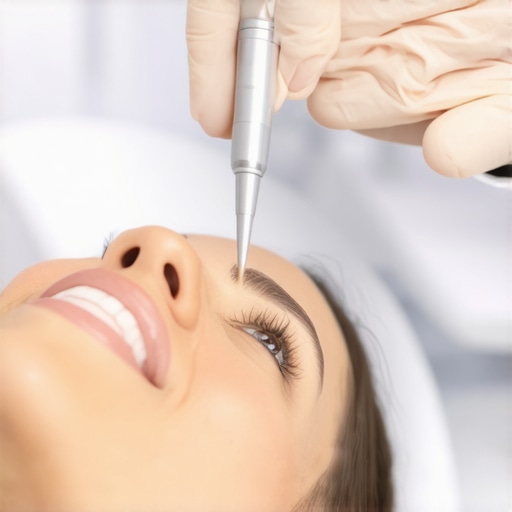
Swap Out Abrasives for Managed Chemistry
If you are looking for home care, stop reaching for the ‘extra whitening’ pastes that feel like sand. Most of the truth about whitening toothpaste does it actually change the color reveals that these products only remove surface stains through friction, often causing sensitivity. Instead, look for products with a stabilized pH. If you have a history of zingers when you drink cold water, you should follow gentle teeth cleaning best practices for sensitive gums. This involves using a soft-bristled brush and circular motions rather than the back-and-forth sawing motion that wears down the gum line. I switched to a high-quality electric brush with a pressure sensor, and it was a game-changer. The first time the red light flashed because I was pressing too hard, I realized I had been ‘scrubbing’ my teeth like a dirty floor for years. By letting the bristles do the work, you preserve the enamel you have left.
Commit to Long-Term Maintenance Protocols
Brightening is not a one-time event; it is a lifestyle of pigment management. This means understanding how to protect your teeth from new stains without causing new damage. For instance, maintaining oral health expert advice for a lifetime of healthy teeth suggests rinsing with water immediately after drinking coffee or tea. This simple habit dilutes the chromogens (pigment-producing substances) before they can bond to your enamel. I started carrying a small bottle of water everywhere, and the difference in my six-month checkups was night and day. My hygienist even asked if I had stopped drinking coffee—I hadn’t, I just stopped letting it sit on my teeth for hours. This proactive approach is far safer than the reactive, desperate ‘hacks’ that lead to permanent sensitivity.But even when you move past the ‘kitchen hacks,’ there are sophisticated errors that many well-meaning brushers commit every morning. We often focus so intently on the shade of our teeth that we neglect the architecture surrounding them. Many patients come to me frustrated that their smile still looks ‘aged’ despite successful whitening. The reality is that the real secret to a youthful smile lies in the gum line and the symmetry of the interdental spaces. For instance, understanding how to fix the black triangles appearing between your teeth is often far more impactful than another round of bleaching. These dark gaps are frequently a sign of bone loss or shifting, which no chemical agent can mask. Furthermore, the common habit of reaching for the strongest disinfectant is often counterproductive. While it feels clean, the truth about using hydrogen peroxide as a mouthwash is that it can disrupt your mouth’s natural microbiome, leading to a cycle of dry mouth and increased bacterial growth.
Why Brushing Right After Breakfast Is Actually a Trap
It sounds logical: you eat, you get food on your teeth, and you brush it away immediately to stay clean. However, this is one of the most common mistakes I see in health-conscious families. If your breakfast includes coffee, orange juice, or fruit, the acid has already begun to temporarily soften your enamel. Brushing during this window is essentially scrubbing away your tooth structure while it is at its most vulnerable. A study published in the Journal of the American Dental Association (JADA) confirms that brushing within 30 to 60 minutes of consuming acidic beverages can significantly accelerate enamel wear. Instead of picking up the brush, you are better off rinsing with plain water and waiting an hour for your saliva to naturally remineralize the surface. This is a crucial nuance for those who wonder why some people are more prone to cavities regardless of hygiene; often, it is not about the lack of effort, but the timing of it. 
How Do I Know if My Sensitivity Is Structural or Just Temporary?
This is the advanced question that distinguishes a basic routine from true oral health management. If you feel a sharp zing when drinking cold water, you might assume you need a sensitive toothpaste. However, the cause could be anything from a micro-fracture to a biological issue. It is essential to learn how to tell the difference between a cavity and a tooth stain before self-treating. Sometimes, that ache isn’t even about your teeth at all. For example, knowing why your teeth ache during a sinus infection and how to tell the difference can save you from unnecessary dental anxiety. True expertise means looking at the mouth as part of a whole system. When you look at cosmetic dentistry innovations you can’t miss this year, you’ll see that the industry is moving away from aggressive ‘drilling and filling’ toward bio-mimetic materials that behave like natural enamel. Have you ever fallen into this trap of brushing too soon or using harsh rinses? Let me know in the comments so we can share better habits together!I used to be a string-floss purist until I realized I was actually hurting my gums more than helping them through sheer brute force. Now, I swear by a high-end water flosser to handle the heavy lifting. According to research published in the Journal of Clinical Periodontology, water flossing can be up to 50% more effective than traditional string floss for reducing gingivitis and removing plaque. I personally use a model with adjustable pressure settings; if my gums are feeling tender, I dial it down, but for a deep clean after a steak dinner, I crank it up. This is one of those family dentistry tips that make oral care effortless and effective because even my kids find it fun rather than a chore. By removing the debris that a manual brush misses, you are effectively stopping decay before it starts. 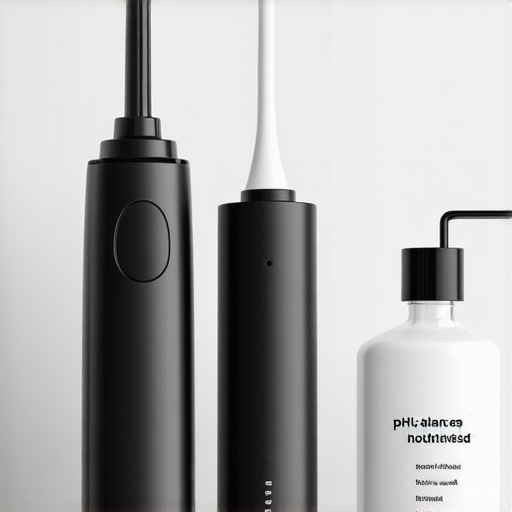
How do I maintain my professional results over the long term?
Maintenance is where most people fail because they treat dental health as a seasonal project rather than a daily rhythm. I’ve found that the ‘spit, don’t rinse’ method is the single easiest way to keep your enamel strong without spending an extra dime. When you rinse with water immediately after brushing, you wash away the concentrated minerals—like fluoride or hydroxyapatite—that are meant to sit on your teeth and repair micro-damage. I also keep a strict schedule for professional visits, knowing that how regular dental cleanings can save you money in the long run by catching small issues before they require a crown or an expensive extraction. If you use oral appliances, learning how to clean a nightguard so it doesnt smell like old socks is equally vital for keeping your breath fresh and ensuring your hardware lasts for years.
Why Your Bathroom Mirror is Getting a Smart Upgrade
Looking ahead, the way we handle maintaining oral health expert advice for a lifetime of healthy teeth is shifting toward real-time biological monitoring. We’re already seeing smart toothbrushes that map your mouth in 3D to show you exactly which molar you’re neglecting, but the next step is saliva diagnostics. I predict that within the next five years, we will see home-based sensors that can detect early biomarkers for gum disease or even systemic issues like heart health just from your morning brush. It’s an exciting part of the cosmetic dentistry trends that transform your smile this year—prevention is finally becoming as high-tech as the treatments themselves. If you want to start ‘bio-hacking’ your smile today, try the ‘spit, don’t rinse’ rule tonight. It sounds strange at first, but giving those minerals an extra 20 minutes to bond to your enamel will drastically reduce your sensitivity and boost your long-term results.
The Most Expensive Lesson My Kitchen Ever Taught Me
Looking back on my strawberry-and-baking-soda phase, I realize I was trying to shortcut a biological process that requires patience and precision. If there is one thing I want you to take away from my mistakes, it is that ‘natural’ is a marketing term, not a safety guarantee. First, I learned that acid is the enemy of stability; once you erode enamel, it does not simply grow back like a fingernail. Second, I discovered that family dentistry tips that make oral care effortless and effective are worth ten times more than any viral hack because they prioritize the long game. Finally, I realized that true whitening comes from the inside out, not by sanding down the outside. You have to respect the layers of your teeth if you want them to last a lifetime.
My Daily Toolkit for a Pain-Free Smile
You do not need a chemistry lab in your bathroom, but you do need the right tools. I have narrowed my personal routine down to a few essentials that actually work without causing a ‘zinger’ every time I drink water. I highly recommend investing in a high-quality electric toothbrush with a pressure sensor—it is the only way to ensure you are not over-scrubbing. I also suggest keeping a fluoride-heavy rinse or toothpaste and practicing the ‘spit, don’t rinse’ rule to let those minerals soak in. Following preventive tips for long-lasting dental health for families has simplified my life and saved me from those frantic Google searches at 2 AM. Lastly, I trust reputable dental journals over social media influencers; if a hack sounds too good (and too cheap) to be true, it probably is.
Why Your Smile Deserves the Real Deal
Your teeth are one of the few parts of your body that cannot fully heal themselves once the structure is compromised. It is so much easier—and cheaper—to prevent damage than it is to fix it later. Remember that how regular dental cleanings can save you money in the long run because a professional can spot the microscopic wear and tear that you might miss in the mirror. Focus on maintaining oral health expert advice for a lifetime of healthy teeth and you will find that a bright, confident smile becomes a natural byproduct of a healthy mouth, rather than a desperate goal to be chased with kitchen ingredients. Be kind to your enamel today, and it will stay strong for you for decades to come. Have you ever tried a ‘natural’ dental hack that ended up being a total disaster for your sensitivity levels? Let me know in the comments below!