
It was 2:00 AM on a freezing Tuesday when it hit me. A sharp, white-hot flash of pain shot through my lower left jaw, instantly jolting me out of a deep sleep. I sat upright, clutching my face, my heart hammering. I tried drinking a glass of cold water, hoping to numb it, but that only made it ten times worse. I made the classic rookie mistake of frantically pressing a warm compress to my cheek, which actually increased the throbbing pressure inside my jaw because I didn’t know yet how heat expands dental inflammation. I spent the next four hours pacing the kitchen floor, feeling completely helpless, waiting for the dental office to open. It was easily one of the longest nights of my life.
Why Sudden Dental Pain Can’t Wait
When a toothache strikes out of nowhere, it is more than just an annoyance; it is your body’s screaming alarm system. In my early days of managing my family’s health, I used to think a little tooth sensitivity was just something you could ignore until your next scheduled checkup. I was wrong. A sudden, severe ache usually means the nerve inside your tooth is under direct attack, whether from an active infection or deep decay. According to research published by the National Institutes of Health, untreated dental pain and infection can escalate rapidly, sometimes spreading to surrounding tissues in a matter of hours. That is why getting on the phone immediately to secure an emergency slot is your absolute first priority.
Is home care actually going to stop this agony?
Let’s be completely honest: no home remedy, over-the-counter pill, or herbal rinse is going to cure the underlying issue. Only a dentist can do that. However, knowing the right temporary survival tactics will absolutely buy you some peace, reduce the throbbing, and help you keep your sanity while you wait for your appointment. Today, I want to share the exact, safe steps I now keep in my emergency toolkit so you never have to suffer through those helpless, agonizing hours like I did. Have you ever been woke up in the dead of night by a sudden, throbbing tooth pain?
If you are currently dealing with a cracked tooth, a lost filling, or a sudden flare-up, you can read our guide on how to manage a sudden toothache while camping or away from home, and when you are ready to get professional help, please reach out directly on our contact page to get sorted out immediately.
Step-by-Step Tactics to Control the Pain Before Your Appointment
When you are waiting for the clinic doors to open, your immediate goal is damage control. Think of your throbbing tooth like a boiling kettle; you need to release the steam and lower the temperature before the system boils over completely. The physical pressure of blood flow and localized swelling inside the rigid chamber of your tooth is what actually causes that excruciating, rhythmic pounding. To manage this at home, you must systematically tackle both the inflammation and the physical pressure.
The Cold Compress Protocol Done Right
Unlike my middle-of-the-night disaster where I mistakenly applied heat, you must use cold therapy exclusively. Ice acts as a natural vasoconstrictor, which is a fancy way of saying it shrinks blood vessels and slows down the local circulation. This immediately reduces the fluid pressure build-up inside your jaw. Wrap a bag of frozen peas or an ice pack in a thin towel and hold it against your cheek for fifteen minutes on, then fifteen minutes off. Never apply ice directly to the skin or the tooth itself, as extreme thermal shock can trigger a whole new level of agony.

Keep Your Head Elevated Even When Trying to Rest
One of the most common complaints is that dental pain gets significantly worse the moment you lie down to sleep. This happens because gravity stops helping you; blood rushes straight to your head, increasing the pressure in those tiny, sensitive dental capillaries. I remember propping myself up with four pillows on the sofa, practically sitting upright just to get twenty minutes of fitful sleep. It felt awkward and messy, but keeping your head elevated above your heart is a crucial mechanical trick to keep that throbbing sensation at bay. If you find your teeth throbbing severely when bending over, you can understand more about this mechanism by reading about the reason your teeth throb when you lean forward or bend over.
Clear the Area with a Warm Saltwater Flush
Do not underestimate the power of a simple, lukewarm saltwater rinse. Dissolve half a teaspoon of regular table salt into eight ounces of warm water. Salt acts as a natural disinfectant and draws out fluid from swollen tissues through osmosis, helping to relieve pressure. Gently swish the mixture around your mouth for thirty seconds before spitting it out. This flush also helps dislodge any tiny food particles trapped between your teeth that might be putting pressure on an already inflamed nerve. If your gums are particularly sensitive, incorporating gentle techniques like those used in gentle teeth cleaning best practices for sensitive gums can keep the area clean without causing further irritation.
Use Targeted Over-the-Counter Relief Safely
When it comes to medication, an anti-inflammatory like ibuprofen is generally your best bet because it targets the actual source of the pain: the inflammatory response. Always follow the package instructions carefully and never place an aspirin directly against your gums or tooth, as this is an old myth that will actually cause painful chemical burns on your soft tissue. For long-term dental health and to avoid these sudden emergencies altogether, building a solid foundation is key, which is why we highly recommend establishing routine care as outlined in family dentistry building a foundation of healthy smiles for all ages.
While understanding how to manage physical pressure and swelling is vital, establishing true expertise in dental self-care requires dismantling several persistent myths that can turn a manageable toothache into an absolute nightmare. Over years of helping patients navigate emergency situations, I have noticed that the most dangerous mistakes are often made with the best intentions. People think they are accelerating their healing, but they are actually accelerating the infection. Let’s dig deeper into the science of dental pain and look at what most people get wrong during these high-stress moments.
The Aggressive Brushing Trap and the Myth of Sterilization
When a sudden toothache strikes, our first instinct is often to scrub the area aggressively. It is easy to think, “If there is an active bacterial infection causing this pain, I should brush and floss extra hard to clean it out.” This is one of the worst traps you can fall into. Aggressive mechanical scrubbing on a highly inflamed area does not sterilize it; instead, it causes micro-trauma to already compromised gum tissue. This can actually push bacteria deeper into the periodontal pocket, dramatically increasing your discomfort. In my experience, shifting to a ultra-soft touch is far more effective. If you are dealing with sensitive, inflamed oral tissues, understanding gentle teeth cleaning best practices for sensitive gums is much more beneficial than trying to forcefully scrub the pain away.
Why does the pain seem to vanish entirely right before it gets worse?
This is perhaps the most dangerous trap in all of dentistry: the temporary “disappearing” toothache. You suffer in agony for two days, and then, suddenly, the pain completely stops. Many people assume their body has successfully fought off the infection, so they cancel their dentist appointment. In reality, the sudden cessation of severe pain usually means the nerve inside the pulp chamber of the tooth has officially died. The infection has not gone away; it has simply destroyed the sensory alarm system. According to clinical studies published by the National Institutes of Health, once the pulp undergoes necrosis, the anaerobic bacteria will continue to multiply and travel downward through the root tip into your surrounding jawbone, eventually forming a painful abscess. Canceling your visit because the pain stopped is a massive mistake that often leads to systemic complications or the need for a complex extraction rather than a simple root canal.
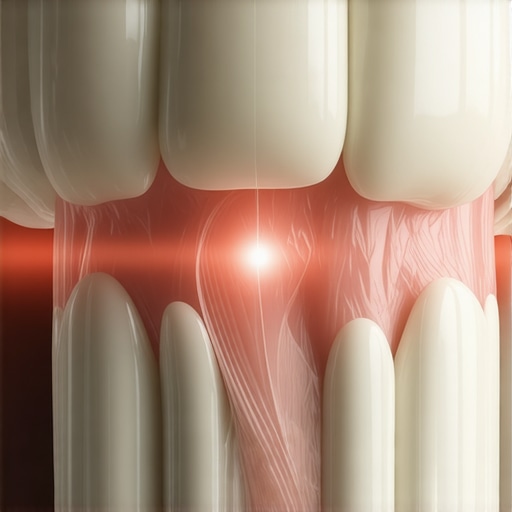
Another common mistake is relying on superficial visual assessments. I have had many patients tell me they didn’t think they had a cavity because they couldn’t see any black spots on their enamel, yet they were in excruciating pain. Learning how to tell the difference between a cavity and a tooth stain is critical, as severe decay often eats away the tooth from the inside out, leaving a clean-looking outer shell that eventually collapses.
The Fallacy of Topical Self-Medication
We must also address the common myth of topical remedies like rubbing alcohol, whiskey, or crushing pills directly onto the site of pain. While natural elements can sometimes offer mild relief, placing highly acidic or chemically caustic substances on an open dental lesion is incredibly dangerous. It leads to chemical burns on your oral mucosa, which will only add a painful soft-tissue wound to your existing internal toothache. If you are looking to improve your overall oral health safely and prevent these emergencies from happening in the first place, you should focus on evidence-based daily habits, such as the ones discussed in our guide on top-5 secrets to maintaining perfect oral health as a family.
Have you ever fallen into this trap of thinking a toothache was cured just because the pain suddenly stopped? Let me know in the comments below. If you are currently dealing with a sudden flare-up, please do not wait for the infection to spread. Visit our contact page right now to get professional help today.
Now that we have dismantled the dangerous myths surrounding self-medication and sudden pain relief, let’s talk about long-term survival. The real secret to avoiding those terrifying 2:00 AM wake-up calls lies in the systems you set up on quiet, boring Tuesdays when nothing hurts. Maintaining your oral health is not about luck; it is about adopting clinical-grade habits and utilizing the exact tools that professionals rely on to keep dental enamel and gum tissue structurally sound.
The Proactive Kit to Stop Decay Before It Starts
I do not rely on standard drugstore toothbrushes. Personally, I use an oscillating-rotating electric toothbrush equipped with a built-in pressure sensor, such as the Oral-B Genius series. The mechanical micro-vibrations break up biofilm far more effectively than manual scrubbing, and the pressure sensor prevents you from falling into the aggressive brushing trap we discussed earlier. Furthermore, integrating a water flosser with a specialized orthodontic tip allows you to flush out the periodontal pocket where traditional floss simply cannot reach.
How do I maintain my dental restorations and natural teeth over time?
Consistent, professional monitoring is the absolute cornerstone of longevity. No matter how advanced your home toolkit is, microscopic cracks and early-stage decay under old restorations can only be detected with diagnostic imaging and clinical magnification. If you have previously invested in enhancing your smile, understanding maintaining oral health expert advice for a lifetime of healthy teeth is vital to securing that investment. Daily maintenance should always be paired with professional intervention. For example, scheduling regular cleanings is not just about aesthetics; it is a highly preventative financial strategy, as detailed in our guide on how regular dental cleanings can save you money in the long run.
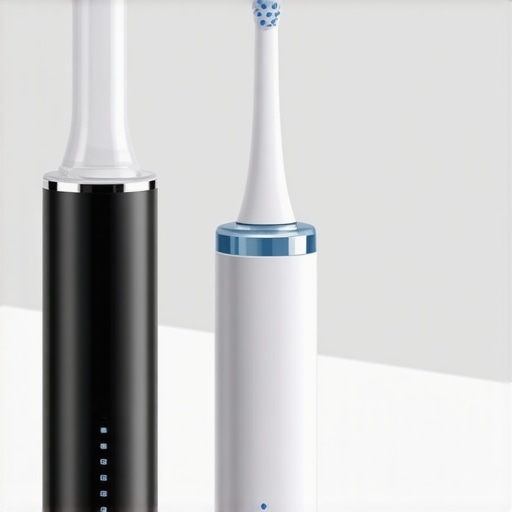
In the near future, I predict we will see a massive shift toward AI-driven dental diagnostics at home. We are already seeing smart toothbrushes that map your mouth in real-time, but the next step is consumer-grade intraoral cameras paired with machine learning algorithms that can flag demineralization before it turns into a cavity. Until that technology becomes mainstream, the best defense is maintaining a strict routine of professional prophylaxis. If you are ready to upgrade your preventative care, establishing a relationship with a team that understands comprehensive long-term planning is essential. You can learn more about how we build these lifelong habits by exploring our approach to family dentistry building a foundation of healthy smiles for all ages.
The Ultimate Defense is Regular Professional Evaluation
According to the clinical guidelines from the American Dental Association (ADA), professional cleanings do more than polish your teeth; they actively remove calcified tartar (calculus) that cannot be brushed away at home. This calculus acts as a physical fortress for bacteria, leading directly to chronic inflammation and bone loss. If you want to keep your natural smile intact for decades, I highly encourage you to try one specific advanced tip today: swap out your standard manual brush for a pressure-sensing electric model and start monitoring your gum line for any signs of recession. If you have skipped your regular checkup or want to address a lingering issue before it turns into an emergency, head over to our contact page and secure your appointment today.
The Hardest Lesson I Learned About Dental Self-Care
If there is one absolute truth I have gathered from years of managing dental flare-ups and helping patients navigate emergency situations, it is this: your mouth is a highly dynamic ecosystem, not a set of inert blocks. The biggest shift in my perspective occurred when I realized that localized dental pain is rarely just about the single tooth that hurts. It is a systemic warning signal that your entire oral biome is out of balance. When we try to treat severe discomfort with aggressive scrubbing or localized chemical tricks, we are ignoring the delicate biological environment of our gums. Embracing a gentler, more systematic approach—like adopting gentle teeth cleaning best practices for sensitive gums—completely changed how I view daily maintenance. True relief does not come from force; it comes from working alongside your body’s natural defense systems to reduce inflammation before it spirals out of control.
My Essential Toolkit for Lasting Dental Peace
When you want to transition from reacting to sudden emergencies to maintaining absolute control over your health, you need the right tools in your corner. I personally rely on and recommend these specific resources to keep your teeth and gums in peak condition:
- Pressure-Sensing Oscillating Toothbrushes: These devices take the guesswork out of oral hygiene, ensuring you never trigger gum recession through over-brushing.
- The American Dental Association (ADA) Consumer Guide: A fantastic, evidence-based portal for verifying whether a new dental trend is clinically backed or just a dangerous social media myth.
- Diagnostic Dental Photography: Investing in a simple intraoral mirror tool helps you spot early changes, helping you learn how to tell the difference between a cavity and a tooth stain before a real emergency strikes.
- Preventative Family Checkups: Establishing a reliable clinical partnership through structured family dentistry building a foundation of healthy smiles for all ages is the ultimate safety net for your household.
Take Control of Your Oral Health Journey Today
You do not have to live in fear of the next sudden, midnight toothache. By shifting your focus from temporary emergency fixes to consistent, high-quality daily care and regular professional evaluations, you can protect your smile for a lifetime. If you are ready to stop guessing and start proactively protecting your teeth, we are here to support you every single step of the way. Please visit our contact page to set up a comprehensive checkup and secure your peace of mind.
Have you ever had a minor dental ache suddenly vanish, only to return worse later on? Let me know your experiences in the comments below!