
I remember the exact moment I realized I didn’t know nearly as much about oral health as I thought I did. My youngest cousin had lost a front tooth in a soccer accident, and I was convinced we should just ‘get it over with’ and pop an implant in. I mean, why wait? He was nearly eighteen. But our family dentist gave me a look that was half-pity, half-lecture. He explained that if we placed that titanium post too early, my cousin’s face would literally grow away from his tooth. I felt like a total amateur. It turns out, rushing into permanent fixes is a major mistake when you are building a foundation of healthy smiles for young adults. Today, I want to pull back the curtain on why ‘right now’ is often the wrong time for an implant and what you should do instead.
Why Your Face Still Has Growing to Do
The human jaw is a stubborn piece of anatomy. Even when a teenager looks fully grown, their jawbone is often still shifting, lengthening, and widening. I made the mistake of thinking of the jaw as a finished piece of construction. In reality, it is a living, moving landscape. If we place an implant—which is essentially fused to the bone—it stays exactly where it is. Meanwhile, the surrounding natural teeth continue to erupt and shift as the jaw matures. You end up with a ‘submerged’ tooth that looks out of place and causes functional nightmares. I have seen how dental implants can prevent your jawbone from shrinking in adults, but in a growing child, that same stability becomes a liability. The bone needs to reach a steady state, and checking the truth about bone density is only part of the equation; we have to track the actual growth velocity of the facial structure.
Is waiting years for a tooth actually worth the hassle?
It feels like an eternity when your teen is dealing with a gap, but the alternative is much worse. According to the American Association of Oral and Maxillofacial Surgeons, dental implants should typically not be placed until age 17 or 18 for girls and 19 or 21 for boys to ensure skeletal growth is complete. If you rush, you aren’t just looking at a cosmetic issue; you are looking at a complex surgical revision down the road. Sometimes your teen needs more than just a straighter smile; they need a plan that respects their biology. Have you ever been told you needed to wait for a dental procedure and felt like the clock was ticking too slowly? I’d love to hear how you managed that ‘waiting room’ anxiety in the comments below. We are going to dive into the specific ways we bridge that gap safely in the next section.The ‘how’ of managing a missing tooth in a young adult is really about holding the fort. Think of your child’s teeth like a row of books on a shelf; if you pull one out and don’t put a bookend in its place, the rest of the library starts to tilt. While we wait for the jaw to finish its growth spurt, we have to use ‘placeholders’ that keep the alignment perfect without anchoring into the bone.
Stop the Shifting with a Temporary Bridge
The most common move is a Maryland bridge. Unlike a permanent bridge that requires grinding down neighboring teeth, a Maryland bridge uses ‘wings’ that bond to the back of the adjacent teeth. It is a brilliant temporary fix because it looks real but pops off easily when the time for a permanent implant finally arrives. I remember a specific case with a high school senior named Leo. He lost a lateral incisor in a basketball game and was devastated about his prom photos. We fitted him with a temporary resin-bonded bridge, and it worked like a charm for three years. The result? His smile looked great for graduation, but more importantly, his other teeth didn’t drift a single millimeter. If you are looking for ways to fix a small gap without spending months in braces, these temporary placeholders are your best friend. 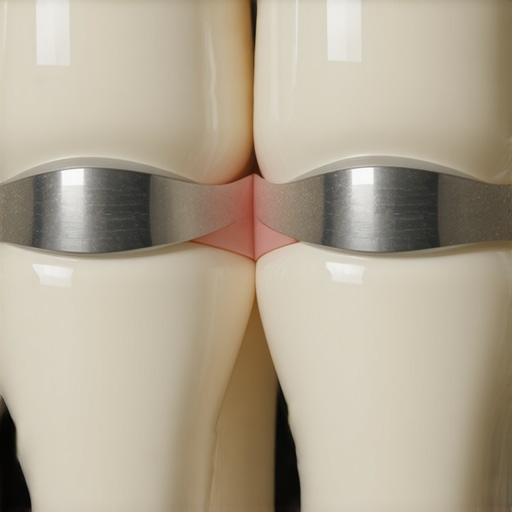
Keep That Gap Clean Without Irritating Your Gums
Maintenance is where most families stumble. Because a temporary bridge or ‘flipper’ sits against the gum tissue, it can trap bacteria that lead to inflammation. You cannot just scrub it like a normal tooth. You need to employ gentle teeth cleaning best practices for sensitive gums to ensure the tissue stays healthy for the eventual surgery. I tell my patients to treat the gap like a delicate piece of jewelry. If the gums become puffy or infected now, it can complicate the bone grafting process later. Using a water flosser or a very soft-bristled brush is non-negotiable. It is these small family dentistry tips that make oral care effortless and effective even during the awkward waiting years.
Watch the Bone Like a Hawk
While we wait for the ‘go’ signal from the growth plates, we have to monitor the bone volume. Once a tooth is gone, the bone starts to realize it doesn’t have a job to do and can begin to recede. To prevent this, we sometimes use a ‘flipper’ that puts just enough functional pressure on the area to keep the bone engaged. We are constantly checking the truth about bone density through yearly X-rays. If we see the bone thinning too much, we might change the temporary appliance. This is all part of the preventive tips for long-lasting dental health for families that ensure the eventual implant is a ‘one-and-done’ procedure rather than a multi-stage nightmare. I once had a patient who skipped their checkups for two years while waiting, only to find they needed a significant bone graft because the gap had narrowed and the bone had flattened. Keeping that space ‘active’ is the secret to a seamless transition later.We often treat our teeth like a dirty floor that needs a good scouring, but after years in this field, I’ve seen that ‘scrubber’s regret’ is a real clinical condition. Many patients believe that the harder they brush, the cleaner they get, yet they are actually sanding away the very foundation they need for future dental work. Enamel is not a renewable resource. If you use too much force, you are essentially stripping the protective layer off your teeth, which can lead to permanent sensitivity and a yellowed appearance as the dentin underneath is exposed. In fact, many are shocked to learn the truth about using baking soda as a toothpaste; while it is a great stain remover, its high abrasivity can be a ‘hidden trap’ for those with thin enamel. Have you ever fallen into this ‘harder is better’ trap? Let me know in the comments. Another common pitfall involves the very technology we use to improve our hygiene. I get this specific question from advanced patients almost every week:
Why do your gums bleed only when you use an electric brush?
It seems counterintuitive to invest in a premium tool only to see red in the sink. This is usually why your gums only bleed when you use an electric toothbrush: you are likely applying manual-style pressure to a motor that is already performing thousands of strokes per minute. A study published in the Journal of the American Dental Association (JADA) emphasizes that while powered brushes are significantly more effective at plaque removal, user-induced pressure is the primary cause of gingival recession in high-compliance patients. You have to let the bristles glide, not grind. Then there is the ‘Hollywood White’ myth that often plagues cosmetic dentistry. Most people assume that if their teeth aren’t paper-white, they aren’t healthy. This obsession often leads to the one mistake people make when trying to whiten gray teeth: aggressive chemical bleaching that ignores the tooth’s internal structure. Gray-toned teeth are often a result of thin enamel or antibiotic staining, and over-whitening them only makes them look translucent or ‘ghostly.’ 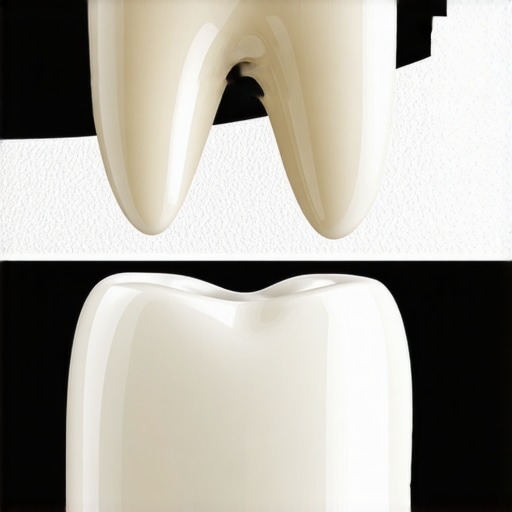 When we move into the world of restorations, we are seeing revolutionary teeth cleaning techniques for 2025 that prioritize maintaining the ‘life’ of the tooth over just the color. If you push for a shade that is biologically impossible for your age, you often end up with the subtle bonding error that makes your smile look artificial, where the teeth lose their natural edge translucency and look like flat, opaque blocks. Real expertise in family dentistry means knowing when to stop whitening and start focusing on the structural health that will keep those teeth in your jaw for the next fifty years.Moving from the aesthetic to the functional is where the real work begins. I often tell my patients that getting a beautiful restoration is like buying a high-end sports car; if you never change the oil or check the tires, that shiny exterior won’t get you very far. To truly master maintaining oral health, you need to transition from passive brushing to active biofilm management. Personally, I have moved away from recommending traditional string floss for anyone with complex dental work like bridges or implants. Instead, I swear by the Waterpik Aquarius, specifically using the ‘Plaque Seeker’ tip. The three thin tufts of bristles allow you to reach into the tiny crevices around crowns that standard floss simply skips. It is one of those family dentistry tips that make oral care effortless and effective because it removes the manual dexterity barrier that frustrates so many people.
Stop Guessing with Your Gum Care
The real danger for any long-term dental work is peri-implantitis or gingival recession. If you are not using the right pressure, you are either doing nothing or doing damage. I recommend a tool with a built-in pressure sensor, like the Oral-B iO series. I use it myself because the light ring turns red the moment I press too hard, protecting the delicate margin where the porcelain meets the gum. This level of precision is part of the ultimate guide to teeth cleaning techniques and benefits. According to a clinical study published in the Journal of Clinical Dentistry, water flossing with a specialized orthodontic tip was found to be three times as effective as traditional string floss for patients with fixed prosthetic appliances. When you have a gap-filler or a bridge, you must master the move to clean under your dental bridge safely to avoid the bacteria buildup that causes the ‘dark gum’ look.
How do I keep my dental work looking like day one for decades?
The secret is consistency and the right chemicals. Avoid abrasive ‘whitening’ pastes that rely on silica to scour the surface. Instead, look for a hydroxyapatite-based paste that actually remineralizes the tooth structure. This is one of the top 5 secrets to maintaining perfect oral health as a family. 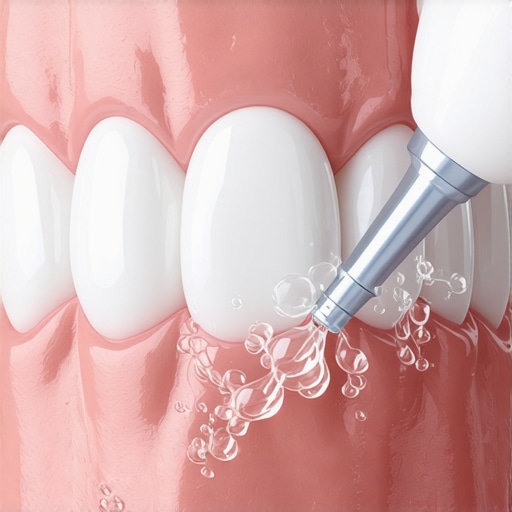 Looking ahead, I predict that cosmetic dentistry innovations you cannot miss this year will focus heavily on bio-active materials. We are moving toward ‘smart’ fillings and crowns that can actually release calcium and phosphate to repair minor decay in real-time. We are also seeing a massive shift toward digital monitoring; soon, your toothbrush will likely scan your mouth for early signs of inflammation and send a report directly to my office before you even feel a twinge. It is clear that how regular dental cleanings can save you money in the long run is becoming even more evident as we use tech to catch issues in the ‘micro’ phase. **My advanced tip for you today:** If you have a bridge or implant, try ‘interproximal dipping.’ Dip your interdental brush into a non-alcoholic chlorhexidine rinse once a week before cleaning around your restoration. This provides a deep-level chemical barrier against the specific bacteria that target dental hardware.**
What Decades in Dentistry Taught Me About The Power of Patience
If I could go back to that soccer field moment with my cousin, I would tell myself that dental work is 10% procedure and 90% timing. The biggest lightbulb moment for most of my patients is realizing that an implant is a destination, not a starting line. We often rush because we want to fix the aesthetic immediately, but we forget that the bone is the true hero of the story. If the bone isn’t ready, even the most expensive implant won’t look natural five years down the road. Another harsh truth is that many oral health myths busted reveal that restorations aren’t a set-it-and-forget-it solution; they actually require a higher level of hygiene than your natural teeth. Finally, I have learned that the waiting phase with a temporary bridge is the best training ground for future success because it teaches you the precision cleaning habits you will need for life.
My Personal Arsenal for a Restoration That Lasts Forever
I do not recommend products unless I have seen them change clinical outcomes. To keep your foundation strong, I swear by these three essentials. First, the Waterpik Aquarius with a specialized tip is non-negotiable for anyone with a bridge or implant because it disrupts biofilm where a brush simply cannot reach. Second, I always suggest switching to a hydroxyapatite-based toothpaste. Unlike abrasive whiteners, this actually helps with how regular teeth cleaning can prevent major dental issues by remineralizing the enamel surface. Lastly, use the AAOMS website as a roadmap; their guidelines on skeletal maturity are the gold standard we use to ensure your teen’s face doesn’t grow away from their new tooth.
Build a Smile That Grows With You
Taking the slow path is not about delaying your confidence; it is about ensuring that confidence never wavers. When we respect the biology of a young adult’s jaw, we are not just filling a gap—we are protecting their facial structure for the next sixty years. By focusing on maintaining oral health through the awkward phases, you ensure that the eventual result is spectacular. Remember, the goal of enhancing confidence with cosmetic dentistry is to create a smile that looks like it was always meant to be there. Have you ever been told you needed to wait for a dental procedure while your jaw finished growing? Let me know how you managed that transition in the comments below!