
I was halfway through a bowl of buttery popcorn during a weekend movie marathon when it happened. That sudden, sharp twinge. You know the one. A tiny, translucent husk had wedged itself deep into the pocket of my gum. I spent the next hour frantically poking at it with my tongue, then my fingernail, and finally—this was my big mistake—a wooden toothpick I found in the back of a kitchen drawer. I didn’t get the kernel out. Instead, I pushed it deeper and ended up with a sore, throbbing mess that lasted for days. That experience taught me that maintaining oral health isn’t just about the big stuff like cosmetic dentistry; it is about managing these tiny, everyday crises without causing more damage. If you are sitting there right now, tongue working overtime and panic rising, take a deep breath. We are going to get it out.
Stop Poking and Start Thinking Before You Hurt Your Gums
When something is stuck, our first instinct is often the most destructive one. I have seen people use safety pins, tweezers, and even paperclips. Please, do not do that. Your gum tissue is incredibly delicate. My early failure with that toothpick caused more trauma than the kernel itself, and I had to learn how to stop your gums from bleeding because I was too aggressive. Today, I am going to share the exact, gentle steps I now use to handle this situation. Whether you are dealing with a child’s dental mishap or your own, the goal is to coax the debris out, not excavate it like a construction site. This is especially important for family dentistry needs where kids might be less patient with the discomfort.
Is a tiny piece of corn really a dental emergency?
You might feel silly calling a professional over a snack, but ignoring it is a bad idea. According to the Mayo Clinic, foreign objects like popcorn hulls that remain lodged in the gum line can cause significant irritation and eventually lead to a painful abscess or localized infection. It’s a small problem that can snowball fast. Have you ever spent a whole night tossing and turning because of a tiny bit of food stuck in your teeth? If you have, you know the frustration is real. If the kernel is truly buried, you might even find that the best way to remove a popcorn kernel stuck in your gums involves tools you already have in your bathroom cabinet. We are going to walk through the salt-water rinses and specific flossing techniques that actually work. Before we dive into the step-by-step guide, I want to know: what is the weirdest thing you’ve ever tried to use to get food out of your teeth?
Flush Away the Debris Without the Drama
The first thing I do now—and what I should have done that night—is a warm salt water rinse. It sounds too simple to be effective, doesn’t it? But there is real science here. Warm water helps to soothe the inflammation while the salt acts as a mild antiseptic. Think of it like a gentle pressure washer for your mouth. I remember a specific time last summer after a backyard BBQ where a piece of steak fiber got stuck. I skipped the picking and went straight for the salt water. On the third swish, the pressure of the water actually dislodged the debris. It is one of those gentle teeth cleaning best practices for sensitive gums that prevents you from turning a minor annoyance into a bleeding wound.
Use Warm Salt Water to Soothe the Site
Mix about half a teaspoon of salt into eight ounces of warm water. Swish it vigorously on the side of the mouth where the kernel is lodged. The goal is not just to clean the area, but to use the fluid dynamics of the water to wiggle the kernel free. If you are a parent, this is one of the best family dental care hacks to keep your kids smiling daily because it does not involve any scary tools. 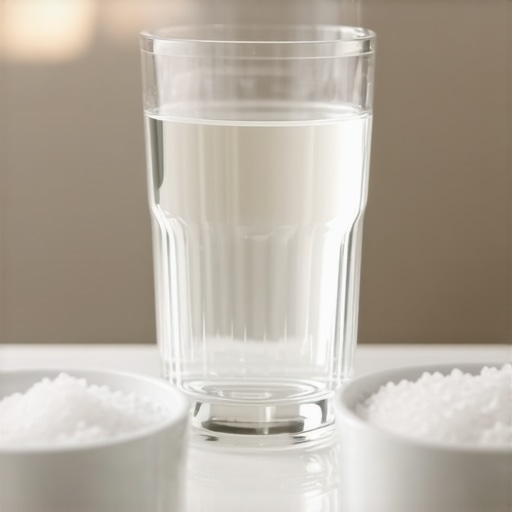
Master the Knot Floss Technique
If the rinse does not work, we move to flossing, but not the way you usually do it. This is not about the standard up-and-down motion. Instead, try the knot method. Take a piece of dental floss and tie a small, simple knot in the middle. Gently slide the floss between the teeth where the kernel is stuck. Then, slowly pull the knot through the gap. The extra bulk of the knot often catches the edge of the kernel and drags it out. This is a staple in the ultimate guide to teeth cleaning techniques and benefits because it addresses stubborn particles without the aggression of a toothpick.
Get a Better View with a Flashlight
Do not work in the dark. I once spent twenty minutes trying to feel where a kernel was, only to realize I was poking the wrong side of the tooth. Grab a small flashlight or use your phone LED. Have someone else hold it if possible. When you can actually see the translucent edge of the hull, your movements become surgical rather than erratic. This precision is what we teach in family dentistry tips that make oral care effortless and effective.
Tools That Save Your Smile When Floss Fails
Sometimes, that hull is truly stubborn, acting like a tiny suction cup against your gum tissue. In these cases, you might need to look at revolutionary teeth cleaning techniques for 2025, such as using a water flosser on a low setting. The pulsating stream can often reach depths that manual floss simply cannot. If you have ever wondered about oral health myths debunked, one of them is that you have to scrub hard to be clean. In reality, gentle, consistent pressure is your best friend. If the area starts to throb or you see significant swelling, it is time to stop and realize that how regular teeth cleaning can prevent major dental issues often starts with knowing when to put down the tools and call a professional. We want to avoid any permanent trauma that might eventually require cosmetic dentistry later on to fix gum recession or damaged enamel.But even with the right tools, there is a mindset trap that many people fall into—the belief that if a little cleaning is good, then a lot of force must be better. In my years of focusing on family dentistry, I have noticed that the most dedicated ‘brushers’ are often the ones who accidentally do the most damage. We have been conditioned to think of plaque as something to be scrubbed away like rust on a car, but your enamel is a biological shield, not a metal fender.
Why Being an Aggressive Brusher is a Major Mistake
Everyone says you need to brush twice a day, but in my experience, the *way* you brush is far more important than the frequency. If you are using a hard-bristled brush and leaning into it, you are likely stripping away the protective layer of your teeth. This leads to the very sensitivity you are trying to avoid. A study published in the Journal of Clinical Periodontology confirms that excessive brushing force is a primary contributor to gingival recession. This is a nuance often missed in basic hygiene talks: you aren’t just cleaning teeth; you are managing a delicate ecosystem of soft and hard tissues. When you over-scrub, you might notice why your gums are receding only on one side of your mouth, often the side corresponding to your dominant hand because you apply more pressure there. 
Does scrubbing harder actually prevent more cavities?
The short answer is no. Plaque is soft and easily removed with gentle, circular motions. Once plaque hardens into tartar, no amount of manual scrubbing at home will budge it; that requires how regular teeth cleaning can prevent major dental issues through professional scaling. The ‘Oops’ factor here is that people try to compensate for a missed cleaning by brushing harder the next day, which only irritates the gums further and can even cause micro-tears that invite bacteria in.
The Hidden Danger of the Whitening Obsession
Another advanced mistake involves the DIY whitening craze. Many patients reach for highly abrasive ‘whitening’ pastes to get that Hollywood look, but the truth about whitening toothpaste is that many of them don’t actually change the internal color of your teeth. Instead, they use harsh abrasives to scour surface stains, which can thin your enamel over time and make the yellowish dentin underneath more visible. If you want a brighter smile without the damage, you should look into how to whiten your teeth without making them incredibly sensitive using professional-grade, pH-balanced gels.
Stop Falling for Oral Health Myths
We often see patients who think cosmetic dentistry is just about vanity, but it’s often about restoring function that was lost to these small, cumulative mistakes. Whether it’s choosing the wrong products or ignoring the signs of a ‘heavy’ bite, the nuances matter. You can read more about these common misconceptions in our guide on oral health myths debunked. Have you ever fallen into this trap of scrubbing too hard or using a tool you shouldn’t have? Let me know in the comments.
My Secret Weapon for Avoiding the Dentist
After years of trial and error with various gadgets, I’ve realized that the tools you use daily are the primary predictors of your long-term dental bills. If you are serious about maintaining oral health, you have to look beyond the basic manual brush. Personally, I switched to an electric toothbrush with an integrated pressure sensor three years ago, and my hygienist noticed the difference in a single visit. Why? Because it physically stops me from being that ‘aggressive brusher’ I mentioned earlier. It’s about precision over power. I use the oscillating-rotating models because a systematic review by the Cochrane Library found that these specific brushes reduced plaque by 21% more than manual brushing over a three-month period. This isn’t just about clean teeth; it’s about preserving the enamel you have so you don’t need cosmetic dentistry innovations to fix worn-down surfaces later.
Stop Guessing and Let Technology Guide Your Brush
Another tool that has become non-negotiable in my household is the water flosser. Remember that popcorn kernel incident? A water flosser would have flushed that out in seconds without the trauma of a toothpick. I recommend models that allow for adjustable pressure settings. For those with sensitive areas, start on the lowest setting and move up. This is one of those revolutionary teeth cleaning techniques for 2025 that simplifies the process for everyone, especially for kids who find traditional flossing tedious. By incorporating these tools, you are essentially performing a mini-professional cleaning every night. It’s the difference between reactive care and proactive preservation. 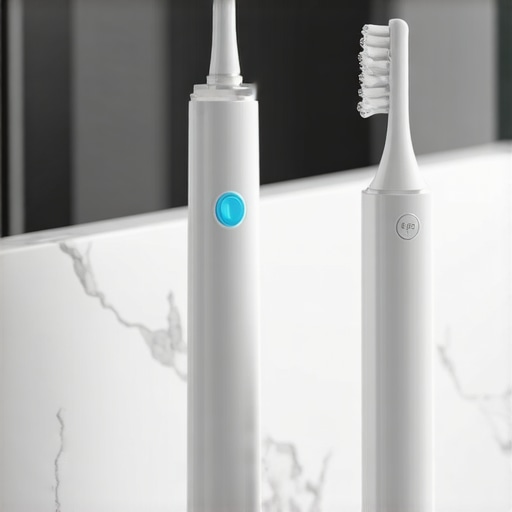
How do I keep my smile looking this good for decades?
The answer lies in the consistency of your ‘small wins.’ Beyond the fancy tech, I swear by interdental brushes for the tight gaps that even a water flosser might miss. If you want to know the secret to making your dental implants last for decades, or even your natural teeth, it’s about preventing the biofilm from ever maturing into tartar. Once that happens, you are on a one-way street to professional scaling. I’ve found that using a pH-balancing mouthwash after acidic meals—like that morning coffee—neutralizes the environment in my mouth faster than saliva alone. This is a critical part of family dentistry tips that make oral care effortless and effective, as it protects the whole family from acid erosion.
The Next Big Shift in Home Dental Care
Looking ahead, I predict we are going to see a massive move toward personalized oral microbiome testing. We already track our steps and our sleep; soon, we’ll be tracking the specific bacteria in our mouths to catch issues before a cavity even forms. This shift will make how regular dental cleanings can save you money in the long run even more apparent, as your dentist becomes a data-driven coach rather than just someone who fills holes. For now, my advanced tip for you is this: tonight, try using your floss or water flosser *before* you brush. Opening up those interproximal spaces allows the fluoride in your toothpaste to actually reach the surfaces where most cavities start. It’s a tiny tweak that yields massive long-term results.
Lessons My Gums Taught Me the Hard Way
After years of trying to be my own dentist with toothpicks and brute force, I finally realized that dental health is a game of finesse. One of the biggest shifts in my thinking happened when I stopped viewing my teeth as static objects and started seeing them as part of a living system. If you ignore a persistent irritant, you aren’t just uncomfortable; you are inviting inflammation that can lead to permanent recession. I’ve learned that oral health myths debunked in recent years show that we often do more damage with aggressive effort than with actual neglect. Another hard-earned truth: your gums are not built for friction. If you find yourself scrubbing to get that ‘clean feeling,’ you are likely eroding the very foundation of your smile. Finally, the best dental tool is often the one you use the least—patience. Give your mouth time to recover from acidic meals for at least thirty minutes before you even think about touching a brush.
#IMAGE_PLACE_HOLDER_E#
The High-Tech Toolkit That Actually Saves Enamel
I don’t just rely on a standard plastic brush anymore. My daily routine involves specific tools that have changed everything. First, I use an electric brush with a visual pressure sensor to ensure I never cross the line into aggressive cleaning. Second, I’ve replaced traditional string with a high-quality water flosser for those deep-seated debris issues. This is a core part of maintaining oral health because it reaches areas that are physically impossible to hit with a manual pick. Lastly, I keep interdental brushes in my travel kit for those unexpected moments when popcorn or steak fibers try to ruin my day. These tools are far more effective than any abrasive whitening gimmick you see on social media.
Your Path to a Lifetime of Healthy Smiles
The journey from a painful popcorn kernel to a proactive hygiene routine is one we all take eventually. By focusing on how regular teeth cleaning can prevent major dental issues, you are investing in a future where you don’t need invasive procedures later. Remember, your oral health is a vital gateway to your overall well-being. Don’t be afraid to upgrade your tools and your mindset today. Whether you are managing your own care or looking for family dentistry solutions for your children, consistency and gentleness will always win the day. Have you ever had a dental ‘crisis’ that forced you to change your entire routine? Let me know your story in the comments below!