
I still remember sitting on my porch last July, biting into a gorgeous, perfectly ripe peach. Within seconds, the joy of that sweet summer juice turned into absolute madness. My gums started tingling, then burning, and finally itching so intensely I wanted to scrub them with a toothbrush. For years, I made the mistake of thinking I was suddenly allergic to everything green and growing, completely ignoring how simple oral health tweaks could change my daily life. It turns out I wasn’t alone, and I certainly wasn’t crazy. Today, we are going to get to the bottom of this annoying phenomenon so you can enjoy your favorite fresh snacks without feeling like your mouth is staging a rebellion. If you have ever had to deal with this incredibly irritating sensation, you are probably wondering what is actually happening under the surface. We will cover the surprising biological link between pollen and produce, and how managing your daily hygiene can help calm the storm. If you have ever felt a similar irritation after a dental visit, you might also want to read up on gentle teeth cleaning best practices for sensitive gums to keep your mouth happy.
The Frustrating Link Between Trees and Your Teeth
It sounds like science fiction, but the itching you feel is very likely a condition called Oral Allergy Syndrome (OAS). Your immune system gets confused. It looks at the proteins in a raw apple or peach and mistakes them for the tree pollen you breathe in every spring. According to research published by the American Academy of Allergy, Asthma & Immunology, OAS is incredibly common in people with seasonal allergies, often triggered by birch, ragweed, or grass pollens. When you chew raw fruit, those look-alike proteins hit your gums, and your body sounds the alarm.
Is Oral Allergy Syndrome actually a dangerous medical emergency?
Fortunately, for the vast majority of us, OAS is more of an annoying nuisance than a dangerous threat. The proteins are highly unstable and usually break down quickly once they hit your stomach acid or get exposed to heat. However, keeping your oral tissues healthy is crucial because raw micro-cuts or existing inflammation can make the itching feel ten times worse. If you have been struggling with overall tissue sensitivity, finding ways to how to stop your gums from itching after eating certain fruits can be an absolute game-changer for your summer diet. Have you ever had to spit out a delicious piece of fruit because your mouth suddenly felt like it was on fire? Share your experience in the comments below! Next, we are going to dive into the easy kitchen tricks and daily habits that can stop this reaction before it even starts.
Simple Actions to Stop the Fruit-Induced Mouth Rebellion
You do not have to banish apples, cherries, or peaches from your kitchen forever. Managing oral allergy syndrome comes down to neutralizing the culprit proteins before they touch your gums, while keeping your oral tissues resilient enough to handle occasional irritation. Think of your gums as a protective shield; if that shield is already worn down by plaque or minor inflammation, those look-alike plant proteins will find every microscopic entryway and make the itching twice as intense.
Neutralize the Proteins with Heat
The easiest way to trick your immune system is to alter the shape of the offending proteins. Heat completely deforms these delicate molecules so your body no longer recognizes them as birch or ragweed pollen. I experienced this firsthand last summer when I wanted to eat a crisp local apple. Instead of biting into it raw, I sliced it up and microwaved the slices for ten seconds. They were still pleasantly warm and kept most of their crunch, but the itching was completely gone. Baking, microwaving, or lightly steaming your fruits for just a few seconds breaks down the allergenic structure. If you love smoothies, try using pasteurized fruit juices or lightly warmed fruit purees instead of tossing whole raw pieces into the blender.
Peel the Skin to Reduce Your Exposure
Most of the pollen-mimicking proteins concentrate heavily in the skin of the fruit. By simply using a vegetable peeler to strip away the outer layer, you dramatically lower the concentration of allergens entering your mouth. When you combine peeling with a quick rinse under warm water, you create a much safer snacking experience. While this might feel like an extra step when you are in a rush, it is a highly effective way to enjoy fresh produce without triggering a sensitive reaction.
Fortify Your Oral Tissues Daily
A healthy mouth is your best defense against topical irritants. If your gums are red, puffy, or slightly recessed, they are far more vulnerable to the tingling sensation of OAS. Practicing a stellar hygiene routine keeps the tissue tight and resilient. To ensure your daily regimen is doing its job, look into the top 5 secrets to maintaining perfect oral health as a family to build a strong foundation for everyone in your household. 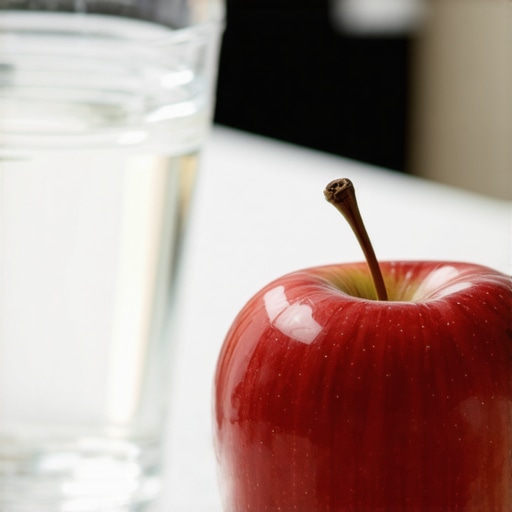 Regular professional maintenance is just as important because built-up tartar acts like sandpaper on your gum line, leaving microscopic raw areas that are easily irritated by fruit enzymes. Knowing how regular teeth cleaning can prevent major dental issues can help you understand how clean teeth directly protect you from chronic gum sensitivity.
Keep a Glass of Water Handy While Snacking
If you absolutely must eat your fruit completely raw and with the skin on, make sure you have a tall glass of water right next to you. Taking a sip and swishing vigorously after every single bite physically washes away the offending proteins before they have a chance to bind to your oral mucosal tissues. It is a simple mechanical workaround that dilutes the allergen concentration in your saliva. While it won’t stop a severe reaction if you are highly sensitive, it can dramatically lessen the mild tingling and itching that ruins a good afternoon snack.
The Microscopic Trap of Healthy Eating
Many of us believe that eating a raw, plant-based diet is the ultimate way to support our bodies, but in my experience, health-conscious eaters often struggle the most with unexplained oral sensitivity. The common myth is that raw fruits and vegetables naturally scrub your teeth clean. While fiber is great, the raw acids and active enzymes in fresh produce can actually weaken your enamel and irritate delicate mucosal tissues if your mouth is already slightly compromised. If you are constantly bathing your teeth in fruit sugars and organic acids without neutralizing them, you are slowly stripping away your mouth’s natural defenses. To combat this hidden wear and tear, understanding maintaining oral health expert advice for a lifetime of healthy teeth is vital for balancing a clean diet with a strong smile.
Can aggressively brushing after eating fruit permanently damage your smile?
The short answer is yes. One of the biggest mistakes people make when experiencing that post-fruit itch or tingle is running straight to the bathroom to brush. When you consume acidic fruits, your tooth enamel temporarily softens. Brushing immediately acts like sandpaper, scrubbing away the weakened enamel and exposing the highly sensitive dentin layer beneath. According to a study published in the Journal of Dentistry, brushing too soon after acid exposure dramatically accelerates dental erosion. Instead, you should rinse with plain water or a baking soda wash and wait at least thirty minutes before brushing. To ensure your hygiene habits are actually helping rather than hurting, take a look at the the ultimate guide to teeth cleaning techniques and benefits to protect your enamel.
The Hidden Nuance of Dental Cleaning and Sensitivity
People often think that a professional dental visit is only about scraping away plaque, but it also serves as a crucial reset for your oral microbiome and tissue tolerance. If you skip these visits, the microscopic buildup of tartar acts as an anchor for the very pollen proteins that trigger Oral Allergy Syndrome, keeping them in direct contact with your gums. Some patients avoid the chair because they fear discomfort, but modern practices have evolved. Exploring smile bright revolutionary teeth cleaning techniques for 2025 can show you how comfortable and protective these routine cleanings have become. Have you ever fallen into the trap of brushing your teeth immediately after eating fruit to get rid of an itch? Let me know in the comments below!
My Daily Protocol for Keeping Gum Sensitivity in Check
To truly maintain resilient gum tissue that does not overreact to raw fruit enzymes, you need a highly specific set of tools. I do not believe in generic recommendations; instead, I rely on a precise daily protocol. First, I made the switch to a dedicated sonic toothbrush that operates at exactly 31,000 brush strokes per minute. This specific frequency is crucial because it creates micro-bubbles of fluid that gently flush the tight spaces between your teeth without physically scraping your delicate gum line. I couple this with a targeted remineralizing toothpaste containing nano-hydroxyapatite (n-HAp) rather than standard fluoride alone. While fluoride is excellent, nano-hydroxyapatite physically bonds to micro-fractures in your enamel, sealing off the tiny tubules that lead directly to your dental nerves. This combination acts as a permanent shield against both acidic fruit juices and pollen-binding reactions.
How do I maintain resilient oral tissues over time?
Maintaining an allergy-resistant mouth is all about consistency and tissue integrity. If you let plaque biofilm accumulate for even forty-eight hours, your gums enter a state of sub-clinical inflammation. In this state, your immune cells are already on high alert, making them twice as likely to flare up when exposed to raw plant proteins. Beside using my sonic brush, I use a dedicated tongue scraper made of medical-grade surgical steel every morning. This tool physically lifts away volatile sulfur compounds and residual environmental pollen that you breathe in overnight. To make sure your daily home care routine is actually working, you can read up on the family dentistry tips that make oral care effortless and effective to protect everyone in your household. Continuous care prevents the tiny raw abrasions that make fruit enzymes feel like fire. 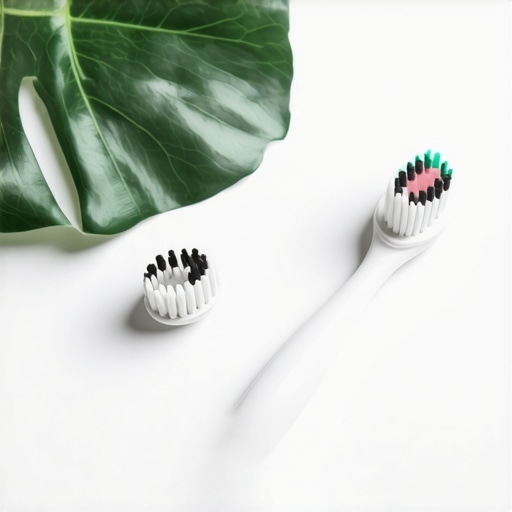
The Future of Bio-Compatible Dentistry
Looking ahead, I predict we will see a major shift toward bio-compatible oral health therapies. Rather than simply scrubbing away bacteria with harsh alcohol-based mouthwashes—which actually dry out your mucosal tissues and make Oral Allergy Syndrome significantly worse—the industry is moving toward targeting the oral microbiome. Research published by the International Journal of Molecular Sciences highlights how oral probiotics, specifically strains like Lactobacillus reuteri, can actively inhibit the inflammatory pathways associated with allergic mucosal responses. In the next few years, maintaining a bright, healthy smile will be less about aggressive cleaning and more about fostering a balanced, calm oral ecosystem. If you are also looking to address structural or cosmetic issues caused by years of enamel wear, exploring cosmetic dentistry innovations you can’t miss this year can help you rebuild both your confidence and your dental strength. My challenge to you today is to try just one advanced tip: swap your standard alcohol-based mouthwash for a pH-neutral, soothing rinse, or try lightly heating your morning fruit for ten seconds. You will be amazed at how quickly your mouth calms down.
The Crucial Realization About My Chronic Fruit Sensitivity
For the longest time, I assumed my body was simply failing me when a slice of fresh fruit triggered an intense, itchy reaction. I bought into the common myth that oral sensitivity was a permanent sentence, but my journey taught me three vital lessons. First, your gum barrier is highly dynamic; minor, untreated irritation from plaque acts like an open door for pollen-mimicking proteins. Second, brushing immediately after eating acidic fruit is actually a form of self-sabotage that wears down your protective enamel. Finally, managing Oral Allergy Syndrome is not about avoiding fresh produce forever, but about reducing the allergen load on the surface while maintaining a calm, resilient oral environment.
My Essential Toolkit for Calming Sensitive Gums
When you are trying to balance a healthy, fruit-rich diet with a comfortable smile, generic advice will not cut it. Over the years, I have curated a specific toolkit that has transformed my daily routine. I highly recommend investing in a medical-grade steel tongue scraper to physically lift pollen and sulfur compounds from your mouth every morning. I also suggest keeping a dedicated pH-neutral, alcohol-free soothing rinse on your bathroom counter to calm irritated tissues without drying them out. For those days when you want raw fruit, a simple vegetable peeler is your best friend to strip away the protein-dense skin. Lastly, keeping a water bottle nearby to swish and swallow after each bite is a zero-cost habit that significantly lowers local allergen concentration.
Take Control of Your Oral Ecosystem Today
You do not have to live in fear of the produce aisle or settle for a diet devoid of fresh, vibrant fruits. By implementing simple preparation tweaks and focusing on consistent, high-quality oral hygiene, you can rebuild your mouth’s natural defense system. A healthy, resilient smile is entirely within your reach when you treat your gums with the care they deserve. If you are ready to take your daily hygiene to the next level, reading up on teeth cleaning secrets to achieve a bright smile in under 30 minutes is a fantastic place to start. Have you ever experienced an annoying itch after eating raw peaches or apples, and what did you do to make it stop? Let me know in the comments below!