
It started with a crisp Gala apple on a sunny Tuesday afternoon. One minute I’m enjoying what I thought was a healthy snack, and the next, I’m frantically rubbing my tongue against my gums like a person possessed. It wasn’t just a mild tickle; it felt like a swarm of tiny, invisible ants was throwing a rave under my gumline. My first instinct? Total, unadulterated panic. I spent twenty minutes in front of the bathroom mirror, poking at my gums with a toothpick and wondering if I’d suddenly developed a terrifying, fast-acting dental disease. I even made the classic rookie mistake of reaching for the stiffest toothbrush I owned to try and ‘scratch’ the itch from the inside out. I remember sitting at my kitchen table later, looking at a beautiful peach like it was a hand grenade. I loved peaches! But the thought of that subsequent ‘burning-itch’ was enough to make me opt for a bag of processed chips instead. That’s the tragedy of this condition; it drives us away from the good stuff. I once even tried rinsing with harsh mouthwash thinking it was a bacteria issue, which only made the sting ten times worse.
The Hidden Reason Fresh Produce Makes Your Mouth Tingle
Let me save you the pain right now: scrubbing your gums until they bleed won’t help one bit. I learned the hard way that aggressive brushing actually worsens the irritation, especially if you are already following best practices for sensitive gums. What I was actually experiencing—and what you’re likely dealing with too—is something called Oral Allergy Syndrome (OAS). It’s this bizarre cross-reaction where your immune system gets confused. It sees the proteins in certain raw fruits, like apples, peaches, or even melons, and thinks they are the same as environmental pollen proteins. According to the American College of Allergy, Asthma, and Immunology, this cross-reactivity can affect up to 75% of adults who are allergic to birch pollen. It is one of those oral health myths debunked that every tingle is a sign of a life-threatening emergency, but that doesn’t make the discomfort any less real. I spent years avoiding the fruit bowl because I didn’t understand that my mouth wasn’t the enemy—my hay fever was just playing tricks on me.
Is this annoying itch actually worth a trip to the doctor?
I used to be so skeptical. I’d ask myself, ‘Is this just something I have to live with because I’m “sensitive”?’ I felt like I was being dramatic. But the truth is, understanding why your gums itch and what you can do about it is the first step toward actually enjoying a fruit salad again without fear. The skepticism usually comes from the fact that the symptoms are so fleeting; usually, they vanish within thirty minutes. However, the anxiety of not knowing why it’s happening is often worse than the itch itself. Have you ever found yourself avoiding your favorite fruits because you were scared of that ‘fuzzy’ feeling in your mouth? You aren’t alone, and you definitely aren’t crazy. [image_placeholder] We’re going to dive into the specific ways you can neutralize these proteins so you can get back to your healthy snacks without the dental drama.
Cook Your Fruit to Neutralize the Itch
The most effective way to stop the ‘invisible ants’ from raiding your gumline is to apply heat. Think of the proteins in a raw apple or peach as a tightly folded origami crane. Your immune system recognizes that specific shape as a threat. When you heat the fruit—whether by microwaving, baking, or poaching—you essentially unfold that paper. The protein changes shape, and your immune system no longer ‘sees’ the allergen. I remember the first time I tested this theory; I was so desperate for a peach that I threw a whole one into the microwave for a full minute. It actually exploded, spraying warm peach guts across the microwave door and my favorite shirt. It was a sticky, steaming mess, but once I scraped the remains into a bowl and let it cool, I ate it. For the first time in years, my gums didn’t feel like they were being poked by needles. It wasn’t the prettiest snack, but it was a total victory for my long-term oral health. 
Why Most of the Trouble Hides in the Skin
If you can’t bear the thought of a mushy, microwaved apple, your next line of defense is the peeler. In many cases of Oral Allergy Syndrome, the highest concentration of these cross-reactive proteins is found right in the skin. By peeling your fruit, you are removing the primary trigger zone. This isn’t just about avoiding a tingle; it’s about protecting your mouth from the inflammation that leads to over-brushing. I used to think I could just scrub the ‘itch’ away, but that only led to more sensitivity. Instead, focus on the ultimate guide to teeth cleaning techniques to ensure you aren’t doing more harm than good with an abrasive toothbrush after a reaction.
Canned Alternatives Are Your New Best Friend
There is a reason you probably don’t itch when eating a slice of canned pineapple or a store-bought peach cobbler. The high-heat pasteurization process used in canning denatures the proteins entirely. If you’re in the middle of a bad pollen season and your gums feel extra reactive, skip the farmer’s market aisle for a week and head to the canned goods. Just be sure to rinse off the heavy syrups to keep those sugar levels low, which is a staple among best practices for sensitive gums and preventing cavities.
What to Do if the Tingle Starts Anyway
Sometimes, a stray slice of raw garnish gets through, and that familiar burning itch sets in. When this happens, the worst thing you can do is go into a cleaning frenzy. Do not reach for the floss or a stiff brush to ‘itch’ the gums. Instead, rinse your mouth with cool, filtered water to help wash away any remaining fruit particles. If you’ve been aggressive with your hygiene in the past to deal with this, you might want to learn how regular teeth cleaning can prevent major dental issues that stem from gum trauma. A quick rinse and an over-the-counter antihistamine (if your doctor approves) are usually enough to calm the storm within twenty minutes. If you find the roof of your mouth feels particularly ‘fuzzy,’ try gently pressing your tongue against it rather than using your fingernails or a toothpick, which can introduce bacteria and lead to actual infections.It’s easy to think that once the ‘fruit tingle’ from Oral Allergy Syndrome subsides, your oral health is back on track. But here is the nuance most people miss: oral health isn’t just about avoiding triggers; it’s about managing a microscopic ecosystem that is constantly evolving. A common myth I hear is that if you brush three times a day and floss like a champion, you can safely skip the professional chair. I used to believe this too, thinking my high-end electric toothbrush was a magic wand. However, research published in the British Dental Journal indicates that certain pathogenic bacterial biofilms can become ‘fixed’ and mature in subgingival areas a toothbrush simply cannot reach, regardless of your technique.
Stop Treating Your Hygienist Like a Car Detailer
Most patients view a professional cleaning as a way to get rid of coffee stains or ‘shine up’ their smile, but its primary purpose is much more technical. We aren’t just ‘polishing’ the surface; we are disrupting bacterial colonies that have spent six months building a fortress under your gumline. If you only focus on the aesthetics, you’re missing the forest for the trees. This is why how regular teeth cleaning can prevent major dental issues is more about microbiology than beauty.
Why Does My Mouth Still Feel Gritty Even When I Floss?
This is a question I get from the most diligent patients. Often, that ‘gritty’ feeling isn’t just food; it’s the beginning of calculus (tartar) that has already mineralized. Once it hardens, no amount of home scrubbing will budge it. In fact, trying to ‘scrape’ it yourself is a massive trap. I’ve seen patients use metal picks or even safety pins at home, only to gouge their enamel or cause permanent gum recession. This is one of the biggest oral health myths debunked: the idea that you can be your own dentist with a steady hand and a mirror.
The Whitening Toothpaste Trap
We all want a brighter smile, but reaching for the ‘extra whitening’ tube every morning might be the worst thing you can do for long-term sensitivity. Most of these products are highly abrasive. They don’t actually change the internal color of your teeth; they just sand off surface stains—and sometimes a layer of your enamel with them. If you’re curious about the science, the truth about whitening toothpaste reveals that long-term use can actually make teeth look yellower as the thinning enamel exposes the darker dentin underneath. If you really want a change, looking into the impact of cosmetic dentistry in 2025 offers safer, more effective alternatives that protect your tooth structure. 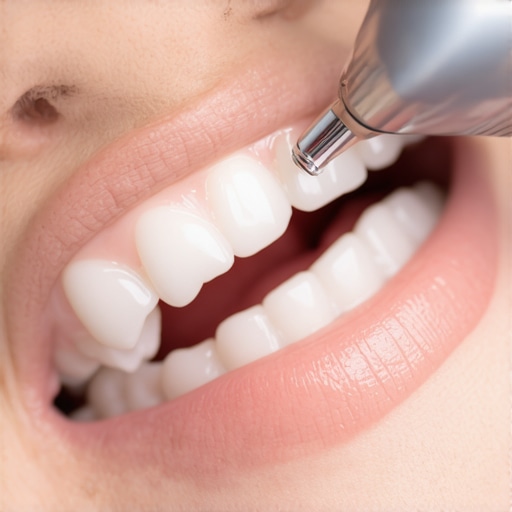 Have you ever fallen into this trap of over-cleaning or using harsh products? Let me know in the comments. By shifting our focus from ‘scrubbing hard’ to ‘cleaning smart,’ we can maintain that expert level of oral health that lasts a lifetime. Utilizing the ultimate guide to teeth cleaning techniques is about precision and biology, not just power.
The One Tool That Reaches the Invisible Fortress
Once I accepted that my manual scrubbing was actually doing more harm than good, I had to find a way to disrupt that subgingival biofilm without the trauma. That is when I discovered the water flosser. If you aren’t using one, you are essentially leaving 40% of your tooth surfaces untouched. I don’t just use it because it is ‘easier’ than string; I use it because the pulsating action creates a localized compression and decompression that literally flushes out the bacteria living in the pockets of your gums. It is like a power washer for your mouth. In fact, a study published in the Journal of Clinical Dentistry found that water flossing was up to 29% more effective than traditional string floss for plaque removal. For those of us with sensitive gums, it is a game-changer because you can control the temperature and the pressure, ensuring you are following best practices for sensitive gums without skipping the deep clean.
Why Your Brush Needs a Brain
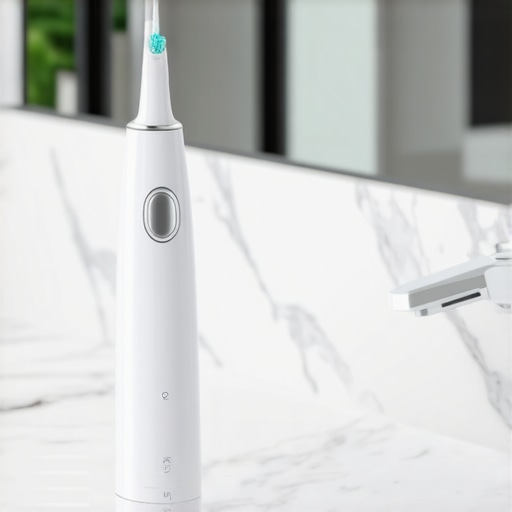
I finally retired my manual toothbrush for a sonic model with a pressure sensor, and my dentist noticed the difference in one visit. Most of us brush too hard because we think friction equals cleanliness. It doesn’t. Sonic technology moves the bristles at such a high frequency that it creates ‘fluid dynamics,’ pushing toothpaste and water into areas the bristles don’t even touch. This is one of the top 5 secrets to maintaining perfect oral health as a family. If you have kids who treat brushing like a race, these brushes often come with timers and apps that turn it into a game, which is a staple among family dentistry tips that make oral care effortless and effective. I also added a stainless steel metal scraper to my routine. If you struggle with bad breath or that ‘fuzzy’ tongue feeling, you need to understand the best way to clean your tongue without triggering a gag reflex—it’s about the tool, not the effort.
How do I maintain my results over the long haul?
Maintenance is a marathon, not a sprint. I keep a ‘dental go-bag’ in my car with xylitol mints and a travel water flosser. This helps me maintain preventive tips for long-lasting dental health for families even when we are on the go. Scaling this routine for the whole family means making it a collective ritual rather than a chore. I’ve found that when everyone is invested in the ‘science’ of their smile, we spend significantly less time in the dentist’s chair for emergencies and more time for preventative care. Remember, how regular dental cleanings can save you money in the long run is a reality; it’s much cheaper to prevent a cavity with a $100 cleaning than to fix a broken tooth with a $1,500 crown.
The Future of Your Bathroom Counter
In the next few years, I predict we will see AI-integrated brushes that don’t just track where you brush, but analyze the pH levels of your saliva in real-time to alert you to potential decay before it even starts. We are already seeing cosmetic dentistry innovations you can’t miss this year that focus on bio-compatible materials and non-invasive scanning. My advice? Don’t wait for the tech to catch up. Start the ‘Water Flosser Challenge’ tonight—use one every evening for 14 days straight. You’ll be shocked at how much healthier your gums look and how much better your breath feels. Once you see the physical evidence of what you were leaving behind, you’ll never go back to just ‘scrubbing’ again.
The Three Biggest Mistakes I Made Before Fixing My Sensitive Gums
Looking back at my years of frantic scrubbing and fruit avoidance, I realize I was fighting the wrong battles. First, I treated my gums like a dirty floor that needed scouring, which is one of the most common oral health myths debunked in modern dentistry. Second, I assumed that if I couldn’t see the plaque, it wasn’t there; I didn’t understand the invisible bacterial fortresses building beneath the surface. Finally, I thought my ‘fruit allergy’ was a permanent sentence to a life of processed snacks, not realizing that simple temperature shifts could change everything.
Items You Need on Your Bathroom Counter Right Now
If you want to maintain expert level oral health, you need more than just a standard brush. I swear by my cordless water flosser for its ability to flush out those hard-to-reach pockets without the irritation of string. I also recommend keeping a pack of Xylitol-based mints in your bag; they stimulate saliva flow which naturally buffers the acids in your mouth after a snack. Lastly, a high-quality tongue scraper is non-negotiable for removing the biofilm that causes that ‘fuzzy’ feeling after eating. Following the ultimate guide to teeth cleaning techniques means having the right tools for the job.
Reclaim Your Love for Fresh Food Without the Fear
You don’t have to live in a world where a crisp apple feels like a threat. By understanding the science of Oral Allergy Syndrome and adopting best practices for sensitive gums, you can enjoy the farmer’s market again. Remember that professional help isn’t just for emergencies; knowing how regular dental cleanings can save you money in the long run helps you stay ahead of the curve. Your journey to a tingle-free, healthy smile starts with that first small change in your routine today. Have you ever experienced that weird tingle after eating a specific fruit, or did you think it was just a normal part of life? Let me know below!