
I still remember the exact moment I noticed it. I was standing in front of my bathroom mirror, brushing after lunch, when the light hit my front teeth just right. The very bottom edges looked like frosted glass. They were practically see-through! My heart sank. I immediately started rubbing my tongue against them, convinced they were about to crumble. Was I losing my enamel forever?
As a self-proclaimed dental enthusiast who prides myself on knowing the ins and outs of maintaining oral health, I felt completely defeated. In my early twenties, I made the classic mistake of aggressively scrubbing my teeth with extra-firm bristles and guzzling lemon water every morning, thinking I was being incredibly healthy. In reality, I was slowly wearing away the protective outer shell of my smile.
If you are staring at your reflection wondering why your teeth look like they are fading away at the tips, you are not alone. Today, we are going to dive into exactly what causes this translucent effect and how you can stop the enamel thinning before it leads to serious damage. You do not have to live with weak, glass-like edges.
Is translucent enamel actually a sign of a dental emergency?
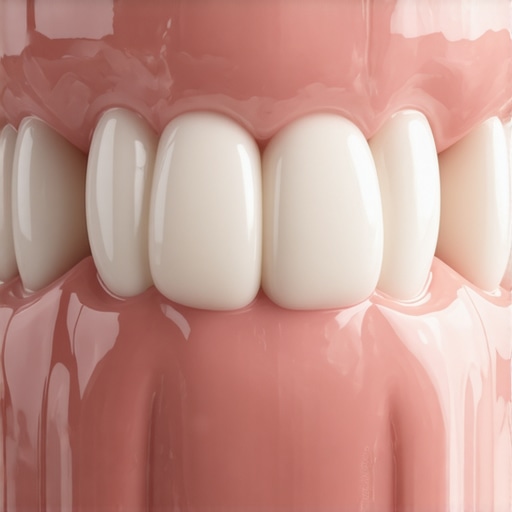
It is easy to panic and assume your teeth are on the verge of falling out, but translucent edges are usually a slow-brewing warning sign rather than an overnight catastrophe. This transparency happens because the dense, white dentin layer of your tooth does not extend all the way to the very biting edge. Only the enamel does. When that enamel thins due to acid wear or friction, it becomes semi-transparent.
According to the American Dental Association, once tooth enamel is lost, your body cannot rebuild it because enamel is made of non-living mineral crystals. However, you can absolutely strengthen what you have left and prevent further wear.
Have you ever glanced in the mirror and noticed your own teeth looking a bit see-through at the bottom? Let me know in the comments below!
If you want to keep your enamel strong, standard brushing at home is only half the battle. Regular professional care is vital. To explore how professional cleanings keep your protective layers intact, read about how regular teeth cleaning can prevent major dental issues, or if you already struggle with temperature pain from thinning enamel, check out our guide on gentle teeth cleaning best practices for sensitive gums to protect your smile without the discomfort.
Your Daily Blueprint for Saving Your Thinning Enamel
Think of your enamel like the clear-coat varnish on a beautifully painted wooden table. Once that top protective coat is scratched or eaten away by harsh chemicals, the delicate wood underneath becomes completely vulnerable. To stop your teeth from looking see-through, you need to change the chemical environment in your mouth immediately. We can do this by adjusting how we eat, how we brush, and how we protect our teeth at night.
Ditch the Morning Lemon Water and Acidic Habits
Many of us fall into the trap of starting the day with warm lemon water, apple cider vinegar shots, or citrusy green juices. While these might feel great for your digestion, they act like liquid sandpaper on your teeth. The acid temporarily softens your enamel, making it incredibly easy to brush right off.
If you must drink acidic beverages, use a straw to bypass your teeth entirely, and never brush your teeth immediately afterward. I learned this the hard way. During my health-kick phase, I used to drink a massive grapefruit juice and head straight to the bathroom to scrub my teeth. Within months, the tips of my incisors looked like translucent plastic. Once I shifted to rinsing with plain water after acidic drinks and waiting at least thirty minutes before brushing, the rapid wear stopped completely.
Upgrade to a Mineralizing Routine
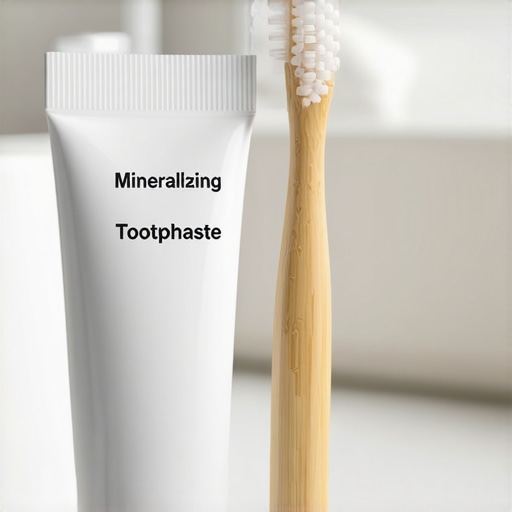
To actively strengthen the remaining crystalline structure of your teeth, you must feed them the right minerals. Standard toothpaste cleans, but mineralizing toothpaste rebuilds. Look for formulas containing nano-hydroxyapatite or high-concentration fluoride. These ingredients bond to the microscopic divots in your enamel, filling in the thinned-out areas. Additionally, make sure you are using an extra-soft toothbrush and holding it with just two fingers to prevent applying too much pressure.
Shield Your Smile from Nighttime Friction
You might be destroying your enamel while you sleep without even knowing it. Grinding or clenching your teeth at night exerts immense physical pressure, causing microscopic flexure near the chewing edges. This mechanical stress causes the thin enamel at the tips of your front teeth to chip and wear away, accelerating that transparent glass look.
Investing in a protective barrier is the most effective way to halt this friction. To understand why a professional option is always superior to a cheap, bulky store-bought version, read our guide on why we recommend a custom mouthguard over the store-bought kind. Protecting your teeth at night ensures your mineralizing efforts during the day actually have a chance to work.
Is scrubbing harder actually making your teeth dirtier?
Everyone tells you that to keep your teeth sparkling and white, you need to brush diligently after every single meal. But in my experience, over-cleaning is the single quickest way to destroy your smile. This is what we call the ‘abrasion trap.’ When you brush obsessively—especially right after consuming anything remotely acidic—you are actually rubbing the microscopic structural minerals off your teeth. You think you are cleaning, but you are actually polishing away the very enamel that keeps your smile bright, eventually exposing the yellow dentin underneath.
The common myth is that stronger whitening toothpastes will fix this dingy appearance. In reality, highly abrasive whitening formulas scrape away even more of your remaining translucent enamel. According to a landmark study published in the Journal of Dentistry, highly abrasive dental care products can accelerate enamel loss by up to 50% compared to mild, mineralizing alternatives. If you want a brighter look without stripping your teeth bare, you need to explore professional, non-abrasive methods, such as reading up on the science behind teeth whitening rather than relying on grocery store scrubs.
What is the hidden nuance of post-cleaning sensitivity?
If you already have thinning enamel and you go in for a deep scaling, you might experience a sudden jolt of pain when drinking cold water afterward. Many people panic and assume the hygienist damaged their teeth. In truth, this happens because removing calculus exposes the already-thinned areas of your teeth to the air and temperature changes. To set your mind at ease about this temporary sensation, you can read more about why your teeth feel more sensitive after a professional cleaning.
Another massive ‘oops’ factor is using DIY home remedies like baking soda or mashed strawberries. I once tried a viral fruit-rubbing trend in college, only to learn later that the citric acid in the fruit was literally etching microscopic pores into my front teeth. Do not fall for these kitchen science projects; they destroy your enamel in days. If you want to safely enhance your smile, it is always better to look into modern, non-invasive cosmetic dental treatments that preserve your enamel. For instance, check out the latest cosmetic dentistry innovations to see how we can restore glass-like edges without further grinding.
Protecting your smile is all about balance, not brute force. Have you ever fallen into this trap of scrubbing too hard or using harsh DIY whiteners? Let me know in the comments below!
How do I maintain my protective tooth enamel over the long term?
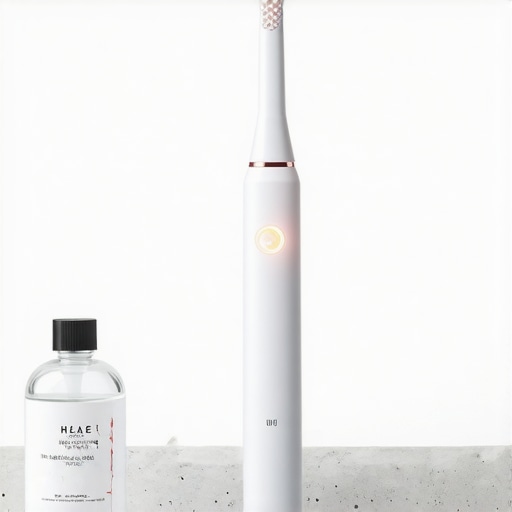
The secret to keeping your enamel strong after years of accidental wear comes down to the precise calibration of your daily tools. You cannot rely on standard drugstore brushes or generic routines if your enamel is already showing that glass-like translucency. I personally switched to an electric toothbrush featuring an integrated pressure sensor, specifically calibrated to shut off oscillation the second you press harder than 150 grams of force. This physical boundary is crucial because it takes the guesswork out of brushing, protecting the delicate, thinned areas of your front teeth from mechanical stripping.
Additionally, incorporating a dedicated alkaline mouth rinse into your routine immediately after meals neutralizes acidic pH levels before they can soften your enamel. When you neutralize acids instantly, you protect your teeth from the physical erosion caused by everyday eating. For those who manage oral care for the whole household, establishing these gentle, science-backed habits early is the easiest way to prevent future enamel thinning, which is why practicing family dentistry tips that make oral care effortless and effective can protect everyone’s smiles from the start.
The tech-driven future of enamel restoration
We are on the cusp of a massive shift in how we treat thinning teeth. While we historically believed that lost enamel was gone forever, dental science is moving rapidly toward biomimetic regeneration. Niche research from the Journal of Nanobiotechnology highlights how synthetic peptide templates are now being engineered to guide calcium and phosphate ions to rebuild enamel-like mineral layers directly on the tooth surface. In the near future, we will likely see these peptide-based gels offered as standard preventive therapies during routine visits.
Until those futuristic therapies are sitting in our medicine cabinets, your best defense is a mix of high-quality home maintenance and advanced clinical care. Keeping up with professional cleanings ensures that plaque buildup doesn’t contribute to acidic erosion. If you are overdue for a visit but worry about the scrape of dental tools on your thin enamel, you can opt for specialized care by exploring gentle teeth cleaning best practices for sensitive gums to keep your mouth healthy without the painful sensitivity.
For those whose enamel has already thinned to the point of causing cosmetic frustration or structural chipping, modern restorative options are better than ever. If you want to explore how advanced materials can safely cover and protect those translucent edges, take a look at the latest cosmetic dentistry innovations. My challenge to you today is to make one immediate change: swap your medium or firm toothbrush for an extra-soft version, and commit to waiting thirty minutes to brush after your next cup of coffee.
The Hardest Lesson I Learned About Protecting My Smile
When I first noticed my teeth becoming see-through, I thought the solution was simply to clean harder. I fell for the classic trap of trying to scrub away the translucent look, which only accelerated the wear. Here are the three most critical lightbulb moments from my own dental journey:
- Enamel loss is silent but visible: It doesn’t hurt when you lose the outer layer; you only notice it when the light hits your teeth and they suddenly look like glass.
- Acid and friction are a destructive duo: If you drink morning coffee or lemon water and then brush immediately, you are essentially sandpapering your teeth.
- Gentleness beats force every time: You cannot scrub your way to a healthier smile. Protection is about chemistry, not elbow grease.
My Essential Toolkit for Enamel Defense
If you want to stop the wear and actively protect your teeth, you need to upgrade what you keep in your bathroom cabinet. These are the tools and strategies I trust to keep my smile strong:
- Nano-Hydroxyapatite (n-HAp) Toothpaste: Unlike standard formulas, n-HAp actually binds to microscopic grooves to build up thinned areas.
- Electric Brush with a Pressure Sensor: I recommend a smart brush that literally stops spinning if you press too hard, protecting your delicate incisors.
- Alkaline Rinses: A quick rinse with a basic solution or even plain water after eating neutralizes enamel-softening acids instantly.
- A Custom Night Shield: If you grind your teeth, you need a physical barrier. To understand why generic options won’t cut it, look into why we recommend a custom mouthguard over the store-bought kind to save your biting edges from nighttime stress.
Step Into the Future of Restorative Care
You do not have to live with the anxiety of fading, glass-like teeth. While we work diligently at home to protect our remaining tooth structure, dental science is rapidly advancing. If your enamel has already thinned to the point of causing cosmetic frustration, there are incredible, non-invasive ways to rebuild the look of your smile. Take a moment to explore the latest cosmetic dentistry innovations to see how modern materials can beautifully restore those transparent edges.
Protecting your maintaining oral health goals is a daily practice of patience and gentle care. Start today by tossing out your hard-bristle brush and waiting thirty minutes to brush after your meals.
Have you noticed the bottom edges of your front teeth looking a little translucent lately? Let me know in the comments below!