
I still remember the first morning after my permanent porcelain crown was cemented. I reached for my water glass, took a sip, and froze. My back molar didn’t just feel different; it felt like it was under a hydraulic press. I was convinced the porcelain was expanding or, worse, that my tooth was rejecting the material. I spent the next hour frantically Googling and poking at my gums, certain I had made a massive mistake in my journey toward better oral health. But here’s the thing: that tightness is a message from your body, and it’s rarely about the crown itself. Today, we’re going to peel back the curtain on why your mouth feels like a construction zone at 7:00 AM and how you can actually get some relief.
That Morning Panic When Your Tooth Feels Two Sizes Too Big
The sensation of a tight crown is visceral. It’s a nagging, dull pressure that makes you want to wiggle the tooth just to see if it’s loose. Early on, I made the classic rookie mistake of assuming my dentist had simply botched the job. I even considered why your bite feels off after getting a new filling and figured my crown was just another case of poor alignment. I didn’t realize that our mouths are dynamic environments that don’t just ‘pause’ when we sleep. According to the American Sleep Association, nearly 10% of adults suffer from nocturnal bruxism, which is a significant factor in how we perceive dental work upon waking. This pressure can make a perfectly fitted crown feel like a vice grip by dawn.
Is it possible my dentist just didn’t fit this thing right?
It’s the first question everyone asks. We spend a lot of money on family dentistry and specialized procedures, so it’s natural to be skeptical of the handiwork. You might wonder if the lab made the crown too wide or if the cement is somehow swelling. While a high bite can happen, the tightness you feel only in the morning usually points to a different culprit entirely. Have you ever woken up with this specific, localized pressure and wondered if you should call the office immediately?
The Real Reason Your New Crown Feels Like a Vice Grip
When we get a new crown, our brain often treats it as a foreign object. Even with the best preventive tips for long-lasting dental health, your jaw muscles might react to the new shape by clenching down harder during the night. This isn’t just about the tooth; it’s about the ligaments and the bone responding to a change in the landscape. I once ignored this feeling for weeks, thinking it would settle, only to find out I was actually stressing my jaw joint unnecessarily. If you have children, you might even notice how to stop your child from grinding their teeth in their sleep is a common topic because these habits often start early and follow us into adulthood, eventually affecting how our adult dental work feels when we finally get it.
Test Your Crown Fit with a Piece of Floss
The first thing you need to do is a simple physical check. Think of a new crown like a new pair of stiff leather boots; they should be snug, but they shouldn’t cut off your circulation. Take a piece of high-quality dental floss and slide it between the new crown and the neighboring teeth. If the floss shreds or gets stuck so hard you have to yank it out, the ‘contact point’ is likely too tight. This physical crowding puts constant pressure on the roots of the adjacent teeth, and because your teeth naturally shift slightly when you lie down due to changes in blood pressure, that tightness magnifies by morning. This is often why your teeth feel tight after getting a new filling or crown even if the work looks perfect to the naked eye. 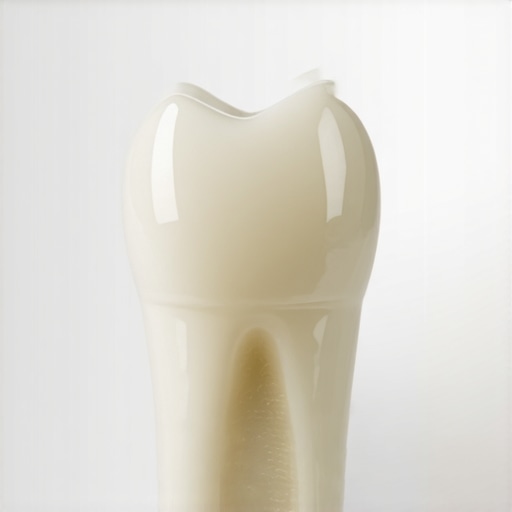
Respect the Shock Absorbers in Your Jaw
Your teeth aren’t bolted directly into the bone; they are suspended by thousands of tiny fibers called the periodontal ligament. When a new crown is placed, these fibers have to reorganize. If the crown is even a fraction of a millimeter too high, it hits first every time you swallow or clench in your sleep. Imagine walking all day with a tiny pebble in only one of your shoes. By the end of the day, your whole hip would hurt. In your mouth, that ‘pebble’ is a high bite. You can learn more about the reason your bite feels off after getting a new filling or crown by monitoring if the pressure is localized to just one spot when you first wake up.
Wait for Your Jaw Ligaments to Stop Reacting
For some, the tightness isn’t a mechanical error but a neurological one. When I got my first molar crown, I spent three nights waking up with a sore jaw. I was convinced the porcelain was too big. However, my dentist explained that my brain was subconsciously trying to ‘grind down’ the new high spot. To combat this, you need to focus on muscle deprogramming. Before bed, try the ‘tongue to roof’ technique: place the tip of your tongue on the roof of your mouth and let your jaw hang loose. This prevents the teeth from touching and reduces the nocturnal force. It is one of the top 5 secrets to maintaining perfect oral health as a family because it prevents long-term wear on expensive dental work.
The Time I Thought My Tooth Was Falling Out
I remember one specific Tuesday where the pressure was so intense I tried to wiggle the crown with my thumb. It felt like the entire quadrant of my mouth was pulsing. I realized then that I had been skipping my evening relaxation routine. Stress manifests in the jaw. Just as we look for how to stop your child from grinding their teeth in their sleep, we have to audit our own stress levels. I started using a warm compress on my jaw for five minutes before sleep, and the ‘tight’ morning sensation vanished within two days.
When to Call the Office for a Quick Adjustment
If the tightness persists for more than seven days or if you start to feel a ‘sharp’ pain when biting down on something soft like bread, it is time for a professional adjustment. This isn’t a failure of maintaining oral health; it’s a standard part of the process. Dentists use a thin piece of articulating paper—essentially dental carbon paper—to see exactly where the crown is hitting too hard. A thirty-second buffing of the porcelain can often provide instant, life-changing relief.Most people assume that once a crown is cemented, that tooth is officially ‘bulletproof.’ This is arguably the most dangerous myth in family dentistry. In reality, the margin—the exact line where the porcelain meets your natural tooth—is a microscopic highway for bacteria. If you treat your crown like an invincible shield, you are setting yourself up for a nasty surprise. Have you ever noticed how to stop your dental crown from smelling like old food? That scent is often the first warning that your ‘invisible’ margin is harboring debris that standard brushing misses.
The Great Whitening Paradox and Your New Porcelain
Here is a contrarian take that surprises many of my readers: your favorite whitening toothpaste is likely the enemy of your new dental work. We are conditioned to believe that ‘white equals healthy,’ but as we look at how to transform your smile with the impact of cosmetic dentistry in 2025, we have to talk about surface integrity. High-end porcelain crowns and veneers have a factory-applied glaze that mimics the natural luster of enamel. When you use abrasive whitening pastes, you aren’t cleaning the porcelain; you are micro-scratching it. According to a study published in the Journal of Conservative Dentistry, the Relative Dentin Abrasivity (RDA) of many popular whitening brands is high enough to significantly increase the surface roughness of ceramic restorations over just six months. This creates a porous surface that actually attracts more stains than it removes—a classic ‘oops’ factor that most patients learn the hard way.
Can Your Choice of Toothbrush Actually Destabilize a New Restoration?
It sounds like a sophisticated concern, but it is a very real issue for those with multiple restorations. If you are using a hard-bristle brush to ‘really get in there’ around a new crown, you might be causing localized recession. I often explain why your gums are receding only on one side of your mouth as a result of aggressive technique rather than poor hygiene. When the gum line retreats, it exposes the tooth structure underneath the crown, which is far more susceptible to decay than the porcelain itself. This is why some people are more prone to cavities regardless of hygiene—they are physically removing the protective gum barrier through sheer force. 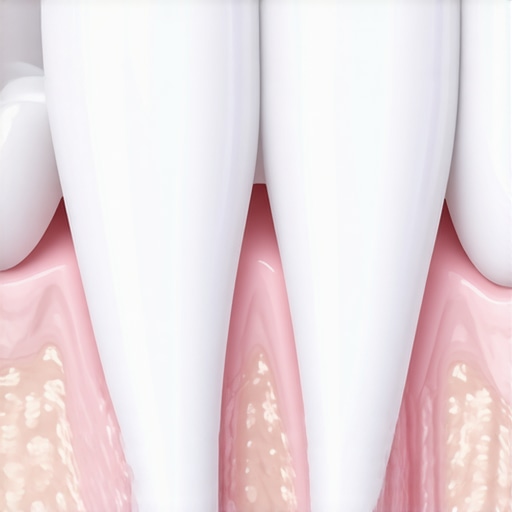
Don’t Fall for the ‘One-Size-Fits-All’ Flossing Trap
There is a common trap involving ‘floss picks’ and heavy-handed cleaning. While convenient, these tools often lack the flexibility needed to wrap around the base of a crown. I’ve seen patients accidentally pop a crown loose because they used a ‘see-saw’ motion with a rigid pick. Instead, focus on C-shape flossing with a soft, waxed thread. This is one of the top 5 secrets to maintaining perfect oral health as a family because it protects the integrity of both natural teeth and expensive hardware. If you feel that morning tightness we discussed earlier, your first instinct shouldn’t be to scrub harder. It should be to audit your tools. Have you ever fallen into the trap of thinking a more aggressive clean is a better clean? Let me know in the comments below, and let’s talk about the gentle alternatives that actually save your smile.If you want to move beyond the basics of family dentistry and truly protect a significant investment in your smile, you need to upgrade your home setup. I personally moved away from standard string floss for my crowned teeth and switched to a high-pressure water flosser. Why? Because the ‘margin’ I mentioned earlier—the gap where the porcelain meets your real tooth—is where the game is won or lost. A water flosser doesn’t just push debris; it creates a hydro-vortex that flushes out the bacterial biofilm that manual brushing simply can’t touch. This is a key part of the ultimate guide to teeth cleaning techniques and benefits. I’ve found that using the ‘pulsating’ mode specifically helps stimulate blood flow in the gums around the crown, preventing that unsightly recession that eventually exposes the base of the restoration. 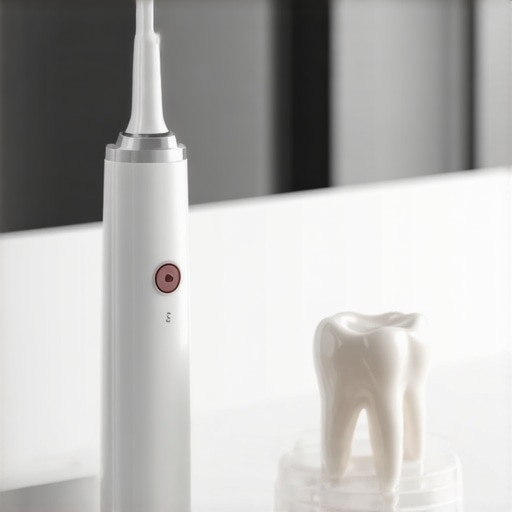
Upgrade Your Toolbox to Protect Your Investment
For many of us, the goal is to ensure how regular teeth cleaning can prevent major dental issues in the future. I recommend investing in a sonic toothbrush with a built-in pressure sensor. Most people with new crowns tend to over-compensate by scrubbing too hard, which is one of the main reasons why your gums are receding on only one side of your mouth. A sensor that flashes red when you press too hard is a literal lifesaver for your porcelain glaze. As noted by Dr. David Clark, a pioneer in biomimetic restorative dentistry, the longevity of any crown is heavily dependent on the seal of the margin and the patient’s ability to maintain that seal through non-abrasive, consistent hygiene. Using a specialized interdental brush for those tricky gaps can also be a game-changer for those looking for preventive tips for long-lasting dental health for families.
How can I keep my cosmetic work looking brand new for years?
The secret isn’t just about what you do at home; it’s about how you coordinate with your hygienist. When you go in for your bi-annual visit, mention that you have new porcelain. A pro-level cleaning for someone with crowns should involve ultrasonic scaling to gently vibrate away tartar without scratching the ceramic. This proactive approach is exactly how regular dental cleanings can save you money in the long-run by avoiding the need for crown replacements every five years. If you’ve been curious about cosmetic dentistry trends that transform your smile this year, you’ll notice that ‘longevity through maintenance’ is the biggest buzzword right now.
What the Future of Porcelain Technology Looks Like
Looking ahead, I predict we will soon see ‘smart crowns’ integrated with bioactive materials. These restorations won’t just sit there; they will actively release minerals like calcium and phosphate to reinforce the natural tooth structure underneath them. We are already seeing cosmetic dentistry innovations you can’t miss this year that focus on biocompatibility. In the near future, you might even have a tiny sensor in your crown that alerts your phone if it detects a shift in your bite or signs of nocturnal grinding. This kind of tech is the next step in maintaining oral health. My advanced tip for you today: Try swapping your manual brush for a sonic version with a pressure sensor for one week; you’ll be amazed at how much faster that ‘new crown tightness’ disappears when you aren’t accidentally irritating your gums.
The Reality Check Your Brain Needs After a New Restoration
After years of working with patients and managing my own dental work, I’ve realized that the ‘morning squeeze’ is often more about your mind than the porcelain. Here are the three most surprising truths I’ve uncovered: First, your brain keeps a hyper-accurate map of your mouth, and a new crown is like a new building on a familiar street—your tongue and jaw will obsessively ‘check’ it until the map updates. Second, that tightness is frequently a sign of your periodontal ligaments doing their job, adjusting to the new distribution of force. Finally, many oral health myths busted by modern science show that ‘tight’ doesn’t mean ‘ill-fitting’; it often means your jaw is simply learning how to rest again.
The High-Performance Tools for a Flawless Finish
To keep your investment looking and feeling like day one, you need to look beyond the basic drugstore toothbrush. I swear by these three essentials for anyone with high-end cosmetic work:
- The Pressure-Sensing Sonic Brush: This is the single best way to prevent the recession I mentioned earlier. I trust the high-end models from Philips or Oral-B because they force you to be gentle, which is the cornerstone of family dentistry tips that make oral care effortless.
- A Dedicated Water Flosser: If you want to avoid the ‘old food’ smell, you need a hydro-vortex. I personally use a Waterpik twice a day to flush the margins where bacteria love to hide.
- Non-Abrasive Hydroxyapatite Paste: Instead of gritty whiteners, look for pastes that actually remineralize your natural tooth structure without scratching your impact of cosmetic dentistry.
#IMAGE_PLACEHOLDER_E#
Believe in the Power of a Restored Smile
Getting a crown is about more than just a functional fix; it is about reclaiming the confidence to laugh and eat without hesitation. While the initial adjustment period can be frustrating, remember that you have taken a massive step toward long-term health. Don’t let a few mornings of pressure discourage you. By staying consistent with your hygiene and understanding how regular dental cleanings can save you money, you are ensuring that this restoration lasts for decades. Your smile is an investment in yourself, so treat it with the patience and care it deserves. If you ever feel unsure, never hesitate to contact us for a quick check-up to put your mind at ease. Did your morning tightness fade on its own after a few days, or did you find that a quick professional adjustment was the magic fix? Let me know your experience in the comments below!