
I remember sitting in my car after a routine appointment, tongue exploring a brand-new composite restoration, and feeling an odd sense of claustrophobia in my own mouth. It’s a jarring sensation. You go in to fix a cavity, hoping for a simple afternoon, but you leave feeling like your tooth is wearing a sweater that is three sizes too small. That tightness can make you second-guess the whole procedure. I once made the mistake of ignoring a ‘high’ filling for three weeks, convinced my jaw would just ‘figure it out,’ only to end up with a pounding tension headache. Today, we are going to solve the mystery of that pressure, help you distinguish between normal post-op adjustment and a bite misalignment, and ensure you know exactly when to call your clinic back.
That Weird Pressure After the Numbness Fades
It usually starts the moment the local anesthetic wears off. You bite down, and suddenly, everything feels… off. This tightness often stems from the tooth being slightly dehydrated during the procedure or the new material settling into the prep site. If you have been following family dentistry tips for years, you know that any change in your oral landscape feels magnified. While some sensitivity is expected, like why your filling feels cold when you breathe in, a persistent ‘squeezed’ feeling is usually your periodontal ligament reacting to the new occupant. Have you ever left the dentist feeling like your new filling was a bit too snug for comfort? I would love to hear how long it took for your bite to feel ‘normal’ again in the comments below.
Is this tight sensation actually a sign of a botched job?
It is the question everyone asks themselves while staring in the bathroom mirror at 11:00 PM. The truth is, our mouths are incredibly precise instruments. Research published in the Journal of Oral Rehabilitation indicates that the periodontal ligament can detect pressures as light as one gram—essentially, your mouth can feel a microscopic discrepancy that your eyes would never see. This is why even a perfectly placed filling can feel like a mountain for the first forty-eight hours. However, it is vital to know how to tell if your filling is leaking or if the bond is simply tight. If you are diligent about how regular teeth cleaning can prevent major dental issues, you are already ahead of the curve, but a new filling requires a different kind of patience. We are not just talking about the tooth itself; we are talking about the entire ecosystem of your jaw and how it adapts to its new shape.
Test Your Bite Before You Panic
Instead of just guessing, I want you to perform a simple sensory check. Close your mouth slowly. Do your teeth touch evenly on both sides, or does the new filling feel like a speed bump in an otherwise smooth road? If you hit that new material first, your jaw muscles will subconsciously shift to avoid it, leading to that “tight” or “tired” feeling. This is a classic sign of a high filling. If you are used to how regular teeth cleaning can prevent major dental issues, you already have a baseline for what a clean, balanced mouth feels like. When that balance is off, even by the width of a hair, your periodontal ligament—the shock absorber for your tooth—gets inflamed.
Watch for the ‘Rebound’ Ache
Sometimes the tightness isn’t the filling itself but the way the neighboring teeth reacted to the matrix band—the metal ring dentists use to shape the filling during the procedure. 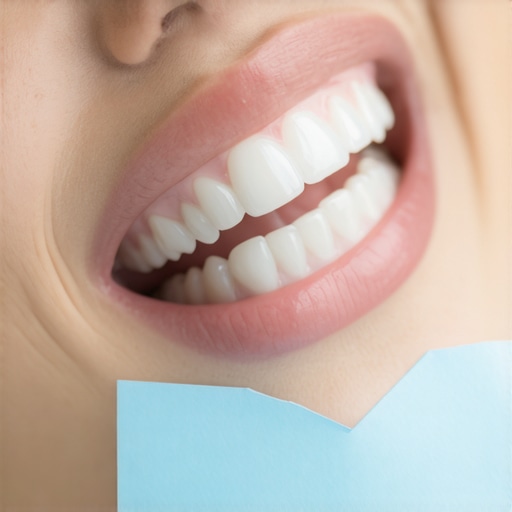 I remember a particular molar filling back in 2019 where I felt like a wedge was driven between my teeth for three days straight. I was convinced something was wrong. I even looked up how to tell if your filling is leaking and needs replacement because the pressure was so intense. As it turned out, it was just orthodontic pressure from the teeth settling back into their natural positions after being pushed apart for thirty minutes.
Give Your Mouth a 48-Hour Grace Period
Your body needs time to recalibrate. During this window, avoid the testing habit—the urge to clench your teeth together every five seconds to see if it still feels weird. This actually makes the ligament more sensitive. Instead, focus on gentle teeth cleaning best practices for sensitive gums to keep the area debris-free without aggravating the site. A warm saltwater rinse is your best friend here; it reduces the swelling in the gum tissue that often mimics the feeling of a tight tooth. For additional comfort, the best way to soothe your gums after a professional deep cleaning works wonders for post-filling irritation as well.
Differentiate Between Pressure and Temperature Sensitivity
It is easy to confuse the two, but they require different responses. If your tooth feels squeezed when you bite but fine otherwise, it’s a mechanical issue. However, if you are wondering why your filling feels cold when you breathe in, that is likely pulpitis—an irritated nerve inside the tooth. Most family dentistry tips suggest waiting for the nerve to calm down, but the tightness should start to dissipate within 72 hours. If it doesn’t, your dentist needs to perform a quick adjustment—a process that takes about sixty seconds but feels like a miracle for your jaw. If you’ve been exploring cosmetic dentistry innovations you cant miss this year, you’ll know that precision is everything in modern restorations.Most people assume that a perfect filling should be completely imperceptible from the second you leave the chair. I used to believe this too, but the reality is more nuanced. In my experience, a ‘perfectly smooth’ bite immediately after a procedure can actually be a sign of an under-filled site. We want what we call ‘proximal contact’—that is the tight squeeze between two teeth. Without it, you end up with a ‘food trap,’ which leads to decay and gum disease faster than you can imagine. While you might be tempted to look up oral health myths debunked what you need to know in 2025, understand that a little initial pressure is often the price of a long-lasting restoration. If you are focused on maintaining oral health expert advice for a lifetime of healthy teeth, you will recognize that the tightness between teeth is actually protecting your bone density by preventing impaction.
Don’t fall for the ‘break-in’ period myth
The biggest mistake I see patients make is trying to ‘break in’ their filling like a new pair of leather boots. They think if they just chew enough gum or grind their teeth at night, the material will eventually ‘settle’ or wear down to fit their mouth. It won’t. Modern composite resins are incredibly durable—designed to last for a decade or more. If the bite is high, you aren’t wearing the filling down; you are actually bruising the periodontal ligament and the bone around the tooth. This leads to a cycle of chronic inflammation. If you’ve been curious about why some people are more prone to cavities regardless of hygiene, it often comes down to these mechanical stresses that weaken the tooth’s environment. 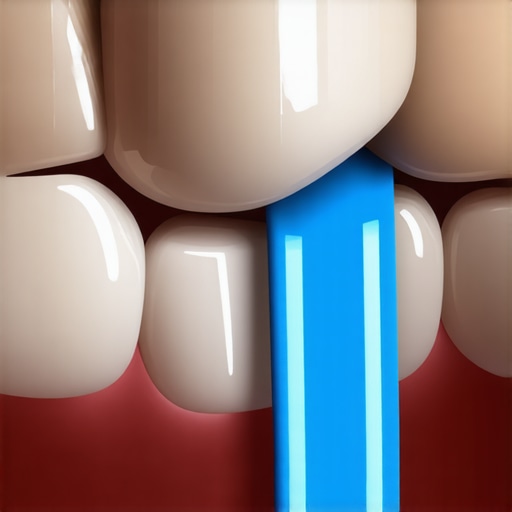
Why does the pressure feel worse when you are tired?
It is not just in your head; there is a physiological reason for the evening ache. When we are stressed or fatigued, we engage in bruxism—unconscious clenching. Research published in the Journal of Prosthetic Dentistry highlights that occlusal interference (a high filling) significantly increases muscle activity in the masseter muscle. This is why a tiny discrepancy feels like a boulder by 9:00 PM. If you are balancing the top 5 secrets to maintaining perfect oral health as a family, you know that stress management and jaw rest are part of the package. If the tightness is constant, it is a dental issue; if it is periodic, your jaw muscles might be the real culprit.
A tight fit is actually your best defense
There is a hidden nuance in contouring veneers the future of cosmetic dentistry revealed and standard fillings alike: the ‘shimstock’ test. Dentists use ultra-thin foil to ensure the teeth meet with the exact same pressure they did before the cavity existed. If the pressure feels like a ‘squeeze’ between the teeth rather than on top of the tooth, that is often the sign of a healthy, tight contact. This prevents the teeth from shifting or tilting into empty spaces. Have you ever fallen into the trap of trying to ‘chew through’ a high filling instead of calling the office? Let me know in the comments—I would love to hear how you handled that awkward adjustment period.Maintaining that perfect fit after leaving the chair requires more than just luck; it requires a shift in how you view your daily hygiene tools. I’ve personally found that the transition from manual brushing to a high-frequency sonic toothbrush is the single most important change for anyone with composite restorations. Why? Because manual brushing often applies uneven pressure—up to 250 grams—which can cause micro-wear on the margins where your filling meets your natural tooth. A sonic brush with a pressure sensor ensures you stay within the safe 100-gram range, preserving the seal that keeps bacteria out. If you are looking for teeth cleaning secrets to achieve a bright smile in under 30 minutes, the secret isn’t speed, it’s the consistency of the vibration. I rely on a brush that delivers at least 30,000 strokes per minute because it creates ‘fluid dynamics’ that clean between those tight proximal contacts we discussed earlier, areas where traditional floss might struggle to reach without snagging.
Stop guessing if you are brushing too hard
It’s easy to think that ‘scrubbing’ will keep your new dental work clean, but you are actually risking gingival recession. According to a study published in the International Journal of Dental Hygiene, users of electric brushes with pressure sensors saw a 20% reduction in abrasive wear on restorative materials compared to manual brushers. This is vital for maintaining oral health and following expert advice for a lifetime of healthy teeth. I recommend specifically looking for ‘Soft’ or ‘Extra Soft’ tapered bristles. These reach into the sulcus—the tiny gap between the tooth and gum—where most fillings eventually fail. 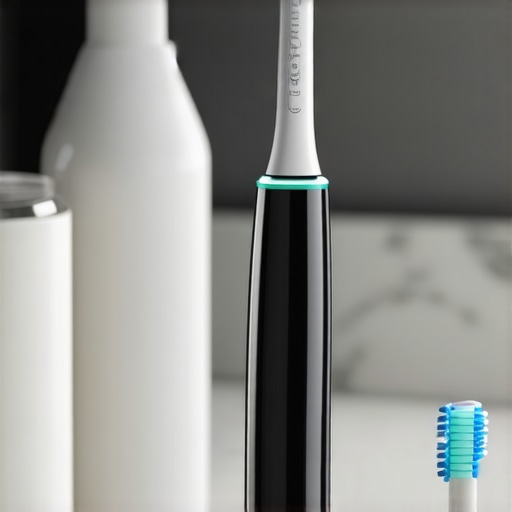
How do I maintain these precise restorations for the long haul?
The answer lies in managing your ‘occlusal load.’ This is a fancy way of saying we need to make sure you aren’t biting too hard while you sleep. If you have multiple fillings or have invested in cosmetic dentistry trends that transform your smile this year, a custom-fitted night guard is non-negotiable. It isn’t just about protecting against chips; it’s about keeping the periodontal ligament from becoming chronically inflamed, which leads back to that ‘tight’ feeling. This is a core part of preventive tips for long-lasting dental health for families. In the next few years, I predict we will see the rise of ‘smart’ night guards equipped with sensors that track your clenching patterns in real-time, sending data to your dentist’s smartphone before a filling even has a chance to crack.
The one tool that keeps my dental work intact
Aside from the brush, I swear by a high-quality water flosser. When you have tight contacts, traditional string floss can sometimes act like a saw, gradually wearing down the composite resin over years. Water flossing uses targeted pressure to remove biofilm without the mechanical abrasion. This is especially helpful if you’ve noticed why your jaw pops every time you open wide to eat a sandwich, as it reduces the strain on your joints during your cleaning routine. If you want to take your maintenance to an elite level, try this one tip: use an alkaline mouth rinse after your final brush of the night. It neutralizes the acids that can soften the bond of your filling, ensuring that ‘tight’ fit stays secure for a decade or more. Check out our family dentistry tips to see how these small daily habits scale across the whole household.
What Most People Miss About Post-Filling Pressure
After years of navigating dental chairs, I’ve realized that the tightness we feel is often more than just the material—it is a conversation your body is having with itself. First, never underestimate the power of your brain to focus on a 1-gram pressure change; your mouth is designed to detect a single hair, so a filling is a massive change that can feel overwhelming. Second, the tightness between teeth is often intentional, designed to prevent food traps that lead to future decay. Finally, remember that your jaw muscles are smarter than you think; if your bite is off, those muscles will work overtime to fix it, leading to that heavy, tired feeling by sunset.
How I Keep My Smile From Shifting
I’ve curated a small but powerful toolkit that I trust to maintain the integrity of my dental work and overall oral health. I swear by sonic technology with a pressure sensor—it removes the guesswork and prevents the scrubbing motion that wears down composite edges over time. For those tight spaces between teeth, I recommend a high-powered water flosser over traditional string floss to avoid mechanical trauma to the bond. Lastly, an alkaline mouth rinse is my secret weapon; it keeps the oral pH balanced, which protects the long-term seal between the tooth and the filling material. These are the same expert advice for a lifetime of healthy teeth strategies I share with my own family.
#IMAGE_PLACEHOLDER_E#
Don’t Settle for Mouth Discomfort
At the end of the day, your dental work should serve you, not the other way around. If you’ve given it a 48 to 72-hour grace period and that sweater too small feeling hasn’t faded, don’t be afraid to advocate for yourself and call the clinic. A simple adjustment can be the difference between a decade of comfort and a month of headaches. By applying consistent family dentistry tips and listening to what your body is telling you, you can ensure your smile remains both functional and beautiful. Your journey to perfect oral health is a marathon, and you’re now better equipped than ever to handle the hurdles. Have you ever waited too long to call the dentist about a weird-feeling filling? Let me know in the comments below—I’d love to hear your experiences!