
I’ll never forget that third morning after my youngest got his braces. He walked into the kitchen, eyes wide, and spat a mouthful of pink-tinted foam into the sink. I panicked. My first instinct was that the wires were too sharp or, worse, that I’d somehow failed at teaching him basic hygiene. It was a visceral moment of parental guilt. I even made the classic mistake of telling him to brush harder to ‘get the germs out,’ which I now know is one of the worst things you can do when those gums are already screaming for a break. If you’ve seen that same pink foam in your bathroom sink this week, take a deep breath. You aren’t alone, and your kid’s mouth isn’t falling apart. Today, I’m going to share exactly why this happens and the simple, gentle shifts I learned to help my son go from a bloody mess to a healthy smile without the drama. We are going to tackle the root causes of that inflammation and get your household back to being excited about the end result of all those [cosmetic dentistry trends](https://gentlesmiledentist.com/cosmetic-dentistry-trends-that-transform-your-smile-this-year) we see on social media.
Why the Sink Looks Like a Horror Movie During the First Week
The reality is that your child’s mouth is currently hosting a construction site. Braces are foreign objects, and the body’s natural response to something new and intrusive is inflammation. When those brackets and wires are first applied, they don’t just move teeth; they irritate the delicate soft tissues that aren’t used to the friction. This is especially true if your child already has a tendency toward [swollen gums around a new molar](https://gentlesmiledentist.com/the-reason-your-childs-gums-are-swollen-around-a-new-molar) or generally sensitive tissue. The blood you’re seeing is usually a sign of ‘gingival hypertrophy’ or simple irritation from the new hardware. According to the American Association of Orthodontists, it is incredibly common for patients to experience minor gingival bleeding as the oral microbiome adjusts to the new difficulty of cleaning around brackets. I learned the hard way that jumping straight to intense scrubbing is a recipe for disaster. Instead, you need to lean into [gentle teeth cleaning best practices](https://gentlesmiledentist.com/gentle-teeth-cleaning-best-practices-for-sensitive-gums) to keep the area clean without causing further trauma. We’re aiming for a balance between hygiene and healing.
Is this much bleeding actually okay?
I know what you’re thinking. Is this really ‘normal’ or am I ignoring a massive infection? It’s a valid fear. Most of the time, that first-week bleeding is just the gums reacting to the mechanical stress of the braces. However, it can also be a sign that food particles are already getting trapped in places your old toothbrushing routine can’t reach. If you don’t adjust your [family dental care hacks](https://gentlesmiledentist.com/family-dental-care-hacks-to-keep-your-kids-smiling-daily) quickly, that minor irritation can turn into more stubborn gingivitis. Has your child’s first week of braces felt more like a medical drama than a dental milestone? If so, tell me about it in the comments, because I’ve likely navigated that same panic. We’re about to break down the exact steps to calm that tissue down and make the rest of this journey much smoother.
Stop the fire with a simple saltwater soak
Before you reach for heavy-duty painkillers, go to your pantry. A warm saltwater rinse is the oldest trick in the book because it actually works. Think of it like a cooling rain on a parched, angry garden; the salt creates an osmotic effect that draws out the excess fluid from those puffy, swollen gums. When my son’s mouth looked like a crime scene, we started doing this three times a day. We mixed about half a teaspoon of salt into eight ounces of warm water and had him swish for thirty seconds. This isn’t just about comfort; it’s one of those family dentistry tips that make oral care effortless and effective because it kills bacteria without the sting of alcohol-based mouthwashes. If you find that the pain is localized to a specific wire poke, this is also the fast way to soothe a sore tooth on a sunday before you can get to the orthodontist for a wire clip.
Why your old flossing routine has to go
Standard string floss is great for normal teeth, but trying to navigate it around brackets is like trying to thread a needle while wearing oven mitts. If your child is struggling, they will inevitably yank the floss, which slices into the already sensitive gum tissue. This is usually why your gums throb after brushing too vigorously or flossing incorrectly. Instead, switch to orthodontic flossers or a water flosser. I’ll never forget the first time we tried a water flosser in our house. My son didn’t realize the pressure was set to ‘max,’ and within three seconds, he’d sprayed the bathroom mirror, my work blouse, and the cat. Once we stopped laughing and turned the pressure down to the lowest setting, it was a game changer. It flushed out the debris that his brush couldn’t touch without causing a single drop of blood. Learning the ultimate guide to teeth cleaning techniques and benefits specifically for braces will save you hours of bathroom-time tears.#IMAGE_PLACE_HOLDER_B#
Angle your brush to reach the hidden debris
The biggest mistake kids make is brushing ‘flat’ against the brackets. This leaves a hidden strip of plaque right at the gum line, which is exactly where the inflammation starts. You need to teach them the 45-degree rule. They should angle the bristles down toward the gums for the top teeth and up toward the gums for the bottom teeth. This ensures the bristles actually go under the wire. If they just scrub the metal, the gums stay dirty and continue to bleed. We started using family dental care hacks to keep your kids smiling daily, like using a plaque-disclosing tablet once a week. Seeing the ‘purple spots’ where he missed showed him exactly where the blood was coming from. It turned a chore into a visual challenge. By focusing on gentle teeth cleaning best practices for sensitive gums, you stop the cycle of irritation and allow the tissue to finally callouse over and get used to the hardware.It is easy to assume that if the gums are bleeding, we should leave them alone to ‘heal’ and avoid the area with a toothbrush. In fact, this is one of the biggest oral health myths busted by modern dentistry. When you stop cleaning an inflamed area, the bacteria multiply, the plaque hardens into tartar, and the bleeding actually intensifies. The nuance here is changing your method, not stopping your hygiene. We often mistake friction for cleanliness, but in the world of orthodontics, friction is the enemy of the soft tissue.
The Biofilm Trap Most Parents Miss
Many parents believe that a quick swish with mouthwash is enough to ‘sanitize’ the mouth. But biofilm—that sticky, invisible layer of bacteria—is incredibly resilient and requires mechanical disruption. However, there is a dangerous ‘oops’ factor here: the hard-bristled brush. I have seen so many well-meaning parents buy ‘firm’ brushes thinking they will get the brackets cleaner, but learning why your gums recede faster if you use a hard-bristled brush is a lesson you do not want to learn the hard way. Scrubbing away at the gum line with stiff plastic bristles won’t stop the bleeding; it will eventually wear away the enamel and the gum tissue itself, leading to permanent sensitivity and long-term damage. 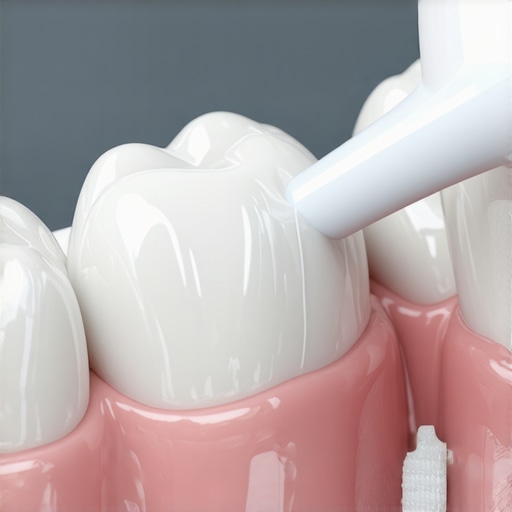
Is it possible to be too obsessed with whitening during orthodontic treatment?
I see this often with older teens who are influenced by the latest cosmetic dentistry innovations they see on social media. They want that blinding white smile the second the brackets come off, so they start using aggressive whitening strips while the braces are still on. This is a massive mistake. Not only do you risk ‘staining squares’ where the brackets were, but you also risk extreme nerve sensitivity. The science behind teeth whitening shows that peroxide needs even contact with the enamel to work safely and effectively. According to the American Dental Association, using whitening products on already irritated or bleeding gums can lead to chemical burns on the soft tissue, further delaying the healing process. Have you ever fallen into this trap of trying to whiten too early? Let me know in the comments, because it is a more common mistake than you might think.
Why Scrubbing Harder is Your Smile’s Worst Enemy
Expertise in family dental care means knowing that maintaining oral health is about finesse, not force. According to a study published in the Journal of Periodontology, excessive force during brushing is a primary driver of non-carious cervical lesions—those little notches you see at the gum line that eventually require fillings. We need to move away from the ‘industrial cleaning’ mindset and toward a ‘preservation’ mindset. If the sink is still pink, do not reach for a harder brush; reach for a softer one and focus on the angle. This subtle shift in technique is what separates a frustrating orthodontic experience from a successful one.To move from a bloody sink to a pristine smile, you have to upgrade your toolkit. While I’m a fan of manual dexterity, the hardware of braces often demands a more technological approach. I personally swear by the Waterpik Aquarius for our family. Why? Because it offers a ‘pulsating’ mode that massages the gums while it cleans, which is vital when you’re dealing with the inflammation we discussed earlier. It clears out the debris trapped behind the archwire that a manual brush simply can’t reach. If you integrate this into your preventive tips for long-lasting dental health for families, you’ll notice a difference in gum color within forty-eight hours.
How do I maintain this level of care for the long haul?
Keeping up the momentum is the hardest part of the eighteen-to-twenty-four-month orthodontic journey. I found that creating a ‘Braces Station’ in the bathroom helped immensely. We keep a stash of ‘proxy brushes’—those tiny, Christmas-tree-shaped brushes—right next to the sink. According to independent clinical research by the Clinicians Report, interdental brushes like these are actually superior to flossing for orthodontic patients because they provide mechanical friction against the bracket edges. We also use a dedicated mirror with 5x magnification so my son can actually see the biofilm he’s trying to disrupt. This is one of those family dentistry tips that make oral care effortless and effective because it removes the guesswork. If they can see the plaque, they are much more likely to clean it. 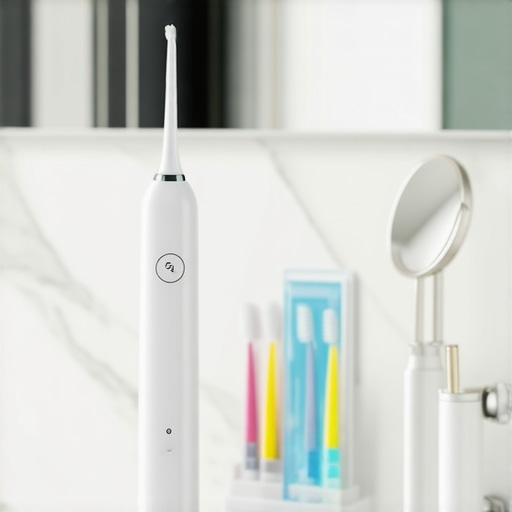
Smart sensors are the next frontier for braces
I predict that in the next few years, we will see a massive shift toward revolutionary teeth cleaning techniques for 2025, specifically using AI-integrated toothbrushes that can map the brackets in 3D. We are already seeing the beginnings of this with brushes that vibrate differently when they detect metal vs. enamel. This will be a game changer for maintaining oral health because it will provide real-time feedback to parents via a smartphone app, telling us exactly which bracket was missed. In our house, the ‘Braces Station’ isn’t just about storage; it’s about reducing the ‘friction’ of the task. We include a high-quality wax for those late-night wire pokes and a non-alcohol rinse to keep the oral microbiome balanced. When you are looking for family dental care hacks to keep your kids smiling daily, the best one is simply making the right tools the easiest ones to grab. As your child gets older, they might even start asking about cosmetic dentistry trends that transform your smile this year, and you can remind them that the best ‘cosmetic’ foundation is a set of gums that don’t recede or bleed. By the time they are ready for a permanent retainer, these habits will be second nature. I want you to try one specific thing tonight: have your child use an interdental ‘proxy brush’ on just their front four teeth. You will be shocked at the amount of ‘stuff’ that comes out even after they’ve brushed. Once they see that, the motivation to keep the rest of the mouth clean usually takes care of itself.
What I Learned After the Pink Foam Panic
Looking back on that first week, I realized that blood in the sink isn’t always a signal to stop; often, it’s a sign that the gums are waking up to a new reality. I wish I’d known that consistency beats intensity every time. Pushing through the initial discomfort with the right tools is a core part of family dentistry building a foundation of healthy smiles for all ages. Another lightbulb moment was realizing that clean doesn’t mean scrubbed. It means disrupted. If you can disrupt the biofilm daily without aggressive force, the bleeding stops naturally as the tissue heals. Finally, don’t rush the process. Your child’s mouth is incredibly resilient, and those gums will toughen up faster than you think if you provide a calm, supportive environment for their new routine.
My Tried-and-Tested Braces Essentials
To get through the tough transition days, I rely on a few specific items that make a massive difference. First, a high-quality water flosser is non-negotiable for flushing out debris without physical trauma. Second, interdental brushes are the unsung heroes of the bracket world because they provide mechanical friction right where it’s needed most. These are some of the top 5 secrets to maintaining perfect oral health as a family when hardware is involved. I also recommend keeping a dedicated orthodontic mirror handy so your child can take ownership of their progress. These tools turn a confusing, painful process into a manageable daily task.
The Light at the End of the Archwire
The first week of braces often feels like a marathon you didn’t train for, but I promise the path gets smoother as the soft tissues adapt. By focusing on these small, gentle adjustments now, you aren’t just surviving the first week; you’re mastering the family dental care hacks to keep your kids smiling daily that ensure a gorgeous, healthy result later. Avoid the temptation to skip straight to aesthetic fixes, as understanding the science behind teeth whitening reminds us that a healthy foundation must come first. Stay patient, stay gentle, and remember that a little pink in the sink is just a temporary hurdle on the way to a lifetime of confidence. Did your child have a horror movie sink moment during their first few days of braces? Tell me how you handled the panic in the comments!