
I stood in front of the bathroom mirror, tugging at the skin around my jawline, wondering when my face started looking so… collapsed. It wasn’t just wrinkles. My chin seemed closer to my nose, and my cheeks had lost that firm, youthful scaffolding I used to take for granted. I’d spent years ignoring two missing molars in the back of my mouth because, honestly, who was looking back there? I figured I was saving money. I was wrong. I was actually losing the very foundation of my face.
How Missing Teeth Quietly Rewrite Your Bone Structure
Most of us think of teeth as tools for chewing, but they’re actually anchors for your jawbone. When I lost those molars, I didn’t realize that my jawbone would start to melt away without the stimulation of a tooth root. It’s a process called resorption. Within the first year of losing a tooth, you can lose about 25% of the bone width in that area. This isn’t just a “dental problem”; it’s a structural one that leads to your jawbone shrinking and your face prematurely aging. I made the mistake of waiting too long, thinking cosmetic dentistry innovations were just for celebrities.
Do dental implants actually live up to the hype?
I’ll be honest: I was skeptical. I wondered if a piece of titanium could really “trick” my body into staying young. But the science is fascinating. According to the American Academy of Implant Dentistry, implants are the only restoration option that actually preserves and stimulates natural bone. They act like biological roots. Today, we’re going to look at how the bone-preserving power of implants can literally lift your facial features back to where they belong. We’ll dive into the connection between bone density and your implant success so you don’t repeat my “wait and see” blunder. Have you ever noticed your face looking a bit more “sunken” or narrow after losing a tooth? It’s a scary realization, but you aren’t alone in this.The first thing I learned is that you can’t build a skyscraper on a swamp. When I finally sat in that chair, my dentist didn’t just look at my teeth; they looked at the density of my jaw. Think of your jawbone like a muscle—if you don’t use it, you lose it. Because I had waited so long after losing my molars, my bone had already started to ‘reabsorb.’ This meant we had to start with a specialized preparation phase to ensure my face wouldn’t continue to sink inward.
The Blueprint for Rebuilding Your Jaw
To get that youthful scaffolding back, we have to ensure there is actually enough bone to hold a new root. If you’ve been missing a tooth for years, your jaw might be too thin or soft. This is where the bone grafting process comes into play. It sounds intense, but it’s essentially a way to ‘top up’ your jaw’s volume using specialized materials that encourage your body to rebuild. I remember seeing my own X-ray and being shocked at the visible dip in my jawline where the bone had simply vanished. Adding that graft was like putting a sturdy stake in the ground before planting a tree; it gives the implant something to grip. I remember the cold sensation of the digital scanner as it mapped my mouth in 3D, showing me exactly where the ‘hollow’ spots were. It was a wake-up call that my facial structure was literally disappearing.
Why Timing is Everything for Bone Integration
Once the implant is placed, a silent miracle called osseointegration happens. This is when your bone literally grows into the microscopic pores of the titanium post. To speed this up and ensure the post doesn’t fail, some specialists use the bone density trick for faster integration, which involves optimizing your body’s healing response through specific nutrients and surgical techniques. It’s not an overnight fix. I had to be patient for a few months while my body and the metal became one. During this time, I realized that modern family dentistry has evolved way beyond just filling cavities; it’s about structural bio-engineering that keeps your face from looking ‘collapsed’ as you age. 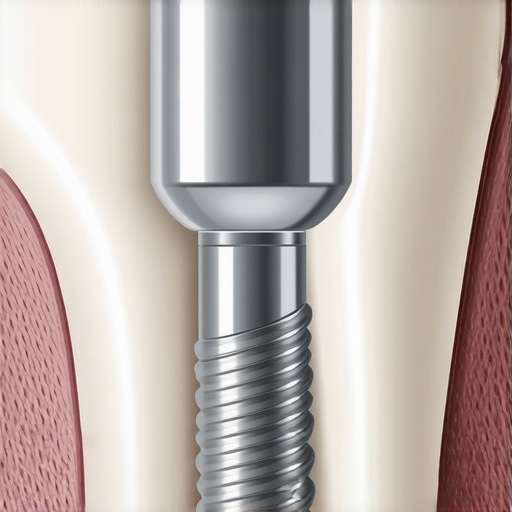
Don’t Neglect the Gums Around the Titanium
Once your new ‘tooth’ is in, you might think you’re invincible to decay because titanium can’t get a cavity. That’s a dangerous trap. While the implant itself is immune to bacteria, the gums and bone surrounding it are living tissues. If you let plaque build up, you risk ‘peri-implantitis,’ which is essentially gum disease for implants that can cause the bone to recede all over again. I learned the hard way that skipping a professional scale-and-polish puts your entire investment at risk. Understanding how regular teeth cleaning can prevent major dental issues is the only way to keep that facial structure from collapsing again. I started following the latest cosmetic dentistry trends that transform your smile, but I quickly realized they all depend on one thing: a healthy, clean environment for the implant to thrive. When I finally saw the finished result—a jawline that didn’t sag and a smile that felt as solid as a natural tooth—the months of preparation felt like a small price to pay for getting my confidence back.Let’s get one thing straight: having white teeth does not mean you have a healthy mouth. This is probably the biggest ‘trap’ I see people fall into. We spend hundreds of dollars on strips and gels, yet we ignore the bleeding when we floss. It’s a classic case of prioritizing the paint job over the engine. In my journey to save my jawline, I realized that oral health myths debunked what you need to know in 2025 are more than just trivia—they are the difference between keeping your teeth and losing them. Most people think a professional cleaning is just a high-powered version of what they do at home. In reality, it’s about disrupting a specific type of subgingival biofilm that no toothbrush, no matter how expensive, can reach.
Stop Chasing the ‘Bright’ and Start Finding the ‘Healthy’
Everyone says you should brush twice a day, but in my experience, the *way* you brush matters infinitely more than the frequency. A major mistake I made was the ‘scrubbing’ method. I thought the harder I pushed, the cleaner my teeth would be. All I was actually doing was sawing away at my enamel and pushing my gums further up. If you are using abrasive DIY methods, you need to understand the danger of using baking soda to whiten your enamel every day. It’s like using sandpaper on a finished wood floor; it looks ‘clean’ because you’ve stripped the top layer off, but you’ve permanently damaged the structure. 
Why do some people still get cavities despite brushing twice a day?
This is a question that frustrated me for years. I was doing the work, yet I still ended up with those missing molars. The ‘hidden nuance’ is often the acidity of our mouth’s microbiome and our unique genetic predisposition to certain bacteria. A study published in the Journal of Periodontology highlights that systemic inflammation can actually make your gums more susceptible to disease, regardless of your brushing habits. This is why family dentistry is so crucial; a dentist isn’t just looking for holes, they are monitoring the chemical balance of your mouth. Another mistake is thinking that mouthwash can replace flossing. It’s a chemical mask, not a mechanical removal of debris. If you want to know why your breath stays fresh longer after professional cleaning, it’s because the specialists are removing the actual source of the sulfur—the hardened tartar (calculus) that acts as a fortress for bacteria.
The Real Cost of Skipping the Small Stuff
We often skip the hygienist because we feel ‘fine,’ but this is the ultimate ‘oops’ factor. I thought I was being frugal by skipping my bi-annual visits, but I ended up paying thousands for bone grafts and implants later. Learning how regular dental cleanings can save you money in the long run was a lesson I learned the hard way. When you realize that the ultimate guide to teeth cleaning techniques and benefits focuses on prevention rather than just ‘fixing,’ your entire perspective changes. Have you ever fallen into this trap of thinking your teeth were fine just because they didn’t hurt? Let me know in the comments. If you’re ready to stop the cycle of ‘patchwork’ dentistry, it’s time to contact us and build a real foundation.Equipping your bathroom with the right tools is like upgrading from a hand-cranked drill to a laser-guided system. After my restorative journey, I realized that my old manual toothbrush was essentially a blunt instrument. I switched to a sonic toothbrush with a built-in pressure sensor—not because it’s a gadget, but because it physically prevents me from destroying my gums. If you’ve ever wondered why your gums bleed when you use a new electric toothbrush, it’s usually because your tissue is adjusting to the increased stroke frequency, but a pressure sensor ensures you aren’t over-scrubbing. I also integrated a water flosser specifically for the tight spaces around my new implants. It’s the only way to effectively execute the move to clean under your dental bridge safely or reach the sulcus of an implant without causing micro-trauma.
How can I keep these results for the next twenty years?
Maintenance isn’t just about showing up for a cleaning; it’s about biological vigilance. According to a systematic review in the Cochrane Library, powered toothbrushes provide a 21% reduction in plaque after three months compared to manual ones. For someone like me who has invested in their jaw structure, that 21% is the difference between keeping a tooth and facing another bone graft. I’ve learned to be picky about materials, always looking for the best toothbrush texture for people with receding gums to ensure I’m not undoing the work of my dentist. 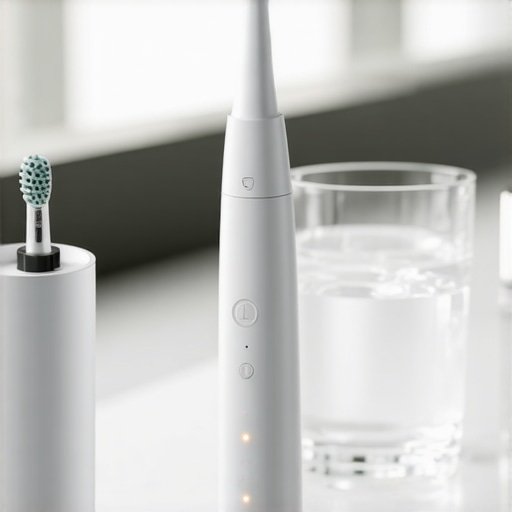
The Next Frontier of Personal Oral Care
Looking ahead, I predict we are moving toward a ‘smart’ era where your toothbrush doesn’t just buzz; it will use bio-sensors to analyze the pH level of your saliva in real-time. We are already seeing smile bright revolutionary teeth cleaning techniques for 2025 that involve at-home guided biofilm therapy. This level of data allows us to catch acidity spikes before they can demineralize enamel. By shifting to a proactive mindset, you are maintaining oral health expert advice for a lifetime of healthy teeth rather than just reacting to the next ache. This transition is essential because as we age, our mouth’s natural defenses—like saliva production—can decrease, making these high-tech interventions more of a necessity than a luxury. If you want to keep your smile as vibrant as it was on day one, I highly recommend implementing a 45-degree angle ‘modified Bass technique’ with your sonic brush tonight. It’s a small mechanical shift that dramatically improves debris removal at the gum line. If you’re not sure if your current routine is enough, don’t wait for a toothache—contact us-2 today to audit your home care setup.
The Hardest Lessons I Learned While Saving My Jawline
Reflecting on my dental journey, the most startling realization was how quickly my body began to change just because of two missing molars. I’ve learned that prevention isn’t just about avoiding pain; it’s about preserving your identity. First, bone loss doesn’t send a warning signal—it just happens silently in the background. By the time you notice your face looks ‘collapsed’ or sunken, the structural damage is already deep. Second, the investment in a quality implant is significantly lower than the emotional and financial cost of full facial reconstruction later. Finally, debunking common oral health myths changed how I approached every morning; I stopped looking for temporary whitening fixes and started focusing on my mouth’s chemical balance and structural integrity.
The Specific Gear That Protected My Investment
I eventually stopped treating my toothbrush like a basic chore and started treating it like a medical precision tool. Beyond the sonic brush, I shifted my focus to what I was putting into my body. I began incorporating high-calcium snacks to strengthen your enamel and support the vital bone density surrounding my new implants. I also discovered that professional cleaning secrets for a brighter smile aren’t just for vanity; they remove the microscopic biofilms that can cause even the most expensive implant to fail. If you are still using a manual brush and generic paste, you’re essentially bringing a blunt instrument to a high-tech fight against bone-reabsorbing bacteria.
Stop the Collapse and Start Your Restoration
You don’t have to wait until you’re tugging at your skin in the mirror like I did to make a change. The technology available today means you can stop bone resorption in its tracks and even reverse the appearance of premature aging. Take this as your sign to move from being reactive to being proactive about your dental health. By following expert advice for a lifetime of healthy teeth, you are ensuring that your smile remains a solid, youthful foundation for decades to come. Don’t let your facial structure become a memory—take the first step toward a more confident version of yourself today. If you’re feeling overwhelmed by where to start, feel free to contact us-2 for a personalized assessment of your dental foundation. Have you ever noticed your face shape changing after losing a tooth, or are you just starting your restoration journey? Let me know in the comments below!