
I will never forget the Tuesday afternoon that ruined my love for sourdough bread. I was sitting at my kitchen table, minding my own business, when I took a bite of a particularly crusty slice and felt it—a sickening, subtle little click. It was not a crunch. It was a shift. My heart sank faster than a lead weight because I knew exactly what that sensation meant. After spending a small fortune on cosmetic dentistry innovations to fix my smile years ago, the last thing I wanted to deal with was a failing restoration. I spent the next three days obsessively poking at the porcelain with my tongue, wondering if I was just being paranoid or if the foundation of my smile was actually crumbling. I learned the hard way that ignoring that tiny ‘wiggle’ is a recipe for disaster.
The Sourdough Incident That Changed Everything
If you are here, you are likely doing that exact same tongue-test right now. Maybe you felt something move while brushing, or perhaps there is a weird taste you cannot quite place. We are going to settle this today. I am going to walk you through the physical sensations, the visual cues, and the common mistakes—like the time I assumed a loose bridge just needed more expert advice for a lifetime of healthy teeth instead of a professional re-cementing. According to the American College of Prosthodontists, while bridges are designed to last over a decade, the failure of the underlying cement can lead to rapid decay because bacteria love those new, tiny hiding spots.
Is a tiny bit of movement really worth the panic?
You might be thinking that a little bit of play in the bridge is normal as things ‘settle.’ Let me be the helpful neighbor here: it is not. My biggest mistake early on was thinking I could just be extra careful and wait until my next scheduled appointment. I thought as long as I avoided sticky candy, I would be fine. But as I eventually learned, the hidden reason your dental bridge feels loose when you chew bread is often that the seal has already been compromised. Once that seal is gone, your natural teeth underneath are vulnerable. Have you ever felt that weird ‘clicking’ sensation or a sudden sensitivity to cold in that area? Drop a comment below; I want to know if I am not the only one who tried to ‘wait it out’ only to regret it later.
Spot the Warning Signs Before the Bridge Fails
When my bridge first started acting up, I did not see any movement in the mirror. That is the tricky part. Sometimes the looseness is so internal that you only feel it when your bite changes or when you experience something similar to why your dental crown feels loose after eating sticky candy. You need to look for gum inflammation or a persistent sour taste, which are often the first real indicators that the cement has washed away. We are going to dive into the specific DIY tests you can do at home—safely—to confirm your suspicions before you call the office.
How to Safely Check for Movement Without Making It Worse
Before you go poking and prodding with a metal tool, remember that your bridge is like a house built on stilts. If the stilts—the teeth supporting the bridge—are healthy, the house stays up. But if the soil (the cement) washes away, the whole structure becomes a liability. To check for instability, use a clean finger or a cotton swab. Gently apply upward and downward pressure on the pontic—the fake tooth in the middle. If you see a tiny bubble of saliva at the gum line or hear a ‘squishing’ sound, the seal is broken. This is where the ultimate guide to teeth cleaning techniques and benefits becomes irrelevant because you are no longer cleaning a surface; you are fighting bacteria that have moved into the foundation.
The Olfactory Test and What Your Nose Is Telling You
One of the most overlooked signs of a failing bridge isn’t movement—it’s the smell. Think of it like a jar of pickles that wasn’t sealed correctly; eventually, things go south. If you floss around the bridge and the floss smells distinctly ‘off’ or like sulfur, it means food particles and bacteria are trapped underneath. When I had my sourdough mishap, I noticed a weird metallic taste first. I ignored it, thinking I just needed more thorough how regular teeth cleaning can prevent major dental issues, but in reality, the decay was already starting under the porcelain.
Steps to Take Before You Reach the Dental Chair
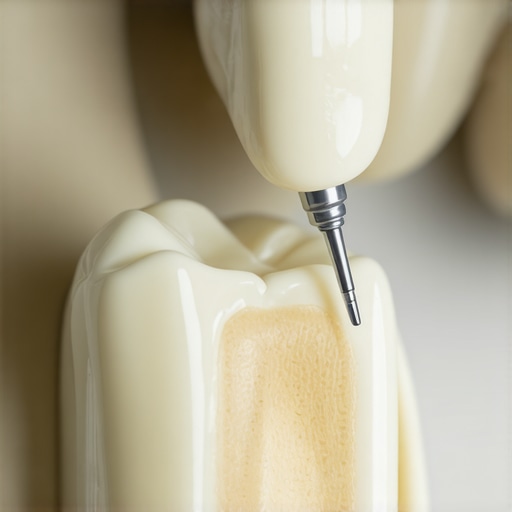
If you have confirmed that the bridge is wobbly, your first instinct might be to fix it yourself. Please, for the love of your enamel, do not. I once spent $20 on a DIY repair kit at a drugstore, thinking I was a genius. I ended up with a bridge that was glued in too high, meaning every time I closed my mouth, that bridge hit first. It was like walking with a pebble in only one shoe. Not only did it hurt, but it almost cracked the natural tooth underneath. This is why experts always warn why you should never use superglue to fix a broken crown at home or any other DIY adhesive. Instead, keep the area extremely clean. Use a saltwater rinse three times a day to keep the gum tissue from getting inflamed and prevent infection from taking hold before your appointment.
Protecting the Neighboring Teeth from Collateral Damage
A loose bridge isn’t just about the missing space; it’s about the ‘pillars.’ In family dentistry building a foundation of healthy smiles for all ages, we focus on the fact that one failing tooth can compromise the health of the entire row. If that bridge is rocking, it is putting ‘leverage’ on the healthy anchor teeth. Imagine using a crowbar to pry up a floorboard—that is what a loose bridge does to your supporting teeth every time you chew. You need to switch to a soft food diet immediately—think smoothies and mashed potatoes—until a professional can assess if you need cosmetic dentistry innovations you cant miss this year to replace the unit or just a simple re-cementing of the existing bridge.
In my years of obsessing over my own dental work, I have realized that most people focus on the wrong metric for health. They want the bright, Hollywood look through the impact of cosmetic dentistry in 2025, but they ignore the biological foundation. Most people assume that if their teeth are white and their breath is neutral, everything is fine. This is a massive misconception. A ‘white’ smile can still hide aggressive anaerobic bacteria that thrive in the oxygen-deprived gaps under a loose bridge.
Why Your White Teeth Might Be Lying to You
Everyone says that good hygiene prevents all issues, but in my experience, the mechanical fit of your restoration is just as important as your brushing technique. You can be a pro at the ultimate guide to teeth cleaning techniques and benefits, but if your bridge has even a half-millimeter of play, you are essentially housing a bacterial incubator that no toothbrush can reach. The ‘trap’ most people fall into is the ‘Pain Metric.’ We are conditioned to think that no pain equals no problem. However, because the anchor teeth under a bridge are often capped or have had root canals, you might not feel the decay until the tooth structure is completely hollowed out.
Does a Compromised Bridge Seal Permanently Alter Your Oral Microbiome?
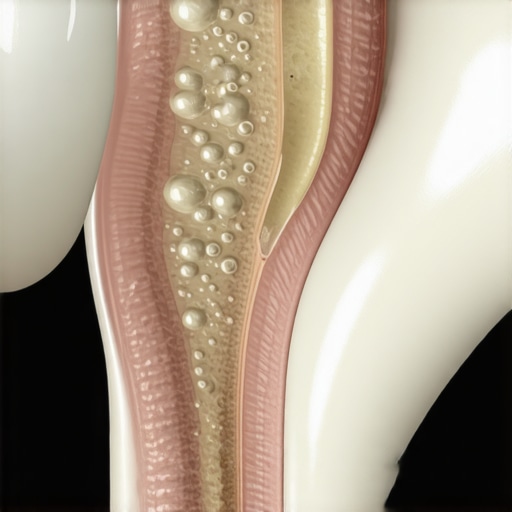
This is where the science gets fascinating and a bit scary. According to a study published in the Journal of Prosthetic Dentistry, microleakage at the margins of a bridge doesn’t just cause cavities; it creates a specific microenvironment that favors acid-producing bacteria over healthy flora. Once that seal is broken, your oral microbiome shifts. This is why you might notice a persistent metallic or sour taste. It is not just old food; it is a chemical byproduct of a shifting bacterial colony. If you have been relying on how regular dental cleanings can save you money in the long run, remember that a cleaning cannot fix a structural leak. Re-cementing or replacing the unit is the only way to reset that biological clock.
Avoid the Domino Effect in Your Family Routine
Another nuance people miss is how a single failing restoration can disrupt the oral health of your entire household. We often talk about oral health myths debunked what you need to know in 2025, but we rarely discuss bacterial transmission. If you have an active infection under a loose bridge, you are constantly introducing high levels of Streptococcus mutans into your mouth, which can be shared through something as simple as sharing a spoon with your child. This is a critical point in family dentistry building a foundation of healthy smiles for all ages: your individual dental emergencies can actually increase the cavity risk for your kids. Have you ever fallen into this trap of thinking a ‘minor’ wiggle was just your problem? Let me know in the comments; I’ve definitely been there, thinking I was only risking one tooth when I was actually compromising my whole mouth’s ecosystem.
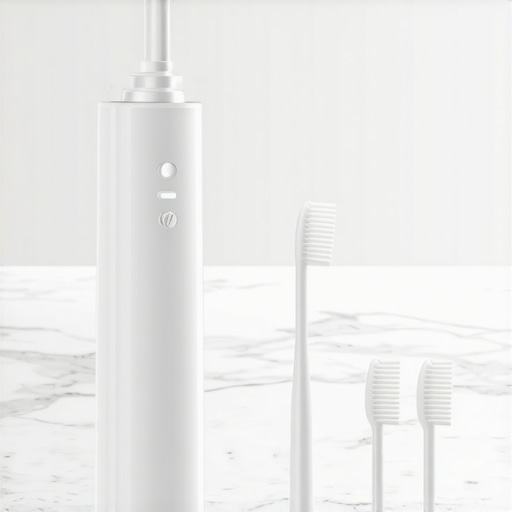
After my sourdough disaster, I realized that the ‘brush and hope’ method was no longer sufficient for my specialized dental work. If you have invested in porcelain or any high-end restorative work, you have to upgrade your toolkit. I switched to a high-pressure water flosser specifically because it can reach the ‘blind spots’ where my bridge meets the gumline. This is not just a luxury; it is a necessity for maintaining oral health expert advice for a lifetime of healthy teeth. I personally use the pulsating setting because it stimulates blood flow to the gingival tissue, which is vital when you have a foreign object like a bridge or an implant sitting against your gums.
How do I maintain my dental bridge for the long haul?
The secret is mechanical disruption of the biofilm. You cannot just rinse your mouth and expect the bacteria to vanish. I now swear by interproximal brushes—those tiny, Christmas-tree-shaped tools that slide between the teeth. According to the European Federation of Periodontology (EFP) S3-level clinical practice guidelines, interdental brushes are the gold standard for removing plaque in patients with restorations, outperforming traditional floss in almost every metric. Using these has been the single biggest factor in preventing the ‘sour taste’ from returning. If you want to keep those cosmetic dentistry innovations you cant miss this year looking fresh, you need to be cleaning under the pontic every single night, no excuses.
Precision Tools That Actually Reach the Gaps
Beyond the tools I use at home, I have started asking for ‘Guided Biofilm Therapy’ (GBT) during my professional cleanings. This is a game-changer. Instead of the old-school scraping and poking, it uses a warm spray of erythritol powder to clean every nook and cranny without scratching the porcelain. It is part of the revolutionary teeth cleaning techniques for 2025 that every restoration owner should know about. This level of precision is why the secret to making your dental implants last for decades often comes down to the technology your hygienist uses rather than just how hard you brush at home.
What the Future Holds for Your Bathroom Vanity
Looking ahead, I predict we are going to see a massive shift toward AI-integrated oral diagnostics in the home. Imagine a ‘smart mirror’ that uses ultraviolet light to highlight plaque buildup on your bridge before you even pick up your toothbrush. This is the logical next step for top 5 secrets to maintaining perfect oral health as a family, turning a reactive process into a proactive one. We are moving away from the era of ‘finding a problem’ and into an era of preventing the problem from ever forming. For now, my advice is simple: buy a pack of interproximal brushes and use them after your next meal. You will be shocked—and maybe a little grossed out—by what your regular toothbrush has been missing. Your bridge, and your wallet, will thank you.
The Hard Lessons I Learned While Saving My Smile
The biggest takeaway from my own dental journey isn’t just about brushing; it’s about trusting your intuition. First, I realized that waiting is the most expensive thing you can do. A simple professional re-cementing is a fraction of the cost of a full replacement, and procrastination only invites decay. Second, the ‘ghost wiggle’—that phantom feeling of movement when you chew—is almost always a sign of a failing seal. Your brain is incredibly attuned to tiny changes in your bite. Finally, I learned that how regular dental cleanings can save you money in the long run because they allow a professional to catch marginal breakdown before it ever reaches the sensitive nerve of the anchor tooth.
My Non-Negotiable Tools for Bridge Maintenance
If you want to keep your restoration for twenty years instead of five, you need a specific hygiene arsenal that goes beyond a standard toothbrush. I personally rely on interproximal brushes every single night because they are the only tools that truly scrub the hidden underside of the pontic where bacteria love to hide. I also suggest asking your hygienist about revolutionary teeth cleaning techniques for 2025 like guided biofilm therapy, which uses a gentle spray to clean delicate margins without scratching the porcelain. For daily care, following preventive tips for long-lasting dental health for families ensures that the total bacterial load in your mouth remains low enough to protect your structural investment for the long haul.
Your Path Back to a Confident Bite
It is completely normal to feel a bit of anxiety when your dental work starts to feel less than stable, but remember that modern dentistry is built for these exact scenarios. You don’t have to live with the constant fear of your bridge failing during a meal. By taking action the moment you notice a change, you can leverage cosmetic dentistry innovations you cant miss this year to restore both your function and your peace of mind. Your smile is the foundation of your confidence, and it is always worth the effort to keep that foundation solid and secure. Have you ever experienced a sudden, terrifying ‘click’ in your dental work while eating something totally soft? Let me know your story in the comments below!