
The whistle blew, the crowd cheered, and then—thwack. A stray elbow caught me right across the mouth during a weekend pickup game. I remember the immediate, salty taste of blood and that sinking feeling in my gut. I reached up, touched my front tooth, and it moved. Not a lot, but enough to send me into a full-blown tailspin. If you’re reading this right now with a finger on a shaky tooth, breathe. I’ve been in those grass-stained cleats, and I know exactly how fast your mind starts racing toward expensive implants and ‘hockey player’ smiles. [image-placeholder]
What I Learned When a Soccer Ball Met My Smile
That afternoon taught me more about maintaining oral health under pressure than any textbook ever could. My first instinct was to keep wiggling it with my tongue—a massive mistake that I’ll get into in a second. We’re going to walk through the immediate steps you need to take to stabilize that tooth and, hopefully, keep it in your head for the next fifty years. Whether this happened to you on the field or you’re dealing with a dental emergency while traveling, there is a specific protocol that saves teeth. We are going to cover everything from the ‘no-touch’ rule to why your dentist might actually glue your teeth together for a few weeks.
Is this tooth even worth saving or is it gone for good?
You’re probably wondering if a tooth that’s been knocked loose can ever truly ‘re-anchor’ itself. It feels flimsy, and the anxiety of it falling out while you’re eating a sandwich is real. The truth is, your periodontal ligaments are incredibly resilient, but they are also sensitive. According to the American Association of Endodontists, a tooth that is displaced but still in the socket has a very high success rate of survival if treated within the first few hours. Early in my journey, I made the mistake of thinking a ‘slightly’ loose tooth would just tighten up on its own without professional eyes on it. I skipped the call to our family dentistry expert and just ‘waited and watched.’ That led to a minor infection that could have been avoided with a simple splint. Now, I tell everyone: don’t play the guessing game with dental trauma. Have you ever had a close call on the field where you weren’t sure if you needed a doctor or just an ice pack? If I had been wearing protection, we wouldn’t be here, which is why I now tell every parent I know to choose a custom mouthguard over the store-bought kind every single time. But since the damage is done, let’s talk about how we fix it.
Keep Your Hands and Tongue Off the Damage
The moment that tooth feels mobile, your brain goes into ‘testing’ mode. You want to push it with your tongue or wiggle it with your finger every thirty seconds just to see if it’s still there. I did exactly this during the car ride to the clinic after my soccer accident, and let me tell you, it was the worst thing I could have done. Each time I ‘checked’ it, I was actually tearing the tiny, fragile fibers that were trying to re-anchor the tooth into the bone. Think of these periodontal ligaments like the suspension cables on a bridge; if you keep shaking the bridge while the cement is wet, it’s never going to hold. This is one of those oral health myths busted—you cannot ‘press’ a tooth back into place yourself. You need to keep your mouth as still as possible and avoid any suction, like using a straw, which can dislodge the blood clot forming around the root.
Why the First Six Hours Determine Everything
Time is your only real currency in a dental emergency. When a tooth is displaced, the blood supply to the internal pulp is under extreme stress. If you get to a professional within a few hours, they can often reposition the tooth and stabilize it before the nerve begins to die. In my case, waiting until the next morning meant the inflammation had peaked, making the repositioning process significantly more uncomfortable. A provider specializing in family dentistry will prioritize your visit because they know the window for saving the natural root is narrow. If you wait, you might be looking at a root canal or an extraction instead of a simple stabilization. 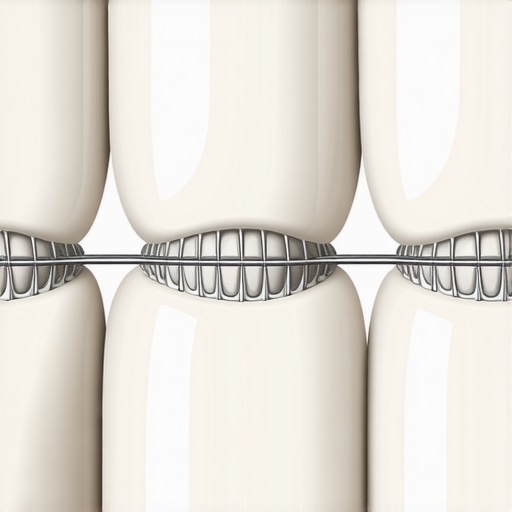
How a Tiny Wire Saves Your Front Tooth
Once you’re in the chair, the solution is usually a ‘splint.’ This isn’t a heavy cast; it’s typically a very thin, flexible wire or a piece of composite resin that bonds the loose tooth to the healthy, stable ones next to it. It’s essentially a buddy-system for your mouth. I remember looking in the mirror and seeing this tiny wire and thinking, ‘There’s no way that’s holding my smile together,’ but it works brilliantly. It takes the biting pressure off the injured tooth so the ligaments can heal. While you have this hardware in, you have to adapt. You might need to learn the protocol for cleaning your teeth when your range of motion is limited or when you can’t scrub the area directly. You’ll be on a strictly soft-food diet—think smoothies and mashed potatoes—for at least two weeks to ensure no vertical pressure hits that wire.
Watch for the ‘Darkening’ Signal
Even after the tooth is stable, you aren’t out of the woods. You have to play detective with your own smile. A few weeks after my splint came off, I noticed a very slight grayish tint to the tooth. That is a major red flag that the internal pulp is struggling. If the tooth starts to change color, it doesn’t mean you’ve lost it, but it does mean you need to act fast to discuss how to fix a chipped front tooth or a dying nerve before it becomes a visible aesthetic issue. Consistently following the ultimate guide to teeth cleaning during this recovery phase is vital to keep bacteria away from the traumatized gum line. Don’t ignore the dull ache that lingers; it’s your body’s way of asking for a follow-up X-ray.The common wisdom says that if you brush twice a day and floss like a saint, your teeth will stay put forever. I used to believe that too. But after my soccer accident, I learned that even the most meticulous teeth cleaning secrets won’t save a traumatized tooth if your systemic health is working against you. Most people assume dental health is purely mechanical—like cleaning a car—but it’s actually biological. If your body is in a pro-inflammatory state, those periodontal ligaments we talked about won’t re-attach properly, no matter how clean your mouth is. I’ve seen people follow family dentistry tips perfectly and still lose a tooth because they ignored the ‘hidden’ factors like nighttime grinding.
Does your blood sugar actually dictate how fast your gums heal?
It sounds like a stretch, but advanced research in the Journal of Periodontology suggests that even sub-clinical spikes in blood glucose can delay the healing of the periodontal ligament (PDL) by impairing collagen cross-linking. This is why a provider focused on family dentistry should always ask about your overall health history. If you are struggling with a trauma recovery, your diet is just as important as your toothbrush. High-sugar snacks don’t just cause cavities; they create an environment where inflammation thrives, preventing that loose tooth from ever fully tightening back up. Have you ever noticed your gums feeling more sensitive when you’re stressed or eating poorly? Let me know in the comments if you’ve seen that connection.
Why You Should Never Reach for the Superglue
Here is the ultimate ‘trap’ I have to warn you about: the DIY repair. When a tooth feels loose or a crown pops off during the healing phase, the temptation to use a drop of household superglue is surprisingly high. I once met someone who tried this, thinking they were being ‘resourceful’ while handling a dental emergency while traveling. It’s a disaster. Not only is the glue toxic to the living pulp inside your tooth, but it creates a jagged, unsealable margin that traps bacteria. You can literally kill the tooth you were trying to save in under sixty minutes. This is why you should never use superglue to fix a broken crown or a loose tooth at home.
Stop Obsessing Over Whiteness During Recovery
Another major mistake is jumping into the science behind teeth whitening too soon after an injury. We all want that ‘perfect’ smile back, but the chemicals in whitening agents can be incredibly aggressive toward a tooth that has recently suffered nerve trauma. I’ve seen patients who, in their rush to transform their smile, actually caused irreversible pulpitis because the whitening gel penetrated the microscopic cracks caused by the initial impact. If you’re worried about aesthetics, look into contouring or veneers only once your dentist confirms the root is stable and the nerve is healthy. True expert advice for oral health always prioritizes stability over sparkle. Have you ever fallen into this trap of prioritizing looks over the actual health of the tooth?Once the splint is removed, the ‘safety’ phase ends and the ‘endurance’ phase begins. This is where most people get complacent. They think that because the tooth isn’t wiggling anymore, they can go back to eating apples like a woodchipper. If you want to avoid major dental issues later, you have to upgrade your toolkit. I personally threw away my manual brush the day I realized I was scrubbing my gum line away. I switched to a sonic brush with a pressure sensor—specifically, one that pulses when you press too hard. This is one of those teeth cleaning secrets that actually works because it prevents the ‘recession’ that often follows an injury. I also added a Waterpik to my routine, set to the ‘massage’ mode, to stimulate blood flow to those healing ligaments.
The Secret Power of Interdental Brushing
If you really want to protect the area around a traumatized tooth, you need to stop relying solely on string floss. I found that the tiny GUM Proxabrush cleaners are far more effective at removing biofilm between the teeth where the splint used to be. A study published in the Journal of Clinical Periodontology found that interdental brushes are significantly more effective at reducing plaque than flossing alone, especially in patients who have had dental work. Following family dentistry tips like these might feel like a chore, but it’s the difference between a tooth that lasts ten years and one that lasts fifty.
How do I keep this tooth stable for the long haul?
Maintenance isn’t just about cleaning; it’s about monitoring. You should be checking for any signs of shifting or ‘tightness’ every single morning. If you start to feel like your bite feels off, even slightly, it could mean the tooth is moving. I recommend getting a professional teeth cleaning every four months instead of six for the first year after an injury. This allows your dentist to catch micro-shifts before they become permanent.
What the Future of Tooth Repair Looks Like
We are entering an era of ‘bio-active’ dentistry. In the next few years, I predict we will see toothpastes that don’t just protect enamel but actually release calcium and phosphate ions to ‘re-mineralize’ the internal damage caused by trauma. We already see some of this with cosmetic dentistry innovations, where materials are designed to bond more naturally with human tissue. If you really want to stay ahead, try this today: switch to a toothpaste containing hydroxyapatite. It’s a game-changer for sensitivity and long-term stability. Start using an interdental brush tonight—just once, and you’ll see exactly what your floss has been missing.
The Truth About Why Teeth Do Not Just Tighten Up on Their Own
Looking back at my soccer injury, I realize there were layers to the healing process I completely ignored at first. First, patience is actually a clinical requirement. You cannot rush the periodontal ligament; if you try to test the tooth’s strength too early, you reset the clock on healing. Second, I learned that oral health myths busted by professionals are there for a reason—do not believe for a second that a little wiggle ‘is not a big deal.’ Finally, your systemic health acts as the foundation for your local repair. If you are not sleeping and eating well, your gums will not have the resources to re-anchor that tooth.
My Go-To Gear for a Bulletproof Recovery
If you want to move beyond basic survival and really maintain oral health for the long haul, you need a specialized kit. I swear by a sonic toothbrush with a visible pressure sensor—it is the only way to ensure you are not accidentally hammering your traumatized gums. I also recommend a high-quality Waterpik to flush out debris without the physical tugging of traditional floss. Lastly, look for Hydroxyapatite toothpaste; it helps remineralize the area and reduces that post-trauma sensitivity that can linger for months. These are not just gadgets; they are teeth cleaning secrets that protect your investment.
The Future of Your Smile Starts Right Now
Taking care of a loose tooth feels like a full-time job for the first few weeks, but the reward is keeping your natural smile for life. Do not let the fear of ‘what if’ stop you from taking immediate action and following through with preventive tips for long-lasting dental health. Your body is remarkably good at healing if you just give it the right environment and stop poking the injury. Consistency in your routine is the most powerful tool you have to prevent major dental issues down the road. Have you ever had a close call with a loose tooth during sports or a fall? Let me know your story in the comments below!