
I will never forget the panic of looking inside my toddler’s mouth and seeing a bulging, angry-looking dark purple bump right on his gum line. My mind immediately raced to the worst-case scenarios. I stayed up until 3:00 AM scrolling through terrifying medical forums, convinced he had a rare oral infection. It turned out to be a completely normal eruption cyst, a harmless fluid-filled bubble that happens when a tooth is trying to break through. I felt so foolish for panicking, but as parents, our protective instincts are incredibly fierce. If you are currently staring at a weird bulge in your little one’s mouth, take a deep breath. Today, we are going to demystify exactly why those gums swell up, separate harmless developmental milestones from actual dental emergencies, and give you the peace of mind you deserve.
That Scary Little Bump is Usually Just Nature at Work
It is easy to forget that growing a brand-new tooth is actually a pretty intense physical process. To get to the surface, that hard little crown has to push its way through layers of soft, sensitive tissue. Sometimes, fluid or a tiny bit of blood builds up right under the surface of the tissue just before the tooth breaks through. This is what pediatric dentists call an eruption hematoma, and while it looks incredibly painful, it is usually just a sign that the tooth is on the home stretch. Many parents make the mistake of trying to pop or scrub these bumps to ‘help’ the tooth along, which only introduces bacteria and risks infection. Instead, focusing on gentle care—like using a clean, cool washcloth to soothe the area—is much safer. Keeping up with simple family dental care hacks to keep your kids smiling daily will help keep their mouth healthy during these fussy teething phases without causing extra irritation. Additionally, understanding why your child’s gums look swollen where a new tooth is coming in can save you from those midnight Google rabbit holes.
Should you immediately book an emergency dental visit?
It is completely normal to feel skeptical when someone tells you a dark purple bump in your child’s mouth is ‘fine.’ However, clinical data supports how common this is. According to a study published by the National Institutes of Health, eruption cysts and hematomas are benign developmental anomalies that typically resolve on their own within days to weeks once the tooth erupts. Have you ever noticed one of these scary-looking bumps in your child’s mouth and felt that sudden surge of parental panic? You are definitely not alone. While most of these swellings resolve without any medical intervention, knowing how to spot the difference between normal teething inflammation and a genuine infection is the key to keeping your cool.
Step-by-Step Parent Protocol for Teething Swelling
When you spot a swollen patch or a purple bubble on your child’s gum line, you need a systematic plan of attack to keep them comfortable and prevent infection. Think of your child’s gums during teething like a tightly stretched balloon. The pressure builds up as the tooth crown climbs toward the surface, causing localized inflammation. Trying to manipulate or pinch that sensitive tissue is like poking the balloon with a needle—it leads to pain and opens the door to oral bacteria. Instead, your goal is gentle pressure relief and thermal distraction.
Soothe the Area with Targeted Cold Therapy
Your absolute best tool for reducing localized gum swelling is targeted cold therapy. Take a clean, damp cotton washcloth, fold it into a small square, and place it in the freezer for about fifteen minutes. You do not want it rock-hard, just chilled and stiff. Hold the cold cloth directly against the swollen area for thirty seconds at a time. The cold acts as a mild, temporary anesthetic by narrowing the blood vessels, while the texture of the cloth provides a safe friction surface for the child to bite against. When my own toddler had a massive eruption hematoma near his molar, he refused to let me near his mouth with a toothbrush. I shifted to using a chilled, damp cloth wrapped around my clean index finger to gently sweep the area, which immediately calmed his fussiness and let me clean away residual milk plaque. Knowing how to keep your child’s mouth clean when they have a broken arm or during other physical challenges taught me that adaptive, hands-on cleaning is always better than skipping hygiene entirely during stressful times.
Introduce Safe Friction Toys and Solid Chilled Teethers
Once the initial swelling is cooled down, transition to safe friction. Solid silicone teething rings that have been chilled in the refrigerator—never the freezer, as frozen plastic can bruise delicate tissues—are excellent. The pressure of biting down actually counteracts the upward pressure of the emerging tooth, providing natural pain relief. Make sure to avoid liquid-filled teething rings, which can easily puncture and leak chemicals into your child’s mouth. At this stage, you also want to avoid sugary teething biscuits. While kids love to gnaw on them, they leave a sticky film of carbohydrates directly on the vulnerable, newly erupting enamel, which can quickly lead to early childhood decay. Instead, rely on physical pressure and standard family dentistry tips that make oral care effortless and effective to guide you through these transition periods.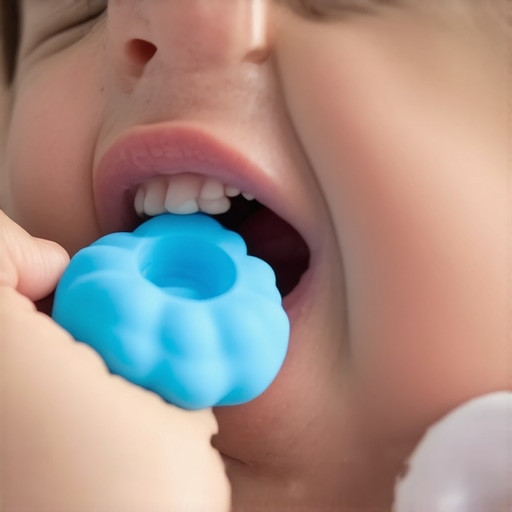
Keep the Oral Environment Clean to Prevent Secondary Infection
An erupting tooth creates a microscopic tear in the gum tissue. To prevent food debris and bacteria from getting trapped in this tiny pocket, you must maintain a clean oral environment. Continue brushing twice a day, but alter your technique. Use an extra-soft, silicone-bristled training toothbrush. Angle the bristles at 45 degrees toward the gum line and use ultra-light, circular motions rather than harsh scrubbing. If your child is still a toddler and struggles with spitting, make sure you are using the correct amount of fluoride toothpaste—typically a smear the size of a grain of rice. Mastering the best way to handle a toddler who refuses to spit out toothpaste ensures they get the cavity-fighting benefits of fluoride without swallowing too much of it. Keeping the mouth clean keeps the gum swelling from becoming irritated by fermenting food particles.
Why Most Parents Get Teething Inflammation Completely Wrong
Everyone tells you that teething causes high fevers, systemic rashes, and severe diarrhea, but in my experience as both a parent and an advocate for evidence-based care, buying into these old-fashioned myths actually delays proper medical treatment. When we attribute every single physical symptom to a new tooth, we miss what is really going on. A mild, localized elevation in gum temperature is normal, but a true spike in body temperature is not. This distinction is critical for your peace of mind and your child’s safety.
Clinical studies back this up. A landmark study published by the American Academy of Pediatrics confirmed that while teething causes localized daytime irritability, drooling, and mild gum rubbing, it does not cause high fevers or systemic illness. Believing the myth that a baby can run a high fever solely because of an erupting tooth is a dangerous trap that might cause you to overlook an active ear infection or a viral illness. If you want to build a truly solid foundation, understanding family dentistry starts with separating these common myths from physiological facts.
Is your teething remedy actually damaging your child’s newly forming enamel?
Here is the hidden nuance that many well-meaning parents overlook: the popular homeopathic gels and ‘natural’ teething powders often contain hidden sugars, starches, or acidic buffering agents. When you rub these substances onto a swollen gum line, you are coating the highly vulnerable, partially erupted tooth crown in a sticky layer of decay-promoting ingredients. This can lead to rapid-onset decay before the tooth is even fully visible. This is why I always advocate for physical, temperature-based remedies over topical chemical applications. Keeping things clean and simple is the most effective way to ensure optimal oral health during developmental milestones.
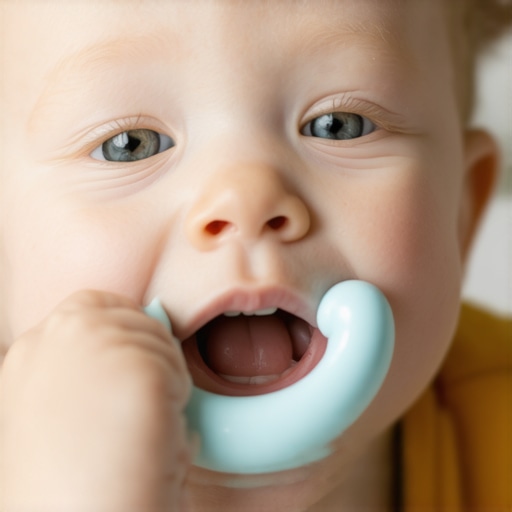
Another common mistake is the hyper-aggressive use of over-the-counter numbing gels containing benzocaine. Regulatory bodies like the FDA have issued strong warnings against these because they can cause a rare but serious blood condition called methemoglobinemia. Instead, stick to the basics of thermal distraction and proper hygiene. Have you ever fallen into this trap of using heavily marketed teething remedies only to find out they were risky? Let me know in the comments. By sharing our experiences, we can make navigating these early dental years much easier for everyone.
To keep your child’s developing smile on track, you cannot rely solely on the basics. You need a dedicated dental maintenance protocol. When families transition from the initial panic of teething to long-term dental maintenance, the focus shifts from managing temporary crises to establishing sustainable daily habits. Over the years, I have found that relying on the right gear makes all the difference in preventing minor irritations from escalating into costly treatments. Investing in the right tools and strategies today ensures your family maintains optimal oral health for years to come.
How do I maintain my family’s oral hygiene routine over time?
The secret to long-term success lies in consistency and precision. I personally recommend switching to an oscillating-rotational electric toothbrush with a built-in pressure sensor for everyone in the family who is old enough. Why? Because manual brushing often applies uneven, aggressive pressure that can cause micro-trauma to delicate gums. A pressure sensor immediately stops the movement if you press too hard, protecting sensitive gum tissues. According to the Cochrane Oral Health Group’s comprehensive reviews, power toothbrushes that employ an oscillating-rotational action reduce plaque and gingivitis more effectively than manual toothbrushes in both the short and long term. For children, I pair this with a high-quality dental mirror and a blue plaque-disclosing rinse once a week. This clinical-grade disclosing solution stains residual plaque bright blue, turning a mundane chore into a visual game where kids can physically see the areas they missed. By applying these family dentistry tips that make oral care effortless and effective, you remove the guesswork from your evening routine.
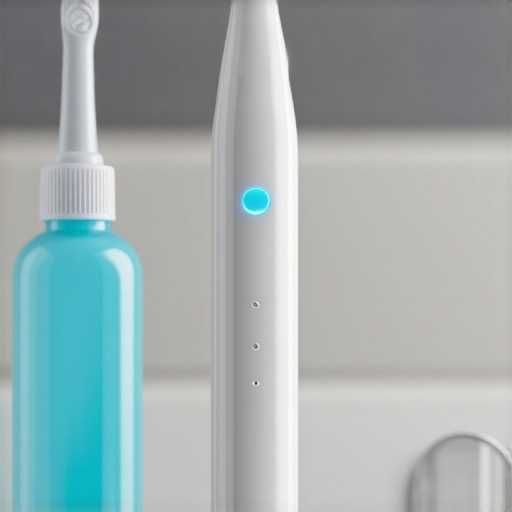
Looking ahead, the future of family dentistry is rapidly evolving toward personalized preventive care. We are already seeing the integration of smart toothbrushes equipped with AI-driven spatial tracking that maps your child’s mouth in real-time, sending reports directly to your phone. In the coming years, we can expect salivary diagnostics to become a standard home tool, allowing us to detect early markers of decay or bacterial shifts before a cavity even begins to form. Staying ahead of these technological curves will make keeping your family’s teeth clean easier than ever. For now, my challenge to you is to implement one advanced technique tonight: grab a bottle of plaque-disclosing solution or a high-quality pediatric dental mirror and inspect your child’s teeth together after they brush. You might be surprised at what you find, and catching those missed spots early is the ultimate way to master the ultimate guide to teeth cleaning techniques and benefits at home.
The Hardest Lessons I Learned Managing My Kids’ Swollen Gums
Looking back at those sleepless nights spent staring at angry purple bumps on my toddler’s gum line, I realize how much energy I wasted on the wrong things. First, I learned that a parent’s panic is highly contagious. When you stress, hover, and constantly try to pry open your child’s mouth to inspect the swelling, their anxiety spikes, making oral hygiene a nightmare. Second, physical intervention almost always backfires. Trying to scrub, massage, or peel away the tissue over a new tooth only introduces bacteria into a vulnerable area.
Lastly, I realized that developmental milestones do not follow a perfect calendar. Sometimes those molars take weeks to fully erupt, and the swelling will wax and wane. The real breakthrough came when I stopped treating normal teething like a medical emergency and started focusing on consistent, gentle support. Embracing family dentistry tips that make oral care effortless and effective shifted our household from a state of constant worry to a calm, manageable routine.
My Essential Toolkit for Stress-Free Teething Phases
Through trial, error, and plenty of pediatric dental consultations, I have curated a small but highly effective toolkit that keeps my children comfortable during major dental milestones:
- Medical-Grade Silicone Training Brushes: Unlike standard nylon bristles that can scrape raw, swollen gums, these soft silicone alternatives allow you to clean the area gently without causing pain or bleeding.
- Solid Food-Grade Silicone Teething Rings: Keep a rotating stock of these in your refrigerator. The dense material provides the perfect counter-pressure to soothe a rising tooth, and they are far safer than gel-filled options that risk leaking.
- A High-Quality Pediatric Dental Mirror: This simple tool is an absolute game-changer. It allows you to get a clear, unobstructed view of the back molars without forcing your child’s mouth open uncomfortably.
- Plaque-Disclosing Solution: Once the teething swelling goes down and the tooth emerges, a quick rinse with this visual aid shows you exactly where food and bacteria are hiding around the new crown. It helps you practice advanced teeth cleaning techniques with absolute precision.
Your Blueprint for a Lifetime of Fearless Smiles
Teething swelling can feel incredibly overwhelming when you are in the thick of it, but it is actually a beautiful sign that your child is growing exactly as they should. By swapping out aggressive chemical remedies for gentle cold therapy and keeping the oral environment clean, you protect their newly emerging enamel and keep them pain-free. Remember, the goal of family dentistry is not just about keeping teeth clean; it is about building a foundation of trust and comfort around oral health that your child will carry into adulthood. You are doing a fantastic job, and with the right approach, these brief phases of swelling will pass before you know it.
Have you ever noticed a scary-looking purple bump on your child’s gums during a teething phase, and how did you help them get through it? Let me know in the comments below!