
I remember sitting in my favorite local diner, staring down at a perfectly toasted club sandwich. It was my first real meal after getting my brand-new porcelain crown placed. I took a confident bite, and—clack. It felt like my entire jaw slammed into a concrete speed bump. Only one single tooth was touching, and it felt like it was ten feet tall. I made the classic mistake of thinking, “Oh, I’ll just chew on the other side and let it settle in.” Spoiler alert: it didn’t settle, and by day three, my jaw muscle was throbbing. If you are experiencing that exact same awkward, high-impact sensation right now, you are not alone, and you definitely shouldn’t just try to tough it out.
When a crown feels high, your entire mouth goes out of alignment. Today, we are going to unpack exactly why this happens, why your nerves react so violently to even a fraction of a millimeter of extra material, and how easy it is to get it fixed without starting your dental work all over again.
Your Brain Knows When Your Bite is Off by a Hair
Our mouths are incredibly sensitive instruments. In fact, your periodontal ligament—the microscopic hammock of fibers that anchors your tooth to the jawbone—is packed with tactile receptors that can detect discrepancies as thin as a single strand of hair. When a dentist places a new restoration, even a microscopic excess of porcelain or metal can throw off your entire chewing ecosystem. This is very similar to the reason your bite feels off after getting a new filling, where even a tiny high spot makes you feel like you are chewing on a pebble.
According to clinical studies compiled by the American Dental Association, persistent high spots on dental restorations can lead to localized occlusal trauma, which essentially bruises the ligament beneath the tooth and causes significant pain when chewing. If you ignore it, that constant pounding can actually cause the tooth to become loose or even fracture. It is a subtle issue that quickly turns into a massive headache—literally.
Are dental crowns supposed to just wear down on their own?
I hear this question from my neighbors all the time. People assume that because modern dental materials are advanced, they will eventually adapt or wear down to fit the bite. The short answer is no. Modern dental materials like zirconia and lithium disilicate are incredibly durable; they are designed to resist wear for decades, which means they won’t simply file themselves down against your natural teeth. Instead of the crown wearing down, the constant premature contact will bruise the bone and ligament underneath, or worse, cause wear and tear on the opposing natural tooth. This is why hoping it resolves itself is a losing game.
Getting your bite balanced is highly straightforward and usually takes less than ten minutes in the dental chair. Have you ever walked out of the clinic feeling like your teeth just don’t fit together quite right anymore? Let me know in the comments below! If you are dealing with other post-procedure sensitivities, you might also want to read about the reason your crown feels tight after you wake up to help pinpoint what is normal healing versus what needs a quick professional adjustment.
How Your Dentist Shaves Off the High Spots in Ten Minutes
Getting your bite adjusted is a remarkably quick process, but it requires extreme precision. Think of your teeth as gears in a Swiss watch; if one tooth is even slightly out of alignment, the entire mechanism grinds to a painful halt. When you go back to the clinic, your dentist won’t have to remove the crown or start your treatment over. Instead, they will use a specialized diagnostic and reshaping process to find the exact microscopic point of interference and polish it away.
During my own follow-up appointment for that stubborn club-sandwich incident, my dentist had me bite down on a thin strip of colored paper. I remember feeling skeptical that such a simple tool could locate my problem, but the results were instantaneous. This paper, known as articulating paper, leaves a tiny colored mark only on the exact spots that make contact first. Within minutes, my dentist used a superfine diamond burr to gently polish away those colored marks, and my bite instantly felt balanced again.
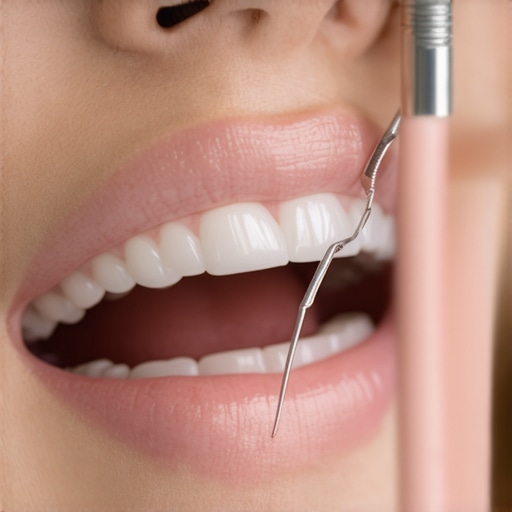
Step 1: Mapping the bite with articulating paper
The first step in resolving a high crown is locating the premature contact. Your dentist will place a strip of articulating paper—essentially double-sided carbon paper—between your teeth and ask you to tap your teeth together and grind side-to-side. This leaves colored ink marks on the high points of the porcelain. If you are also experiencing general sensitivity in other areas, keeping up with maintaining oral health expert advice for a lifetime of healthy teeth will help you differentiate between bite issues and other common dental concerns.
Step 2: Micro-reduction of the porcelain surface
Once the high spots are marked, your dentist uses a high-speed handpiece with an ultra-fine polishing stone or diamond burr to shave down the excess porcelain. They only remove microns of material at a time. This process is completely painless because the crown does not contain nerves, though you will feel some mild vibration. In many ways, this careful reshaping is similar to the meticulous detailing used in modern cosmetic dentistry innovations you can’t miss this year to perfect a patient’s smile line.
Step 3: Polishing to prevent future wear
After the height is perfect, the adjusted area is polished back to a glass-like shine. Leaving porcelain unpolished can make it abrasive, which would wear down the opposing natural teeth over time. If you want to keep all of your teeth in pristine shape, combining a balanced bite with advanced preventive habits like those found in our guide on the ultimate guide to teeth cleaning techniques and benefits will ensure your entire mouth remains healthy, comfortable, and pain-free.
When we discuss crown adjustments, many patients assume it is a simple cosmetic fix. However, there is a massive difference between basic aesthetics and functional occlusion. Many people fall into the trap of thinking that a slightly high bite is just a minor annoyance they can live with, or that their jaw will naturally adapt over time. In reality, ignoring a misaligned bite is a recipe for long-term joint damage and localized bone loss. Let us dig deeper into the mechanics of your bite and look at what most people—and even some practitioners—get wrong about how teeth fit together.
Why does a high crown cause pain in seemingly healthy neighboring teeth?
The human mouth does not operate in isolation. When one tooth is high, it alters the path your jaw takes to close. This is called a compensatory slide. Because you are subconsciously shifting your jaw to find a comfortable chewing position, you begin placing lateral, shearing forces on teeth that were never meant to take that kind of stress. This can lead to unexplained sensitivity in teeth far away from the new crown. A study published in the Journal of Prosthetic Dentistry highlights how even minor occlusal interferences can trigger myofascial pain and mimic sinus headaches. If you are experiencing general discomfort after dental work, understanding why your teeth feel more sensitive after a professional cleaning or other treatments can help you distinguish between normal post-op nerve responses and actual structural misalignment.
The Dangerous Myth of Self-Adjusting Dental Materials
Everyone says modern dental materials are so advanced that they will eventually settle, but in my experience, waiting for a zirconia or lithium disilicate crown to wear down naturally is a dangerous waiting game. These materials are harder than natural tooth enamel. If you leave a high spot untreated, the crown will not wear down; instead, it will slowly grind down the opposing natural tooth, destroying its protective enamel layer. This is why immediate, professional micro-reduction is absolutely critical.
Another common mistake is assuming that a tight-feeling crown is the same as a high crown. If you feel pressure on the sides of your teeth rather than a premature vertical contact, you might actually be dealing with a different issue altogether, such as the reason your crown feels tight after you wake up, which often relates to nighttime clenching rather than a physical height discrepancy. Have you ever fallen into this trap of waiting for a high bite to fix itself, only to end up with jaw pain? Let me know in the comments! If you want to protect your investment and avoid these issues entirely, exploring the latest cosmetic dentistry innovations you can’t miss this year can give you valuable insight into how modern dentists achieve perfect, balanced smiles from day one.
Once your dentist uses those micro-reduction techniques to establish a balanced, harmonious bite, the immediate relief is indescribable. However, maintaining that precise alignment requires ongoing care. Just like a finely tuned sports car, your newly adjusted crown demands the right maintenance strategy to prevent future shifting, localized wear, and unexpected joint stress.
How do I maintain my dental crown and bite alignment over time?
Keeping your crown and bite in perfect condition is all about protecting the surrounding tissue and preventing the wear of opposing teeth. First, you must prioritize advanced home hygiene. Using an ultra-soft bristle brush combined with non-abrasive toothpaste ensures you do not micro-scratch the polished porcelain surface. If you are caring for a variety of dental work across different age groups in your home, implementing family dentistry tips that make oral care effortless and effective is a fantastic way to keep everyone on track.
Second, professional preventative care is non-negotiable. Even with the best home routine, microscopic plaque can accumulate at the margin where the crown meets your natural tooth. Getting scheduled professional cleanings is the absolute best way to protect that margin from decay. In fact, understanding how regular dental cleanings can save you money in the long run helps you realize that preventive maintenance is vastly cheaper than replacing compromised restorations.
The Specialized Tools I Use to Protect My Bite
In my personal oral care routine, I rely on highly specific tools that protect my dental work from wear. My absolute favorite tool is my custom-fabricated, hard-acrylic occlusal nightguard. I do not use the soft, boil-and-bite guards from local pharmacies. Soft guards actually stimulate the jaw muscles to chew and clench more, which can quickly throw a new crown out of alignment. A custom-molded hard nightguard, designed by a clinical technician, evenly distributes forces across your entire arch, keeping your bite pristine while you sleep.
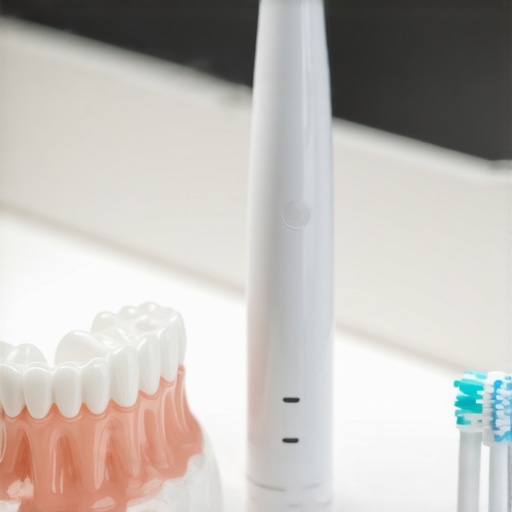
Additionally, I highly recommend transitioning to a high-end electric toothbrush equipped with a pressure sensor. I personally use the Oral-B iO Series, which utilizes micro-vibrations rather than aggressive scrubbing to clean along the gumline. This prevents gum recession around the crown’s base, keeping the underlying tooth structure completely sealed. If you have highly sensitive gums around your new restoration, exploring gentle teeth cleaning best practices for sensitive gums can help you clean effectively without causing tissue irritation.
Where Modern Bite Technology is Going Next
Looking ahead, the days of biting down on messy carbon paper are numbered. The future of dental occlusion lies in digital bite-mapping technology. Tools like the T-Scan system—a digital sensor that measures relative biting forces in real-time—allow dentists to see exactly which tooth strikes first on a computer screen, down to the millisecond. This level of extreme precision will soon make manual bite adjustments a relic of the past, ensuring perfect crown placement on the very first try.
If you have recently received a new crown or filling, do not wait for the pain to become unbearable. I highly encourage you to test your bite today using the ‘sandwich test’: take a slow, deliberate bite into a piece of bread and focus on whether your teeth touch evenly. If you feel even a slight premature contact, call your dentist immediately and ask for a quick, ten-minute articulating paper adjustment.
The Hardest Lessons I Learned About Waiting Out a Bad Bite
When my own dental crown felt high, I fell into the trap of believing my mouth would just figure it out. It was a painful mistake that taught me several vital truths about how our bodies handle dental restorations:
- Enamel does not grow back: Your opposing natural teeth will always wear down before the high-tech materials of a modern zirconia or porcelain crown do.
- Your jaw muscles never forget: Compensating for a bad bite by shifting how you chew creates a muscle memory loop that can lead to chronic TMJ issues and tension headaches.
- Early intervention is painless: Getting a bite micro-reduction takes under ten minutes, requires zero anesthesia, and prevents the need for major restorative work down the road.
My Essential Toolkit for Pristine Crown Maintenance
Once you get your bite professionally balanced, keeping your oral health in top shape requires the right daily strategy. Here are the specific tools I personally trust to protect my dental work:
- A Hard-Acrylic Custom Nightguard: Unlike cheap, soft retail guards that actually encourage clenching, a custom-molded hard nightguard evenly distributes occlusal forces. This is crucial for protecting both your crown and your natural teeth from nighttime grinding.
- An Electric Toothbrush with a Smart Pressure Sensor: I highly recommend models with built-in sensors. They prevent aggressive scrubbing along the gumline, protecting the sensitive margins of your crown and keeping your gums healthy. If you have sensitive gum tissue, implementing gentle teeth cleaning best practices for sensitive gums can make a massive difference.
- Professional Preventive Cleans: No home routine can perfectly clear the microscopic margin where your crown meets your natural tooth structure. Scheduling regular professional hygiene appointments is the absolute best way to protect your investment. Understanding how regular dental cleanings can save you money in the long run will help you see why preventive care is so essential.
Take Control of Your Bite Health Today
You do not have to live with the constant, throbbing discomfort of a misaligned crown. Modern dentistry has made bite adjustment incredibly simple, painless, and fast. If you are investing in your smile through restorative or cosmetic dentistry innovations you can’t miss this year, you deserve to have a bite that feels completely natural and pain-free. Do not let a microscopic high spot compromise your oral health or ruin your favorite meals.
Have you ever tried to tough it out with a high dental crown or a filling that felt slightly off? Let me know how it went in the comments below!