
I vividly remember the morning I woke up, reached for my jaw, and felt a dull, thumping ache that radiated all the way to my ears. I’d spent fifteen bucks on one of those “boil-and-bite” mouthguards from the local drugstore, thinking I’d outsmarted the dental industry. I followed the instructions, dunked it in hot water, and clamped down. It felt like a giant, rubbery hockey puck in my mouth. By 3:00 AM, I’d subconsciously spit it into the abyss behind my nightstand. That was my first big mistake—valuing a bargain over the actual alignment of my bite and my long-term oral health.
The Real Reason Your Store-Bought Guard Fails You
When I finally sat in my dentist’s chair, admitting my jaw felt like a rusty hinge, I learned the hard way that one size truly fits nobody. Those generic guards are often too thick, which actually forces your jaw to stay open wider than it should for six to eight hours a night. This can strain your temporomandibular joint (TMJ) significantly. Plus, they aren’t designed to handle the specific pressure points of your unique smile. If you’ve ever wondered why your bite feels off, imagine what a bulky, uncalibrated piece of plastic is doing to your alignment every single night. I want to help you avoid the literal headache I went through. Today, we’re diving into why a custom-fitted guard is the only way to actually protect your teeth without sacrificing your sleep or your jaw health.
Is a custom mouthguard really worth the extra cost?
It’s the question I asked myself for years. “It’s just plastic, right?” Wrong. A custom guard is thin, precise, and stays put. According to the American Dental Association, bruxism (teeth grinding) can lead to fractured teeth and even tooth loss if not managed correctly with a proper appliance. It’s the difference between wearing a pair of custom-tailored boots and strapping two rectangular boxes to your feet and trying to run a marathon. If you’re already noticing signs of wear, like black triangles appearing between your teeth from the constant pressure and gum recession, it’s time to take this seriously. I didn’t, and I ended up needing extra dental assessments just to make sure I hadn’t cracked a molar. Have you ever woken up with a sore jaw even after wearing a store-bought guard? Let me know—I bet I’m not the only one who has hunted for a lost mouthguard in the bedsheets at 7:00 AM.[image]Let’s look at how these custom pieces are actually made and why they save you thousands in the long run.
The Blueprint for a Perfect Fit
When you decide to move past the “boil-and-bite” phase, the first thing that happens is a precise dental impression. This isn’t just about making a copy of your teeth; it’s about capturing the exact landscape of your mouth. In my experience with family dentistry, this step is where the magic happens. I remember sitting there with a tray of goop in my mouth, trying not to laugh at a joke my dentist made. It felt weird for three minutes, but that three-minute investment meant the finished guard wouldn’t slip or slide while I slept. Unlike the store-bought versions that use a generic arch, this mold accounts for the tilt of your molars and the curve of your palate.
Get the Impression Right the First Time
If the mold isn’t perfect, the guard won’t be either. Some modern offices now use digital scanners, which is a game-changer if you have a strong gag reflex. I once tried to trim a drugstore guard with kitchen scissors because it was poking my cheek—I ended up with a jagged edge that made my gums bleed for a week. A custom lab-made guard has hand-polished edges that sit flush against your tissue, preventing that kind of irritation entirely. 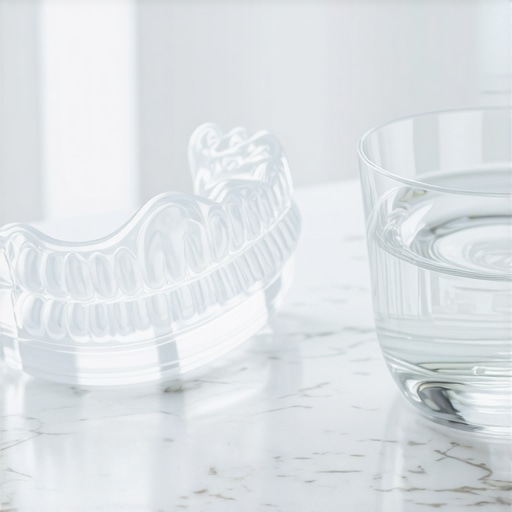
Choose the Right Material for Your Grinding Level
Not all guards are made of the same plastic. If you are a heavy “clencher,” you might need a hard acrylic guard that provides a slick surface for your teeth to glide over. If you’re more of a light grinder, a “dual-laminate” guard—soft on the inside and hard on the outside—is the gold standard for comfort. This choice is vital because the wrong material can actually make your recurring headaches worse by allowing too much “bounce” in the jaw. Harder materials force the muscles to relax because they can’t find a “grip” on the surface.
Why Bite Calibration is the Secret Sauce
The real reason custom guards work is “occlusal balancing.” Your dentist ensures that when you bite down, your teeth hit the guard evenly. If you hit one side harder than the other, you’ll wake up wondering why your bite feels off or why a specific tooth throbbed all night. This precision prevents the localized pressure that leads to cracked enamel or fractured fillings. Think of it like balancing the tires on a car; if one is out of alignment, the whole ride feels shaky.
Keep Your Guard from Smelling Like Old Socks
Once you have your custom piece, you have to protect the investment. I learned the hard way that just rinsing it with water isn’t enough. Bacteria love the porous surfaces of dental appliances. You need to clean a nightguard daily using non-abrasive soap or specific cleaners. I used to use toothpaste, but the grit in it actually created tiny scratches where more bacteria could hide. Now, I use a dedicated soak, and the guard stays crystal clear and fresh every single night. This small routine is part of maintaining oral health for the long haul. Remember, a clean guard is the only way to avoid the “morning breath” that store-bought guards are notorious for. If you stay on top of this, you’ll avoid the extra costs associated with regular dental cleanings becoming more frequent due to appliance-related hygiene issues.Most people think that if they aren’t scrubbing their teeth until the bristles splay, they aren’t really cleaning. This is the biggest ‘oops’ in family dentistry. In reality, aggressive brushing is the fastest way to wear down your enamel—the one part of your body that doesn’t grow back. I used to be a ‘hard’ brush enthusiast until my dentist showed me the notches I was carving into my gum line. This leads to the very sensitive teeth you are trying to protect. Another nuance often missed is the whitening trap. I have seen so many people spend a fortune on over-the-counter kits only to end up with a ‘checkerboard smile.’ Why? Because porcelain and composite resins do not bleach. If you have a front-tooth filling, the natural tooth gets whiter while the filling stays the same. Knowing how to whiten teeth with multiple fillings is essential before you start.
Why does my gum recession only happen on one side?
This is a sophisticated concern that usually points to a hidden habit like ‘single-sided clenching’ or even the way you sleep. According to research in the Journal of Periodontology, localized recession can be a direct result of occlusal trauma—basically, your bite is hitting one tooth harder than the rest, much like the alignment issues we discussed with custom mouthguards. If you notice gums pulling away on one side, it is rarely just about your toothbrush.  Let’s look at the best teeth cleaning techniques that actually work. Many believe whitening toothpaste is a shortcut to a Hollywood smile, but these often rely on abrasives that strip away stains by scratching the surface. It is like using sandpaper to clean a window. Instead, focus on the chemistry of your mouth and gentle mechanical removal. Have you ever fallen into the ‘harder is better’ brushing trap? Let me know in the comments—I am still recovering from my own over-scrubbing days! For those looking to truly transform your smile in 2025, it starts with unlearning these common beginner mistakes and focusing on structural health.
The Gear That Actually Saved My Enamel
After years of trial and error, I’ve realized that good intentions aren’t enough; you need the right hardware. I finally traded my manual brush for a high-end electric model with a built-in pressure sensor. I chose it specifically because it vibrates when I press too hard, physically preventing me from causing more damage to my gums. If you are struggling with sensitive gums, this one feature is a total game-changer. I also added a water flosser to my nightly routine. Unlike string floss, which can be hard to maneuver around tight contacts, the pressurized water gets into the ‘blind spots’ of my back molars where I used to get recurring cavities. Using these tools is part of the best teeth cleaning techniques I have found to keep my smile stable.
How can I maintain my oral health results over time?
Consistency is the boring answer, but the real secret is the ‘three-month recalibration.’ Every 90 days, I check my toothbrush head for wear and re-evaluate my gum line for any new changes. I’ve found that long-lasting dental health isn’t about one big procedure; it is about the micro-decisions you make twice a day. This includes making sure my kids follow the same path with effortless oral care tips that we’ve integrated into our morning routine. To truly protect your investment, you have to realize that regular dental cleanings are not just ‘check-ups’—they are essential maintenance that prevents minor issues from turning into thousand-dollar surgeries.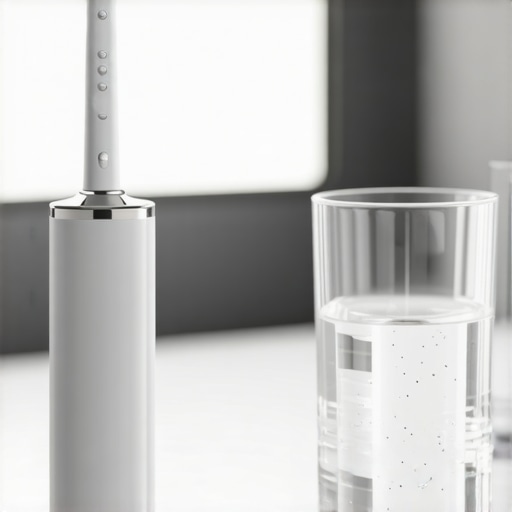
Stop Guessing Where the Plaque Is
One of the most effective tools I use is something most people haven’t touched since middle school: plaque disclosing tablets. I chew one once a week before brushing. It dyes any hidden plaque bright purple, showing me exactly where I am being lazy with my brush. This isn’t just my opinion; a meta-analysis from The Cochrane Library confirmed that power toothbrushes (when used correctly) provide a 21% reduction in plaque compared to manual brushing over a three-month period. If you want to maintain your oral health for a lifetime, you have to take the guesswork out of the equation. This data-driven approach is how I ensure that my dental implants last for decades without complications.
What the Next Decade of Dental Tech Looks Like
I predict that by 2030, we won’t even have to ‘guess’ if our brushing is effective. We are already seeing the rise of AI-integrated toothbrushes that map your mouth in real-time on your smartphone. Furthermore, innovations in cosmetic dentistry are moving toward bio-active materials that actually help remineralize your teeth while you sleep. We are moving away from just ‘fixing’ damage and toward ‘regenerating’ health. If you are looking to transform your smile in 2025, you’ll likely be using these smart technologies sooner than you think. I highly recommend trying the ‘Purple Tablet Test’ this weekend—it is the fastest way to find the holes in your defense. For a deeper look at your specific needs, don’t hesitate to contact us for a personalized assessment.
Three Hard Truths About My Dental Journey
Looking back at my years of dental mishaps, there are a few things I would tell my younger, “boil-and-bite” self. First, bulky does not mean better; a thick, generic guard is often a recipe for jaw strain rather than protection. Second, the color of your teeth isn’t the only metric for success. Many oral health myths suggest that blinding white teeth are automatically healthy teeth, but enamel integrity and gum health matter far more than just the shade. Finally, pay attention to the small signals, like gums pulling away on one side, before they become a surgical problem. Catching these nuances early is the secret to avoiding long, expensive afternoons in the dental chair.
The Essentials I Use to Stay Out of the Dental Chair
I’ve curated a small but mighty toolkit that keeps my mouth stable and my dentist happy. I personally swear by an electric toothbrush with a built-in pressure sensor—it is the only way to ensure gentle teeth cleaning that won’t erode your gum line over time. I also recommend keeping a pack of plaque disclosing tablets in your vanity; they provide the cold, hard visual evidence you need to perfect your daily technique. For those ready to go further, investigating revolutionary teeth cleaning techniques can turn a mediocre routine into a professional-grade defense system.
Take Control of Your 2025 Smile Strategy
Taking care of your teeth shouldn’t feel like a chore or a mystery. Whether you are looking to transform your smile in 2025 or simply want to wake up without a thumping jaw ache, the right hardware and a custom fit are your best allies. If you’re unsure where to start your journey toward long-lasting oral health, don’t hesitate to contact us for a personalized assessment. Your future self will thank you for the investment you make today. Have you ever tried a custom-fitted guard and felt the difference in your sleep quality, or are you still on the fence? Let me know your thoughts in the comments!