
I remember sitting at my desk, a lukewarm coffee in hand, when a sharp, rhythmic throb radiated from the very back of my jaw. I was thirty-two. Like most people my age, I assumed I had safely dodged the wisdom tooth bullet. I figured if they hadn’t surfaced by twenty-five, they were just part of the furniture now. I was wrong, and that mistake led to a frantic emergency visit that could have been avoided. Early on, I ignored the signs because I didn’t want to deal with the recovery, convinced that [why your wisdom teeth might be causing your front teeth to crowd](https://gentlesmiledentist.com/why-your-wisdom-teeth-might-be-causing-your-front-teeth-to-crowd) was a problem for teenagers, not a grown adult with a mortgage. Today, I am going to peel back the curtain on why waiting until your thirties changes the game entirely and how you can get through it without the horror stories you see on social media. Have you ever felt that nagging pressure in your jaw and tried to convince yourself it was just stress?
Stop Waiting for the Pain to Become an Emergency
The hard truth is that our bones aren’t as soft as they used to be. When you are eighteen, those roots aren’t fully formed, and the bone is remarkably pliable. By the time you hit thirty, your jawbone has denseified, and those roots may have decided to wrap themselves around nerves like an over-enthusiastic ivy plant. I learned this the hard way when my dentist explained that the recovery I was dreading was only getting more complicated every year I waited. It is a common misconception that if they aren’t hurting, they aren’t doing damage. However, the American Association of Oral and Maxillofacial Surgeons (AAOMS) notes that older adults face a significantly higher risk of complications, such as tooth fractures or even minor nerve damage, compared to younger patients whose roots are still developing. This is exactly why we often discuss [why we use iv sedation for complex wisdom tooth extractions](https://gentlesmiledentist.com/why-we-use-iv-sedation-for-complex-wisdom-tooth-extractions) for us ‘older’ folks; we need that extra level of care to ensure the procedure is as smooth as possible.
Is removing them now actually worth the hype?
You might be skeptical, thinking you can just live with the occasional ache. But let’s be real: an unplanned surgery in the middle of a work week is a nightmare. I spent three days wondering [how to manage dry socket pain if you cannot get to the dentist immediately](https://gentlesmiledentist.com/how-to-manage-dry-socket-pain-if-you-cannot-get-to-the-dentist-immediately) because I didn’t plan for a proper recovery. When you take control of the timeline, you aren’t just saving your teeth from crowding; you are saving your future self from a painful, expensive surprise. Sometimes we mistake dental pain for other issues, like [why your teeth ache during a sinus infection](https://gentlesmiledentist.com/why-your-teeth-ache-during-a-sinus-infection-and-how-to-tell-the-difference), but once those wisdom teeth decide to move, they don’t stop until they hit something. We are going to walk through the exact steps to prepare your body and your kitchen for a thirty-something recovery that won’t leave you sidelined for weeks.
Clear Your Calendar Before the Numbness Sets In
The first thing I botched during my own recovery was the timing. I thought I could squeeze my surgery in on a Thursday and be back leading a team meeting by Monday morning. The reality? My jaw felt like it had been in a boxing match with a heavyweight champion. For us thirty-somethings, the inflammatory response is more aggressive than it was in our teens. Give yourself a full four-day window where your only responsibility is resting. If you try to rush back into the ‘grind,’ you risk increasing your blood pressure, which can dislodge the blood clot and lead to the exact scenario where you need to know how to manage dry socket pain if you cannot get to the dentist immediately. Treat your jawbone like a fresh fracture; it needs stillness to knit itself back together.
Why Deep Sedation Beats Trying to Tough It Out
Many people in their thirties pride themselves on a high pain tolerance, but this isn’t the time for a ‘grin and bear it’ attitude. Because our roots are often deeper and closer to the nerve, the extraction process is more mechanical and intensive than a simple pull. This is precisely why we use iv sedation for complex wisdom tooth extractions in older patients. It allows the surgeon to work with precision without the patient flinching from pressure, which minimizes trauma to the surrounding tissue and significantly reduces post-operative swelling. 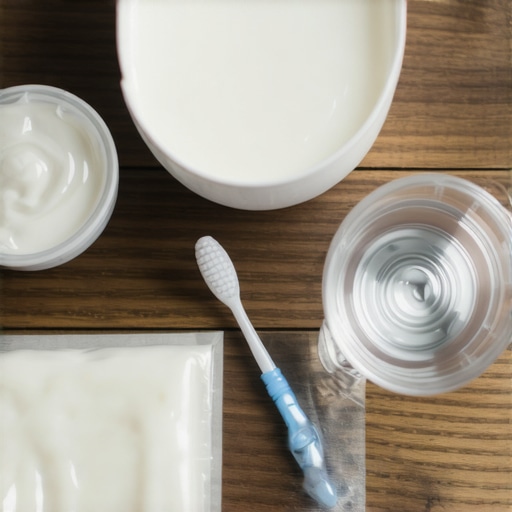
Master the Art of the No-Straw Recovery
The most dangerous tool in your kitchen after wisdom tooth surgery is a simple plastic straw. The suction required to use one is enough to pull the healing clot right out of the socket. I remember the panic I felt when I almost reached for a smoothie straw on day two—that split second of forgetfulness can cost you a week of agony. Instead, stock up on thick, high-protein soups and Greek yogurt that you can eat with a spoon. Nutrition is your fuel for healing, but it has to be effortless. Avoid anything with small seeds or grains that could get lodged in the surgical site, as these are the primary culprits for localized infections.
Keep the Rest of Your Mouth Pristine
Just because you have a surgical site in the back doesn’t mean the rest of your oral hygiene goes on vacation. In fact, keeping the rest of your teeth clean prevents bacteria from migrating toward the healing socket. You’ll need to transition to gentle teeth cleaning: best practices for sensitive gums to ensure you aren’t irritating the area. Use a soft-bristled brush and avoid the extraction site entirely for the first 24 hours, then transition to warm salt water rinses. This isn’t just about comfort; how regular dental cleanings can save you money in the long-run starts with avoiding preventable infections that require emergency follow-ups.
The Secret to Long-Term Stability
Once the initial swelling subsides, the work isn’t done. A common mistake is thinking the removal was the finish line. In reality, your mouth is now adjusting to new space. Focus on maintaining oral health: expert advice for a lifetime of healthy teeth by monitoring how your bite feels over the next few months. If you feel your teeth shifting or your jaw clicking, it’s time for a professional check-in to ensure your alignment remains stable now that the pressure is gone.Once you have cleared the hurdle of your wisdom tooth recovery, it is tempting to think the ‘hard part’ of adult dentistry is over. But let’s dig deeper into the nuances that most people overlook once their jaw stops throbbing.
Why Your Bright White Smile Might Be Hiding a Crisis
Everyone wants that Hollywood glow, but here is the contrarian truth: a white smile isn’t always a healthy one. We have been conditioned to believe that brightness equals hygiene, yet I’ve seen patients with dazzling veneers who were completely unaware that the specific pain that tells you your filling is leaking was actually a signal of internal decay. Whitening can act as a mask, hiding the subtle discolorations that dentists use to spot early-stage infections. If you are relying on the truth about whitening toothpaste to solve your problems, you might just be painting over a crumbling foundation.
Can you actually scrub away your enamel by trying too hard?
This is the ultimate ‘oops’ factor in adult dental care. In an effort to be proactive, many people switch to stiff-bristled brushes or abrasive ‘natural’ hacks. I once saw a patient who had literally dissolved a layer of her enamel because she believed the truth about whitening your teeth with strawberries and soda—the acid in the fruit combined with the abrasive nature of baking soda is a recipe for permanent sensitivity. According to a study published in the Journal of Clinical Periodontology, aggressive mechanical brushing is a leading cause of gingival recession, proving that ‘more’ is definitely not ‘better’ when it comes to force. 
The Biofilm Myth and Why Rinsing Isn’t Enough
Most people think a quick swish of mouthwash kills everything ‘bad’ in their mouth. In reality, oral bacteria live in complex communities called biofilms that are incredibly resistant to liquids alone. This is why some people are more prone to cavities regardless of hygiene; their specific bacterial makeup is stickier and more aggressive. If you find that why your teeth feel more sensitive after a professional cleaning is a recurring issue, it is often because the removal of that hardened biofilm has exposed roots that were previously ‘insulated’ by tartar. Have you ever fallen into the trap of thinking your DIY whitening kit was a substitute for a check-up? Let me know in the comments—we’ve all been there!Investing in the right equipment isn’t just about vanity; it’s about mechanical efficiency. I personally switched to a sonic-powered brush because it does the work that my tired hands cannot do at 6 AM. This is a core part of maintaining oral health: expert advice for a lifetime of healthy teeth. I noticed that when I used a manual brush, I tended to overcompensate for the lack of power by pressing harder, which led to the exact kind of gum sensitivity we discussed earlier. Now, I let a pressure sensor tell me when I am being too aggressive. If you are managing a busy household, these family dentistry tips that make oral care effortless and effective are vital for preventing the recession that comes from over-brushing.
How do I maintain my oral health as I get older?
The key is consistency and selecting the right tools for your specific anatomy. Beyond the brush, I have become an evangelist for interdental brushes. Floss is a great starting point, but interdental brushes—those tiny, specialized ‘trees’—actually disrupt the biofilm in the concave gaps of your molars that string floss often skips over. According to the Cochrane Oral Health Group, powered toothbrushes provide a statistically significant 21 percent reduction in plaque after three months compared to manual ones. It is a small mechanical advantage that compounds over decades, preventing the need for expensive interventions later. If you really want to level up your routine, look into the ultimate guide to teeth cleaning techniques and benefits to see why professional-grade tools are becoming the standard for home care. 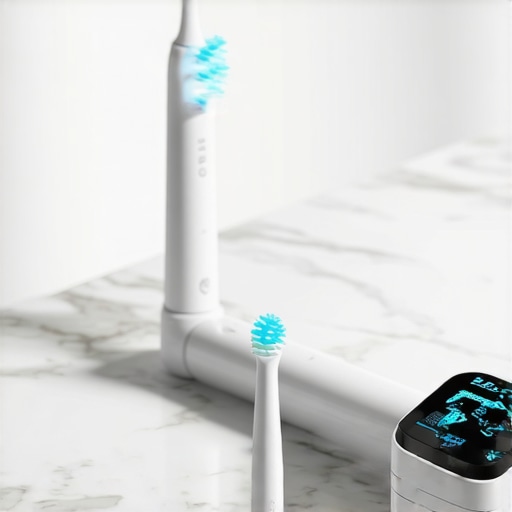
Your Mouth Is the Next Frontier for Smart Tech
Looking ahead, I predict that the next five years will shift from reactive dentistry to truly ‘smart’ preventative care. We are already seeing the rise of AI-integrated cameras in consumer toothbrushes that map your mouth in real-time. Soon, your dentist won’t just see you twice a year; they will receive automated data on your gum health and acidity levels through sensors embedded in your bathroom mirror. This level of oversight is how regular teeth cleaning can prevent major dental issues before they even require a drill. We are moving toward a world where ‘fill and drill’ is replaced by ‘monitor and remineralize.’ My challenge for you this week is to try the ‘spit don’t rinse’ method. After brushing, spit out the excess toothpaste but do not rinse with water or mouthwash. Let those active ingredients, like fluoride or hydroxyapatite, sit on your enamel for an extra thirty minutes to maximize their strengthening potential. It is a simple, free way to boost your tooth density starting tonight.I remember sitting at my desk, a lukewarm coffee in hand, when a sharp, rhythmic throb radiated from the very back of my jaw. I was thirty-two. Like most people my age, I assumed I had safely dodged the wisdom tooth bullet. I figured if they hadn’t surfaced by twenty-five, they were just part of the furniture now. I was wrong, and that mistake led to a frantic emergency visit that could have been avoided. Early on, I ignored the signs because I didn’t want to deal with the recovery, convinced that why your wisdom teeth might be causing your front teeth to crowd was a problem for teenagers, not a grown adult with a mortgage. Today, I am going to peel back the curtain on why waiting until your thirties changes the game entirely and how you can get through it without the horror stories you see on social media. Have you ever felt that nagging pressure in your jaw and tried to convince yourself it was just stress?
Stop Waiting for the Pain to Become an Emergency
The hard truth is that our bones aren’t as soft as they used to be. When you are eighteen, those roots aren’t fully formed, and the bone is remarkably pliable. By the time you hit thirty, your jawbone has denseified, and those roots may have decided to wrap themselves around nerves like an over-enthusiastic ivy plant. I learned this the hard way when my dentist explained that the recovery I was dreading was only getting more complicated every year I waited. It is a common misconception that if they aren’t hurting, they aren’t doing damage. However, the American Association of Oral and Maxillofacial Surgeons (AAOMS) notes that older adults face a significantly higher risk of complications, such as tooth fractures or even minor nerve damage, compared to younger patients whose roots are still developing. This is exactly why we often discuss why we use iv sedation for complex wisdom tooth extractions for us ‘older’ folks; we need that extra level of care to ensure the procedure is as smooth as possible.
Is removing them now actually worth the hype?
You might be skeptical, thinking you can just live with the occasional ache. But let’s be real: an unplanned surgery in the middle of a work week is a nightmare. I spent three days wondering how to manage dry socket pain if you cannot get to the dentist immediately because I didn’t plan for a proper recovery. When you take control of the timeline, you aren’t just saving your teeth from crowding; you are saving your future self from a painful, expensive surprise. Sometimes we mistake dental pain for other issues, like why your teeth ache during a sinus infection, but once those wisdom teeth decide to move, they don’t stop until they hit something. We are going to walk through the exact steps to prepare your body and your kitchen for a thirty-something recovery that won’t leave you sidelined for weeks.
Clear Your Calendar Before the Numbness Sets In
The first thing I botched during my own recovery was the timing. I thought I could squeeze my surgery in on a Thursday and be back leading a team meeting by Monday morning. The reality? My jaw felt like it had been in a boxing match with a heavyweight champion. For us thirty-somethings, the inflammatory response is more aggressive than it was in our teens. Give yourself a full four-day window where your only responsibility is resting. If you try to rush back into the ‘grind,’ you risk increasing your blood pressure, which can dislodge the blood clot and lead to the exact scenario where you need to know how to manage dry socket pain. Treat your jawbone like a fresh fracture; it needs stillness to knit itself back together.
Why Deep Sedation Beats Trying to Tough It Out
Many people in their thirties pride themselves on a high pain tolerance, but this isn’t the time for a ‘grin and bear it’ attitude. Because our roots are often deeper and closer to the nerve, the extraction process is more mechanical and intensive than a simple pull. This is precisely why we use IV sedation for complex wisdom tooth extractions in older patients. It allows the surgeon to work with precision without the patient flinching from pressure, which minimizes trauma to the surrounding tissue and significantly reduces post-operative swelling. #IMAGE_PLACE_HOLDER_B#
Master the Art of the No-Straw Recovery
The most dangerous tool in your kitchen after wisdom tooth surgery is a simple plastic straw. The suction required to use one is enough to pull the healing clot right out of the socket. I remember the panic I felt when I almost reached for a smoothie straw on day two—that split second of forgetfulness can cost you a week of agony. Instead, stock up on thick, high-protein soups and Greek yogurt that you can eat with a spoon. Nutrition is your fuel for healing, but it has to be effortless. Avoid anything with small seeds or grains that could get lodged in the surgical site, as these are the primary culprits for localized infections.
Keep the rest of your mouth pristine
Just because you have a surgical site in the back doesn’t mean the rest of your oral hygiene goes on vacation. In fact, keeping the rest of your teeth clean prevents bacteria from migrating toward the healing socket. You’ll need to transition to gentle teeth cleaning: best practices for sensitive gums to ensure you aren’t irritating the area. Use a soft-bristled brush and avoid the extraction site entirely for the first 24 hours, then transition to warm salt water rinses. This isn’t just about comfort; how regular dental cleanings can save you money in the long-run starts with avoiding preventable infections that require emergency follow-ups.
The Secret to Long-Term Stability
Once the initial swelling subsides, the work isn’t done. A common mistake is thinking the removal was the finish line. In reality, your mouth is now adjusting to new space. Focus on maintaining oral health: expert advice for a lifetime of healthy teeth by monitoring how your bite feels over the next few months. If you feel your teeth shifting or your jaw clicking, it’s time for a professional check-in to ensure your alignment remains stable now that the pressure is gone. Once you have cleared the hurdle of your wisdom tooth recovery, it is tempting to think the ‘hard part’ of adult dentistry is over. But let’s dig deeper into the nuances that most people overlook once their jaw stops throbbing.
Why Your Bright White Smile Might Be Hiding a Crisis
Everyone wants that Hollywood glow, but here is the contrarian truth: a white smile isn’t always a healthy one. We have been conditioned to believe that brightness equals hygiene, yet I’ve seen patients with dazzling veneers who were completely unaware that the specific pain that tells you your filling is leaking was actually a signal of internal decay. Whitening can act as a mask, hiding the subtle discolorations that dentists use to spot early-stage infections. If you are relying on the truth about whitening toothpaste to solve your problems, you might just be painting over a crumbling foundation.
Can you actually scrub away your enamel by trying too hard?
This is the ultimate ‘oops’ factor in adult dental care. In an effort to be proactive, many people switch to stiff-bristled brushes or abrasive ‘natural’ hacks. I once saw a patient who had literally dissolved a layer of her enamel because she believed the truth about whitening your teeth with strawberries and soda—the acid in the fruit combined with the abrasive nature of baking soda is a recipe for permanent sensitivity. According to a study published in the Journal of Clinical Periodontology, aggressive mechanical brushing is a leading cause of gingival recession, proving that ‘more’ is definitely not ‘better’ when it comes to force. #IMAGE_PLACE_HOLDER_C#
The Biofilm Myth and Why Rinsing Isn’t Enough
Most people think a quick swish of mouthwash kills everything ‘bad’ in their mouth. In reality, oral bacteria live in complex communities called biofilms that are incredibly resistant to liquids alone. This is why some people are more prone to cavities regardless of hygiene; their specific bacterial makeup is stickier and more aggressive. If you find that why your teeth feel more sensitive after a professional cleaning is a recurring issue, it is often because the removal of that hardened biofilm has exposed roots that were previously ‘insulated’ by tartar. Have you ever fallen into the trap of thinking your DIY whitening kit was a substitute for a check-up? Let me know in the comments—we’ve all been there! Investing in the right equipment isn’t just about vanity; it’s about mechanical efficiency. I personally switched to a sonic-powered brush because it does the work that my tired hands cannot do at 6 AM. This is a core part of maintaining oral health. I noticed that when I used a manual brush, I tended to overcompensate for the lack of power by pressing harder, which led to the exact kind of gum sensitivity we discussed earlier. Now, I let a pressure sensor tell me when I am being too aggressive. If you are managing a busy household, these family dentistry tips that make oral care effortless and effective are vital for preventing the recession that comes from over-brushing.
How do I maintain my oral health as I get older?
The key is consistency and selecting the right tools for your specific anatomy. Beyond the brush, I have become an evangelist for interdental brushes. Floss is a great starting point, but interdental brushes—those tiny, specialized ‘trees’—actually disrupt the biofilm in the concave gaps of your molars that string floss often skips over. According to the Cochrane Oral Health Group, powered toothbrushes provide a statistically significant 21 percent reduction in plaque after three months compared to manual ones. It is a small mechanical advantage that compounds over decades, preventing the need for expensive interventions later. If you really want to level up your routine, look into the ultimate guide to teeth cleaning techniques and benefits to see why professional-grade tools are becoming the standard for home care. #IMAGE_PLACE_HOLDER_D#
Your Mouth Is the Next Frontier for Smart Tech
Looking ahead, I predict that the next five years will shift from reactive dentistry to truly ‘smart’ preventative care. We are already seeing the rise of AI-integrated cameras in consumer toothbrushes that map your mouth in real-time. Soon, your dentist won’t just see you twice a year; they will receive automated data on your gum health and acidity levels through sensors embedded in your bathroom mirror. This level of oversight is how regular teeth cleaning can prevent major dental issues before they even require a drill. We are moving toward a world where ‘fill and drill’ is replaced by ‘monitor and remineralize.’ My challenge for you this week is to try the ‘spit don’t rinse’ method. After brushing, spit out the excess toothpaste but do not rinse with water or mouthwash. Let those active ingredients, like fluoride or hydroxyapatite, sit on your enamel for an extra thirty minutes to maximize their strengthening potential. It is a simple, free way to boost your tooth density starting tonight.
The Hard Lessons of a Thirty-Something Dental Patient
Looking back on my frantic emergency visit, I realize that the biggest hurdle wasn’t the extraction itself, but my own denial. If I had listened to the experts early on, I would have avoided the pain of crowded teeth and the stress of an unplanned surgery. One vital lesson is that oral health myths debunked: what you need to know in 2025 shows us that adult jaws simply don’t bounce back like they do at eighteen. Another lightbulb moment was realizing that why mindfulness and psychotherapy tactics actually calm your nerves isn’t just for the extremely phobic; it’s a practical tool for anyone undergoing complex work. Finally, I learned that dental health is a long game where the smallest daily habits, like not using straws during recovery, prevent the biggest setbacks.
Tools That Actually Keep the Dentist Away
If you are looking to build a routine that actually protects your investment, these are the resources I trust implicitly. First, a high-quality electric toothbrush with a pressure sensor is non-negotiable to prevent enamel wear. Second, I recommend the book ‘It’s All in Your Mouth’ for anyone wanting to see the connection between whole-body health and dental care. Third, for those looking into aesthetic improvements, understanding transform your smile: the impact of cosmetic dentistry in 2025 is essential for seeing how technology has made procedures more accessible. I trust these tools because they focus on data and clinical outcomes rather than marketing hype.
Build a Smile That Lasts as Long as Your Mortgage
Taking control of your dental health in your thirties is one of the best financial and personal decisions you can make. It’s not just about avoiding pain today; it’s about ensuring you have a functional, confident smile for the next forty years. Don’t be afraid to take that first step toward a preventive consultation, even if you’ve been away for a while. Your future self will thank you for the peace of mind and the savings. Have you ever put off a dental visit only to regret the timing later? Let me know your story below!