
I was standing in front of my bathroom mirror last Tuesday, doing that thing we all do—inspecting my smile for any new coffee stains—when I decided to press my finger against my gums. I don’t know why I did it, but the result freaked me out. For a solid two or three seconds, the area I touched turned a startling, ghostly white. My mind immediately raced through every horror story I’d heard about common oral health myths, and I was convinced my gums were finally giving up on me. It turns out, I was just witnessing a perfectly normal biological process called blanching, but boy, did it send me down a rabbit hole of worry. Today, I want to clear the air and explain the science of this “disappearing act” so you don’t lose sleep like I did. We’re going to dive into what’s happening beneath the surface and when you should actually be concerned.
Why Your Gums Go Pale Under Pressure
We often think of our gums as just static pink cushions for our teeth, but they are actually incredibly dense networks of tiny blood vessels called capillaries. When you press them with your finger or a toothbrush, you are essentially squeezing the blood out of those tiny vessels. This is the “blanching” effect. Once you release the pressure, the blood should rush back in almost instantly, returning that healthy pink glow to the tissue. In the clinical world, this is a standard test for circulation. According to the National Institutes of Health, a normal capillary refill time is usually less than two seconds, signifying healthy blood flow to the tissue. I remember when I first noticed this, I made the huge mistake of scrubbing my gums with a hard-bristled brush, thinking I needed to “wake them up” or increase circulation manually. All I did was cause a month of discomfort. If you are currently caring for sensitive gums, please learn from my failure: more force is never the solution.
Is this actually a hidden health warning?
It is completely natural to feel a pang of skepticism. You might be wondering if this is just a convenient excuse for a deeper issue like anemia or the early stages of periodontal disease. I’ve been there—clutching a magnifying mirror and wondering if I needed to completely reinvent my regular teeth cleaning routine. While the temporary “white-to-pink” transition is a sign of a healthy circulatory system, we have to stay vigilant. Have you ever noticed your gums staying pale for more than a few seconds after you poke them, or perhaps they look a bit washed out even when you aren’t touching them? That’s where the mystery deepens, and it’s exactly what we’re going to solve today. By the end of this, you’ll know exactly what to look for and how to keep your smile looking vibrant without the unnecessary panic.
How to Run Your Own At-Home Gum Check
To perform a capillary refill test—the same one professionals use—wash your hands thoroughly first. Position yourself in front of a well-lit mirror. Gently press your index finger against the gum tissue just above your upper front teeth for about three seconds. When you lift your finger, the spot will be white. If it takes longer than two seconds to return to its original pink hue, your circulatory system might be taking a ‘scenic route’ rather than a shortcut. Think of your gums like a sponge soaked in pink dye; when you squeeze it, the dye leaves, and when you let go, it should soak right back in. 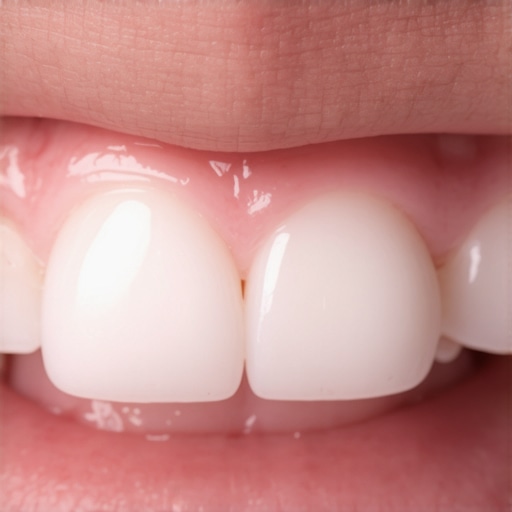
Keep an Eye Out for the Permanent Fade
There is a huge difference between blanching under pressure and gums that look perpetually washed out. If your gums resemble the color of a pale pink rose or, worse, a sheet of paper even without you touching them, it’s time to investigate. I once panicked because my gums looked ghostly after a three-day flu. I wasn’t flossing wrong; I was just severely dehydrated and my iron levels had dipped. This is where you need to look at why your gums look pale and what it says about your iron levels. If the paleness is accompanied by fatigue, it’s rarely a dental issue and more of a systemic one.
Swap Your Scrubbing for a Gentle Glide
If you notice blanching while you are simply brushing your teeth, you are likely using way too much horsepower. Your gums are delicate silk, not a dirty car floor mat. I used to be a ‘hard’ brusher, convinced that if I didn’t see white gums during the process, I wasn’t getting them clean. The result? I ended up with recession that eventually required a conversation about cosmetic dentistry trends to fix the visual damage. Now, I use the ‘Two-Finger Grip’—holding the brush with only my thumb and index finger to limit the amount of force I can apply. This ensures I’m following gentle teeth cleaning best practices for sensitive gums.
Consistency Is Better Than Intensity
Effective oral care isn’t about one-time deep cleaning marathons; it’s about the daily ‘maintenance mode.’ When you master the ultimate guide to teeth cleaning techniques, you realize that the goal is to disrupt biofilm (the sticky bacteria) without traumatizing the blood vessels beneath. If you’re seeing frequent blanching or bleeding when you start a new routine, don’t quit. Instead, focus on light, circular motions. I found that switching to an electric brush with a pressure sensor was the game-changer for me. It literally lights up red when I’m being too aggressive, preventing me from squeezing the life out of my gums. This kind of proactive monitoring is how regular teeth cleaning can prevent major dental issues before they require expensive interventions.It’s easy to get hyper-focused on the ‘white’ in our smiles, whether it’s the temporary blanching of the gums or the shade of our enamel. But here is a hard truth that challenges the common dental narrative: a bright white smile is often a mask, not a definitive clean bill of health. I’ve seen so many people obsess over cosmetic dentistry innovations to get that Hollywood glow, only to ignore the fact that their gums are receding or their breath suggests a deeper infection. We’ve been conditioned to think ‘white equals clean,’ but in reality, your gum health and tissue response are much better indicators of your systemic longevity than the shade of your teeth. Have you ever fallen into this trap of prioritizing aesthetics over actual tissue health? Let me know in the comments.
Don’t Fall for the White Teeth Equals Health Trap
Most people assume that if their teeth are pearly white, they are doing everything right. In my experience, this is the most dangerous misconception in oral care. You can have a dazzling smile while simultaneously suffering from ‘silent’ bone loss or chronic inflammation. When we focus solely on whitening, we often overlook the ‘pink’—the foundation. A study published in the Journal of Evidence-Based Dental Practice highlights that over-reliance on abrasive whitening agents without professional supervision can lead to permanent tooth sensitivity and the thinning of protective enamel. This thinning actually makes your teeth look more translucent or greyish over time, which is the exact opposite of the goal. If you are struggling with this, looking into how to whiten teeth when you have multiple white fillings can help you navigate the nuances of a complex smile without causing further damage.
Why do my gums have different shades of pink or brown?
For the sophisticated reader, it’s important to understand that ‘healthy’ gums aren’t a single universal shade of bubblegum pink. Gum color is heavily influenced by melanin, just like your skin. If you have a darker complexion, your gums might naturally have patches of brown or even a purplish tint. This is called physiologic pigmentation and is completely normal. The ‘oops’ factor happens when people mistake this natural pigment for disease and try to scrub it away or use harsh chemicals to ‘lighten’ their gums. This is where oral health myths busted by professionals become so vital; trying to change your natural gum pigment can lead to severe chemical burns and permanent tissue damage. 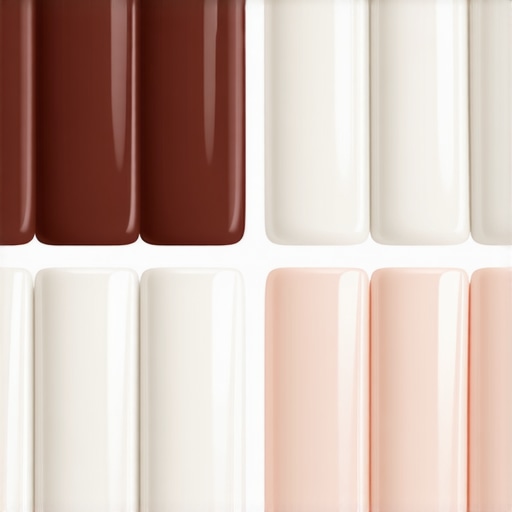
The Hidden Danger of Kitchen Cabinet Dentistry
One of the biggest mistakes I see—and one I’m ashamed to admit I tried in my early twenties—is using DIY hacks found online. The truth about whitening your teeth with strawberries and soda is that you are essentially bathing your teeth in a cocktail of citric acid and abrasive sugar. This might scrub away a surface stain, but it also dissolves the very minerals that keep your teeth strong. Whether you are looking for family dentistry tips for your kids or trying to fix your own smile, stick to pH-balanced, professional-grade products. Your gums and your enamel are not self-healing in the way your skin is; once that foundation is eroded by ‘natural’ acids, you’re looking at a lifetime of sensitivity and expensive repairs. True expertise in oral health means knowing when to step away from the latest TikTok trend and trust the biological signals your body—and your dentist—are giving you.Once you move past the DIY ‘hacks’ and start respecting the biology of your gums, the conversation shifts to the tools and consistency that actually move the needle. I spent years thinking a five-dollar manual brush was ‘good enough’ until I saw the data on plaque biofilm disruption. If you want to keep that foundation solid, you need to stop thinking about cleaning and start thinking about management. This is about maintaining oral health with expert advice for a lifetime rather than just surviving until your next check-up. The jump from manual to sonic technology isn’t just marketing hype; it is a fundamental shift in how we remove debris without causing the very blanching and trauma I mentioned earlier.
How do I keep my gums and teeth healthy for decades?
The secret isn’t a single product, but a stack of habits that work in tandem. I personally swear by the combination of a high-end electric brush with a pressure sensor and a dedicated water flosser. Why the water flosser? Because traditional floss often misses the deep pockets where anaerobic bacteria thrive, especially if you have slightly crowded teeth. This kind of dedicated home care is exactly how regular dental cleanings can save you money in the long run. You aren’t just paying for the tools; you are buying insurance against root canals and gum grafts. I also recommend a specific maintenance routine for any dental appliances you might use; for example, learning how to clean a nightguard so it doesn’t smell like old socks is a small but vital part of keeping your oral microbiome balanced. According to a comprehensive 2021 meta-analysis published in the Cochrane Library, powered toothbrushes—specifically those with oscillating-rotating motions—demonstrated a 17% reduction in gingivitis over manual brushing after only three months of use. This isn’t just my opinion; the clinical evidence for upgrading your toolkit is overwhelming.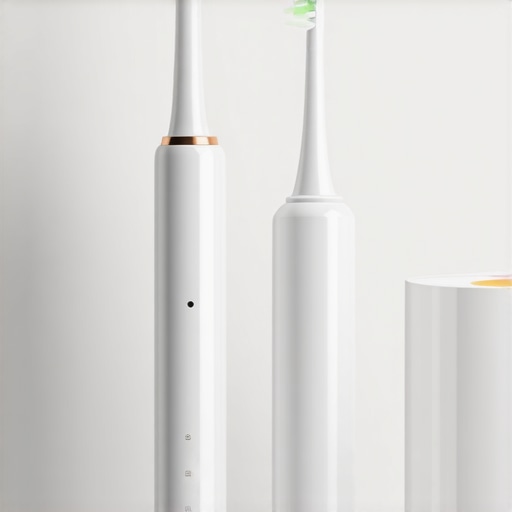
The Smart Gadgets Actually Worth Your Money
We are currently entering an era of ‘Smart Dentistry’ that I find incredibly exciting. I predict that within the next five years, the standard toothbrush won’t just vibrate; it will utilize bio-sensors to analyze the pH levels of your saliva in real-time, alerting you to acidity spikes before they can demineralize your enamel. We are already seeing revolutionary teeth cleaning techniques for 2025 that include AI-guided mapping, ensuring you never miss the back of that tricky lower molar again. If you’re a coffee or tea lover, integrating the secret to keeping your teeth white if you drink tea every day into your morning routine will save you from the abrasive whitening cycles that often lead to sensitivity. Staying ahead of these cosmetic dentistry innovations means you can maintain a high-impact smile with low-impact interventions. If you haven’t yet, I challenge you to swap your manual brush for a pressure-sensing electric model for just thirty days. Pay close attention to that ‘blanching’ effect we talked about; you’ll notice that the machine does the work while your gums stay a healthy, vibrant pink. It is the single easiest way to automate your preventive dental health for your family and yourself.
The Hard Lessons My Mirror Taught Me About Gum Health
Looking back at my “bathroom mirror panic attack,” I realize there were several lightbulb moments that completely changed how I view oral health. First, I had to accept that healthy gums aren’t a performance—they are a foundation. If you are constantly checking for oral health myths busted by the pros, you’ll find that tissue resilience matters more than the shade of your teeth. Second, I learned that my gums are a biological dashboard; that temporary white spot is just the body’s way of showing off a working circulatory system. Third, the most expensive cosmetic dentistry innovations can’t replace the simple, daily act of being gentle. Finally, I realized that family dentistry isn’t just about kids—it’s about setting a standard for everyone in the house to respect their biology.
The Essentials I Use to Keep My Gums in the Pink
I don’t just trust any gadget that pops up on social media. My personal toolkit is built on evidence and results. I swear by a pressure-sensing electric toothbrush; it’s the only way to stop the “scrubbing” habit for good. I also rely on the Cochrane Library database; it’s where I go to verify if a new trend is actually backed by science or just marketing. For daily maintenance, a high-quality water flosser is non-negotiable for reaching the spots my manual skills miss, which is a key part of maintaining oral health with expert advice for a lifetime. Lastly, I keep a log of my gum color; knowing what is normal for me helps me spot why your gums look dark or pigmented versus when they are actually signaling a problem.
Your Journey Toward a Resilient Foundation Starts Today
It is easy to get lost in the aesthetics of a Hollywood smile, but true confidence comes from knowing your foundation is solid. Don’t be afraid to take a closer look and trust what your body is telling you. By focusing on oral health and using revolutionary teeth cleaning techniques for 2025, you aren’t just cleaning your teeth; you are investing in your future self. I want you to step away from the mirror feeling empowered, not anxious. Have you ever caught yourself brushing way too hard because you thought it was more effective? Let me know in the comments below!