
I’ll never forget the moment my dentist mentioned the words ‘bone graft.’ I immediately pictured a scene out of a sci-fi horror movie where they’d be harvesting pieces of me like a spare parts bin. My stomach did a backflip, and I nearly walked out of the office right then and there. If you’re feeling that same tightening in your chest, I get it. I spent weeks scouring forums, terrified that I was signing up for weeks of agony just to fix a gap in my smile. But here’s the thing I learned the hard way: the stories we tell ourselves are usually ten times worse than the actual chair time. Today, I want to walk you through what the experience is actually like, why it is a game-changer for your jaw, and help you decide if you’re letting fear hold you back from a healthier mouth.
Why Bone Grafts Sound Way Scarier Than They Actually Are
When I first needed a graft, I made a massive mistake: I waited. I was so paralyzed by the idea of ‘surgery’ that I let my jawbone thin out even more, which eventually meant a more complex procedure than if I’d just handled it early. Most of us think of bone grafts as this aggressive, painful ordeal, but in the world of enhancing confidence with cosmetic dentistry, it’s actually a very routine foundation-building step. It’s not about ‘bone sawing’; it’s about giving your body the scaffolding it needs to regrow. Surprisingly, according to the American Association of Oral and Maxillofacial Surgeons, many patients describe the recovery as being no more uncomfortable than a simple tooth extraction, often managed with just over-the-counter medication. If you’ve been curious about what to expect during your first dental implant surgery, the graft is often the secret sauce that makes the whole thing successful and long-lasting.
Is the dreading part worse than the actual surgery?
This is the big question everyone asks me. We tend to build up this ‘medical boogeyman’ in our heads. I certainly did. I was convinced I’d be out of commission for a month, eating through a straw. In reality, the ‘pain’ I felt was more of a dull pressure and some annoying swelling that peaked around day two. Have you ever put off a dental visit just because the name of the procedure sounded too intense? Tell me in the comments, because I have been there more times than I care to admit. The truth is, once you manage your dental anxiety by looking at the facts, the mystery disappears. Understanding why some dental implants take months to heal often comes down to this very foundation—your bone health. Let’s break down exactly what happens while you’re in the chair so you can stop losing sleep over it.
Getting Numb Without the Usual Stress
The very first thing your dentist will do is apply a local anesthetic. This is the exact same process as getting a simple filling. I used to think ‘surgery’ meant a full hospital gown and a terrifying mask, but you’re usually just in the regular dental chair with your favorite podcast playing. If you’re nervous about needles, many modern offices offer options that make this part nearly invisible. Addressing these oral health myths debunked is the first step to realizing that the ‘needle’ is often just a quick pinch followed by total numbness. You might feel some pressure or a slight tugging sensation, but the sharp sensations are completely turned off. I brought my noise-canceling headphones, expecting to need a heavy metal distraction, but I ended up listening to a calm history podcast because the actual procedure sounds were so minimal.
Why Bone Grafts Act Like a Garden Trellis
Think of your jawbone as a garden bed. If the soil has washed away, you can’t just stick a heavy plant in and expect it to stay upright. You need to add a trellis for support. The graft material—which looks surprisingly like coarse white sand—serves as that trellis. When I had mine done, I was shocked at how little ‘bone’ was actually involved in the traditional sense. It’s a mineral matrix that signals your body to send real bone cells into the area to build new tissue. This biological teamwork is the secret to making your dental implants last for decades because it ensures the foundation is rock solid.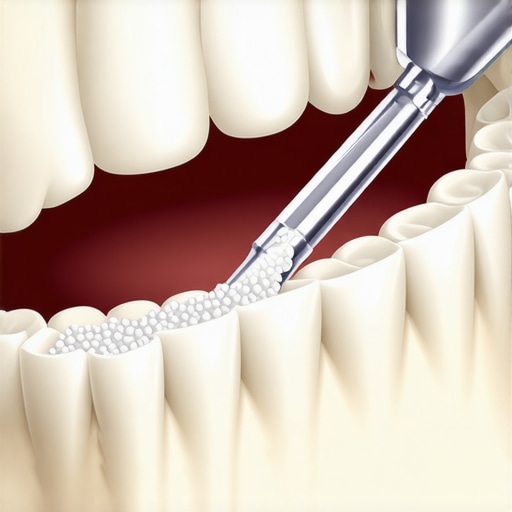
Why the Graft Material Actually Looks Like Sand
The material is gently placed into the void where your tooth used to be. It’s not hammered or sawed; it’s carefully packed with small instruments. I remember my dentist explaining that the goal is ‘passive placement.’ If you pack the material too tightly, the new blood vessels can’t grow through it. It was fascinating to learn that the success of the graft depends on leaving just enough breathing room for your own body to take over. This level of precision is a cornerstone of modern family dentistry and high-end restorative care.
Covering the Site With a Protective Shield
Once the ‘sand’ is in place, the dentist covers it with a protective membrane. Think of this like a tiny, high-tech band-aid that lives under your gums. It prevents the faster-growing gum tissue from ‘invading’ the space where the slower-growing bone needs to develop. Without this barrier, your gums would simply fill the hole before the bone had a chance to solidify. Finally, a few stitches are placed to keep everything secure. In my experience, they used the kind that dissolve on their own after a week, so I didn’t even have to go back to have them pulled out.
What My First 48 Hours Really Felt Like
The first 24 hours are all about managing expectations rather than managing pain. I expected to be in agony, but it was mostly just a weird, heavy feeling in my jaw. You will likely experience some puffiness—it’s just your body’s way of healing. Understanding the reason your face swells up after a dental extraction or graft helps you stay calm when you look in the mirror the next morning. I spent my second day on the couch with a bag of frozen peas and a streaming marathon. By day three, I was back to eating soft pasta and felt about 90% normal. It’s a small investment of time when you realize how regular dental cleanings can save you money in the long run by preventing these issues from escalating, but if you’re already at the graft stage, the recovery is much easier than the mental build-up suggests.
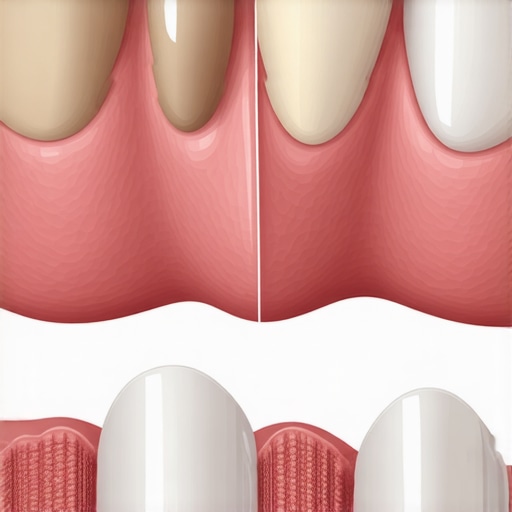
While I’ve spent a lot of time talking about the ‘how’ of bone grafts, I need to address the ‘when’—because this is where most people get tripped up by bad advice. There is a common belief in the world of family dentistry that if you lose a tooth, you have plenty of time to decide what to do. People often think, ‘I’ll just get a bridge later’ or ‘I’ll wait until I can afford the high-end stuff.’ In my experience, this is the most dangerous trap you can fall into. Your jawbone follows a strict ‘use it or lose it’ policy. The moment that tooth root is gone, the bone starts to dissolve because it no longer has a job to do. This process is called resorption, and it happens much faster than you think.
Everyone says that cosmetic dentistry is just about the look, but the hidden nuance is that it’s actually about structural preservation. If you wait more than a year to address a missing tooth, you might lose up to 25% of the bone volume in that area. A study published in the Journal of Periodontology confirms that the most significant bone loss occurs within the first six months post-extraction. This is the ‘Oops’ factor: by trying to save money now by skipping the graft, you’re actually guaranteeing a much more expensive, invasive, and painful procedure three years down the line when there isn’t enough bone left to hold even a simple crown. Dealing with oral health myths debunked early on saves you from this biological tax.
What happens if my body simply ignores the graft material?
This is the question that keeps the analytical types up at night. The fear isn’t just the surgery; it’s the failure. While ‘rejection’ isn’t technically the right word (since most graft materials are minerals, not living tissue), a graft can fail to integrate. This usually happens because of poor blood supply or early movement. If you don’t follow the ‘no-chewing’ rules or if you smoke, you’re essentially suffocating the new bone cells before they can move into the trellis. This is why maintaining oral health through the healing phase is more important than the surgery itself. It’s about creating a stable environment where your body feels safe enough to build new tissue.
We often treat our mouths like they are separate from the rest of our bodies, but they are incredibly sensitive biological systems. Many people focus on the truth about whitening toothpaste or the brightness of their smile, yet they ignore the foundation beneath the surface. Real transformative cosmetic dentistry starts in the bone, not the enamel. Choosing to invest in a graft immediately after an extraction is the ultimate ‘pro-tip’ for long-term health. It ensures that when you are ready for the impact of cosmetic dentistry in 2025, your mouth is actually ready for it too. Have you ever fallen into this trap of waiting too long because the procedure sounded too intense? Let me know in the comments, because I’ve seen so many people regret the ‘wait and see’ approach. If you’re still on the fence, checking out the secret to making your dental implants last for decades will show you why that bone foundation is the only thing that really matters in the long run.
Now that we’ve navigated the anxiety of the surgery itself, we have to talk about the ‘forever’ phase. A bone graft isn’t just a set-it-and-forget-it procedure; it is a living part of your anatomy that requires a specific maintenance strategy. I’ve learned that the standard ‘brush twice a day’ advice is woefully insufficient when you have invested in high-level restorative work. If you want to avoid the heartbreak of a failing graft or implant, you need to upgrade your toolkit. Personally, I made the switch to a Waterpik Aquarius Professional—specifically because the pulsating water action can reach deep into the sulcus (that little pocket between your tooth and gum) where manual floss often fails to penetrate, especially around a healing surgical site. Integrating the ultimate guide to teeth cleaning techniques and benefits into your daily routine is the difference between a graft that lasts five years and one that lasts fifty.
The High-Tech Toolkit That Actually Saves Your Gums
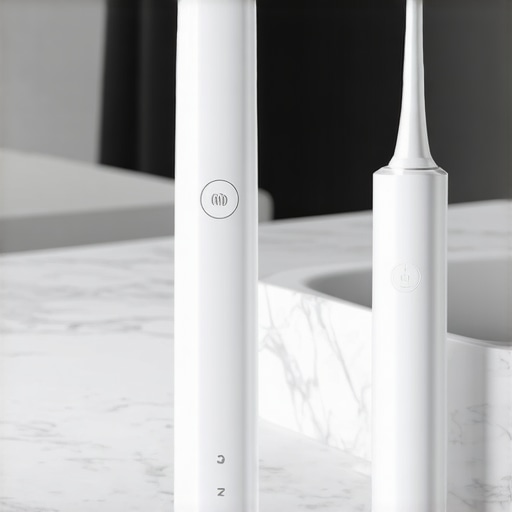
When you are in the thick of recovery, you realize that family dentistry tools are not all created equal. I used to think electric toothbrushes were a gimmick until I started using one with a pressure sensor. Why? Because aggressive brushing can actually cause gum recession over a graft site, exposing the very foundation we worked so hard to build. I recommend the Oral-B iO series because it uses micro-vibrations rather than harsh scrubbing. This isn’t just about ‘getting clean’; it’s about biofilm management. According to the American Academy of Implant Dentistry (AAID), preventing the buildup of pathogenic biofilm is the single most critical factor in avoiding peri-implantitis, a condition that can cause the bone around your new graft to dissolve. If you’ve been curious about revolutionary teeth cleaning techniques for 2025, it’s all about these gentle, high-frequency tools that protect the soft tissue while obliterating bacteria.
How do I keep my new foundation healthy for the long haul?
The secret isn’t a magic pill; it’s consistency and specific observation. You need to become an expert on your own mouth. I check my gum color every morning. Any sign of persistent redness or ‘itching’ near the graft site is an immediate signal to call the professional. We often ignore these small warnings, but maintaining oral health is a proactive game, not a reactive one. I also recommend a specialized interproximal brush—those tiny ‘Christmas tree’ looking things—to gently clean the spaces where a traditional brush can’t reach. This level of detail is exactly how regular teeth cleaning can prevent major dental issues from resurfacing later. If you are struggling with sensitivity during this process, looking into gentle teeth cleaning best practices for sensitive gums can help you stay consistent without the discomfort.
What the Future of Maintenance Looks Like in 2026
I predict we are moving toward a world of ‘Smart Maintenance’ where your toothbrush will actually sync with your dentist’s office to track the health of your graft in real-time. We are already seeing cosmetic dentistry innovations you can’t miss this year that use AI to detect early bone loss before it’s visible on a standard X-ray. The trend is shifting from ‘fixing problems’ to ‘data-driven preservation.’ For anyone who has already undergone a graft, I challenge you to try one specific thing tonight: use a tongue scraper before you brush. Reducing the overall bacterial load in your mouth is the easiest, cheapest way to support your body’s healing. If you’re ready to take the next step in your smile journey, check out the impact of cosmetic dentistry in 2025 to see how these foundations enable the most stunning aesthetic results.
The Hard Lessons I Learned About Bone Preservation
Looking back, I realized that the silence after a tooth extraction is actually the sound of your jawbone shrinking. The most profound thing I learned is that oral health myths debunked early can save you thousands of dollars in the long run. For instance, I initially thought my body would naturally keep the bone intact, but without a root or a graft, it simply dissolves. I also discovered that managing your dental anxiety with simple breathing exercises was more effective than any heavy sedation during the actual chair time. Most importantly, I learned that family dentistry isn’t just about filling cavities; it’s about structural integrity that keeps your facial features supported as you age.
#IMAGE_PLACEHOLDER_E#
My Personal Recovery Toolkit for Graft Success
I wouldn’t have had such a smooth recovery without a few specific tools in my arsenal. I highly recommend a soft-bristled electric toothbrush with a pressure sensor to ensure you aren’t being too aggressive near the surgical site. Additionally, using revolutionary teeth cleaning techniques for 2025, such as a specialized antimicrobial rinse, kept the area pristine during the critical first two weeks. I also found that following the ultimate guide to teeth cleaning techniques and benefits provided the roadmap I needed to transition back to my full hygiene routine safely. These resources changed my perspective from being a passive patient to being an active guardian of my own healing process.
Trust the Process and Reclaim Your Smile
Choosing to undergo a bone graft was the best decision I ever made for my long-term oral health. It laid the groundwork for a successful implant and restored my confidence in a way that surface-level cosmetic dentistry alone never could. If you are feeling hesitant, remember that the temporary discomfort of a foundation-building procedure is a small price to pay compared to the permanent regret of losing your dental stability. Start your journey by consulting with a professional to see what’s possible for your unique situation. Are you more concerned about the actual surgery or the recovery period that follows? Let me know in the comments below!