
The car ride was silent, save for the sound of my son’s rapid, shallow breathing. He was six, and his first extraction was thirty minutes away. I had spent the entire morning being a ‘toxic optimist.’ I kept saying, ‘It’s just a little wiggle, you won’t even know it happened!’ That was my first big mistake. It was a total lie, and he knew it. By the time we hit the parking lot, he was in tears, and I was sweating through my shirt. I realized then that I wasn’t helping him—I was just trying to comfort myself. That day was a disaster, but it taught me everything I needed to know about the reality of family dentistry and how to actually support a kid through the scary stuff. Today, we’re going to fix this for you. I am going to share how we moved past the ‘scary needles’ and the ‘loud noises’ to a place of genuine calm. We will cover everything from sensory preparation to the nuances of how to help a child who is terrified of the sleepy juice needle. Have you ever had a dental visit with your little one that went completely sideways? I would love to hear what triggered it for them—was it the sounds, the smells, or something else?
How I Finally Broke the Cycle of Dental Appointment Dread
My biggest blunder wasn’t just the lying; it was the lack of preventive tips and mental rehearsal. I thought a dental extraction was something you just ‘got through.’ I didn’t realize that a child’s brain processes medical environments as high-threat zones. I had to learn the hard way that you cannot just spring a procedure on a kid and expect them to be okay. We started implementing ‘pre-game’ routines that did not involve sugary bribes or false promises. We focused on the why and the how without the scary vocabulary. If you have ever had a child refuse to even sit in the chair, you know that helpless feeling. It is visceral. It is frustrating. But more than anything, it is fixable.
Is it Possible to Keep a Child Calm Without Heavy Drugs?
This is the question I get most often from other parents in the neighborhood. They worry that without knocking the kid out completely, the trauma will stick for life. But here is the thing: simple behavioral shifts can be just as effective as medication. According to the American Academy of Pediatric Dentistry, using ‘tell-show-do’ and positive reinforcement significantly lowers procedural distress in a majority of pediatric patients. We found that why mindfulness and psychotherapy tactics work isn’t just for adults; it works for kids who need to feel a sense of control. For those cases where anxiety is just too high, I have learned why we suggest sedation for patients with specific needs, but it is rarely the first step anymore. I learned how to explain a cavity to a toddler using stories rather than clinical facts, and that changed everything for our family’s dynamic in the dental chair.
Replace Empty Promises with Concrete Expectations
The most effective way to lower a child’s heart rate in the waiting room is to remove the element of surprise. Instead of vague reassurance, I started using family dental care hacks to keep your kids smiling daily that involve ‘rehearsal play.’ We took a battery-operated toothbrush and touched it to each of my son’s fingernails. I told him, ‘This is what the dentist’s cleaner feels like—it’s just a fast tickle.’ By the time we were in the chair for a real gentle teeth cleaning, he wasn’t bracing for a shock because he already knew the vibration. I once tried to explain this to a friend whose toddler wouldn’t even open her mouth, and we realized the child thought the suction tool was going to ‘eat’ her tongue. We cleared that up by calling it a ‘thirsty straw’ that just wanted a drink of water.
How Sensory Training Removes the Clinical Mystery
Noise is often the biggest trigger for dental anxiety. The high-pitched whine of a handpiece can sound like a monster to a five-year-old. We started bringing noise-canceling headphones and letting my kids pick a favorite high-energy playlist. If you want to know top 5 secrets to maintaining perfect oral health as a family, one of them is definitely creating a ‘dental safe space’ through audio. 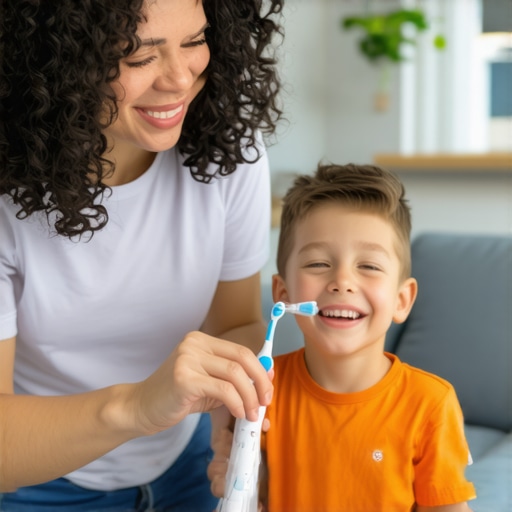
Empower Your Child with a Stop Signal
We also implemented a ‘stop’ signal. I told my kids that if they raised their left hand, the dentist would stop immediately. This shift in power dynamics—from a passive victim to an active participant—is a game-changer. It’s a core part of family dentistry that respects the patient’s autonomy. I remember a visit where my daughter raised her hand three times just to test it. The dentist stopped every single time, looked at her, and waited for her nod. Because she knew she was in control, she allowed the work to be finished without a single tear.
Tackle the Needle Without the Usual Drama
If your child needs a local anesthetic, never call it a ‘shot.’ In our house, it’s ‘sleepy juice.’ But naming only goes so far; you also have to manage the physical sensation. We learned how to manage your child’s fear of the sleepy juice injection by practicing ‘big belly breaths’ at home. During the actual procedure, I had my son focus entirely on pushing his belly out against my hand. This diverted his nervous system’s attention away from the slight pinch and toward his own breathing. Instead of talking about decay, we talked about ‘sugar bugs’ trying to build a house in his tooth. This is why the best way to explain a cavity to a toddler is through a narrative they can visualize. When the dentist used the drill, we called it the ‘water-whistler’ washing the bugs away so we could put in the ‘magic shield’ which is the filling. This imagery transformed an intervention into a rescue mission where the child was the hero.However, even the best rescue mission can fail if we ignore the hidden nuances of dental development. One of the biggest mistakes I see parents make is dismissing the importance of primary teeth. I’ve heard it a thousand times: ‘Why worry? They’re just going to fall out.’ This is a classic trap. Those baby teeth serve as essential space-maintainers for the adult teeth. If they are lost too early due to decay, the adult teeth often drift into the empty gaps, creating a nightmare of crowding that no amount of maintaining oral health can easily fix later. In fact, many oral health myths busted recently focus on this very issue—the health of the temporary tooth dictates the health of the permanent one.
Stop Treating Baby Teeth Like They Are Disposable
Ignoring a small cavity in a five-year-old because ‘it will fall out soon’ is a recipe for chronic infection. In my experience, waiting only leads to pain and higher costs down the road. This is why how regular dental cleanings can save you money isn’t just a marketing slogan; it’s a financial reality. When we catch a ‘sugar bug’ early, we save the space, the alignment, and the child’s comfort. Have you ever fallen into the ‘it’s just a baby tooth’ trap? Let me know in the comments.
Is Your Child’s Breathing Style Changing Their Face?
This is a question that sounds like science fiction but is rooted in hard clinical data. An advanced nuance many families overlook is the impact of mouth breathing. If your child sleeps with their mouth open or has a constant ‘slack-jawed’ posture, it can physically alter the development of their facial bones. According to a study published in the Journal of Clinical Pediatric Dentistry, mouth breathing can lead to a ‘long face’ syndrome and narrow dental arches, which eventually necessitates complex orthodontics. I was shocked to learn why your child’s posture and breathing are directly linked to their jaw alignment. It isn’t just about the teeth; it’s about the entire airway. 
The Real Reason Some Kids Get More Cavities
We’ve all seen it: the kid who eats nothing but candy and has zero cavities, while your child, who brushes religiously, gets one every visit. This is where we need to look at why some people are more prone to cavities regardless of hygiene. It’s often not about the effort—it’s about the oral microbiome. Some children have higher levels of Mutans streptococci, the bacteria responsible for decay. If your child is in this category, standard advice isn’t enough. You need specific family dentistry tips that focus on pH balancing and xylitol use, rather than just scrubbing harder and causing enamel wear. Have you noticed a pattern like this in your own family?It isn’t enough to just know why the sugar bugs are winning; you have to change the environment they live in if you want to see real change. I have spent thousands on cosmetic dentistry for myself over the years, and I realized the best way to protect that investment—and my kids’ natural teeth—is through specific, high-quality gear. I stopped buying the cheap manual brushes from the grocery store aisle. Instead, we switched the whole family to oscillating-rotating electric brushes with built-in pressure sensors. I use these specifically because most of us scrub like we are cleaning a tile floor, which leads to receding gums. These brushes force you to be gentle, which is one of the gentle teeth cleaning best practices I wish I had known a decade ago.
My Personal Toolkit for a Cavity Free House
The real secret weapon in our bathroom cabinet isn’t even a brush; it is 100 percent xylitol mints. Xylitol is a sugar alcohol that bacteria cannot ferment. When my kids have a mint after a snack, it literally starves the Mutans streptococci we talked about earlier. This is one of those family dental care hacks that feels like cheating because it is so easy. I also shifted us toward hydroxyapatite toothpaste. While fluoride is the gold standard, research published in the journal BDJ Open (2019) by researchers like Schlagenhauf et al. demonstrated that hydroxyapatite is just as effective at remineralizing enamel by creating a new layer of synthetic enamel on the tooth surface. It is essentially liquid tooth material that fills in the microscopic grooves where cavities start.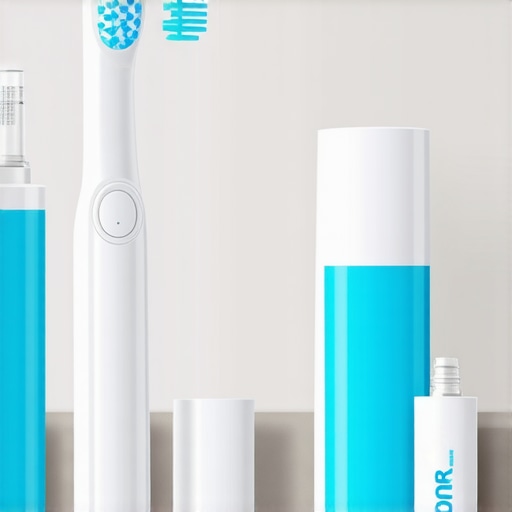
How do I keep my family’s smiles healthy over the long haul?
Maintenance is not a seasonal event; it is a daily rhythm. We treat our regular teeth cleaning appointments as non-negotiable family check-ins. Looking ahead, I suspect we will soon see smart-brushes that analyze oral pH in real-time and send an alert to your phone when your acidity levels are too high. We are moving toward a future where maintaining oral health is predictive rather than reactive. If you really want to level up your routine, I challenge you to try a pH reset this week: after every meal, rinse with plain water or chew a piece of xylitol gum. It is the simplest way to stop acid from eating your enamel before it starts. This proactive approach is exactly how regular dental cleanings can save you money by preventing the need for complex fixes later.
What I Finally Noticed About Why My Kids Fought the Chair
Through years of trial and error with my own family, I realized that the resistance wasn’t actually about the ‘pain’—it was about the loss of autonomy. When I shifted from being a coach to being a partner in their care, the dynamic changed instantly. Here are the three hardest lessons I had to learn: First, transparency is your greatest superpower. Kids sense hesitation; if you are nervous, they are terrified. Second, the ‘why’ matters just as much as the ‘how.’ When I explained that we were saving their future smile by protecting their baby teeth, they felt like they were part of a long-term mission. Finally, sensory preparation is not a one-time event but a lifestyle shift. We stopped treating the dentist like a destination and started treating it like a milestone of their growth. This mindset is at the heart of effective family dentistry.
The High-Value Tools We Actually Use Every Single Day
You don’t need a massive budget to see massive results, but you do need the right gear. In our house, we moved away from generic products and focused on targeted solutions. I highly recommend looking into hydroxyapatite toothpastes, as they literally help rebuild the enamel surface naturally. We also prioritize the best snacks for kids that will not cause instant cavities, which usually means avoiding sticky fruit leathers and opting for real cheeses or nuts that help neutralize oral pH. To really level up, I suggest researching how to stop your kids from getting cavities between their teeth using water flossers, which are far less intimidating for little ones than traditional string. These small swaps are how you turn maintaining oral health from a chore into an easy win for everyone involved.
Take the First Step Toward a Fear-Free Future
The road to a healthy, confident smile doesn’t have to be paved with tears and white-knuckled chair grips. By implementing ‘stop signals,’ choosing the right tools, and debunking oral health myths busted by modern science, you can provide your children with a foundation of wellness that lasts a lifetime. You have the power to break the cycle of dental dread right now. Start with a simple conversation tonight about how their teeth are their ‘superhero shields.’ Your family’s journey toward stress-free dental visits starts the moment you decide to lead with empathy and evidence-based care. What is the one thing your child currently fears most about the dentist—the sounds, the chair, or the ‘sleepy juice’? Let me know in the comments below!