
I remember the morning I actually gagged. I reached for my bedside table, popped my nightguard into my mouth, and was immediately hit with a pungent, sour aroma that reminded me of a high school locker room in mid-August. It was a wake-up call I didn’t want. I’d been diligent about my teeth cleaning techniques during the day, but I was completely failing my nightguard. I felt like I was putting a petri dish in my mouth every night. If you have ever cringed while putting yours in, or if you’ve noticed your partner giving you a ‘what is that smell?’ look from across the pillow, you aren’t alone. Today, we are going to fix that once and for all. I’m sharing the exact routine that saved my appliance—and my dignity—without resorting to harsh chemicals that taste like a swimming pool.
Why your nightguard smells like a locker room and how I fixed mine
It is a bit gross to think about, but your mouth is a warm, wet environment—the perfect greenhouse for bacteria. When you wear a guard, you’re trapping saliva, plaque, and microbes against the plastic for eight hours. Early on, I made the classic mistake of thinking a quick rinse under the tap was enough. It wasn’t. Within weeks, it wasn’t just smelling; it was starting to look like a clear retainer that turned cloudy and disgusting. I even tried soaking it in boiling water once, thinking I’d sterilize it. Spoiler alert: don’t do that. It warped the plastic so badly it wouldn’t fit my molars anymore. Real family dentistry experts will tell you that consistency is more important than aggression when it comes to cleaning. According to the American Dental Association, dental appliances can harbor significant amounts of Streptococcus and other bacteria if they aren’t properly disinfected, which can lead to gum irritation or worse.
Does cleaning it actually make a difference once the stink sets in?
You might be skeptical. Maybe you’ve tried the drugstore effervescent tablets and felt they did nothing but add a fake minty scent to the funk. I get it. But the truth is, you can absolutely reclaim a smelly guard if you understand how to break down the biofilm. It’s not just about scent; it’s about maintaining oral health for the long haul. Have you ever been tempted to just throw your nightguard in the trash because the odor was so stubborn? Don’t do it yet! I’ve found that a specific combination of gentle agitation and the right soaking solution can strip away that ‘old sock’ smell without ruining the material. Let’s look at the simple, three-step method that actually works.First, you need to understand that a quick rinse is just moving the biofilm around, not removing it. You need mechanical friction. Every single morning, the moment that guard leaves your mouth, you need to brush it. I learned this the hard way after a week of ‘lazy rinsing’ left my guard feeling slimy even after a soak. Now, I use a dedicated soft-bristled brush—separate from the one I use for my actual teeth cleaning secrets routine—and a drop of clear, fragrance-free dish soap. Why dish soap? Because most toothpastes contain abrasives that create microscopic scratches in the plastic. Those scratches become tiny luxury apartments for odor-causing bacteria. 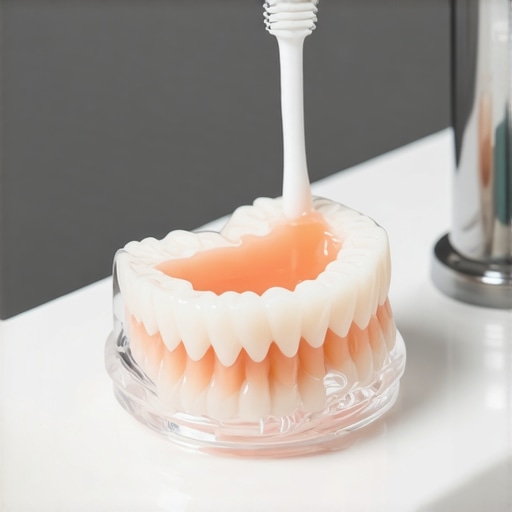
Avoid the abrasive toothpaste trap
I once thought using a high-end whitening paste would keep my guard sparkling, but it actually made the ‘cloudy’ look worse. If you are looking into cosmetic dentistry innovations you cant miss this year, you’ll know that maintaining the surface integrity of your dental work is key. The same applies to your guard. Scrub every nook and cranny, especially the deep grooves where your molars sit. If you have kids who are grinding their teeth during their nap, you should teach them this habit early. It is much easier to prevent the stink than to cure it once the plastic has absorbed the odors.
Disinfect without destroying the material
Once or twice a week, your guard needs a deeper dive. I usually mix one part white vinegar with three parts water. It’s cheap, effective, and doesn’t taste like a chemical plant. I remember leaving my guard in pure vinegar for five hours once because I got distracted by a movie. I panicked, thinking it would melt! Luckily, it survived, but fifteen to thirty minutes is really the sweet spot. This level of care is part of the family dentistry tips that make oral care effortless and effective. If vinegar isn’t your thing, a standard denture cleaning tablet works well, but check with your dentist first to ensure it’s compatible with your specific material.
Dryness is the ultimate bacteria killer
This is the step most people skip, and it’s the reason their case smells like a wet basement. After scrubbing or soaking, you must dry the guard completely before closing the case. Bacteria thrive in damp, dark environments. I now leave my case open on the counter all day. Think of it like the best way to keep your bathroom toothbrush clean—airflow is your best friend. I used to snap the case shut immediately after a rinse, and by 10 PM, the inside of that case was a swamp. Now, I pat it dry with a clean paper towel and let it air out. It sounds simple, but this one change stopped the recurring ‘locker room’ scent almost overnight. Consistently keeping your appliances clean is a fundamental part of how regular teeth cleaning can prevent major dental issues by keeping the bacterial load in your mouth under control.
While mastering the nightguard routine is a huge win for your daily comfort, it’s only one piece of the puzzle. I’ve spent years obsessing over my own dental health, and I’ve noticed a major disconnect between what we think we know and what actually happens in the chair. Everyone assumes that a ‘white’ smile is a healthy one, but in my experience, that obsession with brightness is exactly what leads people into the biggest traps of modern cosmetic dentistry in 2025. We often prioritize the paint job while the foundation is crumbling. If you’ve ever wondered why your teeth look great but your gums always bleed, you’ve likely fallen for one of these common oral health myths debunked what you need to know in 2025.
Stop treating your enamel like a kitchen counter
The biggest mistake I see—and one I definitely made—is the ‘scrub harder’ mentality. We think that if we use the grittiest toothpaste and the stiffest brush, we’re doing more work. It’s the exact opposite. Enamel is incredibly strong, but it’s not invincible. Many people use whitening pastes as a daily driver, but the truth about whitening toothpaste does it actually change the color is often disappointing. These pastes are typically highly abrasive. According to a study published in the Journal of the American Dental Association, excessive use of highly abrasive toothpastes can lead to irreversible tooth wear and dentin exposure, which actually makes your teeth look yellower over time because the yellow-hued dentin shows through the thinned enamel. It’s a self-defeating cycle. Have you ever fallen into this trap? Let me know in the comments if you’ve noticed your teeth getting more sensitive after switching to a ‘pro-white’ brand.
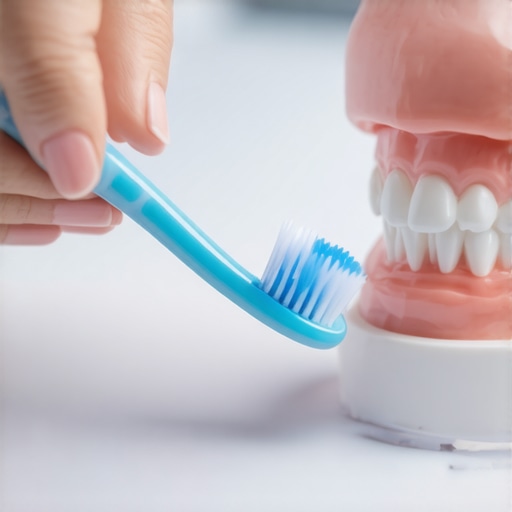
Why your wallet loves professional cleanings more than your teeth do
There is a nuanced benefit to regular maintenance that most people miss. We think of a dental visit as a chore, but it’s actually a financial strategy. Many patients skip their six-month checkup because ‘nothing hurts.’ This is the ultimate ‘oops’ factor. By the time a tooth hurts, you’ve usually missed the window for a simple filling and are looking at a root canal or an extraction. Understanding how regular dental cleanings can save you money in the long run is about seeing the ‘invisible’ issues like subgingival plaque that your home routine simply cannot touch. This is the core of maintaining oral health; it’s about the microscopic battles won in the dentist’s chair that prevent the macroscopic disasters later. If you are exploring cosmetic dentistry innovations you cant miss this year, remember that no veneer or crown will last if the underlying bone and gum health are ignored. Real family dentistry experts aren’t just looking for cavities; they are looking for the early systemic signals of inflammation that can affect your entire body. Proper care is about more than just a bright smile; it’s about the longevity of your physical health.
I eventually realized that my hands were the problem. I was a ‘heavy brusher.’ Switching to an electric toothbrush with a pressure sensor was the single biggest upgrade for my teeth cleaning techniques and benefits. Most people don’t realize that the vibration isn’t just for show; it creates micro-bubbles that reach where bristles can’t. If you’re still using a manual brush, you’re essentially using a broom when you could be using a power washer. This is especially true for the teeth cleaning secrets I’ve learned: it’s about efficiency, not force.
Scraping away the hidden causes of bad breath
Another tool I swear by is a stainless steel tongue scraper. I used to think brushing my tongue was enough, but why your dentist wants you to use a tongue scraper becomes clear once you see what it actually removes. It’s not just about breath; it’s about reducing the total bacterial load in your mouth. This simple tool is a cornerstone of maintaining perfect oral health as a family. I recommend the U-shaped metal variety over plastic ones because they are easier to sterilize and last forever. If you have little ones, introducing these simple tools early is one of the best family dental care hacks to keep your kids smiling without making hygiene feel like a chore.
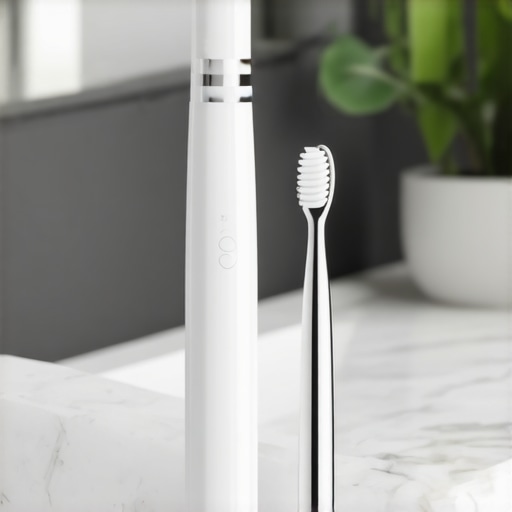
Looking ahead, we are seeing revolutionary teeth cleaning techniques for 2025 that include AI-integrated brushes that map your mouth in real-time. But even with high-tech tools, the fundamentals of the RDA (Relative Dentin Abrasivity) scale remain. According to the American Dental Association’s ‘Professional Product Review,’ keeping your toothpaste below an RDA value of 70 is the sweet spot for preserving your enamel while still getting a clean feel. Most ‘whitening’ pastes score well over 100, which can lead to long-term sensitivity. If you’re curious about cosmetic dentistry trends that transform your smile this year, you’ll find that the focus is shifting away from aggressive whitening toward ‘enamel preservation’ and biocompatible materials.
How do I maintain my dental results over the long term?
The secret isn’t a miracle product; it’s a ‘maintenance mindset.’ You have to treat your mouth like a high-performance engine. This means identifying how regular teeth cleaning can prevent major dental issues before they start. If you’ve invested in enhancing confidence with cosmetic dentistry, your maintenance routine needs to be even more precise. I suggest scheduling your professional cleanings based on your specific risk factors, not just a generic calendar date. This tailored approach is what family dentistry is truly about: building a foundation that lasts for decades rather than just the next six months. My challenge for you: check the RDA of your toothpaste today. If it’s over 100, swap it for a gentler alternative for one month and see if your gum sensitivity vanishes.
The Hardest Lesson I Learned About Protecting My Dental Work
Looking back, I wish I hadn’t obsessed over the ‘scrub’ and focused more on the ‘soak.’ The biggest lightbulb moment came when I realized that dental health isn’t about one-time deep cleans; it’s about the preventive tips for long-lasting dental health for families that we repeat every single day. I stopped looking for ‘miracle’ products and started looking at the ingredients. I also learned that if I’m not addressing oral health myths busted what every family should know, I’m just fighting a losing battle against biology. The truth is, your mouth wants to be healthy; you just have to stop getting in its way with abrasive pastes and dirty cases.
The Only Tools You Really Need in Your Bathroom Cabinet
You don’t need a hundred-dollar kit to have a perfect smile. I’ve narrowed my own routine down to three essentials that I trust implicitly. First, a high-quality electric brush with a pressure sensor—it saved my gums from my own heavy-handedness. Second, a stainless steel scraper; once you see why your dentist wants you to use a tongue scraper, you’ll never go back to a brush alone. Finally, I always keep a bottle of white vinegar handy for my nightguard and a tube of low-RDA paste. These aren’t just ‘hacks’; they are gentle teeth cleaning best practices for sensitive gums that preserve your enamel for decades rather than weeks.
Your Path to a Stress-Free Smile Starts Tonight
It’s easy to feel overwhelmed by all the ‘shoulds’ in dentistry. But if you take one thing away from my experience, let it be this: small, gentle habits outperform aggressive, occasional efforts every time. Whether you’re trying to stop the ‘locker room’ smell of a nightguard or looking into the impact of cosmetic dentistry in 2025, the foundation is always the same. Your oral health is an investment in your overall well-being, and it’s never too late to start treating it with the care it deserves. If you have any specific concerns about your appliance or your routine, don’t hesitate to contact us for personalized advice.
Have you ever noticed your nightguard getting cloudy or smelling off even after a quick rinse? Let me know in the comments below how you’ve been cleaning yours!