
The last time I caught a nasty bout of the flu, I wasn’t just worried about the chills and the hacking cough. About two days in, my entire jaw started to ache. It wasn’t a sharp, localized pain like a cavity, but a dull, rhythmic throb that made me want to rip my molars out. I panicked. I thought, ‘Great, now I need a root canal on top of this fever.’ I actually made the mistake of calling my dentist in a delirious state, convinced I had a sudden, massive infection. Looking back, it was a classic case of fever-induced sensitivity. I’ve learned the hard way that our mouths are often the first to scream when our immune systems are under fire. Today, I want to walk you through exactly why your pearly whites feel like they are under attack when your temperature spikes and how you can find some relief without leaving your bed.
Your Fever Is Making Your Mouth Miserable
When your body temperature climbs, your entire system goes into a state of high alert. This isn’t just about heat; it is about inflammation. I used to think my teeth were isolated little ivory towers, but they are deeply connected to my nervous system and blood flow. When you are fighting off a virus, your body releases prostaglandins and other chemicals to jumpstart your immune response. Unfortunately, these same chemicals can sensitize your nerves. I remember one specific night where I was convinced my fillings were failing, but in reality, my body was just overreacting to the heat. It is a frustrating experience, especially when you are already trying to keep your family dentistry routines on track while feeling like a zombie.
Is this pain actually worth the worry?
You might be lying there wondering if you are dealing with a genuine dental emergency or just a side effect of the flu. Most of the time, fever-related tooth pain is generalized. It feels like your whole mouth is tight. If you’ve noticed that your teeth throb when you lean forward, that is a massive clue that your sinuses are involved, which often happens during a fever. According to the Mayo Clinic, systemic inflammation from a high fever can cause the blood vessels in your dental pulp to dilate slightly, putting pressure on the nerves inside your teeth. This is why everything feels tender. Have you ever felt like your teeth were ‘too long’ or sensitive to the touch when you were sick?
Why Congestion Is Often the Real Culprit
My biggest early mistake was ignoring how much my nose and my teeth share the same ‘neighborhood.’ Your maxillary sinuses sit right on top of your upper molar roots. When a fever brings along congestion or pressure, it literally squishes those nerves. I’ve found that learning why your teeth ache during a sinus infection is the best way to keep yourself from overreacting. If you can stay hydrated and keep the inflammation down, the ‘toothache’ usually vanishes the moment your temperature breaks. It’s all about maintaining oral health even when you’re under the weather, which often means just surviving the night with some ibuprofen and a tall glass of water.
Cool the Inflammation to Quiet the Nerves
The first thing you have to do is address the systemic heat. Think of your dental pulp like a sensitive thermostat—when the room gets too hot, the system starts to glitch. I’ve found that taking an over-the-counter anti-inflammatory like ibuprofen doesn’t just lower your fever; it directly reduces the swelling in those tiny blood vessels inside your teeth. During my last “flu-tooth” episode, I timed my doses strictly. If I let the meds wear off, that rhythmic throb came roaring back. Analgesics act as a buffer for your nervous system, preventing those prostaglandin spikes from making every breath of air feel like an electric shock against your molars.
Keep the Routine Without Making the Pain Worse
When your gums are tender, the last thing you want to do is scrub them with a hard-bristled brush. But skipping your routine is a trap. I once went two days without brushing during a bout of the chills, thinking I was “resting” my mouth. Big mistake. The plaque buildup made my gums even more irritated, and I ended up with what felt like a localized fire in my mouth. Instead, switch to a soft-bristled brush and use lukewarm water rather than cold. Following gentle teeth cleaning best practices for sensitive gums can keep the bacteria away without making you wince.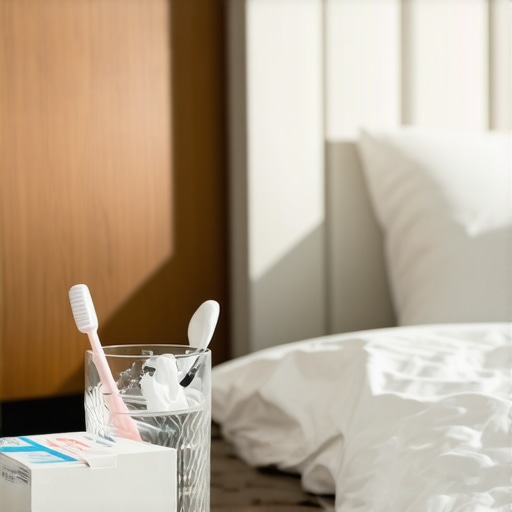
Why You Need to Drink Way More Water Than You Think
A fever is a moisture thief. Even if you are chugging water, your mouth might still feel like a desert because your body is prioritizing cooling your internal organs. This dryness concentrates the acids in your mouth, which can make your enamel feel extra “zesty” or sensitive. If you’ve wondered why your mouth feels like it is on fire after even mild foods when you’re sick, it’s often this lack of saliva. Saliva is your mouth’s natural buffer; without it, your nerves are exposed to every change in pH. Check out these tips on why your mouth feels dry even when you drink water to understand how to rebalance that moisture and protect your teeth during a spike in temperature.
Flush Out the Pressure Above Your Teeth
If the pain is mostly in your upper teeth, your sinuses are likely the “upstairs neighbors” making too much noise. When those cavities fill with fluid, they press down on the roots of your molars. I’ve had success using a saline nasal spray or a humidifier to thin out that mucus. It sounds gross, but clearing your head literally clears the pressure off your teeth. This is a core part of family dentistry tips that make oral care effortless and effective, especially when the whole house is sick at once.
How to Know When to Call the Professional
I’m all for home remedies, but you need a “tripwire” for when to seek help. If the fever breaks but the tooth pain stays behind—or if it localizes to one specific tooth—that is your signal. Usually, fever-pain is a team sport; it affects the whole side or the whole mouth. When it becomes a solo act, it’s time to look into maintaining oral health by seeing a dentist. I once ignored a lingering ache post-flu, only to find out the inflammation had masked a real cavity that finally decided to go “nuclear” once my body stopped fighting the virus.
Continuing from that tripwire for professional help, let’s dig deeper into what happens once you’re back on your feet.
Stop Scrubbing the Sickness Away
One of the biggest misconceptions I see in family dentistry is what I call the ‘aggressive reset’ theory. After a person recovers from a fever, they often feel ‘dirty’ and attempt to scrub their teeth with maximum pressure to purge the germs. Everyone says you need to deep-clean everything after the flu, but in my experience, a gentle touch is actually the only way to save your enamel. When your body is dehydrated from a spike in temperature, your saliva production drops, making your mouth’s environment significantly more acidic. This acidity temporarily softens your enamel. If you attack your teeth with a stiff brush during this window, you aren’t just removing bacteria—you’re literally scouring away your tooth’s natural defense layers.
Does that squeaky clean feeling mean your enamel is gone?
It is a nuance most people miss: that ‘squeaky’ sound we associate with a job well done is often the sound of a brush vibrating against a surface stripped of its protective salivary pellicle. According to a study published in the Journal of the American Dental Association (JADA), over-brushing with high-abrasivity pastes is a primary contributor to non-carious cervical lesions. This is the ultimate ‘oops’ factor: you think you’re being hyper-vigilant about your health, but you’re actually creating ‘notches’ at the gumline that lead to permanent sensitivity.
#IMAGE_PLACE_HOLDER_C#
The Danger of DIY Whitening After Viral Inflammation
When your teeth are still recovering from the systemic inflammation of a fever, you might be tempted to try ‘natural’ brightness boosters to get rid of that yellow, dehydrated look. I see so many families fall for oral health myths busted by social media influencers, such as using activated charcoal or lemon juice. The truth about oil pulling or charcoal is that these methods are often too abrasive or chemically harsh for an already stressed oral microbiome. If you want to brighten your smile after a long week in bed, sticking to revolutionary teeth cleaning techniques for 2025 that focus on remineralization and pH balancing is far safer than any home-brewed abrasive. The truth about whitening toothpaste is that it won’t fix the internal discoloration caused by medication or dehydration; it only targets the surface, and doing so while your gums are still tender from a fever can trigger a new round of pain.
Professional Intervention Beats Home Hacks
I’ve had many patients tell me they skipped their regular check-up because they invested in a high-end electric brush. This is a dangerous trade-off. Understanding how regular dental cleanings can save you money in the long run is about recognizing that professional scaling removes calcified plaque that no brush—no matter how expensive—can touch. When you’ve been sick, your gums are often in a state of ‘quiet inflammation.’ Relying on teeth cleaning secrets found online might mask the early signs of gingivitis that flare up when your immune system is depleted. Have you ever fallen into this trap of over-cleaning when you’re feeling gross? Let me know in the comments.
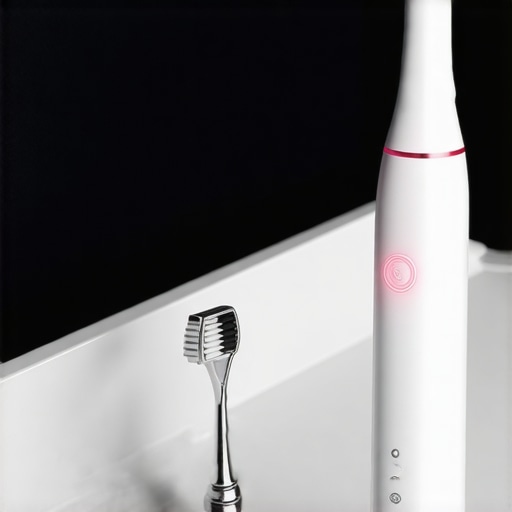
When the fever finally breaks and you’re no longer shivering under three blankets, it’s tempting to jump right back into life. But your mouth is still in a fragile recovery state. I’ve found that the tools you use during this transition period are what separate people who deal with chronic sensitivity from those who bounce back with their enamel intact. Personally, I stopped using a manual brush the moment I realized I couldn’t control my own pressure when I was tired or sick. I switched to a high-end sonic brush with a dedicated pressure sensor. If I push too hard—which we all do when we’re frustrated by that ‘fuzzy’ feeling on our teeth—the handle flashes a bright red. This isn’t just a gimmick; it’s a necessary guardrail for your maintaining oral health strategy when your gums are already inflamed from a viral battle.
The One Tool That Stops Post-Sickness Breath
We need to talk about the ‘sick breath’ that lingers even after you’ve showered. Brushing more won’t fix it because the bacteria isn’t just on your teeth; it is embedded in the papillae of your tongue. This is why your dentist wants you to use a tongue scraper. I specifically recommend a surgical-grade stainless steel scraper over the plastic ones. According to Dr. Gordon Christensen of the Clinicians Report, professional-grade mechanical debridement of the tongue is significantly more effective at reducing volatile sulfur compounds than brushing the tongue with bristles. If you’ve wondered why your breath smells like sulfur despite flossing daily, it’s likely because your tongue became a reservoir for bacteria while your immune system was distracted by the fever. Using a scraper twice a day during recovery has been my secret for feeling human again.
How do I maintain a healthy mouth after a major fever?
The key to long-term success isn’t a one-time deep clean; it’s about rebalancing your oral microbiome. After a fever, your mouth is like a garden after a drought. You need to focus on preventive tips for long-lasting dental health for families, starting with pH-neutralizing rinses. Instead of alcohol-based mouthwashes that burn, I use a simple baking soda and water rinse to neutralize the acids left behind by dehydration and stomach upset. This simple ‘maintenance’ step protects your enamel from the micro-erosions that eventually lead to expensive visits for cosmetic dentistry later in life. If you want to keep things simple, follow these top 5 secrets to maintaining perfect oral health as a family to ensure everyone stays on track.
What the Future of Home Dental Care Looks Like
I predict that in the next few years, we are going to see a massive shift toward AI-integrated oral diagnostics at home. We already have brushes that map where you’ve missed a spot, but the next step is real-time saliva analysis. Imagine a toothbrush that can detect a spike in inflammatory markers before you even feel the first chill of a fever. This kind of revolutionary teeth cleaning techniques for 2025 will allow us to adjust our care routines before the damage is done. Until then, the best thing you can do is learn how to whiten your teeth without making them incredibly sensitive by focusing on health first and aesthetics second. My challenge to you: Swap your medium or hard-bristled brush for a high-quality soft-bristled version today and see if that ‘fever throb’ diminishes the next time you’re under the weather.
What Most People Miss About Healing Their Gums After the Flu
Reflecting on my own battles with the flu, I’ve realized that the ‘toothache’ isn’t always about the teeth themselves, but how our body’s defense mechanisms temporarily weaken our mouth’s environment. First, recognize that mouth breathing—a common side effect of congestion—is a silent enamel killer. It dries out your saliva, which is your teeth’s only defense against acid. Second, don’t rush the recovery. Even after your temperature drops, your dental nerves remain in a state of ‘hyper-vigilance’ for several days. I’ve learned to treat my mouth like it’s in a cast for 48 hours after a fever breaks. Finally, remember that oral health myths busted by common ‘deep-cleaning’ trends can actually do more harm than good when your gums are still recovering from systemic inflammation.
The Survival Kit I Use to Protect My Enamel During Sickness
I don’t leave my oral health to chance when I’m feeling under the weather. Here are the three tools I swear by to keep things from going south:
- Stainless Steel Tongue Scraper: This is a non-negotiable for me. It removes the ‘sick film’ that a brush just moves around. There is a reason why your dentist wants you to use a tongue scraper—it’s the fastest way to lower the bacterial load in your mouth without irritating your gums.
- pH-Neutralizing Rinses: Instead of harsh, alcohol-based washes, I mix a teaspoon of baking soda in warm water. This neutralizes the acidity caused by dehydration and any stomach upset.
- A Pressure-Sensing Electric Brush: Using gentle teeth cleaning methods is much easier when a light tells you to back off.
#IMAGE_PLACEHOLDER_E#
Start Rebuilding Your Enamel One Gentle Step at a Time
It’s easy to feel defeated when your mouth feels like a war zone after a week of fever and chills. But remember, your body is incredibly resilient if you give it the right environment to heal. By shifting your focus from ‘scrubbing away germs’ to ‘rebalancing your microbiome,’ you’re setting yourself up for a lifetime of healthy smiles. Prioritizing maintaining oral health during these vulnerable moments is what prevents a temporary flu from becoming a permanent dental bill. Your enamel is precious—treat it with the same care you gave your body while you were recovering. Have you ever noticed your teeth feeling weirdly sensitive or ‘too long’ while you were sick? Let me know how you handled it in the comments below!