
I remember trying to enjoy a sourdough sandwich last summer and feeling like someone had pressed a lit cigarette against the inside of my cheek. That tiny, white, crater-like monster—a canker sore—had been there for nine days. It wasn’t just a nuisance; it was an active saboteur of my happiness. I’ve been there, staring at my reflection in the bathroom mirror, wondering if I’d ever be able to talk without a lisp or eat an orange again. If you are currently dealing with a stubborn ulcer that feels like it’s taken up permanent residence, I have good news. We are going to solve this today. I’m sharing the exact steps I use to kick these sores to the curb, grounded in a bit of trial, a lot of error, and some solid science. My goal is to get you back to enjoying your favorite foods without that familiar, sharp sting. Have you ever had a sore that lasted so long you actually started naming it out of spite? Let me know in the comments.
Stop the Sting and Start Healing Your Mouth
When I first started getting these, I made the classic rookie mistake of trying every ‘old wives tale’ in the book. I once applied undiluted lemon juice directly to a sore because a random forum promised it would ‘cauterize’ the pain. It didn’t. It just made the wound three times larger and left me teetering on the edge of tears. This is why oral health myths debunked sessions are so important; your mouth is a delicate ecosystem, not a science experiment. You need to treat it with respect, especially when you are maintaining oral health during a flare-up. Interestingly, according to the American Dental Association, roughly 20% of the population suffers from recurrent aphthous ulcers, and while they aren’t contagious, they can definitely signal that your body is stressed or lacking specific nutrients.
Are Those Flashy Drugstore Gels Actually Worth the Hype?
In my experience, most over-the-counter numbing agents are a bit like putting a tiny band-aid on a leaky dam. They provide about ten minutes of relief before you’re right back to the throbbing. If your mouth feels like it is on fire, you need a strategy that creates a physical barrier while also reducing inflammation. It is also vital to distinguish between a simple sore and something more serious. If you aren’t sure, you should learn how to tell if that bump on your gums is an abscess, because a persistent infection requires a very different approach than a standard canker sore. In the next section, we’ll break down the specific rinses and habits that actually speed up the biological clock of healing.
Effective Home Protocols to Shrink the Ulcer Fast
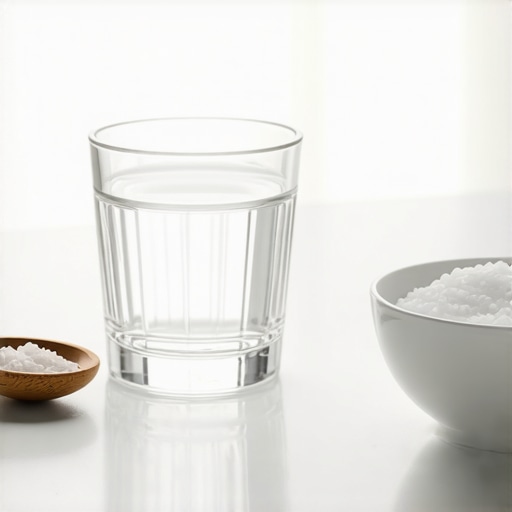
When you have an open ulcer, your mouth is essentially a highway with a massive pothole. Every time you eat, talk, or even breathe deeply, you’re driving right into it. To fix the road, you first have to clear the debris. I’ve found that a simple saline rinse is the most effective way to neutralize the acidity that keeps the pain sharp. However, don’t repeat my mistake from a few years back: I thought more salt meant faster healing and created a solution so concentrated it practically mummified my tongue. The goal is a gentle, isotonic environment. Dissolve exactly half a teaspoon of sea salt in eight ounces of warm water. This helps draw out fluid from the inflamed area through osmosis without causing further trauma. It’s a cornerstone of gentle teeth cleaning best practices for sensitive gums because it cleanses the area without any mechanical friction or harsh chemicals.
Ditch the SLS to Stop Future Outbreaks
If you keep getting these sores, your bathroom cabinet might be the secret culprit. Most commercial toothpastes contain Sodium Lauryl Sulfate (SLS), a foaming agent that is essentially a detergent. For most people, it’s fine, but for those of us with sensitive oral mucosa, it’s like washing a paper cut with dish soap. I remember a particularly bad month where I had three sores at once; I realized my ‘extra whitening’ paste was the common denominator. When I switched to an SLS-free formula, my recurring sores almost vanished. This is one of those family dentistry tips that make oral care effortless and effective because it addresses the environmental triggers rather than just numbing the result. While you’re at it, ensure you are maintaining oral health by using a soft-bristled brush to avoid those tiny accidental nicks that often bloom into full-blown ulcers.
Create a Physical Shield Over the Nerve
Instead of relying on numbing agents that wash away with your own saliva in minutes, you need to physically shield the exposed nerve endings. I once experimented with undiluted clove oil—which felt like a localized forest fire—before discovering the power of a simple baking soda paste. Mix a tiny bit of baking soda with a few drops of water until it’s the consistency of damp sand, then dab it directly onto the sore before bed. It neutralizes the acids produced by mouth bacteria and provides a temporary protective ‘crust.’ This proactive protection is similar to how we approach preventive tips for long-lasting dental health for families. For those who can’t find relief at home, it’s worth noting that modern clinics now use laser dentistry to treat gum issues and can often ‘cauterize’ a canker sore in seconds, shutting off the pain receptors instantly. Whether you go the DIY route or seek professional help, the goal is to stop the irritation cycle so the tissue can knit back together.
Everyone thinks that when you have a mouth sore, you should reach for the strongest antiseptic possible to ‘kill the germs.’ In my experience, this is often the worst thing you can do. The ‘Oops’ factor here is significant: by nuking your mouth with high-alcohol rinses or investigating the truth about using hydrogen peroxide as a mouthwash, you are effectively destroying the beneficial bacteria that help tissue regenerate. It is a classic case of friendly fire. We often think of our mouths as a place that needs to be ‘sterile,’ but a healthy mouth is actually a balanced forest of microbes. When you disrupt that balance, you invite more frequent and painful ulcers.
Stop Nuking Your Mouth
When you are maintaining oral health, especially during a flare-up, less is almost always more. A common myth is that you need to scrub harder to keep the area ‘clean.’ I have seen people use ‘extra-firm’ bristles near an active sore, which is like using a wire brush on a sunburn. Instead, sticking to gentle teeth cleaning best practices for sensitive gums is what allows the epithelial cells to bridge the gap and close the wound. If you are aggressive, you are just tearing down the new cells as fast as your body can build them. This is one of those oral health myths debunked that can save you weeks of pain over a lifetime.
Can a Cosmetic Upgrade Actually Trigger an Outbreak?
It is a nuance many do not consider, but even some cosmetic dentistry innovations you can’t miss this year can occasionally cause temporary stress to the oral mucosa. It is not that the procedures are bad; it is that any change to the landscape of your mouth—like new contouring or veneers—can cause minor shifts in how you bite your cheek or how your saliva flows during the adjustment period. If your body is already prone to ulcers, this minor ‘mechanical stress’ can be the tipping point. This highlights why some people are more prone to cavities regardless of hygiene—sometimes your internal chemistry and physical structure dictate the outcome more than your toothbrush does. According to research published in the Journal of Oral Pathology & Medicine, Vitamin B12 therapy can significantly reduce the duration and pain of these sores, even for patients who are not clinically deficient. This suggests that often, the ‘cure’ isn’t more cleaning, but better systemic support. Have you ever fallen into the trap of thinking you could ‘scrub away’ a canker sore? Let me know in the comments.
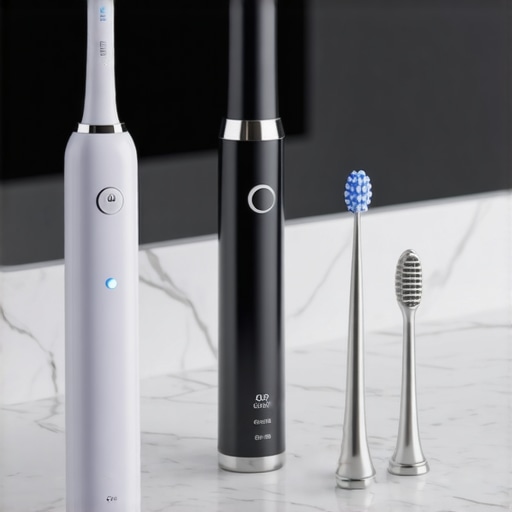
If you’re serious about never seeing another ulcer, you need to stop guessing how hard you’re brushing. I switched to the Oral-B iO series specifically for its pressure sensor. Most people ignore these, but when you have thin oral mucosa, even a few seconds of ‘red light’ pressure can micro-tear your gums. This is the gold standard for gentle teeth cleaning best practices for sensitive gums. I also swear by the Waterpik Aquarius on the lowest setting. It flushes out debris from the ‘potholes’ without the mechanical scraping of traditional floss, which is a major win for family dentistry tips that make oral care effortless and effective. By removing food particles without irritating the tissue, you significantly lower the chance of an accidental scrape blooming into a week-long ordeal.
How do I stay ulcer-free for the long haul?
Maintaining a sore-free mouth isn’t a one-time fix; it’s about maintaining oral health through consistent, low-impact habits. For me, that meant adding a tongue scraper to my nightly routine. According to a systematic review published in the Cochrane Database of Systematic Reviews, powered toothbrushes provide a statistically significant reduction in plaque and gingivitis compared to manual brushing, but I found that adding mechanical tongue cleaning was the missing piece for my ulcer prevention. Why your dentist wants you to use a tongue scraper isn’t just about fresh breath; it’s about reducing the overall bacterial load on your immune system. If your mouth is constantly fighting off ‘bad’ bacteria, it has fewer resources to repair those tiny nicks before they become painful ulcers.
Looking ahead, I suspect we are moving toward a world of ‘biometric dentistry.’ We’re already seeing cosmetic dentistry innovations you can’t miss this year that involve 3D scanning, but the next step is smart toothbrushes that test your saliva’s pH in real-time. Imagine getting a notification on your phone that says your mouth is too acidic after that third cup of coffee, prompting you to rinse before an ulcer even forms. This kind of preventive tips for long-lasting dental health for families will eventually make the ‘scorched earth’ approach to mouth care a relic of the past.
If you want to scale up your results today, try my ‘Nightly Neutralization’ trick. After your final rinse, use a xylitol-based lozenge. Xylitol doesn’t just sweeten; it actively inhibits the growth of harmful bacteria. This simple step helps prevent major dental issues by keeping your oral environment stable while you sleep. Give it a try for one week—your gums will thank you for the extra protection.
What the Mirror Taught Me About My Mouth’s Inner Compass
After years of trial and error, the biggest realization I had was that my mouth isn’t a battlefield to be conquered with harsh chemicals; it is a delicate indicator of my overall well-being. When those sores pop up, I now look at my sleep and stress levels first. I have learned through various oral health myths debunked sessions that aggression—like scrubbing with firm bristles—only delays healing. I also noticed a direct correlation with hydration; if my mouth feels dry even when I drink water, I am significantly more likely to develop an ulcer because the lack of protective saliva leaves my tissues vulnerable. This ‘internal check-in’ has been more effective than any numbing gel I ever bought at a drugstore.
#IMAGE_PLACEHOLDER_E#
My Daily Arsenal for a Resilient Smile
I rely on a few non-negotiables to keep my oral environment stable and sore-free. First, I exclusively use toothpastes that omit Sodium Lauryl Sulfate (SLS) to prevent mucosal irritation before it starts. Second, I have integrated family dentistry tips that make oral care effortless and effective, such as using an electric brush with a visible pressure sensor to prevent micro-trauma. Finally, I maintain a routine of B12 and Zinc supplementation during high-stress weeks. These tools aren’t magic, but they provide the biological scaffolding your body needs to resist flare-ups and heal microscopic nicks before they turn into craters.
Reclaim the Joy of a Pain-Free Bite
You do not have to accept a life of sandwich anxiety or the constant fear of a stray citrus slice. By shifting from a reactive approach to one of maintaining oral health through gentle habits and smarter tool choices, you can make those ten-day stints of pain a distant memory. Your smile is meant to be enjoyed and shared, not protected like a wound. Take the first step today by auditing your toothpaste and slowing down your brushing rhythm. What is the weirdest home remedy you have ever tried for a canker sore—and did it actually work? Let me know below!