
I woke up last spring convinced that my mouth was falling apart. Every single tooth on the upper right side of my face was pulsing with this deep, rhythmic ache that made me want to hide under the covers forever. I was halfway through calling my dentist to demand an emergency appointment when I realized my nose was also completely stuffed. It felt like a cruel joke—how could a stuffy nose make my teeth feel like they were being squeezed in a vice? Most of us have been there, staring at the mirror and wondering if we’re looking at a $2,000 dental bill or just a $10 box of tissues. Today, I’m going to help you figure out exactly which one it is so you don’t make the same expensive mistakes I did.
Stop Panicking and Check Your Sinuses First
It’s a weird quirk of human anatomy that our largest sinus cavities, the maxillary sinuses, sit right on top of our upper tooth roots. When those cavities get inflamed and full of fluid, they put literal physical pressure on the nerves of your teeth. I remember once being so stubborn that I ignored my sinus symptoms and went straight for oral health myths I’d heard about sudden decay, only to have my dentist gently tell me I just needed a Neti pot. If you’ve ever felt the reason your teeth throb when you lean forward, you know exactly how convincing that pain can be. According to the American Rhinologic Society, the maxillary sinus is the most common site for infections, and its proximity to the alveolar bone means referred pain is incredibly common.
Is this toothache actually just a cold in disguise?
You might be skeptical. After all, pain is pain, right? But there are very specific tells that separate a dental abscess from a simple case of sinusitis. For instance, if you find that your teeth hurt when you run or jump, that’s often a classic sign of fluid shifting in your sinuses rather than a structural issue with the tooth itself. Have you ever experienced that sudden jolt of dental pain the moment you bent over to tie your shoes? Tell me in the comments, because that positional pain was the biggest lightbulb moment for me. We’re going to break down the physical signs you can check at home before you start stressing about how regular dental cleanings save you money.
Test Your Symptoms at Home Before Booking a Dentist
To stop the guessing game, you need to treat your mouth like a crime scene. Think of your sinus cavity like an overfilled balloon. When it is empty, it floats harmlessly above your teeth. But when it is full of fluid, it expands and pushes against the floor of the sinus—which happens to be the ceiling of your tooth roots. Your teeth are basically the floorboards of a very damp upstairs apartment. Start with the gravity check. Stand up straight, then slowly bend at the waist as if you are touching your toes. If that throbbing in your jaw intensifies with every inch you drop, you are likely dealing with the reason your teeth throb when you lean forward or bend over. This happens because the fluid in your maxillary sinuses is shifting and pressing directly onto the dental nerves. A real cavity or infection does not usually care about gravity; it hurts whether you are standing up, lying down, or doing a handstand.
Tap Your Teeth to Find the Culprit
Next, try the percussion test. Take a small, blunt object—the back of a spoon works perfectly—and gently tap on the tooth that hurts. Then, tap the ones next to it. If one specific tooth makes you jump, you might be looking at a structural issue or a localized infection. But if the entire row of teeth feels tender and bruised, that is a classic sinus red flag. You can cross-reference this with how to tell if that bump on your gums is an abscess to make sure you are not ignoring a literal pocket of bacteria. I spent twenty minutes tapping my molars with a toothbrush handle last November. Every single one felt heavy, which was actually a relief because it meant my teeth were fine—my head was just full of congestion.
Steam and Salt Might Save Your Wallet
If you are still on the fence, try a steam trial before you panic about how regular dental cleanings can save you money in the long run. Hop in a hot shower or use a Neti pot to clear those passages. If the tooth pain lessens as your breathing improves, your dentist is not the one you need to call. This is part of the ultimate guide to teeth cleaning techniques and benefits because keeping your oral environment clean also means understanding the surrounding anatomy. Don’t let oral health myths debunked what you need to know in 2025 trick you into thinking every ache is a sign of a failing smile. Sometimes, your teeth are just the innocent bystanders of a nasty head cold. For parents, this is a vital part of family dentistry building a foundation of healthy smiles for all ages, as kids often cannot distinguish between a sore throat, a stuffy nose, and a toothache.While we are on the subject of misinterpreting what our bodies are telling us, let’s talk about the ‘whitening trap.’ Most people think that the grittier a toothpaste is, the better it works. It is a common belief that you can scrub your way to a Hollywood smile, but in my experience, the opposite is often true. Over-using abrasive ‘natural’ cleaners like charcoal or high-grit baking soda pastes can lead to permanent enamel loss. Once that protective layer is gone, the yellowish dentin underneath shows through, making your teeth look darker and significantly more sensitive. This is a classic ‘oops’ moment where trying to save money on a DIY fix leads to a much bigger bill for transforming your smile with cosmetic dentistry later. Understanding the truth about whitening toothpaste is vital because most over-the-counter options only remove surface stains rather than changing the internal shade of the tooth.
Why does that one tooth only throb when you are trying to sleep?
This is one of the most sophisticated ‘tells’ in dentistry. If your tooth is fine all day but starts pulsing the second your head hits the pillow, it might not be a sinus issue at all. When you lie down, blood pressure in your head increases, which can cause an inflamed dental nerve to throb more intensely. You can read more about why your tooth feels fine during the day but throbs at night to see if you need an actual intervention rather than just a decongestant. The American Dental Association notes that persistent nocturnal pain is often a sign of pulpitis, which requires professional attention before it turns into a full-blown infection.
Stop treating the symptoms and find the source
We often treat cosmetic procedures as a luxury, but cosmetic dentistry trends are increasingly focused on functional health. For example, fixing the black triangles between your teeth isn’t just about aesthetics; it prevents food trap areas that lead to gum disease. If you have ever fallen into the trap of ignoring a small ‘cosmetic’ issue only for it to become a painful health problem, you are not alone. Have you ever tried a ‘natural’ remedy that ended up making your sensitivity worse? Let me know in the comments. By focusing on how regular teeth cleaning can prevent major dental issues, you are protecting your investment in your health. Don’t wait until you are trying to figure out if your filling is leaking to start taking preventive care seriously. Real expertise means knowing when to DIY and when to let the pros use the science behind teeth whitening to get safe, lasting results.Maintaining that ‘just-left-the-dentist’ feeling isn’t about luck; it’s about the specific gear you keep in your bathroom cabinet. I used to think a basic manual brush was perfectly fine until I saw my own plaque scores on a 3D dental scan. Now, I swear by an oscillating electric toothbrush with a built-in pressure sensor. It’s the only way I’ve found to stop myself from ‘over-scrubbing’ my gums into recession, which is a common mistake for those trying to be too thorough at home. If you struggle with sensitive spots, you should definitely check out gentle teeth cleaning best practices for sensitive gums to protect your enamel.
Ditch the Manual Brush for Professional Results
One tool that completely changed the game for me was the high-end water flosser. If you have any dental work—like a bridge, permanent retainer, or even cosmetic dentistry work—traditional string floss can be a daily nightmare. I use the Waterpik Aquarius because it features a specific ‘massage’ mode that stimulates blood flow in the gum tissue. In fact, the benefits of using a water flosser for patients with gum disease are backed by significant clinical data, often showing up to 50% more effective plaque removal than string floss. This isn’t just about convenience; it’s about reach.
How can I keep my smile healthy for the next decade?
Long-term success in family dentistry building a foundation of healthy smiles for all ages comes down to consistency over intensity. You cannot make up for six months of neglect with one aggressive brushing session right before your appointment. I recommend ‘habit stacking’ your oral care. For instance, I keep my copper tongue scraper right in the shower. It might sound unusual, but the best way to clean your tongue without triggering a gag reflex is often while your mind is distracted by the warm water and steam. 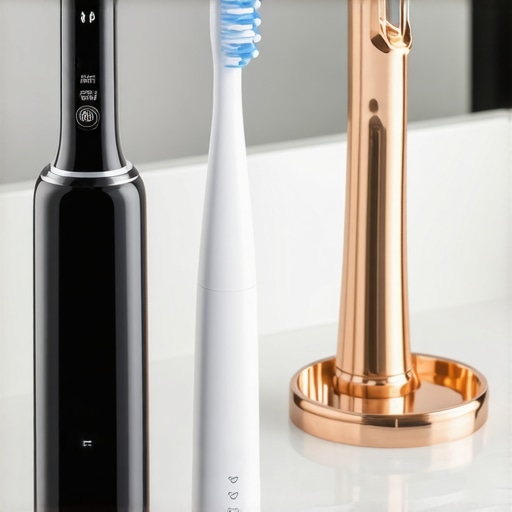
The Future of Your Bathroom Sink
Looking ahead, I predict that within the next few years, we will see smart toothbrushes integrated with AI-driven diagnostic cameras as standard. Companies like Kolibree are already exploring bio-sensing bristles that can detect early-stage cavities before they even show up on a traditional X-ray. This shift toward proactive monitoring is a major part of maintaining oral health expert advice for a lifetime of healthy teeth. Research published in the Journal of Clinical Dentistry suggests that individuals using oscillating-rotating power brushes see an 11% reduction in gingivitis compared to those using standard sonic technology. This is why I personally prefer the round-head brushes—they wrap around each individual tooth like a tiny professional tool. To keep the rest of the house on track, try implementing some family dental care hacks to keep your kids smiling daily. Don’t just take my word for it; try this tonight: switch to a high-quality water flosser for seven days and see if your gum sensitivity decreases. It is the ultimate test of true gum health.
Three Hard Truths I Learned the Hard Way About My Smile
After years of trial and error, I realized that more pressure does not mean cleaner teeth. I used to scrub until my gums bled, thinking I was being thorough, but I was actually speeding up recession. Another lightbulb moment was discovering that my “emergency” toothaches were often just seasonal allergies. Learning oral health myths debunked what you need to know in 2025 changed how I react to pain. Finally, I learned that a tiny black triangle between teeth is a signal to act, not just an aesthetic quirk. Acting early saves your wallet and your sanity.
My Personal Arsenal for a Professional Clean at Home
If you want to stop guessing and start seeing results, you need the right tools. I do not go a day without my oscillating electric toothbrush; it provides a level of precision manual brushes cannot touch. I also swear by the benefits of using a water flosser because it reaches the deep pockets where bacteria hide. For those mornings when you are in a rush, these teeth cleaning secrets to achieve a bright smile in under 30 minutes are a total lifesaver. These are not just gadgets; they are investments in how regular teeth cleaning can prevent major dental issues down the road.
#IMAGE_PLACEHOLDER_E#
Take the First Step Toward a Pain-Free Morning
Do not let the fear of a dental chair keep you from enjoying your life. Whether it is clearing your sinuses or upgrading your flossing routine, you have the power to change your oral health outcomes starting today. Consistency is your best friend. Following maintaining oral health expert advice for a lifetime of healthy teeth will ensure your smile stays vibrant for decades to come. Have you ever had a fake toothache that turned out to be a sinus infection? Let me know in the comments below!