
I remember the exact moment I realized something was wrong. I was leaning over my vanity mirror, and I noticed that my upper left canine looked… aggressive. It wasn’t that the tooth was growing; the gum tissue above it was retreating like a tide going out. I panicked. I poked it with my finger, and a sharp, electric zing shot through my jaw. My right side? Perfectly healthy, pink, and tight. My left side? It looked like I was turning into a lopsided vampire. I felt like I had failed at basic adulthood. I’d always prided myself on my preventive care, so seeing this lopsided damage felt like my body was playing a cruel joke on me. It turns out, I was making a classic mistake: I was ‘over-loving’ one side of my mouth with a toothbrush that was way too hard.
The Mystery of the Lopsided Smile
We often think of oral health as a ‘whole mouth’ issue, but the reality is that our habits are rarely symmetrical. When I finally sat down with a professional, I learned that being right-handed meant I was scrubbing the life out of the left side of my mouth. I was literally brushing my gums away. It’s a common story. Whether it’s an uneven bite, a habit of grinding on one side, or just aggressive technique, localized recession is usually a physical response to localized stress. It’s why regular checkups are so vital—they catch these mechanical imbalances before you need a surgical graft. I spent months worrying I’d need a complete smile makeover, but the solution was actually much simpler and started with my own hands. Today, we’re going to solve the puzzle of why one side of your mouth is throwing a tantrum while the other stays quiet, and how you can stop the damage in its tracks.
Is this actually something you can fix at home?
There is a huge fear that once gums start to move, the only way back is an expensive, painful surgery. I was terrified of that. I even tried to fix my routine by scrubbing harder, which is the worst thing I could have done. A surprising fact from the Journal of Periodontology suggests that ‘traumatic toothbrushing’—basically being too enthusiastic with a brush—is a primary cause of recession in up to 50% of adults who don’t even have gum disease. You might actually be *too* good at brushing. Before you start looking into modern cosmetic fixes, you have to address the root cause. Have you ever noticed that one specific tooth gets a ‘zing’ when you drink something cold, or looks just a tiny bit longer in photos? If you’ve seen this happening, let me tell you: you haven’t ruined your smile yet. We just need to shift you toward gentle cleaning techniques that respect your gum line’s boundaries. I’ll show you the exact adjustments I made to my morning routine that finally put the brakes on my receding gums.
How I Retrained My Hands to Save My Gums
Once I realized I was essentially power-washing my gums off my teeth, I had to completely dismantle my morning routine. If you’re seeing lopsided damage, you don’t just need to brush better—you need to brush *differently*. Think of your gums like a fine silk blouse. If you scrub a stain on silk with a wire brush, you’ll ruin the fabric. Your gums are the same; they require a soft, intentional touch. I had to learn that gentle teeth cleaning isn’t about being lazy; it’s about being precise.
Stop Gripping Your Toothbrush Like a Hammer
The biggest mistake I made was my grip. I used to hold my toothbrush in a full-fisted “power grip,” which naturally applies way too much pressure, especially on the side opposite your dominant hand. If you’re right-handed, your left side takes the brunt of that force. I switched to a “pen grip,” holding the brush only with my fingertips. I’ll be honest—the first time I tried this, it felt ridiculous. I actually dropped my toothbrush into the sink twice because it felt so flimsy. I didn’t think I was getting anything clean. But after a week of this lighter touch, the chronic redness on my left side started to fade. This small mechanical shift is one of the most effective family dentistry tips for adults who are accidentally damaging their own smiles.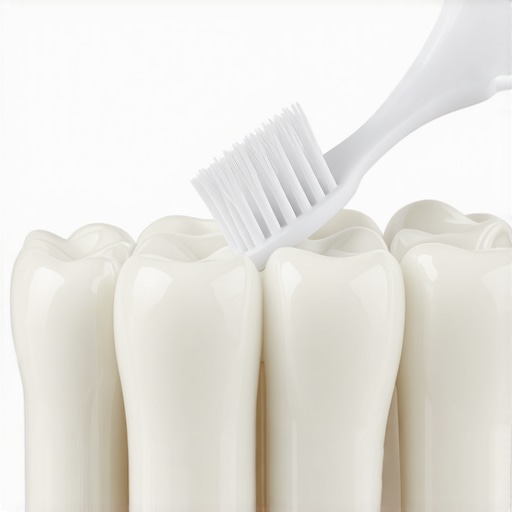
Let an Electric Sensor Be Your Accountability Partner
If you can’t trust your own hands yet, let technology do it. I finally invested in an electric toothbrush with a pressure sensor. It’s like having a tiny dentist in your bathroom who yells at you every time you get too aggressive. When the light flashed red, I realized I was still “scrubbing” rather than “massaging.” You want the bristles to vibrate *for* you, not to use the brush as a manual scraper. This transition is a core part of teeth cleaning techniques that actually preserve tissue.
The 45-Degree Rule for Lopsided Recession
The angle of your brush is just as important as the pressure. Most of us brush at a 90-degree angle, flat against the teeth, which pushes the gum tissue upward (or downward). Instead, you need to aim the bristles at a 45-degree angle toward the gum line. This is called the Modified Bass Technique. By angling the bristles, they can gently slip under the gum margin to clear out debris without “blasting” the tissue away from the bone. If you’re wondering why your gums are receding on only one side, it’s often because you’re hitting that specific side at a harsh, perpendicular angle while your dominant side gets a more natural, glancing blow.
Ditch the Hard Bristles Immediately
There is a common myth that “hard” bristles clean better. In reality, they act like sandpaper on your gums. I threw every “firm” brush in my house into the trash and replaced them with “extra-soft” versions. While it might feel like you’re not doing enough, trust the process. Protecting your existing gum line now is how you avoid expensive grafting later, and regular dental cleanings can handle the heavy lifting of plaque removal that your soft brush might miss.
Why your quest for a perfect smile might be backfiring
Many people believe that the brighter the tooth, the healthier the mouth. It’s one of the most persistent oral health myths I see. In my experience, jumping straight into heavy bleaching when you have lopsided recession is like putting a fresh coat of paint on a crumbling wall. If your gums are retreating on one side, that exposed root surface is significantly more porous than your enamel. When you apply harsh chemicals, you aren’t just whitening; you’re inviting intense sensitivity. I learned the hard way that whitening toothpaste often relies on abrasives that can further wear down the already-thinning cementum of your exposed roots. #IMAGE_PLACE_HOLDER_C#
Can you actually mask gum loss without surgery?
The short answer is yes, but the “how” matters more than the “if.” While many assume a surgical graft is the only path forward, modern cosmetic dentistry offers clever workarounds like gingival-colored composite bonding or porcelain veneers. However, the “oops” factor here is huge: if you don’t fix the mechanical reason for the recession first—like that heavy-handed brushing I mentioned—your expensive new veneers will eventually face the same fate. According to the American Academy of Periodontology, localized recession is often a multi-factorial problem involving both hygiene habits and structural alignment. You have to treat the cause, not just the symptom.
The hidden danger of the black triangle trap
As gums recede, you might notice small, dark gaps appearing between your teeth near the gum line. We call these “black triangles.” Most patients think these are just food traps, but they are actually early warning signs that the bone supporting your gums is shifting. If you try to “scrub” these gaps clean, you’re essentially digging a deeper hole. Instead of aggressive cleaning, you should be looking into how to fix the black triangles through minimally invasive methods like the Bioclear matrix. This is where family dentistry evolves into specialized care; it’s about preserving the architecture of your mouth.
Don’t ignore the leaking structural signals
Another nuance people miss is that lopsided recession can sometimes be a red flag for what’s happening inside the tooth. If a filling is failing on one side, the micro-leakage can cause localized inflammation that irritates the gum tissue, causing it to pull away. Learning how to tell if your filling is leaking is a high-level skill that can save you from a root canal later. Have you ever fallen into the trap of thinking a “clean” mouth was a healthy one, only to find a hidden issue? Let me know in the comments! If you’re ready to stop the damage, check out our ultimate guide to teeth cleaning techniques to see the exact moves I use now.
Upgrade Your Toolkit to Protect Your Results
Moving beyond the basic toothbrush was the turning point in my journey from a lopsided smile to real oral stability. I realized that my hands simply weren’t precise enough to handle the delicate architecture of my gum line without a little help from modern engineering. The first thing I integrated into my routine was a high-quality water flosser. I don’t just use it on the standard ‘blast’ setting; I use the ‘massage’ or ‘pulse’ mode specifically on the areas where I’ve noticed recession. This stimulates blood flow to the tissue without the abrasive friction of string floss, which can sometimes act like a saw if you aren’t careful. Understanding the benefits of using a water flosser for patients with gum disease changed how I viewed my nightly cleanup—it became about preservation rather than just debris removal. I also swear by interdental brushes. A study published in the International Journal of Dental Hygiene recently highlighted that interdental brushes are often more effective than traditional flossing at reducing inflammation in larger gaps, making them a cornerstone of preventive tips for long-lasting dental health for families.
How can I maintain a healthy gum line for the next decade?
Maintenance isn’t a one-time fix; it’s a series of micro-decisions you make every single morning. I’ve started treating my mouth like a high-end engine that needs regular calibration. This means I never skip my professional cleanings, even when I think my teeth look perfect. I’ve learned that how regular dental cleanings can save you money in the long run isn’t just marketing—it’s a financial reality. When a hygienist uses a professional-grade scaler, they are reaching spots my soft-bristle brush simply cannot touch. To keep things working between visits, I also use a pH-balancing mouthwash. Many commercial rinses are surprisingly acidic, which can actually soften your enamel and make your gums more sensitive. By switching to a neutral or slightly alkaline rinse, I’m creating an environment where my gum tissue can actually thrive rather than just survive. 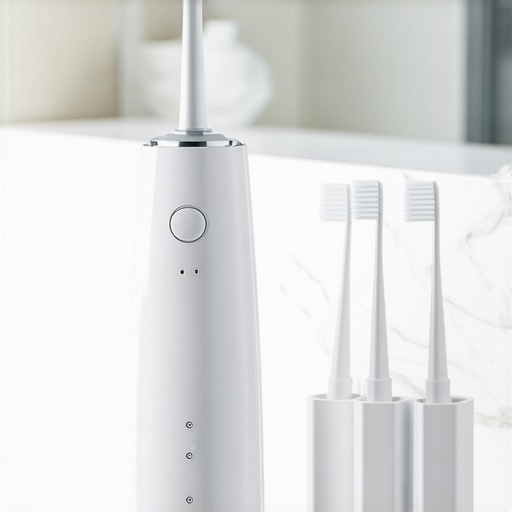
Why Bio-Mimetic Materials Are the Future of Your Smile
Looking ahead, the world of dentistry is moving toward ‘bio-mimetic’ solutions. We are entering an era where we won’t just ‘fill’ a cavity or ‘mask’ recession; we will use materials that mimic the natural structure of our teeth and gums. I predict that within the next few years, we will see a massive shift toward bio-active glass in toothpastes that actually helps remineralize the root surface as it becomes exposed. We are already seeing these cosmetic dentistry innovations you can’t miss this year becoming more accessible. For those of us with lopsided wear, this means we can potentially ‘heal’ the tooth surface before it ever needs a crown or a veneer. It’s about building a foundation of healthy smiles for all ages by embracing tech that works with our biology. If you’re serious about stopping the ‘zing’ and keeping your gums where they belong, I challenge you to do one thing today: go into your bathroom and check the bristles on your brush. If they aren’t labeled ‘Extra Soft,’ throw it away and get one that is. Your future self will thank you for the gentleness. For more advanced strategies, you can dive into maintaining oral health: expert advice for a lifetime of healthy teeth.
What I Finally Realized About Being Too Good at Brushing
I used to think that a ‘squeaky clean’ feeling required muscle. I was wrong. The hardest lesson I learned is that gum tissue is not like a kitchen counter; it doesn’t get cleaner the harder you scrub. In fact, my over-achieving attitude was the very thing causing my lopsided smile. One of the most eye-opening oral health myths debunked for me was the idea that firm bristles are better for stain removal. They aren’t—they are just better at causing trauma. I also realized that my ‘auto-pilot’ mode while brushing was my enemy. By slowing down and actually feeling the brush against my tissue, I could finally tell when I was crossing the line from cleaning into damaging. Being right-handed made my left side a victim of my own efficiency, and acknowledging that bias was the first step toward recovery.
The Gear That Saved My Gum Line from Further Damage
To stop the damage, I had to upgrade my bathroom arsenal. I moved away from the cheap manual brushes I used to pick up at the grocery store and invested in a high-tech electric model with a built-in pressure sensor. It was a game-changer for my teeth cleaning techniques because it removed the guesswork. I also integrated the benefits of using a water flosser to reach the areas where my gums had already started to dip without using the ‘sawing’ motion of traditional floss. Lastly, I committed to extra-soft bristles only. These tools aren’t just gadgets; they are the protective buffer between your daily habits and your long-term health. I’ve found that how regular dental cleanings can save you money is only true if you also have the right maintenance kit at home to prevent the need for major repairs later.
Take Back Control of Your Smile One Gentle Movement at a Time
It is never too late to change the trajectory of your oral health. Even if you’ve already noticed some thinning or recession, the body is remarkably resilient when you stop the active trauma. By switching to gentle teeth cleaning best practices, you are giving your tissue a chance to stabilize and stay healthy. Remember, maintaining oral health isn’t about being perfect every single day; it’s about being kind to your mouth over the long haul. You’ve got the knowledge now—it’s time to put it into practice and stop the ‘vampire’ look before it starts. Have you noticed your gums retreating on just one side, or are you a ‘power-brusher’ like I was? Let me know in the comments below!