
I remember waking up at 2:00 AM last Tuesday, my tongue practically glued to the roof of my mouth. It was that specific, uncomfortable sandpaper sensation that makes you want to reach for the nearest faucet and never let go. I had downed an entire 32-ounce bottle of water before bed, yet I felt like I’d been wandering the Sahara for a week. It’s a frustrating, borderline panicky feeling when the ‘obvious’ solution—drinking more water—simply stops working. You start to wonder if your body just forgot how to handle fluids or if you’re secretly suffering from some mysterious ailment. I’ve been there, and I’ve made every mistake in the book trying to fix it. Today, I want to pull back the curtain on why your thirst isn’t just about ‘thirst’ and how we can actually get your mouth feeling normal again.
The Hydration Myth That Kept Me Thirsty for Months
One of the biggest mistakes I made early on was assuming that my mouth was just another part of my ‘total body hydration.’ I thought if I drank enough to float a boat, my mouth would naturally follow suit. It didn’t. I spent weeks chugging liters of water, only to find myself still struggling with that tacky, uncomfortable feeling every time I tried to speak. I eventually learned that the reason your mouth feels dry even when you drink enough water often has nothing to do with your water intake and everything to do with how your salivary glands are functioning. It was a total lightbulb moment for me when I realized that maintaining oral health is about preserving the delicate balance of your mouth’s ecosystem, not just drowning it in tap water. My mistake was simple: I was treating a local problem with a systemic ‘fix’ that wasn’t reaching the target.
Is drinking more water actually just a Band-Aid?
You might be skeptical. After all, every health blog on the planet tells you to ‘stay hydrated’ to fix everything from dry skin to bad moods. But here is a surprising fact: According to the American Dental Association, saliva is 99% water but contains essential enzymes and minerals that protect your enamel—enzymes that plain water simply cannot replicate. When your glands aren’t producing that specific cocktail, you’re just washing away the little protection you have left. Have you ever felt like you’re drinking a gallon a day and still feeling parched? Drop a comment or reach out; I want to know I’m not the only one who has faced this desert-mouth dilemma. We often fall for oral health myths debunked long ago, thinking that more water is always the answer. In reality, we need to look at things like medication side effects, mouth breathing at night, or even the type of toothpaste we use that might be stripping our natural moisture. Let’s dig into what’s actually happening behind the scenes and how we can find real relief.
Ditch the Alcohol-Based Mouthwash Immediately
If you want to move past the ‘drinking water’ stage, the first thing you need to do is audit your bathroom cabinet. Most of us grew up thinking that a mouthwash should sting. We equated that burn with cleanliness. But that alcohol is effectively a desiccant; it is like trying to hydrate a plant by spraying it with rubbing alcohol. I spent years using a high-alcohol ‘germ-killer’ until I realized I was literally evaporating my own natural moisture. Once I swapped it for a pH-balanced, alcohol-free version, the ‘sandpaper’ feeling started to lift within forty-eight hours. You should also be incredibly wary of DIY whitening or ‘sanitizing’ rinses. For instance, understanding the truth about using hydrogen peroxide as a mouthwash is vital because, while it kills bacteria, it can also be incredibly harsh on the delicate mucosal lining of your mouth, further stripping away the lubrication you desperately need.
Clear the Path for Saliva
Think of your tongue as a velvet carpet that can easily get matted down with ‘dust’ or biofilm. When this layer of bacteria and debris builds up, it doesn’t just cause bad breath; it acts as a physical barrier between your saliva and your oral tissues. It makes your mouth feel ‘thick’ and sticky. I remember the first time I used a professional-grade scraper; I was horrified at what came off, but the immediate sensation of ‘airiness’ in my mouth was a game-changer. Learning the best way to clean your tongue without triggering a gag reflex is the first step toward reclaiming that fresh, moist feeling. It’s a core reason why your dentist wants you to use a tongue scraper as part of your daily rhythm. 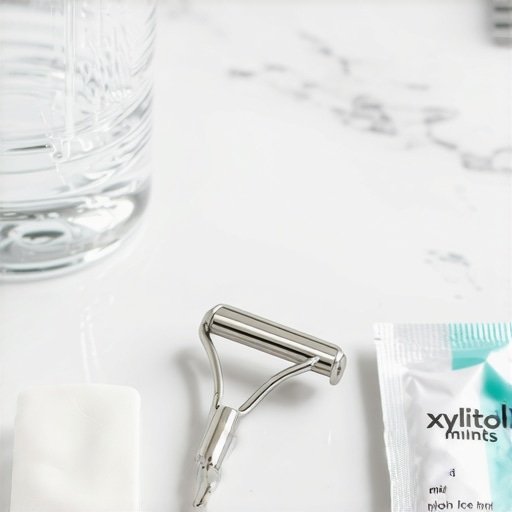
Stimulate Your Glands with Xylitol
Since we know water alone won’t fix the lack of enzymes, we need to trick the body into producing its own natural lubricant. Saliva flow is a ‘use it or lose it’ system. This is where xylitol comes in. Xylitol is a natural sugar alcohol that bacteria can’t digest, but its presence in the mouth signals your salivary glands to start pumping. I keep a tin of xylitol mints in my car and one at my desk. Unlike regular candy, which can lead to decay, these mints actually help in maintaining oral health by keeping the pH of your mouth neutral. It’s like turning on a tiny, internal sprinkler system that stays on long after the mint is gone.
Retrain Your Body to Breathe Through Your Nose
This was the hardest habit for me to break. If you wake up with that ‘glued-shut’ feeling, you are almost certainly breathing through your mouth at night. No amount of water during the day can compensate for eight hours of warm air blowing directly over your oral tissues. It’s like leaving a wet sponge in front of a space heater. You have to investigate the reason your mouth feels dry even when you drink water, which often leads back to nasal congestion or simple habit. I started using nasal strips and a slightly elevated pillow, and the difference was night and day. By forcing air through the nose, you allow the mouth to remain a closed, humid environment, preserving every drop of saliva your glands work so hard to produce.Even if you’ve mastered the art of nose breathing and ditched the alcohol mouthwash, there’s a trap I see even the most dedicated health enthusiasts fall into. We often assume that if we brush twice a day and floss occasionally, we’ve ‘earned’ a pass from the deeper aspects of dental care. In my experience, this ‘checklist’ mentality is exactly where things go wrong. We treat our teeth like a kitchen counter that just needs a quick wipe, rather than a living, porous environment.
Stop Scrubbing Your Gums into Oblivion
One of the biggest contrarian truths I’ve learned is that ‘harder’ is almost never ‘better’ when it comes to oral health. I used to think that a firm toothbrush was the only way to really get the grime off. I was wrong. Scrubbing with high pressure doesn’t just remove plaque; it physically pushes your gum line back. This creates ‘recession pockets’ where bacteria thrive, completely out of reach of your brush. I’ve seen patients who have the cleanest teeth in the world but require major surgery because they essentially ‘sanded down’ their own gums. This is why gentle teeth cleaning best practices for sensitive gums are actually the gold standard for everyone, not just those with pain. Switching to a soft-bristled brush was a ‘lightbulb’ moment for me—it’s about technique, not brute force. Have you ever fallen into this trap of thinking harder scrubbing equals cleaner teeth? Let me know in the comments below! 
Wait, Is a Professional Deep Cleaning Actually Necessary?
Many people believe that ‘scaling and root planing’—often called a deep cleaning—is just an upsell from the dental office. This is a dangerous nuance to get wrong. While a standard cleaning polishes the crown of the tooth, a deep cleaning addresses the biofilm below the gum line that your floss can’t touch. A landmark study published in the Journal of Periodontology highlighted the systemic link between these sub-gingival bacteria and chronic inflammation throughout the body, including cardiovascular health. Ignoring this ‘hidden’ plaque because your teeth look white in the mirror is like painting a house that has a crumbling foundation. Understanding how regular teeth cleaning can prevent major dental issues is the difference between a simple appointment today and a five-figure surgery five years from now.
The Charcoal Myth That’s Thinning Your Enamel
We’ve all seen the ads for ‘natural’ black charcoal toothpaste promising a Hollywood smile. Here is the ‘oops’ factor: charcoal is highly abrasive. While it might lift surface stains quickly, it’s often doing so by stripping away a microscopic layer of your enamel. Once that enamel is gone, it doesn’t grow back. You’re effectively trading the long-term thickness of your teeth for a temporary brightening effect. If you’re looking for a change, it’s much safer to look into the truth about whitening toothpaste before you accidentally cause permanent sensitivity. We have to stop falling for oral health myths debunked by science and start focusing on the boring, effective basics. Real health isn’t found in a ‘miracle’ powder; it’s found in the nuances of how we protect our natural anatomy every single day.Once you stop falling for the marketing gimmicks and start focusing on the actual science of your mouth, you realize that the right tools make all the difference. I used to think my hands were precise enough for a manual brush, but after years of hit-or-miss results, I finally traded my manual brush for a digital sensor. I realized that learning how to choose the right toothbrush bristle strength was only half the battle; the real game-changer was a brush that vibrates at 30,000 strokes per minute and flashes red when I press too hard. It takes the guesswork out of the equation and ensures I am never accidentally ‘sanding down’ my own enamel again.
The specific gadget that fixed my bleeding gums
If you are still wrestling with string floss and finding it impossible to reach the back of your mouth, you need to look into a water flosser. Personally, I was a skeptic until I saw the difference in my own gum pocket depths. The benefits of using a water flosser go far beyond just convenience; the pressurized stream of water can reach up to 6mm into a pocket, whereas traditional floss barely grazes the surface. If you are worried about the initial mess, knowing how to stop your gums from bleeding when you start a new flossing routine will help you push through that first week of transition. It’s about consistency, not perfection. 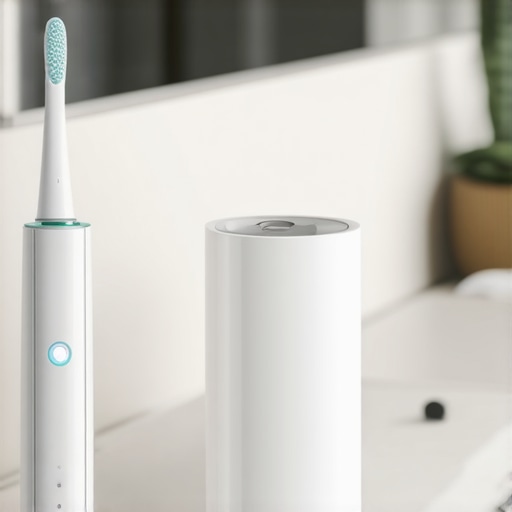
How do I maintain these results over the long haul?
Maintenance is where most people lose the momentum. It requires a fundamental shift from ‘fixing’ problems to ‘preventing’ them before they even exist. I always tell my friends that following expert advice for a lifetime of healthy teeth isn’t about doing more work; it’s about doing the right work. This includes realizing that regular dental cleanings can save you money in the long run by catching tiny fissures before they require expensive crowns. Even if you have opted for enhancements, you must commit to the specifics, like learning how to maintain your porcelain veneers so your investment stays bright for two decades rather than five years.
The dental tech of 2030 is already arriving
The future of oral care is incredibly exciting and highly personalized. According to the FDI World Dental Federation, the industry is pivoting toward ‘predictive diagnostics’—using your saliva to detect systemic health issues long before they manifest. We are already seeing cosmetic dentistry innovations like bio-active materials that can actually help remineralize your teeth while you sleep. We’re moving away from simply ‘patching holes’ and moving toward regenerative care. My challenge to you today is simple: pick one high-tech tool, like a water flosser or a pressure-sensing brush, and commit to it for fourteen days. You will be shocked at how much easier your next professional cleaning becomes when you have the right equipment in your corner.
The Hardest Lessons My Own Dry Mouth Taught Me
After years of trial and error, I realized that oral health isn’t just a daily chore—it’s a dynamic biological balance. The biggest ‘lightbulb’ moment for me was discovering that saliva flow isn’t just about water; it’s about signaling your body to protect itself. I learned that waiting for a toothache to start acting is the most expensive mistake you can make, as pain is usually the last symptom to appear, not the first. Another hard truth is that your mouth’s ecosystem changes as you age, meaning the routine you had at twenty probably won’t cut it at forty. By following oral health myths busted by modern science, I finally stopped over-scrubbing and started supporting my natural enzymes. I also found that the ultimate guide to teeth cleaning techniques and benefits really comes down to precision rather than power. These shifts didn’t just fix my dry mouth; they made my entire dental experience feel effortless.
My Personal Kit for a 20-Year Smile
To maintain these results without spending hours in front of the mirror, I have curated a specific set of tools that I trust implicitly. First, I never skip my water flosser; the benefits of using a water flosser for patients with gum disease or even healthy gums are simply unmatched by traditional string. Second, I recommend a pressure-sensing electric brush that keeps you from receding your own gum line. Third, I always have Xylitol-based products on hand to keep my pH levels steady between meals. Finally, stay informed on family dentistry tips that make oral care effortless and effective so you can pass these habits down to your kids. #IMAGE_PLACEHOLDER_E#
Your Future Smile Starts Tonight
Taking control of your oral health doesn’t require a total lifestyle overhaul; it just requires a few intentional shifts in your daily rhythm. Whether you are looking into cosmetic dentistry trends that transform your smile this year or just want to wake up without that sandpaper feeling, the power is in your hands. You deserve to feel confident every time you speak, laugh, or take a sip of water. Don’t be afraid to ditch the old habits that aren’t serving you and embrace the tech that makes life easier. Have you ever felt like your current brushing routine just isn’t doing enough for your dry mouth? Let me know in the comments below!