
I remember standing over my bathroom sink, tears streaming down my face, because I’d just tried to scrub the very back of my tongue with my bulky toothbrush. It felt like I was fighting for my life against my own anatomy. We’ve all been there—that visceral, watery-eyed “dry heave” moment when you are just trying to be hygienic, but your body thinks you are trying to swallow a porcupine. It is a frustrating dance. You want fresh breath and a healthy mouth, but the price of admission feels like a mild medical emergency every single morning. For years, I just skipped it entirely. I would brush my teeth, swirl some expensive mouthwash, and hope for the best. But that “fuzzy” feeling always came back by noon, and I knew I was just masking the problem. I realized I could not ignore the bacteria buildup anymore, but I had to find a way that did not involve a morning wrestling match with my own esophagus. I made the classic mistake of thinking force was the answer—if I just scrubbed harder and faster, maybe I would win. I did not. In fact, I was just making my throat more sensitive and my tongue sore. If you have ever wondered why your dentist wants you to use a tongue scraper instead of a chunky brush, it is because they have seen people like us struggle through the same uncomfortable cycle. Today, I am going to share exactly how I hacked my own biology to get a clean mouth without the drama. [IMAGE_PLACEHOLDER]
Stop Fighting Your Own Body Every Morning
The tongue is a literal carpet for bacteria, trapping food particles and dead cells in its tiny bumps called papillae. If you leave those there, they ferment—and that is where the trouble starts. Did you know that the back of your tongue is responsible for about 80-90% of bad breath? It is true. According to the Cleveland Clinic, the tongue can house hundreds of different types of bacteria, making it a primary source of halitosis and a contributor to plaque buildup elsewhere. But here is the kicker: the more you “panic” your throat by hitting that sensitive trigger point, the stronger that reflex becomes over time. When I first started focusing on my oral health, I ignored the oral health myths that said brushing the tongue was just an optional extra. I went all-in, but I did it all wrong. I used the head of a giant toothbrush and aimed straight for my tonsils. It was a total failure that left me coughing for ten minutes. I want to help you avoid that gasping-for-air sensation. We are going to look at positioning, tool choice, and a few mental tricks that actually work to bypass the brain’s defense mechanisms.
Is a Dedicated Scraper Actually Worth the Hype?
You might be skeptical about adding another tool to your drawer. Why buy another plastic or metal gadget when you already have a toothbrush? I felt the same way until I realized that the height and thickness of a toothbrush head are exactly what triggers the “intruder alert” in your throat. A flat, low-profile scraper glides over the surface without pushing up against the sensitive soft palate. Learning teeth cleaning secrets like this can change your entire morning routine from a chore into a quick, ten-second win. We aren’t just talking about breath here; we are talking about your overall systemic health. Your dentist might even check your tongue for spots during a checkup because it is a window into how your whole body is doing. Have you ever had to stop mid-brush because you felt like you were going to lose your breakfast? I have been there, and I promise, there is a better way that does not involve tears or a struggle.
Relax Your Jaw and Flatten Your Tongue
The secret to successful scraping starts before the tool even touches your mouth. Most people make the mistake of tensing up, which creates a wall at the back of the throat that the scraper inevitably hits. Instead, try to keep your tongue as flat and relaxed as possible. Stick it out fully, but don’t ‘point’ the tip. I remember one frantic Tuesday morning before a big presentation; I was so stressed that my whole body was rigid. I tried to scrape my tongue, hit my soft palate, and spent the next two minutes coughing until my eyes were bloodshot. It was a mess. Since then, I’ve learned that a limp, relaxed tongue is much less likely to trigger that ‘intruder alert’ signal to your brain. If you struggle with this, you might find that how to manage your gag reflex during a dental x-ray offers techniques that translate perfectly to your morning routine. It is all about overriding the nervous system’s instinct to protect the airway.
The Low Profile Advantage
If you are still using a toothbrush for this, stop. The height of the bristles and the plastic head is simply too much volume for the back of the mouth. A dedicated stainless steel or copper scraper is incredibly thin—often only a few millimeters tall. This low profile allows it to slide further back without touching the roof of your mouth. When you are looking for teeth cleaning secrets that actually save time, the tool you choose is the biggest factor. A thin metal loop doesn’t just feel better; it captures the biofilm much more effectively than bristles ever could. 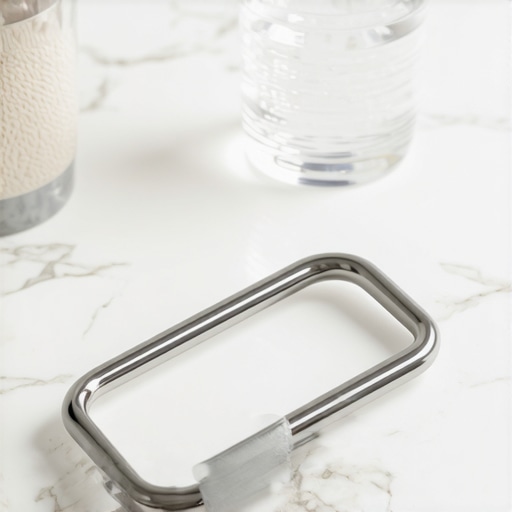
Work from the Back to the Front in Single Sweeps
Don’t scrub. This isn’t like cleaning a grout line in your shower. You want to place the scraper as far back as is comfortable, apply firm but gentle pressure, and pull forward in one smooth motion. I used to do a ‘sawing’ motion back and forth, which only irritated the delicate papillae and led to gentle teeth cleaning best practices for sensitive gums becoming a necessity for me. Now, I do three to four long sweeps: one down the center, and one on each side. Between each sweep, rinse the scraper under running water. Seeing what comes off is gross, but it’s the visual proof that you are actually removing the source of bad breath rather than just masking it. This direct approach is far more effective than any mouthwash alone.
Breathe Through Your Nose to Distract Your Brain
If you feel that tickle in your throat starting, focus entirely on your nasal breathing. When you breathe through your mouth during scraping, it opens the airway and makes the reflex more sensitive. By keeping a steady, slow rhythm through your nose, you signal to your body that you are safe. Some people even find that how mindfulness helps you stay calm when youre in the dental chair provides the mental focus needed to get through those last few centimeters at the very back of the tongue. If you’re a heavy gagger, try making a fist with your left hand and squeezing your thumb—it’s an old trick that provides a physical distraction for the brain. It sounds strange, but it works when you are trying to reach those deep bacteria pockets that cause the most trouble.Once you master the physical movement, it is time to address the biggest misconception in oral care: the idea that your mouth needs to be a sterile wasteland. We have been conditioned to believe that ‘clean’ means ‘dead bacteria,’ leading many to reach for the strongest alcohol-based rinses and scrubbing their tongues until they bleed. This is a massive mistake. In my experience, chasing a completely sterile mouth actually invites more trouble than it solves. When you over-scrub or over-sanitize, you are not just killing the bad guys; you are wiping out the beneficial nitrate-reducing bacteria that help regulate your blood pressure. A study published in the journal Frontiers in Cellular and Infection Microbiology highlights how disrupting this delicate balance can have systemic consequences. It is one of those oral health myths debunked that we need to stop following if we want long-term wellness. Have you ever fallen into this trap of thinking ‘more is always better’? Let me know in the comments if you have ever accidentally over-cleaned to the point of irritation.
Why Your Plastic Scraper Might Be Working Against You
Most people start with a cheap plastic tool from the grocery store, but this is a classic ‘oops’ factor. Plastic is porous. Over time, the surface develops microscopic scratches from the pressure of your hand and the friction against your tongue. These tiny grooves become a sanctuary for the very bacteria you are trying to eliminate. If you are not careful, you end up re-introducing old colonies back into your mouth every single morning. This is why I always advocate for surgical-grade stainless steel or copper. These materials are naturally antimicrobial and much easier to keep hygienic. If you are investing in the science behind teeth whitening or other aesthetic upgrades, do not sabotage your results by using a dirty, bacteria-filled plastic tool. It is a small nuance, but it makes a world of difference in the quality of your breath and the health of your gums.
Can Aggressive Scraping Cause Permanent Damage?
I often get asked if you can actually ‘wear out’ your tongue. While your papillae are resilient, aggressive scraping can lead to temporary inflammation or even ‘hairy tongue’ if the surface becomes too keratinized in response to trauma. The goal is a gentle sweep, not a deep-tissue massage. Remember, the tongue is a window into your systemic health, which is why your dentist wants to check your tongue for spots during your biannual exams. If you notice your tongue looks unusually red or feels raw, back off for a few days. Consistency beats intensity every single time.
Save Money by Focusing on the Foundations
It is easy to get distracted by flashy gadgets, but the most sophisticated tool in your kit is your own technique. Proper scraping, paired with regular professional visits, is the ultimate preventative measure. Understanding how regular dental cleanings can save you money starts with realizing that home care—like effective tongue cleaning—prevents the massive plaque buildup that leads to expensive deep-scaling procedures later. By spending ten seconds a day correctly managing your tongue’s biofilm, you are essentially buying yourself an insurance policy against chronic halitosis and gum disease.I’ve spent hundreds of dollars over the years on fancy enzymatic toothpastes and charcoal-infused bristles, but I can honestly say that a simple, ten-dollar stainless steel scraper is the best investment I’ve ever made for my mouth. Why? Because it is indestructible, non-porous, and actually gets the job done. I personally prefer the U-shaped variety with reinforced handles. It gives you the leverage needed to apply even pressure without the tool flexing and accidentally hitting the roof of your mouth. According to a landmark study published in the Journal of Periodontology, tongue scraping is significantly more effective at reducing volatile sulfur compounds (VSCs)—the primary gases responsible for bad breath—compared to toothbrushing alone. The study found a 75% reduction in VSCs with scraping versus only 45% with a brush. This isn’t just about ‘feeling’ clean; it is about measurable results. When you are following maintaining oral health expert advice for a lifetime of healthy teeth, you have to prioritize tools that don’t harbor bacteria. I give my metal scraper a quick wipe with isopropyl alcohol once a week, much like the steps you should take to keep a bathroom toothbrush clean and free from airborne germs.
How do I maintain my tongue health over time?
The honest answer is that consistency beats intensity. You cannot scrape once a month and expect a miracle. I have found that keeping my scraper in the same cup as my toothbrush is the only way to ensure I don’t ‘forget’ it when I’m half-asleep at 6:00 AM. For our household, one of the top 5 secrets to maintaining perfect oral health as a family is making sure everyone has their own color-coded metal scraper. It prevents cross-contamination and turns it into a shared family habit. If you have already invested time and money into the science behind teeth whitening, don’t let a dull, coated tongue ruin the aesthetic of your bright smile. It’s about the total package.
Expect Personal Microbiome Testing to Go Mainstream
Looking ahead, I predict we are going to see a massive shift toward home-based oral microbiome testing. Instead of just guessing why our breath is off or why we have a persistent coating, we will likely use smart-scrapers or saliva strips that sync to our phones, telling us exactly which bacteria are overcolonizing. We are already seeing cosmetic dentistry innovations you cant miss this year that focus on the health-beauty connection, and the tongue is the next frontier for personalized data. My advice? Start the habit now so you’re ahead of the curve. Try this today: During your very next cleaning, focus entirely on the ‘nasal breathing’ trick I mentioned earlier. Just one steady, slow breath through your nose while you perform a single sweep will prove to your brain that you are safe, eventually silencing that gag reflex for good. It is a small hack, but it is the key to unlocking a level of oral freshness you’ve probably never experienced.
What I Finally Realized After Years of Gagging Every Morning
Reflecting on my journey to better oral hygiene, I’ve had a few major ‘aha’ moments that changed everything. First, I stopped treating my tongue like a rug that needed heavy scrubbing; the goal is a gentle glide, not a deep-clean scrape. Second, I learned that the metallic taste of a copper or steel scraper is actually quite refreshing compared to the hidden bacteria traps of older plastic models. Third, I realized that the ultimate guide to teeth cleaning techniques and benefits really starts with the tongue, because it sets the stage for the rest of your mouth’s ecosystem. Finally, I found that consistency is more about habit stacking—linking my scraping to my brushing—than it is about willpower.
Tools That Actually Make a Difference for Your Breath
If you are looking to upgrade your routine, I highly recommend a few specific shifts that will save you frustration. Stainless Steel Scrapers: Unlike plastic, they don’t harbor hidden colonies of bacteria and are easy to sterilize. Alcohol-Free Rinses: They keep your mouth’s natural moisture intact while your scraper does the heavy lifting of removing biofilm. Quality Soft Brushes: To gently massage the gums without causing recession. These simple changes, along with family dental care hacks to keep your kids smiling daily, ensure that everyone in the house has the best chance at lasting health.
Take the First Step Toward Real Mouth Confidence
You don’t have to suffer through a watery-eyed morning routine anymore. By applying these small biological ‘hacks’ and choosing the right tools, you can transform your relationship with your oral health. Remember that how regular dental cleanings can save you money isn’t just about the dentist’s office; it’s about the consistent, gentle care you provide at home. Your breath, your confidence, and your systemic health are worth those extra ten seconds in front of the mirror. Have you ever struggled with a sensitive gag reflex while cleaning your tongue? Let me know in the comments below!