
I sat in that cramped dental office, my knees practically hitting my chin in the tiny guest chair, feeling pretty proud of myself. My son had been a champ about brushing. We did the whole routine—the flavored paste, the flashing lights on the brush, the works. But when the dentist pointed to the X-ray and showed me those dark shadows between his molars, my heart sank. I’ll never forget the sharp, metallic click of the explorer tool catching on a soft spot. It was a tiny sound, but it felt like a siren. Those ‘interproximal’ cavities were invisible to the naked eye, and I felt like I’d failed a basic parenting test. It turns out, you can be a brushing rockstar and still lose the war against sugar if you aren’t hitting the gaps. I remember the hygienist explaining that a toothbrush only reaches about 60% of the tooth’s surface. That left 40% of my son’s mouth completely vulnerable. Think about that—it’s like only washing the front and back of your car but leaving the sides covered in mud for years. Today, I’m going to share exactly how I turned things around so you don’t have to face that same ‘guilty parent’ feeling at your next checkup. We’re moving beyond the surface and getting into the real grit of oral hygiene.
Stop the Sneaky Decay Hiding in Your Child’s Smile
If you think a quick scrub with a toothbrush is a total force field against decay, I’ve got some news for you: it’s only half the battle. I made the classic mistake of thinking that as long as we managed to get my kids to brush for the full two minutes, we were in the clear. I was wrong. The tight spaces where baby teeth touch are the perfect breeding grounds for bacteria. These areas are shielded from bristles, allowing plaque to sit, feast on leftover sugars, and eat through enamel. According to the American Academy of Pediatric Dentistry, tooth decay is nearly five times more common than asthma in children, and much of it starts in those hidden ‘contact points.’ It’s time to move beyond basic scrubbing and start using some family dental care hacks to keep your kids smiling daily. Have you ever felt that sinking feeling at the dentist when you thought you were doing everything right? It is frustrating, but it is also fixable.
Is flossing a toddler actually worth the nightly battle?
I’ll be honest: early on, I convinced myself that flossing a wiggly three-year-old was an optional ‘extra credit’ task. I fell for one of the most common oral health myths busted by professionals—the idea that baby teeth don’t really matter because they fall out anyway. That skepticism cost us a hefty dental bill and a very stressful afternoon for my little guy. The reality is that baby teeth hold the space for permanent ones; if they rot early, everything else gets thrown out of alignment. We’re going to break down why this ‘extra’ step is actually the most important part of your night. [image_placeholder] Setting a solid foundation now prevents a lifetime of anxiety and expensive procedures. It’s about more than just avoiding holes; it’s about teaching them that their health is worth the effort, even when it’s a bit of a chore. By the time we finished our session with the specialist, I realized that my own ‘minimalist’ approach to their flossing was the biggest hurdle to their health.
Wrap the Floss into a C-Shape to Clear the Hidden Walls
You have to treat the space between teeth like a narrow alleyway. If you just drop a piece of string straight down the middle, you’re only cleaning the air, not the enamel. The real secret is the ‘C-shape’ wrap. You slide the floss between the teeth, but instead of just pulling it back out, you wrap it tightly around the side of one tooth so it hugs the curve. Then, you shimmy it up and down against the tooth surface, reaching just slightly beneath the gum line. I remember the first time I did this properly with my son; I was shocked at the amount of hidden ‘gunk’ that came out even though he’d just finished a two-minute brushing session. Following the ultimate guide to teeth cleaning techniques and benefits helped me realize that we were leaving a whole layer of plaque behind every single night.
Swap the String for Tools Your Child Can Actually Handle
I used to try the traditional string floss, wrapping it around my fingers until they throbbed, only to have my toddler clamp down like a snapping turtle. That was the night I switched to long-handled floss picks. These little plastic tools are life-savers because they allow you to reach the back molars without putting your entire hand inside their mouth. It turned a ten-minute wrestling match into a sixty-second breeze. Using these family dentistry tips that make oral care effortless and effective is about reducing friction—both for your child’s patience and for the bacteria on their teeth. 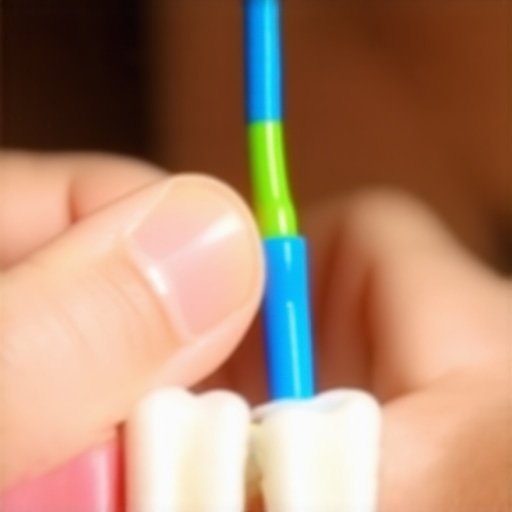 Choosing a tool that fits the size of their jaw is a game-changer for consistency.
Wait Thirty Minutes Before Brushing After That Fruit Snack
One of the most surprising things my dentist told me was that we were actually hurting their teeth by brushing too soon after snacks. If your kids just finished an apple or a bowl of berries, their enamel is temporarily ‘softened’ by the natural acids. If you scrub immediately, you’re essentially sanding down the protective layer. This is why we recommend waiting thirty minutes to brush after eating fruit or anything acidic. Instead, have them swish with plain water to neutralize the acid while you wait for the clock to run down. It’s a small timing tweak that saves the structural integrity of their smile over the long haul.
Don’t Panic if You See a Little Pink in the Sink
When I first started getting serious about flossing between those tight gaps, I saw a little blood and immediately pulled back, thinking I was causing damage. The irony is that the bleeding is usually a sign that you need to floss *more*, not less. It’s a signal of mild inflammation from trapped bacteria. Once you understand why your gums bleed when you floss for the first time in weeks, you realize it’s just the body’s way of clearing out the infection. Within about five days of our new routine, the bleeding stopped entirely, and my son’s gums went from a puffy red to a healthy, firm pink. Applying these preventive tips for long-lasting dental health for families means trusting the process even when the first few days look a little messy.
Stop treating your enamel like a dirty grout line
Many people believe that the harder they scrub, the cleaner their teeth will be. It is a logical thought—if you want to get a stain off a floor, you use elbow grease. But your teeth are not porcelain tiles; they are living tissue protected by a finite layer of enamel. In my quest for a brighter smile, I once fell into the trap of over-brushing, thinking I was being ‘extra’ healthy. However, maintaining oral health is more about chemical disruption of the biofilm than mechanical abrasion. In fact, a study published in the Journal of Clinical Periodontology found that aggressive brushing with abrasive pastes is a primary cause of gingival recession and permanent enamel loss. If you are constantly looking for cosmetic dentistry innovations you can’t miss this year, you must first ensure you are not literally scrubbing your natural beauty away. 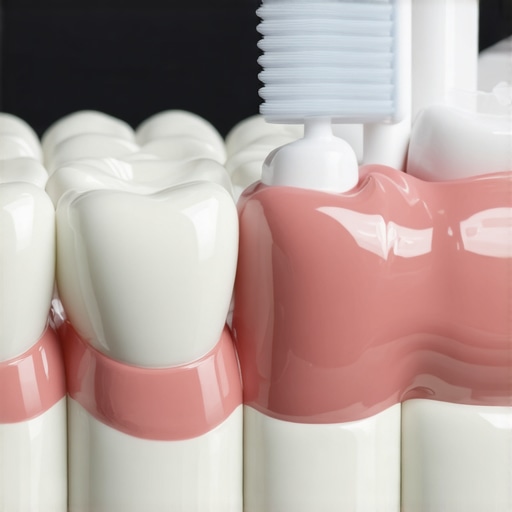
Can you actually over-clean your way into a dental emergency?
It sounds like a paradox, but yes, you can. One of the biggest ‘oops’ factors I see is the DIY whitening trend. People often use high-acidity ingredients or charcoal-based products without realizing their enamel is already thin. This creates a nightmare scenario: you get the ‘white’ look for a week, but the sensitivity that follows is debilitating. If you are struggling with this, you should learn how to whiten your teeth if you have naturally thin enamel safely. Another nuance many miss is the ‘forgotten organ’ of the mouth—the tongue. While you are focused on the gaps between the teeth, the back of your tongue is likely housing a majority of your mouth’s sulfur-producing bacteria. This is why your dentist wants you to use a tongue scraper daily. It is not just about fresh breath; it is about preventing the re-colonization of plaque on those freshly cleaned teeth. We also see many people chasing the science behind teeth whitening while ignoring the underlying health of their gums. If you are using the truth about oil pulling for dental health as a replacement for clinical care, you are missing the forest for the trees. Modern teeth cleaning can prevent major dental issues, but only if it is done with precision, not just force. Have you ever fallen into the trap of ‘more is better’ with your dental care? Let me know in the comments!I transitioned from manual labor to automation the moment I realized how much easier it was to keep my gums healthy without the guesswork. I personally swear by electric toothbrushes with built-in pressure sensors. If you press too hard, a light flashes red to warn you, which is the only way I finally stopped scrubbing my enamel away. A comprehensive review by the Cochrane Library confirms that powered toothbrushes reduce plaque by 21% and gingivitis by 11% after three months of use compared to manual brushes. This isn’t just about luxury; it is about efficiency. When you combine high-quality equipment with gentle teeth cleaning best practices for sensitive gums, you are playing the long game for your health.
Why a water flosser is my secret weapon for tight gaps
If you have explored cosmetic dentistry innovations you can’t miss this year, like bridges or specialized veneers, you know that string floss can sometimes feel like trying to thread a needle in a dark room. I switched to a water flosser because it pulses water into the ‘hidden’ pockets that string simply cannot reach. There are massive benefits of using a water flosser for patients with gum disease, and for me, it was the turning point between mediocre checkups and perfect ones. 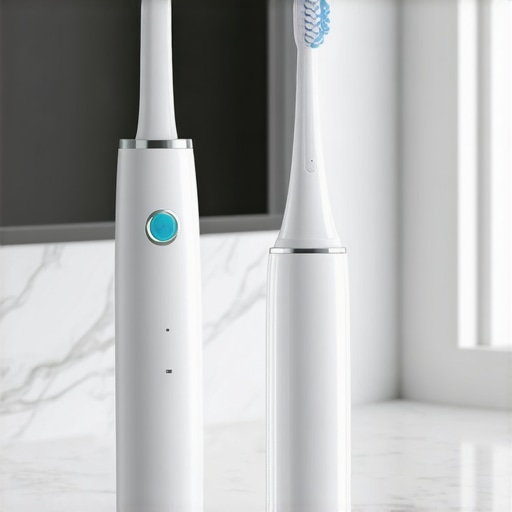
How can I make these healthy habits actually stick long-term?
Maintaining results is about building a sustainable rhythm rather than seeking a quick fix. We often treat dental care like a New Year’s resolution—going hard for two weeks and then fading back into old habits. The top 5 secrets to maintaining perfect oral health as a family revolve around ‘habit stacking.’ I make it a rule to brush while my morning coffee is brewing and floss while I’m winding down with the evening news. By anchoring these tasks to things you already do, family dentistry building a foundation of healthy smiles for all ages becomes second nature rather than a daily struggle. Over time, these small wins lead to massive savings, especially since how regular dental cleanings can save you money in the long run is a reality every budget-conscious parent should embrace.
The high-tech future of your bathroom counter
Looking ahead, I see dental care moving toward extreme personalization through AI and bio-active technology. We are already seeing toothbrushes that map your mouth on a smartphone app, showing you exactly where you missed a spot in real-time. In the coming years, the move to transform your smile: the impact of cosmetic dentistry in 2025 will likely include smart sensors in our bathrooms that alert us to changes in saliva pH before a cavity even has the chance to form. It is an exciting time to take control of your oral health. My challenge to you today: go out and buy a simple tongue scraper. It is a tiny investment that will change how your mouth feels in under thirty seconds. Give it a try and see the difference for yourself!
What the dentist doesn’t always have time to tell you
After years of trial and error in our own household, I’ve realized that perfection is the enemy of consistency. You don’t need a flawless technique every single night, but you do need to show up for those tight spaces. I used to think I was failing if my kids didn’t cooperate for a full ten-minute session, but I learned that even a thirty-second targeted flossing session is better than a week of skipping it altogether. Another lightbulb moment was realizing that oral health myths debunked what you need to know in 2025 often point back to one simple truth: we focus far too much on the white enamel and not enough on the pink gums that hold it all together. Finally, I stopped seeing the dentist as a ‘judge’ of my parenting and started seeing them as a coach. This shift in perspective removed the guilt and replaced it with a practical strategy for long-term health.
My go-to resources for a stress-free routine
I’ve tested plenty of gadgets that ended up in the junk drawer, but a few have become non-negotiable for our family. First, I cannot recommend a high-quality water flosser enough, especially if you have older kids with braces or if you personally have very tight teeth; the benefits of using a water flosser for patients with gum disease are backed by clinical results and make the process much less invasive than standard string. [image_placeholder] Second, I always suggest looking into practices that prioritize comfort through technology, such as how we use digital scanners to avoid messy dental molds, which significantly reduces anxiety for children. Lastly, a stainless steel tongue scraper is the most underrated tool for oral hygiene; it’s a quick win for fresh breath and reducing the overall bacterial load in the mouth.
The long-term payoff of a healthy routine
At the end of the day, we aren’t just trying to pass a single dental checkup. We are equipping our children with the habits they will carry into adulthood. By implementing these family dental care hacks to keep your kids smiling daily, you are giving them the gift of a pain-free, confident future. It starts with one small change tonight—whether that is trying the C-shape flossing method or finally switching to that electric brush. Remember, maintaining oral health is a marathon, not a sprint, and every small effort you make today compounds into a lifetime of healthy smiles. Have you found a particular tool or trick that finally got your kids excited about their dental routine? Let me know in the comments below!