
I stood there with my mouth hanging open, staring at my reflection until the fog on the mirror obscured my view. On the right side of my mouth, my canine tooth looked stretched out, like it was trying to win a race the rest of my teeth hadn’t joined. The left side was perfectly pink and snug. It felt unfair. I actually spent weeks convinced I had some rare, one-sided disease before I finally sat in the dentist’s chair and admitted my secret shame: I was a scrubbing maniac. I thought if I didn’t hear the bristles squeaking, I wasn’t doing it right. I was wrong, and my lopsided smile was the receipt for that mistake.
My Right Side Looked Like a Different Person’s Mouth
We often assume that if something is going wrong in our mouths, it should be happening everywhere at once. But oral health is rarely that symmetrical. When I first noticed the gap between my gum line and the top of my tooth, I did the worst possible thing: I brushed harder. I figured I just needed to clean the area better to make the gum grow back. Huge mistake. I eventually learned that your gums recede much faster if you use a hard-bristled brush or apply too much pressure. My right-handedness meant I was naturally putting way more torque on the right side of my jaw. It is a classic case of over-enthusiasm leading to accidental self-sabotage.
Is this actually a sign of a bigger health problem?
It is easy to spiral into a Google-induced panic. You start wondering if your teeth are going to fall out by next Tuesday. While recession is serious, catching it on only one side usually points to a specific mechanical habit rather than a systemic disaster. The goal today is to pinpoint exactly which habit is stealing your gum line and how to pivot to best practices for sensitive gums so you can keep what you still have. According to the American Academy of Periodontology, nearly 50% of adults over age 30 have some form of periodontal disease, but one-sided recession is frequently tied to localized trauma—which is just a fancy way of saying you are bumping, grinding, or scrubbing that specific spot too much.
You Might Be Your Own Worst Enemy with That Toothbrush
The most common culprit for the one-sided retreat is actually your dominant hand. If you are right-handed, you likely start brushing on the left, but you might be putting the most aggressive pressure on the right side as you navigate the curve of your jaw. It is a mechanical error, not a biological failure. I had to learn the hard way that expert advice for healthy teeth always emphasizes technique over force. Have you ever noticed that you hold your breath or tense your shoulder when you get to a certain part of your mouth? That is usually where the damage happens. Have you noticed one specific tooth looking longer than the others recently? If so, do not wait until the sensitivity becomes unbearable; you can always reach out for a professional opinion to see how far the recession has gone. We are going to dive into the specific ways your bite, your sleep, and even your jewelry might be the hidden cause behind your lopsided smile.
Stop Brushing Like You Are Scrubbing a Grimy Tile
The most important change you can make today is lowering the pressure. Think of your gums like a delicate silk scarf and your toothbrush as a soft cloth. If you use a hard-bristled brush, you are essentially using a wire brush on that silk. I recommend you learn how to choose the right toothbrush bristle strength for your gums to ensure you aren’t doing more harm than good. When I first tried the ‘two-finger’ grip—holding the brush with only my thumb and index finger—I realized how much unnecessary weight I had been leaning into my jaw. If you see the bristles splaying out like an old broom, you are pushing too hard. To truly master the technique, angle your brush at 45 degrees toward the gum line. Use short, circular strokes instead of back-and-forth sawing motions. It feels slower, almost like you aren’t doing enough, but this is how you clean the sulcus—the tiny pocket between the tooth and gum—without shredding the tissue. 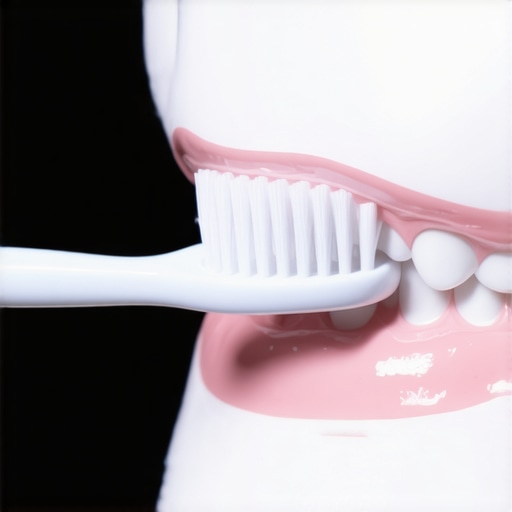
Figure Out if You Are a Nighttime Clencher
If your recession is localized to one side, but your brushing is gentle, look at your stress levels. Many people clench their jaw or grind their teeth in their sleep, often favoring one side due to their bite alignment. This ‘pounding’ on the teeth forces the gum tissue to retreat as a defense mechanism. I used to wake up with a dull ache behind my ear, and it took me far too long to realize I needed to find the best way to soothe a sore jaw from teeth grinding. A custom nightguard can act as a shock absorber, distributing that force so one specific tooth doesn’t take the brunt of the impact. If you feel like your gums are ‘itchy’ or sensitive, that is often your body’s signal that the area is inflamed and needs more gentle care, not more aggression.
Swap Your Manual Brush for a Smarter Tool
I had a minor disaster when I tried to go back to a manual brush on vacation. I forgot how much restraint it takes. Within three days, I noticed that familiar pink tint in the sink, reminding me why your gums bleed when you floss for the first time in weeks or when you over-brush. Electric toothbrushes with pressure sensors are literal life-savers. They flash red or stop vibrating when you push too hard, taking the guesswork out of your morning routine. Pair this with the benefits of using a water flosser for patients with gum disease, and you create a cleaning environment that flushes out bacteria without the abrasive friction of physical scrubbing.
Address the Gaps Before They Get Worse
When the gum recedes, it often leaves ‘black triangles’ or small gaps between the teeth. These aren’t just an aesthetic issue; they are food traps that invite more bacteria, leading to a vicious cycle. You don’t have to live with a lopsided smile forever. You can explore how to fix the black triangles between your teeth using bonding or specialized gum treatments. Modern transform-your-smile-the-impact-of-cosmetic-dentistry-in-2025 trends focus on minimally invasive ways to restore that pink border. It is about combining the ultimate guide to teeth cleaning techniques and benefits with professional intervention to stabilize your oral health and prevent further loss.
The Myth That Whiter Teeth Are Always Healthier
Most people assume a bright, snow-white smile is the ultimate indicator of oral health. In reality, some of the whitest teeth I have ever seen were also the most fragile. We are often so obsessed with aesthetics that we ignore the ‘oops’ factor of over-processing. If you are chasing a celebrity smile, you need to understand the science behind teeth whitening before you reach for that high-concentration gel. Over-whitening can lead to demineralization, making the tooth surface porous and actually more prone to future staining. It is a frustrating irony: the harder you try to bleach away the yellow, the more you might be stripping the enamel that protects your teeth from looking yellow in the first place. This is especially true if you are already dealing with recession on one side, as the exposed root surface (the dentin) reacts very differently to whitening agents than the crown does.
Can you actually over-clean your way to a yellow smile?
This is the advanced question most patients never think to ask. The answer is a resounding yes. If you use highly abrasive ‘whitening’ toothpastes with a high RDA (Relative Dentin Abrasivity) score, you are essentially sandpapering your teeth. A study published in the Journal of Clinical Dentistry highlighted that many over-the-counter whitening products can cause significant enamel thinning when paired with aggressive brushing. When the enamel thins, the naturally yellowish dentin underneath shows through, creating the reason your teeth look yellow even though you brush twice daily. It is not a stain that needs scrubbing; it is a structural loss that needs protection.
Avoid the Trap of Abrasive ‘Natural’ Remedies
In the era of DIY health, many people turn to charcoal or baking soda, believing these ‘natural’ options are safer for family dentistry needs. However, charcoal is often far too abrasive for daily use. It might lift a surface stain today, but it could cost you your enamel tomorrow. If you have naturally thin enamel, you need to be even more careful. I always suggest learning how to whiten your teeth if you have naturally thin enamel without relying on friction. Real expert care involves balancing the pH of your mouth rather than just scrubbing at the surface. 
Why Your Saliva is Your Secret Weapon
We often treat saliva as an afterthought, but it is the primary defense mechanism in maintaining oral health. It remineralizes your teeth and buffers the acids that cause decay. If you suffer from a dry mouth, your gums will recede faster, and your teeth will stain more easily, regardless of how well you brush. This is why I always tell my patients to look beyond the brush. Are you hydrated? Are your medications drying out your mouth? Addressing these nuances is what separates a basic routine from preventive tips for long-lasting dental health. Have you ever fallen into the trap of scrubbing harder to fix a color issue? Let me know in the comments. If you are worried that your ‘scrubbing’ has already done permanent damage, it is never too late to reach out for a professional opinion and start a restorative plan.
Stop Guessing with Your Morning Routine
I used to think a toothbrush was just a toothbrush until I saw my gums retreating like they were scared of my right hand. The shift happened when I moved from a manual brush to one with a literal ‘traffic light’ on the handle. I personally use an oscillating-rotating electric brush because it takes the manual labor out of the equation. A comprehensive study by the Cochrane Database of Systematic Reviews found that these specific brushes reduce plaque and gingivitis significantly more than manual brushing in both the short and long term. I rely on the pressure sensor because, as a former ‘scrubber,’ I need a tool that shuts down when I get too aggressive. This is one of the revolutionary teeth cleaning techniques for 2025 that simplifies your life while protecting your enamel. It turns a chore into a calibrated health ritual. 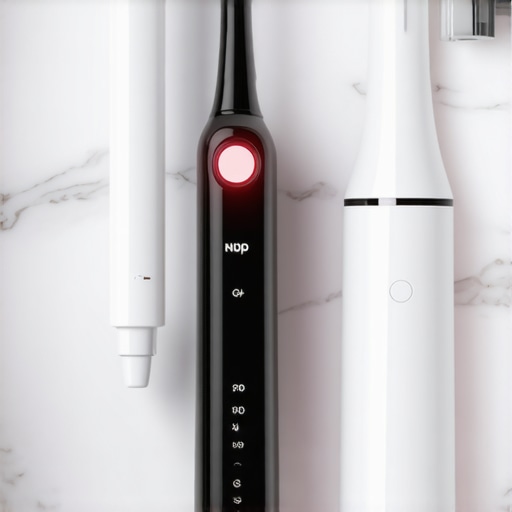
The One Tool That Actually Reached My Hidden Pockets
If you are only using string floss, you are likely leaving a massive amount of biofilm behind, especially in those hard-to-reach areas where recession starts. I added a water flosser to my nightly routine, and the difference was visible within two weeks. I keep mine on a medium setting—usually a 4 or 5—to ensure I am flushing out the sulcus without causing trauma. This is a game-changer for anyone following best practices for sensitive gums. It’s not just about removing the piece of spinach from lunch; it’s about disrupting the microscopic colonies of bacteria that sit at the gum line and eat away at your attachment. When you combine this with the ultimate guide to teeth cleaning techniques and benefits, you are building a defensive wall that keeps your smile symmetrical and healthy.
How can I keep my results consistent for years?
Maintenance isn’t a sprint; it is a lifestyle of small, intentional choices. To keep your oral health from backsliding, you have to treat your dental appointments like a non-negotiable part of your financial planning. I’ve realized that how regular dental cleanings can save you money in the long run is a literal truth—it is much cheaper to pay for a cleaning than a gum graft. Consistency also means watching your habits outside the bathroom. For me, that meant finally addressing my nighttime clenching. If you find your jaw is constantly tight, you might need to look into the best way to soothe a sore jaw from teeth grinding to protect your teeth from structural failure.
Your Breath Will Thank You for This 10-Second Habit
There is one tool I never travel without, and it costs less than a fancy latte: the stainless steel tongue scraper. Brushing your tongue with a toothbrush just moves the bacteria around. A scraper actually lifts the sulfur-producing compounds off the surface. I started doing this every morning, and it completely changed my ‘morning breath’ situation. There is a specific reason why your dentist wants you to use a tongue scraper—it reduces the overall bacterial load in your mouth, which in turn reduces the inflammation in your gums. It is the most underrated secret in maintaining perfect oral health as a family.
What the Next Decade of Dental Tech Looks Like
I predict that within the next five years, our toothbrushes won’t just tell us if we are brushing too hard; they will use AI to map exactly which teeth we are neglecting and send a report to our phones. We are moving toward a ‘smart’ mouth era where your saliva might even be sampled to detect early signs of systemic inflammation. This shift will make expert advice for a lifetime of healthy teeth more personalized than ever before. My best advice for you right now? Go buy a tongue scraper today. It is the easiest, most immediate way to upgrade your routine and feel a difference in your oral freshness by tomorrow morning.
Lessons My Mirror Taught Me About Scrubbing Too Hard
When I finally stopped trying to polish my teeth like they were chrome bumpers, I realized that oral health is about finesse, not force. The hardest lesson I had to learn was that my gums weren’t ‘dirty’; they were traumatized. If you are struggling with a lopsided smile, remember that you cannot brush your way out of a mechanical injury. I spent years believing more was better, but I was just accelerating the damage. I’ve since learned that many oral health myths busted by modern science prove that aggressive cleaning actually invites more bacteria by creating microscopic tears in the tissue. I also realized that my ‘dominant hand syndrome’ was a real thing—my right-handed torque was literally pushing the life out of my right-side gums. Finally, I accepted that while I can’t regrow what is gone, I can protect what is left by slowing down and listening to the subtle signals my mouth sends every morning.
The Gentle Tools That Saved My Smile
You do not need a massive budget to overhaul your routine, but you do need the right equipment to keep your family dentistry goals on track. Here are the specific tools that changed the game for me: A pressure-sensing electric toothbrush is non-negotiable if you are a recovering ‘scrubber’ because it forces you to be honest about your technique. I also swear by a high-quality water flosser, which allows for gentle teeth cleaning best practices without the physical friction that can worsen recession. For anyone who deals with morning jaw pain, a custom-fitted nightguard is the best investment you can make to stop the ‘pounding’ force that drives gums to retreat. These tools, combined with family dentistry tips that make oral care effortless, turn a stressful routine into a restorative one.
Take Control of Your Smile Before Your Gums Retreat Further
It is easy to feel defeated when you look in the mirror and see those uneven gum lines, but the future of your oral health is still in your hands. You have the power to stop the progression of recession today simply by lightening your touch and choosing smarter tools. If you are worried about the aesthetic impact, remember that transforming your smile with cosmetic dentistry is always an option once you have stabilized your gum health. Don’t let fear keep you from the dentist’s chair; often, a professional cleaning and a quick adjustment to your technique are all you need to save yourself from future pain and expense. In fact, how regular dental cleanings can save you money is one of the most practical truths in healthcare. You deserve a smile that feels as good as it looks. If you’re ready to get a professional opinion on your recession, don’t hesitate to contact us to set up a consultation. Have you noticed one specific tooth looking longer or more sensitive than the others lately? Let me know in the comments below!