
I remember standing in my kitchen at 3 AM last summer, desperately chugging my fourth glass of water, yet my tongue still felt like a piece of sun-dried leather. It was infuriating. I was following all the rules—carrying a giant jug everywhere, hitting my hydration goals—but the desert in my mouth simply would not bloom. For a long time, I just assumed I wasn’t drinking enough. I made the classic mistake of thinking water is a magic eraser for every oral discomfort. In reality, the reason your mouth feels dry even when you drink enough water usually has very little to do with your faucet and everything to do with how your body produces or retains saliva. Today, we are going to peel back the layers on this cotton-mouth mystery so you can finally stop drowning yourself in water that doesn’t seem to help. [image_placeholder]
Stop Chugging Water and Start Looking at These Factors
It is easy to get caught up in oral health myths that suggest more water is the only answer. I spent months doing exactly that before I realized my medication was the real thief. According to the American Dental Association, over 500 medications—from antihistamines to blood pressure pills—list dry mouth as a primary side effect. If you are like me, you might be sabotaging your own comfort without even knowing it. This isn’t just about feeling parched, though. A lack of saliva can lead to some pretty gnarly family dentistry issues, including rapid tooth decay because your mouth’s natural rinsing system is offline.
Wait, is this just a nuisance or a real medical red flag?
You might be skeptical. You might think, ‘It is just a dry mouth, right?’ That is exactly what I told myself until I noticed my breath smelled like metal and my gums were constantly irritated. Sometimes, the issue is as simple as how you breathe at night. If you wake up feeling like you have been wandering the Sahara, your dentist might ask about your snoring habits for a very good reason. Mouth breathing bypasses your body’s natural humidifying system, leaving your oral tissues gasping for air. Have you ever felt like no amount of water could quench that specific, sticky feeling in your throat? This matters right now because ignoring minor dryness is exactly how I ended up needing extra teeth cleaning sessions just to keep up with the plaque buildup. We need to look past the water bottle and start looking at the biology of your smile.To get your mouth back into balance, you have to treat your salivary glands like a rusty faucet that needs more than just a splash of water to start running again. If the internal plumbing is clogged or the pump is struggling, dumping water into the basin won’t do a thing. We have to address the actual biological mechanics of how your mouth stays moist.
Ditch the Myths and Fix Your Saliva Flow
To move past the discomfort, you need a strategy that targets the source of the dryness rather than just masking it for five minutes.
Audit Your Medicine Cabinet First
The first step is a literal inventory of what you are putting into your body. I remember looking at my nightstand during my driest months and realizing my allergy pill, my evening tea, and even a natural calming supplement were all working against me. If you find a potential culprit, don’t just stop taking it—talk to your doctor about alternatives. But while you wait for a medical adjustment, you can mitigate the damage. Many oral health myths debunked what you need to know in 2025 suggest that standard mouthwash is the cure, but if it contains alcohol, it’s essentially gasoline on the fire. Switch to a pH-neutral spray or a specialized dry-mouth rinse that mimics natural enzymes.
Wake Up Your Glands with Mechanical Stimulation
Your mouth needs a physical signal to produce spit. This isn’t just about drinking; it’s about active stimulation. I started keeping xylitol-sweetened gum in my car and office. Xylitol is a game-changer because it doesn’t just stimulate flow; it actually prevents the bad bacteria from sticking to your enamel. Think of it like a non-stick coating for your teeth. If you aren’t a fan of gum, look for xylitol melts that adhere to your gums while you sleep. I used these during a cross-country flight once, and for the first time in years, I didn’t wake up with my tongue feeling like it was glued to the roof of my mouth. 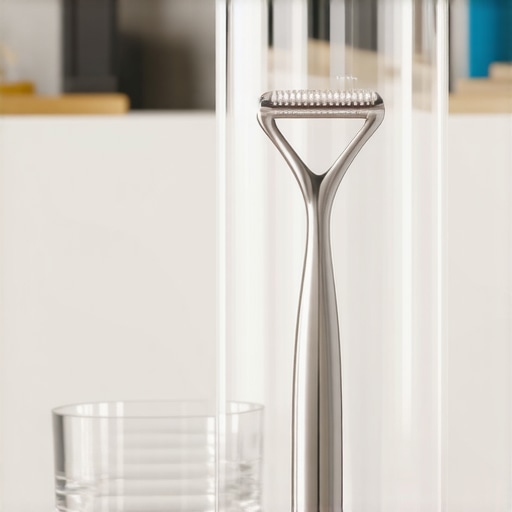
Scrape Away the Dryness Trap
When your mouth is chronically dry, dead cells and food particles accumulate on your tongue like a thick, absorbent carpet. This layer soaks up whatever little moisture you do produce, making the problem feel twice as bad. This is why your dentist wants you to use a tongue scraper. It is a ten-second habit that removes that absorbent layer, allowing your oral tissues to stay lubricated. When I first started scraping, I was horrified by what I saw, but the immediate freshness was a revelation.
Schedule a Professional Biofilm Reset
If you have been struggling with dryness for a while, you likely have hardened plaque that your toothbrush simply cannot touch. This buildup acts like a sponge for bacteria, leading to the irritation I mentioned earlier. This is how regular teeth cleaning can prevent major dental issues that stem from chronic dryness. A professional cleaning isn’t just about aesthetics; it’s about clearing the debris so your gums can heal. While you’re at the office, ask about the benefits of using a water flosser for patients with gum disease. Since dry mouths are prone to gum inflammation, the gentle pulse of a water flosser can hydrate the tissues while cleaning deeper than string floss ever could. If your dryness has already caused visible wear, you might eventually look into how enhancing confidence with cosmetic dentistry what to expect can restore the protective enamel that chronic dryness may have compromised.
But here is where most people get it wrong. We are conditioned to believe that a bright, white smile is the ultimate barometer of health. In reality, some of the whitest smiles I see are actually the most fragile. There is a common misconception in family dentistry that cosmetic and preventative care are two separate worlds. They aren’t. If you are rushing into cosmetic dentistry innovations without fixing the underlying drought in your mouth, you are essentially painting a house while the foundation is sinking.
Your Toothbrush Might Be Too Good at Its Job
Everyone says you need to brush harder or longer if your mouth feels gritty, but in my experience, the scrubbing mentality is a dangerous trap. If your saliva is low, your enamel is already vulnerable. Brushing with high-abrasive whitening pastes when your mouth is dry is like using sandpaper on glass. This is one of the biggest oral health myths that leads to permanent damage. Instead of cleaning, you are literally thinning your protection. This is especially true if you are trying to figure out how to whiten your teeth if you have naturally thin enamel. The advanced mistake here is prioritizing shade over structure.
Can a professional cleaning actually irritate my mouth even more?
It is a sophisticated concern: if your mouth is already sensitive and dry, won’t a deep clean just cause more inflammation? The truth is, the technique matters more than the frequency. In modern gentle teeth cleaning, we focus on biofilm management rather than just mechanical scraping. A study published in the Journal of Clinical Periodontology highlights that ultrasonic scaling, when done correctly, is far less traumatic to the tissues than old-school hand scaling. If you’ve ever felt like your mouth was on fire after a visit, it might be because the provider used outdated, aggressive methods on dehydrated tissues. Have you ever fallen into this trap where you felt worse after a maintenance visit? Let me know in the comments.
The Trap of the All-Natural Quick Fix
The oops factor I see most often with my patients is the pivot to natural remedies like lemon water or apple cider vinegar to refresh a dry mouth. Because these are highly acidic, they accelerate the erosion that your lack of saliva is already failing to prevent. It is a double-whammy of destruction. If you are noticing lingering pain, you might need to learn how to manage tooth sensitivity after a professional scale and polish rather than reaching for a lemon wedge. We need to stop looking for kitchen-counter cures and start looking at the clinical reality of our oral microbiome. Achieving a healthy smile is about long-term strategy, not just short-term hydration.
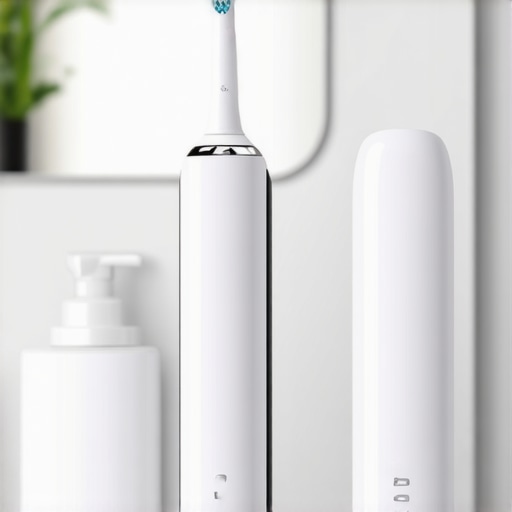
The transition from constant discomfort to a balanced oral environment didn’t happen overnight for me; it required a total overhaul of the tools I was using daily. I realized that my standard drug-store toothbrush was doing more harm than good in a low-saliva environment. I personally switched to a sonic toothbrush with a dedicated ‘sensitive’ mode and a real-time pressure sensor. The reason is technical: when you lack saliva, your gums lose their natural lubricant, making them more susceptible to mechanical trauma. By using a brush that literally stops vibrating when I push too hard, I stopped the cycle of chronic irritation that I used to blame on my ‘dryness.’ This is a core part of top 5 secrets to maintaining perfect oral health as a family—choosing gear that compensates for your biological gaps.
Upgrade to a Pressure-Sensitive Sonic Brush
I cannot stress enough how much a specific tool change matters. I use a brush that tracks my coverage via an app, ensuring I don’t over-brush the same dry spot repeatedly. For those of us struggling with moisture, maintaining oral health expert advice for a lifetime of healthy teeth often starts with these micro-adjustments. If you are still using a manual brush and have a dry mouth, you are likely applying three times the necessary force just to get that ‘clean’ feeling, which is a recipe for disaster. This is where smile bright revolutionary teeth cleaning techniques for 2025 come into play, focusing on gentle, high-frequency vibrations rather than abrasive scrubbing.
Why Air Polishing Beats Traditional Scraping
When I go in for my professional maintenance now, I specifically request Guided Biofilm Therapy (GBT) or air polishing. Traditional metal scalers can feel like a chisel on a dry tooth. Air polishing uses a fine stream of warmed water and erythritol powder to gently wash away biofilm without touching the tooth surface. This is one of the cosmetic dentistry innovations you cant miss this year because it keeps the enamel pristine while managing the bacterial load that dry mouths struggle to control. A 2022 review in the Journal of Oral Rehabilitation indicates that neurostimulation and specialized biofilm management are becoming the gold standard for patients with salivary gland hypofunction. Investing in these advanced cleanings is actually a financial win, as how regular dental cleanings can save you money in the long run by preventing the rampant decay associated with xerostomia.
How do I maintain my mouth’s moisture levels over time?
Maintenance is about consistency and biological cues. I’ve found that the ‘sip and circulate’ method works better than just gulping water. Every twenty minutes, I take a small sip and swish it around to hydrate the soft tissues. I also use a nightguard, not just for grinding, but to keep my mouth closed, which prevents that desert-like feeling in the morning. Looking ahead, I predict we will soon see smart-retainers equipped with pH sensors that alert your phone when your mouth becomes too acidic—a common side effect of dryness. This kind of tech will revolutionize how we handle long-term care. For now, my biggest tip is the ‘Xylitol Swap.’ Replace every single sugary snack or breath mint with a high-quality xylitol alternative for the next 14 days. You’ll notice the difference in your saliva’s ‘slickness’ almost immediately. Give it a try and see if your tongue finally stops feeling like sandpaper.
3 Saliva Secrets That Changed My Morning Routine
Reflecting on my journey from a parched mouth to a comfortable smile, I realized that I was looking at saliva all wrong. It isn’t just ‘mouth water’; it is a complex biological defense system containing immunoglobulins and minerals. One of the biggest oral health myths debunked what you need to know in 2025 is the idea that dry mouth is just a side effect you have to live with. It is actually a signal that your oral ecosystem is under siege. I also learned that preventive tips for long-lasting dental health for families should always include an airway assessment; if you are breathing through your mouth at night, no amount of hydration will save your gums. Lastly, I discovered that family dentistry isn’t just about fillings—it is about family dentistry building a foundation of healthy smiles for all ages by identifying these moisture-stealing habits early on.
The Dry Mouth Survival Kit I Actually Use
I have tested dozens of products, and these are the three that actually moved the needle for me. First, high-concentration xylitol melts are a must-have for nighttime comfort because they adhere to the gums and stimulate flow while you sleep. Second, a stainless steel tongue scraper is essential because it removes the ‘absorbent carpet’ of dead cells that makes dryness feel ten times worse. Finally, you need a professional biofilm reset. I recommend you contact us to schedule a specialized teeth cleaning session that uses air-polishing technology, which is much kinder to dry, sensitive tissues than traditional manual scraping. [image_placeholder]
Stop Drowning Yourself and Start Healing
It is time to put down the fourth gallon of water and start focusing on the biological reality of your oral health. Chronic dryness is an uphill battle, but it is one you can win by combining smart tools with professional guidance. Whether you are eventually looking into cosmetic dentistry innovations you cant miss this year to fix past enamel damage or just want to wake up without a sticky throat, the first step is consistency. Have you ever found a specific medication or habit that completely dried out your mouth? Let me know in the comments below.