
I remember standing on my porch last February, coffee in hand, watching the snow fall. It was beautiful until I took a breath of that crisp, 20-degree air. Instantly, my jaw locked up. I genuinely thought I’d cracked a molar on a piece of toast that morning. It was a miserable, throbbing sensation that didn’t go away until I retreated back inside to the heater. If you have ever felt that weird, sharp ‘freeze’ in your face the moment you step outside, you aren’t crazy, and you certainly aren’t alone. Today, I want to pull back the curtain on why our bodies react this way to the cold and give you a roadmap to finally finding some relief. Early on, I made the mistake of thinking this was just a fluke or a sign that I needed an urgent [teeth cleaning](https://gentlesmiledentist.com/the-ultimate-guide-to-teeth-cleaning-techniques-and-benefits) because my enamel was failing. I spent weeks worrying about a phantom cavity when the real culprit was simply the thermometer. By the end of this, you’ll understand the physiological connection between the frost and your face, and I’ll share the simple habit shifts that saved me from a winter of misery.
When the Temperature Drops, My Jaw Starts Screaming
The reality is that cold weather is a massive physical stressor. When we get cold, our natural instinct is to hunch our shoulders and clench our teeth to generate heat through shivering. This unconscious clenching puts an enormous amount of pressure on the temporomandibular joint. I found that my pain wasn’t just about my teeth; it was about the muscles in my face refusing to relax. It’s often hard to distinguish this from other issues, so it helps to know [how to tell if your jaw pain is from stress or a cavity](https://gentlesmiledentist.com/how-to-tell-if-your-jaw-pain-is-from-stress-or-a-cavity) before you start panicking like I did. Furthermore, the blood vessels in your gums and jaw can constrict in low temperatures, which reduces blood flow and can make existing sensitivities feel ten times worse. According to the American Dental Association, extreme temperature changes can even cause tiny expansions and contractions in your dental work, leading to that ‘zinging’ sensation. I realized that my [family dentistry](https://gentlesmiledentist.com/family-dentistry-building-a-foundation-of-healthy-smiles-for-all-ages) routine needed a seasonal adjustment. Once I started focusing on [the best way to soothe a sore jaw from teeth grinding](https://gentlesmiledentist.com/the-best-way-to-soothe-a-sore-jaw-from-teeth-grinding), the winter months became much more bearable.
Is this seasonal ache actually worth worrying about?
It is the question I asked myself every morning while reaching for the ibuprofen. You might worry that it’s a sign of a deeper structural failure or that you’re headed for expensive [cosmetic dentistry](https://gentlesmiledentist.com/transform-your-smile-the-impact-of-cosmetic-dentistry-in-2025) to fix a misaligned bite. While most winter jaw pain is muscular, ignoring it can lead to chronic TMJ issues. Have you noticed that your jaw clicking gets louder when the frost hits the windows? Let me know in the comments if you’ve felt that specific winter throb, because knowing your triggers is the first step to fixing them.
Stop the Shiver Before it Starts
The first thing I had to learn was that my jaw is like a delicate engine; if it gets too cold, the ‘oil’—the synovial fluid in the joint—doesn’t flow as smoothly. To combat this, you need to become a master of insulation. I remember one specific Tuesday afternoon when I spent three hours shoveling a heavy snowfall without a face mask. By the time I finished, my jaw was so locked that I couldn’t even open my mouth wide enough to eat a spoonful of warm soup. It was messy, painful, and entirely avoidable. Now, I never step outside without a high-quality buff or a heavy wool scarf wrapped specifically around my lower face to trap the warmth from my breath. This heat-trap keeps the blood vessels from constricting, which is the root cause of that deep, throbbing ache. If you find your gums are still reacting despite the warmth, it’s often a sign of underlying inflammation that a gentle teeth cleaning can resolve by removing irritants.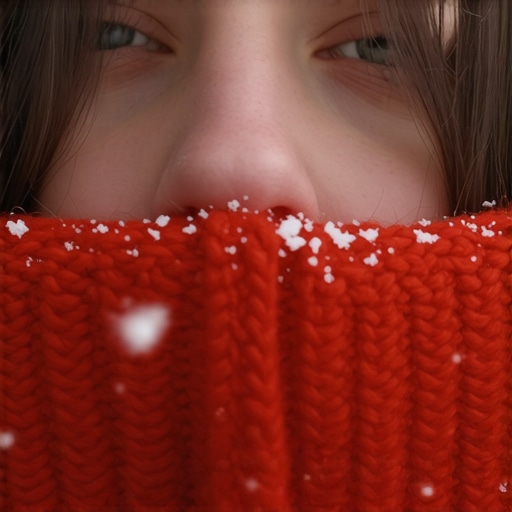
Keep Your Mouth in a Neutral Zone
Most of us are natural ‘clenchers’ the moment a gust of wind hits us. Think of your jaw like a metal spring; if you keep it compressed for your entire morning commute, it’s going to snap back with a vengeance once you get inside. I started practicing the ‘Lips Together, Teeth Apart’ technique. It sounds overly simple, but keeping a tiny, five-millimeter space between your upper and lower teeth—even when your lips are closed—prevents the massive muscle strain that leads to winter TMJ flare-ups. This is where how mindfulness helps you stay calm becomes a physical necessity. By checking in with your facial tension every fifteen minutes, you can consciously drop your shoulders and unstick your tongue from the roof of your mouth, breaking the cycle of tension.
Shield Your Enamel from Thermal Shock
When you transition from a 20-degree sidewalk into a 70-degree heated building, your teeth undergo a literal ‘thermal shock.’ The microscopic structures in your teeth expand and contract at different rates, which triggers the nerves. I noticed that using a desensitizing toothpaste acting as a ‘coat’ for my teeth during the winter months made a world of difference. This is a crucial part of maintaining oral health that most people ignore until the pain becomes unbearable. If the ache feels sharp and localized, it is worth checking if your dental work is the culprit; for example, knowing how to tell if your crown is too high for your bite can help you identify why one specific tooth is screaming in the cold.
Why a Custom Nightguard is Your Best Winter Ally
If you are grinding your teeth at night because your bedroom is chilly, you are waking up with a ‘pain debt’ before your day even begins. After months of waking up with a sore face, I finally invested in a custom-fitted guard. It acts as both a thermal insulator and a physical buffer against the pressure of clenching. It’s a foundational element of family dentistry that protects your teeth from fracturing under stress. Just make sure you follow the proper maintenance steps, such as knowing how to clean a nightguard without using harsh chemicals, to keep your oral environment healthy while you sleep.
Release Facial Tension with a Simple Massage
When my winter jaw pain used to turn into full-blown tension migraines, I discovered the power of the masseter massage. This is the thick muscle at the back of your jaw that does all the heavy lifting. Every night before bed, use two fingers to apply firm, circular pressure to that area for about two minutes. You might feel a few ‘crunchy’ spots—that’s the fascia releasing. Integrating this with family dentistry tips for daily care ensures that you aren’t carrying the day’s environmental stress into the next morning. It takes less time than brushing your teeth but offers massive relief when the temperature drops.While releasing the masseter muscle provides immediate relief, we need to address the elephant in the room: why so many of us stop prioritizing our dental visits when the weather gets harsh. Most people view a professional cleaning as an aesthetic chore for the warmer months, but that is a mistake that often leads to expensive rescue missions later. Let’s dig deeper into the nuances of oral health myths busted: what every family should know. A common contrarian view I hold is that seasonal sensitivity isn’t a red light to stay home; it is actually a green light to get a professional evaluation before the cold causes structural damage.
Why Sensitivity Isn’t a Reason to Cancel Your Cleaning
One of the biggest ‘Oops’ factors I see every winter involves people trying to self-treat yellowing teeth with harsh, abrasive charcoal powders or DIY kits. They notice their teeth looking dull under the grey winter sky and attempt to scrub away the dinginess. However, if your enamel is already contracting due to thermal shock from the cold, these abrasives act like sandpaper on a freezing windshield. This is a primary reason your teeth look yellow even though you brush twice daily—you are likely thinning the protective layer and exposing the darker dentin underneath.
Does your jaw pain hide a deeper issue with your bite?
Many advanced readers ask if their winter throb is just environmental or a sign of a deeper structural failure. While the cold is an undeniable catalyst, it often simply unmasks an existing misalignment or a micro-fracture. According to a study published in the Journal of Periodontology, chronic low-grade inflammation in the gums can actually sensitize the nerve endings throughout the jaw, making environmental triggers like a 20-degree wind feel significantly more intense than they actually are. If you feel a strange sensation after a visit, understanding why your gums feel itchy after a deep dental cleaning can help you distinguish between a healthy healing response and a chronic inflammatory issue. 
The Cost of Playing the Waiting Game
Investing in a gentle teeth cleaning during the winter months ensures that bacterial plaque doesn’t provide a foothold for inflammation to take root when your immune system is already taxed. Furthermore, seeing how regular dental cleanings can save you money in the long run should be the ultimate motivation to brave the snow. When we wait until the pain is unbearable, we transition from preventive care into the world of emergency restorations. Have you ever fallen into this trap of thinking sensitivity meant you should stay away from the dental chair? Let me know in the comments.
Why a Standard Toothbrush is My Winter Enemy
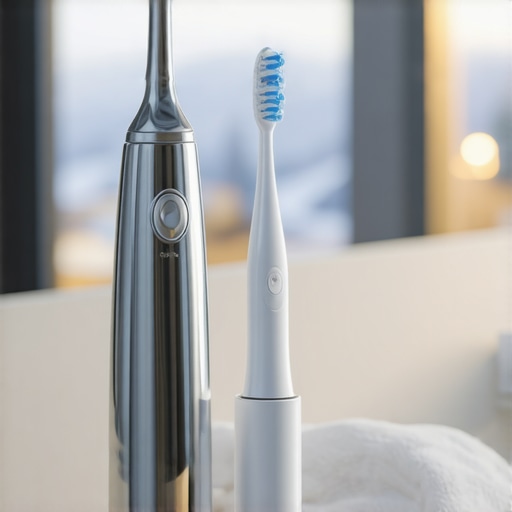
When my jaw is already tight from the cold, the last thing I need is a manual toothbrush that I’m prone to gripping like a sledgehammer. I switched to an electric model with a built-in pressure sensor specifically because it forces me to be gentle. If you’re clenching all day, you likely have micro-inflammation in your gums, and scrubbing too hard is like rubbing salt in a wound. I’ve found that how to choose the right toothbrush bristle strength for your gums is the single most underrated piece of advice for winter oral care. I personally use a brush with a dedicated sensitive mode because it reduces the oscillation speed, preventing that ‘zing’ you get when your enamel is cold-sensitive. This isn’t just about comfort; it’s about preserving the integrity of your enamel when it’s at its most vulnerable due to thermal contraction and expansion.
How do I maintain a pain-free jaw when the forecast says sub-zero?
Long-term maintenance isn’t about one-off fixes; it’s about the top 5 secrets to maintaining perfect oral health as a family that scale over years. For me, that meant adding a water flosser to the mix. Warm water in the reservoir—not cold—is my secret weapon. It flushes out debris without the thermal shock of tap water. I’ve noticed the benefits of using a water flosser for patients with gum disease are equally applicable to anyone with cold-induced sensitivity. It keeps the gum line clean without the abrasive friction of string floss against sore tissues. When I started doing this, the ‘thumping’ sensation in my gums during my morning walk completely vanished. It’s a low-effort, high-reward habit that prevents seasonal inflammation from turning into a permanent problem.
The High-Tech Future of Your Bite
I genuinely believe we are moving toward a world where our nightguards will do more than just protect against grinding. According to industry expert Dr. Gordon Christensen, the next decade will see the rise of bio-sensor integrated splints that track jaw muscle activity and send data to your phone. Imagine getting a notification at 3:00 PM saying, ‘Your jaw tension is at 80%, take a deep breath.’ Until those cosmetic dentistry innovations you can’t miss this year become mainstream, we have to rely on proactive habits. This is the core of maintaining oral health: using the tools we have today to prevent the structural failures of tomorrow. Consistency with family dentistry tips that make oral care effortless and effective ensures you aren’t playing catch-up when the seasons change. Furthermore, preventing minor winter issues now avoids the need for more invasive transforming your smile with cosmetic dentistry in 2025. If you haven’t yet, try the ‘thermal scarf’ trick I mentioned earlier combined with a warm-water flossing routine tonight; your jaw will thank you when the sun comes up tomorrow.
The Most Expensive Mistake I Made During a Freeze
For years, I thought that winter sensitivity was just a price of admission for living in a cold climate. I assumed that if my teeth hurt when the wind blew, I should simply stay indoors and wait for April. That was my biggest error. By retreating instead of investigating, I missed the fact that my cold-induced clenching was actually wearing down my enamel. Learning oral health myths debunked: what you need to know in 2025 taught me that pain is never normal, even in sub-zero temperatures. It is a biological alarm bell telling you that your protective barriers—either your enamel or your habits—need a tune-up.
- Physical cold is a stressor that mimics dental decay in how it triggers nerves.
- Seasonal clenching can lead to permanent TMJ misalignment if not addressed with a nightguard.
- Avoiding the dentist in winter often leads to much more complex issues come spring.
Tools to Keep Your Smile Warm
If you want to survive the next frost without a throbbing face, you need more than just a heavy coat. My personal winter toolkit involves a few specific shifts in my routine. First, I transitioned to using warm water in my reservoir; the relief of the benefits of using a water flosser for patients with gum disease is doubled when you aren’t hitting your nerves with ice-cold tap water. I also prioritize preventive tips for long-lasting dental health for families by ensuring everyone in the house has a scarf that covers the lower half of the face to maintain a micro-climate of warmth for the jaw. Finally, I never skip my mid-winter checkup, because how regular teeth cleaning can prevent major dental issues is the only way to catch micro-fractures before the cold makes them split.
#IMAGE_PLACEHOLDER_E#
Step Into the Cold With Confidence
You don’t have to spend the next three months wincing every time you step out the door. By mastering the lips together, teeth apart posture and keeping your facial muscles warm, you can enjoy the beauty of a snowy day without the physical debt of a sore jaw. Your oral health is a year-round commitment, and giving it a little extra love during the cold months will pay dividends in comfort and confidence. Don’t let a drop in temperature steal your smile.
Have you ever noticed your jaw clicking more often when it gets cold outside? Let me know in the comments below!