
I stood in the bathroom, sweat beads forming on my forehead, watching my six-year-old treat his toothbrush like it was made of lava. He gave his front teeth one half-hearted swipe, shouted “done!” and vanished before I could even blink. For months, our nightly routine felt like a high-stakes negotiation where I was always the one losing. I had tried the “the dentist will be mad” threats and the sad-looking sticker charts, but nothing stuck. It was a visceral failure that left me worried about his future oral health and my own sanity. I finally realized that my approach was the problem—I was making it a chore instead of a challenge.
The Night I Finally Stopped Fighting the Toothbrush War
Getting a wiggly kid to stand still for 120 seconds feels like trying to herd cats through a car wash. It is exhausting, loud, and usually ends with someone in tears. However, those two minutes are the non-negotiable baseline for preventing the kind of decay that leads to early family dentistry interventions. I used to think a quick “once over” was fine, but a professional teeth cleaning revealed the hidden plaque we were leaving behind. I am going to show you how to flip the script today so you can stop being the brushing police and start seeing real results. Have you ever felt like you needed a degree in hostage negotiation just to get your child to spit out their toothpaste?
Is two minutes really a magic number or just a suggestion?
It is easy to be skeptical. You might wonder if 90 seconds is “close enough” for a toddler’s tiny mouth. I certainly did. But the science is pretty clear: research published in the Journal of Dental Hygiene indicates that brushing for a full two minutes removes significantly more plaque than shorter sessions. Early on, I made the mistake of focusing on how hard he brushed rather than how long, which only led to irritated gums. We needed a system that prioritized time without making it feel like a prison sentence. By using effortless dental care tips, we finally found a rhythm that worked for our family, and I am confident these tweaks will save your evening routine too.
Stop the struggle by making the bathroom a playground
To get a child engaged, you have to treat the toothbrush like a magic wand rather than a cleaning tool. I realized that my son viewed the bathroom as a place where fun goes to die, so we rebranded it. We started using family dental care hacks to keep your kids smiling daily, turning the vanity into a ‘dental cockpit.’ I bought a sand timer with neon blue sand, and suddenly, he wasn’t fighting me; he was racing the grains of glass. When you stop being the enforcer and start being the co-pilot, the resistance melts away. We also integrated ‘Toothbrush DJ’ night, where he gets to pick one 120-second song. The physical movement of dancing while brushing actually helps reach different angles of the mouth that are often missed when they are standing rigid and miserable. 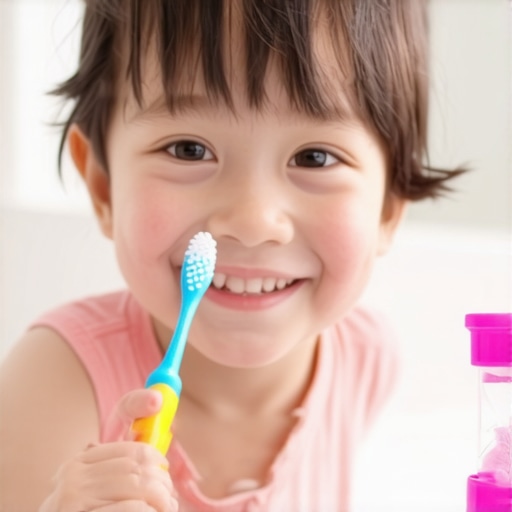
How to handle the biting and the toothbrush refusal
One of the biggest hurdles we faced was the ‘death grip’ where he would just clamp his teeth shut. If you are struggling with this, you need to know how to get your toddler to stop biting the toothbrush. I found that if I gave him a second ‘decoy’ brush to hold while I used the real one, he felt in control. This tactile distraction is like giving a toddler a steering wheel in a grocery cart. It keeps their hands busy while you focus on the top 5 secrets to maintaining perfect oral health as a family, which includes reaching those back molars where most cavities hide.
Why the angle of the brush matters more than you think
Most parents scrub back and forth like they are cleaning a grout line, but that is a recipe for irritated gums. Instead, think of the toothbrush as a gentle broom. You want to tilt the bristles at a 45-degree angle toward the gum line. I used the ‘tickle the teeth’ analogy with my son. We did small, circular ‘massages’ rather than aggressive horizontal swipes. This technique ensures you are sweeping away the plaque without wearing down the delicate enamel. If your child has a strong gag reflex or sensitive areas, choosing the right equipment is vital; learning how to choose the right toothbrush bristle strength for your gums can make the difference between a painful experience and a comfortable one.
Teach the art of the perfect spit
Brushing is only half the battle; the cleanup is where many kids get frustrated. Early on, my son would either swallow the toothpaste or let it dribble down his chin, which led to a sticky mess and a grumpy toddler. I spent a Saturday morning focusing specifically on how to teach a toddler to spit out their toothpaste using a ‘target’ in the sink (a small suction-cup toy). We turned it into a game of ‘aim and fire.’ Not only did this keep him from ingesting too much fluoride, but it also made him feel like he had mastered a ‘big kid’ skill. Implementing these preventive tips for long-lasting dental health for families might feel like extra work now, but it is an investment. I remember a specific Tuesday when he actually asked to brush his teeth because he wanted to ‘beat the blue sand.’ That was the moment I knew our days of hostage negotiation were finally over, and I could stop worrying about how regular dental cleanings can save you money in the long run because we were finally doing the work at home.Despite our best efforts to master the nightly routine, most of us are still falling for some surprisingly common traps that actually undermine our hard work. For years, I thought that the moment my son finished a glass of orange juice or a bowl of berries, I needed to rush him to the sink to scrub away the sugar. I was wrong. In fact, brushing immediately after consuming acidic foods or drinks is one of the biggest ‘oops’ factors in modern dental care. According to the American Dental Association, acid weakens the enamel, and if you brush while it is in this softened state, you are essentially scrubbing the protective layer right off your teeth. Instead of protecting his smile, I was contributing to the very enamel wear I feared.
Why your post-breakfast brush is doing more harm than good
Waiting at least thirty to sixty minutes after a meal allows your saliva to naturally neutralize the acid and remineralize the enamel. This nuance is something many oral health myths fail to mention, leading families to accidentally damage their teeth in the name of hygiene. If you can’t wait, rinsing with plain water is a far safer way to clear debris without the abrasive action of a brush. We transitioned to this ‘rinse-first, brush-later’ rule, and it significantly reduced the sensitivity my son was experiencing. Have you ever fallen into this trap of rushing to the toothbrush too soon? Let me know in the comments.
Can you actually whiten teeth that have naturally thin enamel?
This is a question I get often because many parents notice their own teeth looking yellow despite obsessive brushing. The reality is that the yellow you see might not be a stain at all, but rather the dentin showing through worn-down enamel. If you try to use aggressive whitening strips in this scenario, you risk severe nerve pain and further recession. For those with this concern, the safest way to whiten teeth if you have thin enamel often involves professional supervision rather than over-the-counter kits. 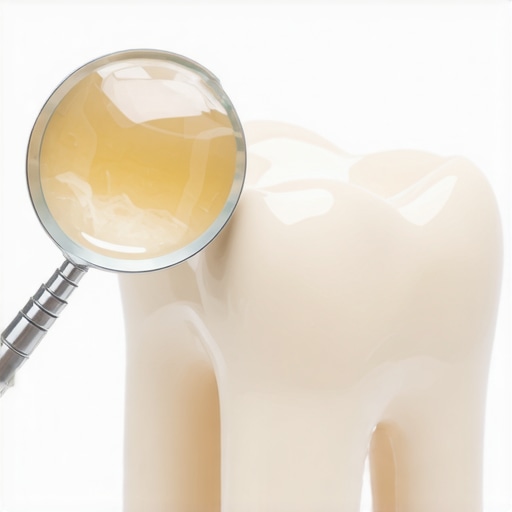
The dangerous trap of the ‘white equals healthy’ myth
We are bombarded with images of blindingly white smiles, but cosmetic brilliance doesn’t always correlate with structural health. I’ve seen people prioritize cosmetic dentistry innovations while ignoring underlying issues like gum inflammation. A tooth can be perfectly white and still be loose because of undetected bone loss. This is why how regular teeth cleaning can prevent major dental issues is so critical—it’s about the foundation, not just the facade. When we shifted our family focus from ‘how white are they’ to ‘how strong are they,’ our visits for family dentistry became much more positive.
Don’t let aggressive cleaning ruin your progress
Another common mistake is the belief that ‘deep cleaning’ at home requires more pressure. If you are using a hard-bristled brush, you are likely causing receding gums. The goal of brushing is to disrupt a soft film of bacteria, not to scrape off barnacles from a ship. Switching to gentle teeth cleaning best practices saved my own gum line from further damage. It’s these small, expert-level adjustments—waiting after meals, choosing the right bristle strength, and focusing on health over aesthetics—that truly build long-term oral health.
The specific gear that actually changed our mornings
After years of trial and error, I stopped buying the cheapest four-pack of manual brushes and invested in tools that do the heavy lifting for us. For my son, the game-changer was an electric toothbrush with a built-in pressure sensor. I personally use one because I realized I was still ‘scrubbing’ far too hard. These devices aren’t just gadgets; they provide immediate haptic feedback. If you press too hard, the light turns red, teaching you in real-time to back off. This is one of those family dentistry tips that make oral care effortless and effective because it removes the guesswork. We also introduced a water flosser into the mix. If your kids hate traditional floss as much as mine did, a water flosser feels like a tiny power washer for your mouth, and it’s far more engaging. By focusing on these teeth cleaning secrets to achieve a bright smile in under 30 minutes a week, we’ve seen a massive decrease in the ‘puffy gum’ look during our checkups. A 2021 systematic review in the Cochrane Database of Systematic Reviews specifically noted that powered toothbrushes provide a statistically significant reduction in plaque and gingivitis compared to manual brushing over both the short and long term. This evidence gave me the peace of mind that the investment was worth it for my family’s long-term oral health. 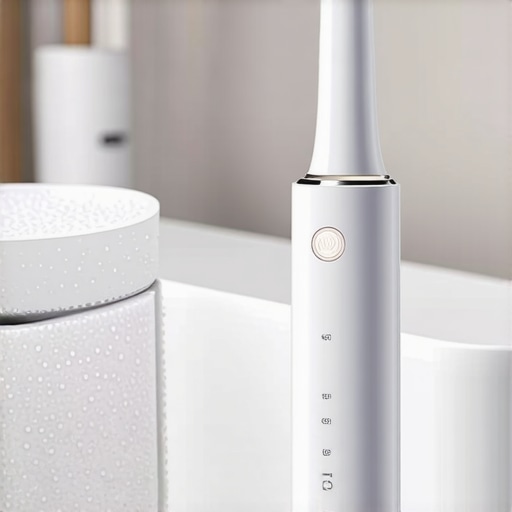
How do I maintain this dental momentum over the next decade?
The secret isn’t intensity; it’s consistency and early intervention. We’ve started viewing our biannual visits not as a chore, but as a strategic ‘reset.’ Seeing the hygienist regularly is vital because how regular teeth cleaning can prevent major dental issues is a lesson you don’t want to learn the hard way through an expensive root canal. For those of us interested in the aesthetic side, staying on top of maintenance also means how to maintain your porcelain veneers so they last twenty years or keeping your natural enamel strong enough for future cosmetic dentistry trends that transform your smile this year. I predict that in the next few years, we’ll see smart toothbrushes that analyze your saliva in real-time to alert you to pH imbalances before a cavity even forms. This shift toward ‘predictive’ dental care will make our current struggles feel like the Stone Age. For now, focus on the ‘red light’ test: if your electric brush tells you you’re pressing too hard, listen to it immediately. I challenge you to switch to a soft-bristled electric head tonight and see how much less ‘scraped’ your mouth feels. Using these family dental care hacks to keep your kids smiling daily is the best way to ensure you’re investing in a future where how regular dental cleanings can save you money in the long run becomes your reality.
The tiny shifts that turned my dental dread into a win
Reflecting on those years of toothbrush battles, I realized that my biggest mistake was viewing oral hygiene as a task to be finished rather than a habit to be nurtured. I have learned that children often mirror our own anxiety; if we approach the sink with stress, they will meet us with resistance. One of the most significant oral health myths busted what every family should know is that you have to be perfect every single night. In reality, it is the 90% consistency that saves the enamel, not the 10% perfection. I also discovered that “gentle” is always more effective than “thorough” when it comes to young gums. If you see blood, it is a signal to adjust your technique, not to stop entirely.
My personal shortlist for a healthier mouth
I do not believe in over-complicating things, but these tools changed our family trajectory. First, a high-quality electric brush with a pressure sensor is non-negotiable for preventing over-scrubbing. Second, for those with kids who find the sensation overwhelming, I recommend exploring specialized tools for how to clean your childs teeth when they have sensory processing issues. These brushes are softer and less invasive. Finally, I swear by a simple pH-balancing mouth rinse for after-school snacks when a full brush is not possible. These small investments lead to smile bright revolutionary teeth cleaning techniques for 2025 that actually fit into a busy lifestyle.
#IMAGE_PLACEHOLDER_E#
Build a legacy of strong smiles today
Transforming your routine from a battleground into a bonding moment is the best gift you can give your family’s future. It is not just about avoiding cavities; it is about enhancing confidence with cosmetic dentistry what to expect in later years by starting with a healthy foundation now. You have the tools and the knowledge to make tonight different and prioritize long-term oral health. Your children will thank you for the healthy habits you are building today. Have you ever tried the “decoy toothbrush” trick or found another way to stop the biting? Let me know your best strategies below.