
I once woke up at 3 AM convinced that my back molar was staging a full-scale rebellion. The pain was deep, rhythmic, and honestly, a bit terrifying. I was already mentally calculating the cost of an emergency crown and rehearsing my plea for the strongest numbing agent available. But here is the kicker: my tooth was perfectly fine. It turned out I had a massive sinus infection that was playing a cruel trick on my facial nerves. If you have ever felt that heavy, throbbing pressure in your upper jaw and wondered if you are heading for a root canal, take a breath. You are not losing your mind, and you might not even need a drill. Today, I am going to help you figure out why your teeth ache when you have a sinus infection and how to tell if the problem is in your gums or your nose.
Stop Bracing for an Extraction Until You Check Your Nose
The mistake I made back then was simple: I focused entirely on the pain in my mouth. I spent hours icing my jaw, which actually made the sinus pressure feel sharper and more localized. I should have been looking for a steam bowl, not an ice pack. When you are dealing with a dull ache that wakes you up at night, your first instinct is dental trauma. However, the anatomy of your face is a crowded neighborhood. According to the American Academy of Otolaryngology, the roots of your upper teeth sit incredibly close to your maxillary sinuses—sometimes separated by nothing more than a paper-thin layer of bone. When those sinus cavities get inflamed and fill with fluid, they press directly onto the nerves of your teeth. It is essentially a biological case of mistaken identity. Have you ever rushed to the dentist only to be told your x-rays are spotless? It is an incredibly frustrating experience that I want to help you avoid.
Could this just be an excuse to avoid the dentist?
I get the skepticism. It feels like a reach to blame a toothache on a cold, especially when the pain is so visceral. You might worry that by waiting to see if it is ‘just a sinus thing,’ you are letting a cavity rot through to the bone. But there are specific ‘telltale’ signs. For instance, if your pain changes when you lean forward or jump, that is a classic sinus red flag. We often see people wonder why their teeth hurt when they run or jump, and almost always, it is the sloshing of fluid in the sinus cavities rather than a loose filling. Before you panic, check for other symptoms like nasal congestion or a diminished sense of smell. Trust me, knowing the difference can save you a lot of unnecessary anxiety and a very confused dental bill. We are going to dive into the specific tests you can do at home to narrow this down right now.
Let Gravity Do the Diagnostic Heavy Lifting
The first thing you need to do is get moving. I call this the ‘Active Assessment.’ If you are sitting still and your tooth hurts, it is easy to assume the worst. But I want you to stand up and lean over as if you are touching your toes. If that dull throb suddenly feels like an anvil dropping onto your jaw, it is almost certainly your sinuses. I remember leaning over to tie my work boots during my 3 AM scare, and the spike in pressure was so intense I nearly fell over. This happens because of the physical weight of fluid shifting within the maxillary cavity. Understanding why your teeth hurt when you run or jump is the first step to avoiding an unnecessary emergency appointment. If the pain is stagnant and does not change with your body’s position, then it is more likely time to look at dental-specific issues.
Why One Tooth Pain Does Not Always Mean a Cavity
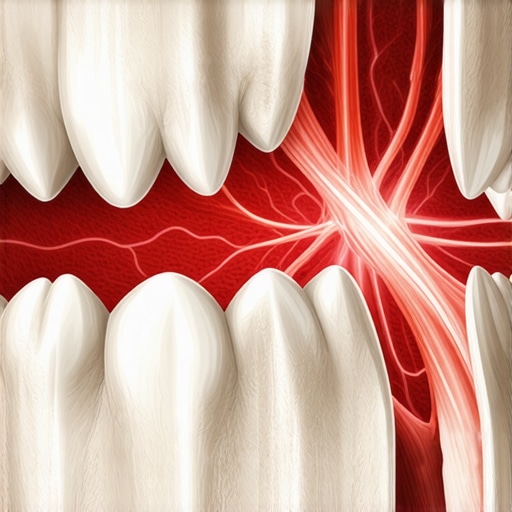
Next, we need to apply the ‘Single vs. Multiple’ rule. A cavity or an abscess is usually a specialist; it picks one tooth and makes that specific spot miserable. Sinus pressure, however, is a generalist. Because the sinus cavity sits over the entire neighborhood of your upper molars, the inflammation often makes three or four teeth ache simultaneously. I once spoke with a patient who was terrified they needed to know the difference between a root canal and a standard filling because their entire right side was throbbing. After a quick tap test on the teeth, we realized it was not the enamel that was the problem, but the ‘floor’ of the sinus pressing down on the nerves. If you can’t point to one single tooth with your finger, you are likely looking at a respiratory issue.
The Finger Tap Test for Instant Feedback
You can perform a modified clinical test right at your kitchen table. Gently tap the chewing surface of the suspected teeth with the end of a toothbrush or your fingernail. If a tooth has a deep cavity or an infection at the root, a sharp, localized ‘zing’ will usually shoot through that specific tooth. If it is a sinus issue, the teeth will feel tender or ‘full,’ but you won’t get that lightning-bolt reaction. This is often part of maintaining oral health and following expert advice because it prevents you from obsessively poking at a healthy tooth and causing gum irritation. If the tap test is inconclusive, look for secondary signs like a diminished sense of smell or a persistent cough, which rarely accompany a standard toothache.
Drown Out the Pressure While You Wait for Relief
If you have determined it is likely your nose and not your nerves, you need to change your strategy. Instead of reaching for the numbing gel, focus on decongestion. Use a humidifier, take a hot shower, or try a saline rinse. When I finally cleared my own sinus blockage, the ‘tooth pain’ vanished in under twenty minutes. It was a massive relief, but it also taught me that the fast way to soothe a sore tooth on a Sunday might not involve the medicine cabinet at all, but rather the bathroom steamer. If the pain persists even after your nasal passages clear, or if you notice a foul taste in your mouth, that is when you should definitely reach out to a professional to rule out a hidden crack or a failing seal on an old restoration.
I have seen so many patients walk in with what they think is perfect hygiene—brushing three times a day and using heavy-duty mouthwash—only to find their gums are retreating in terror. This is the ultimate oops factor in modern oral care. We have been conditioned to think that more force equals more clean, but you are not scrubbing a cast-iron skillet. You are maintaining a delicate biological ecosystem. If you are not careful, you will end up wondering why your gums recede even if you have good habits. It is usually because of that aggressive, type-A brushing style that wears down the very foundation of your smile. Most people believe that the key to a white smile is abrasive scrubbing, but I have found that how regular teeth cleaning can prevent major dental issues has less to do with elbow grease and more to do with chemistry. If you use a heavy hand, you are likely to discover why your gums recede faster if you use a hard-bristled brush. It is a common trap: thinking that high-intensity cleaning replaces professional oversight. In reality, you are just thinning your enamel and making yourself more vulnerable to sensitivity.
Does your mouth’s acidity matter more than your brushing schedule?
This is the question that separates the beginners from the experts. You can brush five times a day, but if your saliva pH remains acidic, your enamel is essentially sitting in a slow-motion acid bath. A study published in the Journal of the American Dental Association (JADA) confirms that the critical pH for enamel demineralization is approximately 5.5. When your mouth stays below this threshold due to diet or chronic dry mouth, no amount of brushing will save you from cavities. This is why oral health myths debunked in recent years focus so much on systemic health and salivary flow rather than just the manual toothbrush. It is also the reason your teeth look yellow even though you brush twice daily—the white enamel is thinning, and the yellowish dentin underneath is starting to peek through because of chemical erosion, not lack of hygiene.
Why cosmetic dentistry isn’t just a vanity project
I often hear people dismiss aesthetic procedures as unnecessary or superficial. However, advanced contouring and veneers are often used to restore the structural integrity of teeth that have been worn down by years of grinding or acid reflux. It is about function as much as form. When you restore the original height and shape of a tooth, you are actually protecting your jaw alignment and preventing future muscle pain or even migraines. When it comes to your household, the biggest mistake is waiting for a visible hole. Using family dentistry tips that make oral care effortless involves early intervention and habit-building before the first permanent molar even appears. Have you ever fallen into this trap? Let me know in the comments. Before you commit to any major change, make sure you understand how to choose the right toothbrush bristle strength for your gums to protect the healthy smile you have left.
Moving from the diagnosis of a sinus ache to the daily grind of maintenance is where most people lose momentum. I’ve found that the difference between someone who needs a new filling every two years and someone who stays ‘drill-free’ for a decade isn’t just luck; it is their toolkit. I personally stopped using manual brushes years ago after seeing the data on pressure-sensitive electric models. If you are serious about maintaining oral health and expert advice, you need a brush that vibrates at least 30,000 strokes per minute but stops immediately if you push too hard. This is the only way to avoid the ‘scrubbing’ damage we discussed earlier and prevent discovering why your gums recede faster if you use a hard-bristled brush firsthand.
The Gear That Actually Makes a Difference in My Routine
I get asked constantly if water flossers are a gimmick. My answer is always: not if you use them to deliver therapeutic rinses. I use mine with a capful of non-alcoholic, pH-balanced mouthwash. This reaches the sub-gingival areas that traditional string floss simply cannot touch. When you look at the ultimate guide to teeth cleaning techniques and benefits, you see that mechanical biofilm disruption is only half the battle; the other half is chemical management. In our clinic, how we use digital scanners to avoid messy dental molds has revolutionized how we track wear and tear. By comparing 3D scans from two years ago to today, we can see exactly where you are grinding down your enamel before you even feel a sensitivity spike.
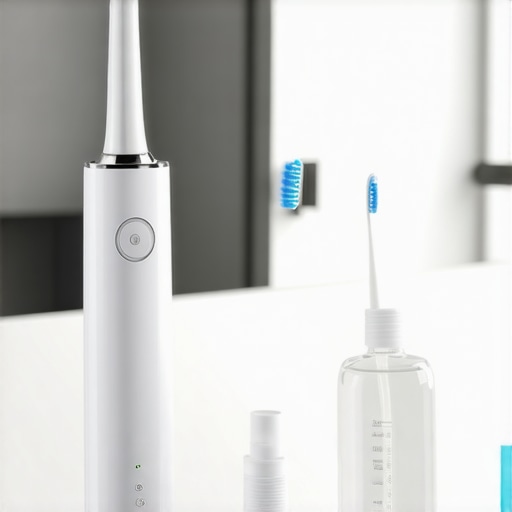
Specific research in the Journal of Clinical Periodontology highlights that patients using oscillating-rotating electric toothbrushes saw a 20% reduction in plaque compared to those using sonic technology over a long-term period. This level of specificity matters when you are trying to protect an investment like contouring and veneers. If you are spending money on your smile, you cannot treat your aftercare like an afterthought. I predict that within the next three years, we will see smart-brushes equipped with saliva-sensing biosensors that alert your smartphone when your mouth’s acidity is too high, allowing you to neutralize it before damage occurs.
How do I keep my dental work looking brand new for decades?
The secret isn’t just more cleaning; it’s smarter protection. If you have crowns or bridges, you must realize that the margin where the porcelain meets your natural tooth is the most vulnerable ‘seam’ in your mouth. I recommend using interdental brushes—tiny little ‘tree’ brushes—to clean these gaps. They are far more effective than floss for bridge maintenance and are essential for preventive tips for long-lasting dental health for families. Also, if you’ve had whitening, you need to understand the reason your coffee stains are harder to remove than others often comes down to the microscopic texture of your enamel. To keep it smooth, avoid abrasive ‘whitening’ toothpastes which are essentially liquid sandpaper and instead use a fluoride-rich paste that remineralizes the surface.
If you want to take your routine to the next level, start practicing the ‘pH Reset.’ After you drink anything acidic like coffee or soda, don’t brush immediately—that actually rubs the acid into your enamel. Instead, rinse with plain water or a pinch of baking soda dissolved in water. This immediately brings your mouth back to a neutral state. This simple, free habit is more effective than the most expensive ‘whitening’ gimmick on the market. Give it a try for one week; you will notice your teeth feel ‘slicker’ and less sensitive almost immediately.
I have spent a lifetime looking into people’s mouths, and if there is one thing I have learned, it is that the body rarely works in silos. What feels like a dental emergency is often a cry for help from a different system entirely. To wrap this up, I want to leave you with some high-level insights that usually only come after years of clinical observation and personal trial-and-error.
What Years of Practice Taught Me About Chasing the Wrong Pain
I have realized that dental health is a complex puzzle, not just a simple checklist. For a long time, I thought that scrubbing harder was a badge of honor, but the real ‘lightbulb moment’ came when I understood that the oral environment matters significantly more than raw effort. For example, if you are breathing through your mouth while sleeping, your saliva dries up, leaving your enamel defenseless against acid. I always suggest patients look into the impact of nighttime mouth breathing on your teeth to see how these systemic factors can outweigh manual brushing. Furthermore, many aches that feel like deep decay are actually manifestations of the connection between stress and your worn-down molars. When we clench during the day or night, we create micro-trauma that mimics the rhythmic throb of a sinus infection.
The Dental Toolkit I Use to Keep the Drill at Bay
I don’t just rely on standard drug-store items; I look for tools that manage chemistry as much as plaque. I personally trust pH-testing strips to check my mouth’s acidity after meals—it is a game changer for knowing exactly when it is safe to brush without causing erosion. I also swear by interdental ‘tree’ brushes, which are much more effective at cleaning the margins of crowns than traditional floss. If you are trying to overhaul your household routine, the top 5 secrets to maintaining perfect oral health as a family provides a professional roadmap for building habits that actually last. For those interested in the bigger picture, exploring transform your smile the impact of cosmetic dentistry in 2025 will show you how modern technology is making long-term preservation easier and more predictable than ever before.
Take a Breath and Trust the Process
Your dental journey should be defined by proactive care rather than fear of the next x-ray. By learning the subtle nuances of your body—like exactly why your teeth ache when you have a sinus infection—you regain control over your well-being. Don’t be afraid to challenge the ‘old school’ ways of thinking. I highly recommend looking at oral health myths busted to ensure your daily habits are truly serving your smile. Remember, a healthy mouth is a neutral mouth. Have you ever had a toothache that turned out to be a sinus issue or stress-related clenching? Let me know in the comments below!