
I used to treat my morning dental routine like I was trying to strip old paint off a fence. I’d grab those ‘Firm’ bristles, go to town on my molars, and walk away feeling like a champion of hygiene. But then, the sensitivity started. A splash of cold water felt like a lightning bolt hitting my jaw. It turns out, I was committing a classic mistake in maintaining oral health by choosing a brush that was way too aggressive for my own good. I learned the hard way that why your gums recede faster if you use a hard-bristled brush isn’t just a theory—it’s a painful reality for many of us who think harder is better. Today, I want to help you avoid the ‘wire brush’ trap and find the sweet spot that keeps your enamel intact and your gums happy. [image1]
Stop Treating Your Mouth Like a Construction Site
When I first started focusing on gentle teeth cleaning, I felt like I wasn’t doing enough. It felt too easy, almost like I was just tickling my teeth. But here is the reality: your gums are delicate living tissue, not a garage floor. I remember sitting in the dentist’s chair, expecting a gold star for my ‘vigorous’ scrubbing habits, only to have them explain that I was actually brushing my gums away. It was a massive wake-up call for me. According to the American Dental Association, soft-bristled brushes are actually the gold standard because they effectively remove plaque while minimizing the risk of gingival abrasion. I spent years thinking the ‘Medium’ setting was the safe middle ground, but I was actually carving tiny, invisible grooves into my teeth. If you have ever looked in the mirror and felt like your teeth look ‘longer’ than they used to, you might be an over-scrubber too. Have you ever felt like you have to ‘feel the burn’ for your mouth to be truly clean? It’s a dangerous habit that we need to break together. This change in mindset is a huge part of family dentistry tips that can save your kids from the same mistakes I made. We often assume more force equals more hygiene, but in the world of oral health, finesse beats force every single time.
Does a Soft Bristle Really Clean as Well?
I get it. You’re worried that if the bristles aren’t stiff, they won’t reach the gunk hiding between your teeth or the coffee stains on the surface. I had that exact same fear. I thought a soft brush was basically a cosmetic toy. But the science behind teeth cleaning techniques shows that flexibility is actually your best friend. A soft bristle can bend and reach under the gumline and into tight spaces far better than a rigid, hard bristle can. It’s the difference between using a stiff broom on a corner and using a flexible microfiber cloth—the cloth just hugs the surface better. If you are already struggling with sensitivity, finding the best toothbrush texture for people with receding gums is the first step toward stopping the damage before it requires surgery. Trust me, your future self and your wallet will thank you for making the switch to a softer touch. By the end of this guide, you’ll know exactly which bristle type to grab next time you’re standing in that overwhelming toothbrush aisle at the pharmacy.
Ditch the Power Scrub for a Precise Polish
The biggest hurdle I faced when switching to a soft brush wasn’t the bristles themselves; it was my own hand. I was so used to a high-pressure grip that I had to completely relearn my mechanics. Think of your teeth like a piece of fine jewelry rather than a hubcap. You wouldn’t take a steel wool pad to a diamond ring, would you? The goal of teeth cleaning secrets isn’t to grind the surface down but to gently sweep away the biofilm known as plaque. I spent years thinking that if I didn’t see white foam flying everywhere, I wasn’t doing my job. In reality, that aggressive friction was just a shortcut to sensitivity. To get it right, you need to focus on technique over raw power.
Lighten Your Grip to Save Your Enamel
I remember the exact morning I decided to change my ways. My gums were sore, and I realized why your gums throb after brushing too vigorously was a question I was asking myself far too often. I tried a simple trick my hygienist suggested: the ‘two-finger grip.’ Instead of clenching the toothbrush in my fist like a weapon, I held it between my thumb and index finger. It felt incredibly awkward at first, and I almost dropped the brush into the sink twice, but it forced me to use light, circular motions. This small shift ensures you aren’t applying more than a few ounces of pressure, which is all you need to disrupt plaque without harming your protective enamel layer.
Angle Your Way into Hidden Crevices
If you just brush flat against the face of your teeth, you’re missing the most important part—the gum line. This is where most of us fail in maintaining oral health. You need to tilt your brush at a 45-degree angle toward the gums. This allows those flexible soft bristles to slide just slightly underneath the tissue, cleaning out the pockets where bacteria love to hide. It’s like using a soft-bristled detail brush on a car’s dashboard vents; the flexibility is what gets into the gaps. When I mastered this angle, I stopped seeing that annoying red tint in the sink. It was proof that teeth cleaning techniques based on finesse are far more effective than brute force. 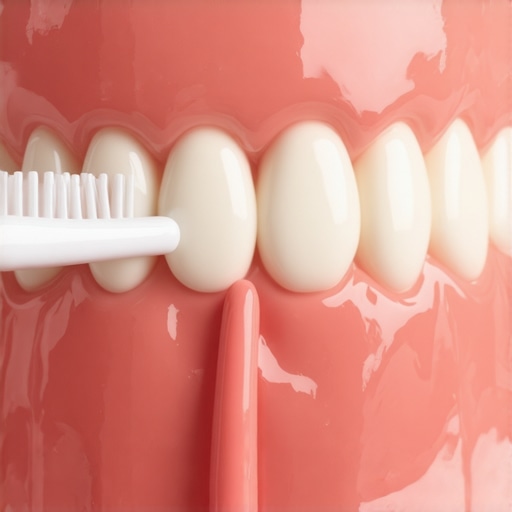
Why Brushing Harder Makes Your Teeth Look Yellow
It sounds counterintuitive, right? You’d think scrubbing harder would make things whiter. But here is the catch: your enamel is the white part, and the dentin underneath is naturally yellowish. When you use a hard brush and heavy pressure, you literally sand down your white enamel. This is often the reason your teeth look yellow even though you brush twice daily. I noticed this on my own canine teeth—they were starting to look dark near the roots because I had scrubbed the ‘white’ right off. By switching to a soft brush and a gentle touch, you preserve that bright outer layer. This approach is one of the most underrated preventive tips for long-lasting dental health for families, as it protects your smile’s natural brilliance for decades instead of just for the next ten minutes.
The Circular Motion Rule
Stop the ‘sawing’ motion. Moving the brush back and forth in straight lines is like using a hacksaw on your gum tissue. Instead, use tiny, vibrating circles. This allows the bristles to stay in contact with the tooth surface longer and sweep debris away from the gums rather than pushing it further in. I found that slowing down and spending a full two minutes using these circles made my mouth feel significantly cleaner than my old thirty-second ‘power scrub’ ever did. It’s all about patience and precision.
Now that you’ve mastered the soft-bristle technique, we need to talk about timing and the chemistry of your mouth. One of the biggest ‘oops’ factors I see—and something I fell for too—is the urge to brush immediately after a meal. We are taught that sugar is the enemy, so we rush to the sink after a soda, a glass of wine, or even a bowl of fruit. But here is the nuance: acidic foods temporarily demineralize and soften your enamel. If you scrub while your enamel is in this ‘vulnerable’ state, you are basically sandpapering your teeth away. A study published in the British Dental Journal confirms that brushing within 30 minutes of acidic intake can lead to significantly higher levels of enamel loss than waiting an hour. It’s actually better to rinse with plain water to neutralize the pH and wait for your saliva to re-harden the surface. This is one of those oral health myths debunked that can save your smile from premature aging.
Why do my front teeth look almost transparent at the tips?
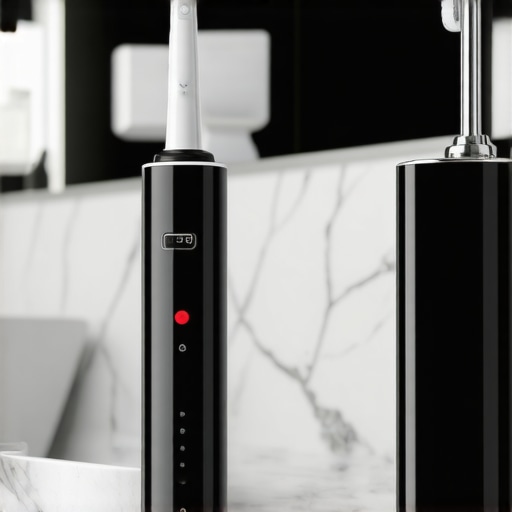
If you’ve noticed this, you aren’t alone, and it isn’t something a standard cleaning can ‘wash away.’ It’s a sign of enamel thinning, often caused by the very acid erosion we just discussed or aggressive over-whitening. I’ve seen people use whitening strips every day, thinking they are fixing a yellowing problem, when in reality, they are making their teeth look ‘thinner’ and more gray. This happens because as the white enamel thins, it becomes more translucent, and you start seeing why your front teeth feel thin or see-through at the edges. In the world of cosmetic dentistry trends, the focus is finally shifting back to ‘biomimetic’ results—making teeth look healthy and opaque, not like glowing, unnatural Chiclets. 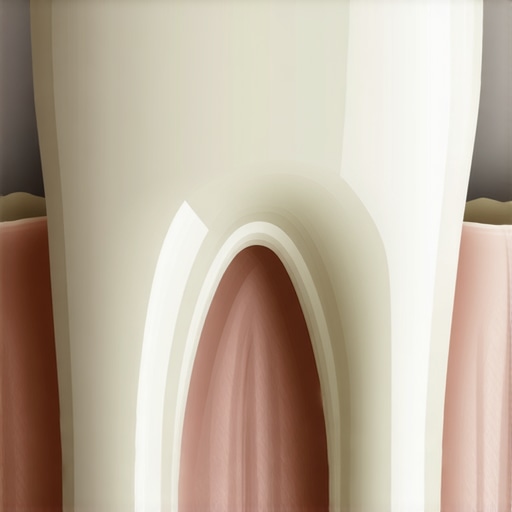 Another trap is the ‘all-natural’ lure that bypasses professional advice. I get asked about oil pulling constantly. While it’s not necessarily harmful as a ritual, it’s a dangerous mistake to think it replaces flossing or can cure a cavity. You can read more about the truth about oil pulling for whiter teeth and healthy gums to see why it’s more of a supplement than a foundational solution. Truly maintaining oral health requires understanding that your mouth is a complex ecosystem. If you push it too hard in one direction—too much whitening, too much scrubbing, or trying ‘detox’ hacks without medical backing—the system breaks. We often think of teeth cleaning secrets as being about the tools, but it’s really about the biological timing. Have you ever fallen into the trap of over-whitening or brushing too soon after a meal? I’d love to hear your experiences in the comments below. By pivoting toward gentle teeth cleaning and smarter timing, you’re not just cleaning your teeth; you’re preserving them for decades. This shift is essential for any family dentistry tips you pass down to your kids, ensuring they don’t have to ‘fix’ in their 40s what could have been protected in their 10s.I have spent a small fortune testing gadgets so you do not have to. While the core principles of maintaining oral health never change, the tools we use to get there have evolved massively. If you are still using a manual brush, you are essentially using a rotary phone in the age of the smartphone. I personally swear by a sonic-powered electric brush, but not just any model. I specifically look for one with a built-in pressure sensor—the kind that flashes a bright warning light when you are being too aggressive. This single feature is a game-changer for anyone practicing gentle teeth cleaning because it provides the immediate biofeedback our brains need to unlearn decades of ‘power scrubbing’ habits. It is one of those teeth cleaning secrets that turns a mundane chore into a precise, effective science. Along with that, I have found that a high-quality water flosser is indispensable, especially for reaching those tight gaps where traditional string might fail or irritate sensitive tissue.
How can I maintain my dental work over time?
If you have invested in your smile through cosmetic dentistry trends like veneers or bonding, maintenance is no longer just a suggestion—it is a preservation strategy. I treat my dental work like a classic car; I do not wait for a breakdown to check under the hood. This means scheduling professional cleanings every six months without fail. Not only does this keep everything looking bright, but how regular teeth cleaning can prevent major dental issues is truly the most cost-effective insurance policy you can buy. For those with porcelain work, I always recommend a non-abrasive gel toothpaste rather than the standard ‘whitening’ pastes, which can actually be too gritty for certain materials. Following these preventive tips for long-lasting dental health for families ensures that your investment lasts twenty years instead of five.
The Tech That Finally Replaced Gooey Dental Molds
The future of dentistry is not just about better brushes; it is about significantly better diagnostics. I am incredibly excited about how far digital imaging has come. We have moved away from those gag-inducing trays of putty toward high-speed intraoral scanners. Understanding how we use digital scanners to avoid messy dental molds is key to seeing how precise modern care has become. These scanners create a perfect 3D map of your mouth, allowing for restorations that fit with micron-level accuracy. Niche experts like Dr. Pascal Magne, a pioneer in biomimetic dentistry, emphasize that the ultimate goal is to mimic the natural tooth’s biomechanics and strength. By using these digital tools, we can preserve more of your original tooth structure than ever before. I predict that in the next few years, we will see AI integration that can predict decay and stress fractures before they are even visible to the naked eye. To get ahead of the curve, I challenge you to try the ‘tomato test’ tonight: see if you can ‘brush’ the skin of a very ripe tomato with your current brush without piercing it. If you cannot do it, it is officially time to rethink your tools and your pressure.
The Hardest Lessons I Learned After Decades of Over-Brushing
Reflecting on my own journey, the shift toward gentle teeth cleaning wasn’t just a physical change—it was a complete mindset shift. The first thing I learned is that dental health is a marathon, not a sprint; scrubbing hard for two minutes won’t make up for years of neglect, but it will certainly cause why your gums recede faster if you use a hard-bristled brush to become your reality. Secondly, I realized that blood in the sink is not a sign of a deep clean; it is a cry for help from your gingival tissue. Finally, I came to understand that the best results come from consistency and precision, not brute force. These are the same preventive tips for long-lasting dental health for families that I now share with everyone I know because protecting your enamel is far easier than trying to replace it later.
My Personal Toolkit for a Bulletproof Smile
I am often asked what I personally use to stay on track. My daily routine revolves around three specific tools that have changed everything for me. First, I use a sonic electric toothbrush with a built-in pressure sensor; it acts like a coach, lighting up whenever I revert to my old, aggressive ways. Second, I’ve swapped my gritty charcoal pastes for a non-abrasive fluoride gel to ensure I am maintaining oral health without sanding down my teeth. Lastly, I swear by a high-quality water flosser for those nights when traditional string feels too abrasive on my sensitive gums. I trust these tools because they focus on bio-mechanical harmony rather than friction. [image_final]
Your Path to a Healthier Smile is Simpler Than You Think
The future of your dental health isn’t written in stone; it’s written in the small, gentle choices you make every single morning and night. By choosing soft bristles, waiting after acidic meals, and embracing modern technology, you are making a profound investment in yourself. Remember that how regular teeth cleaning can prevent major dental issues is the ultimate secret to a lifetime of confidence. Don’t be afraid to slow down and focus on the finesse. Your smile is the only one you’ve got, and it deserves to be treated with care rather than a construction-site mentality. Have you ever found yourself scrubbing your teeth like you are trying to clean a garage floor? Let me know in the comments below!