
I remember standing in front of my bathroom mirror three years ago, clutching a bottle of extra-strength whitening strips that made my teeth feel like they were vibrating with a sharp, electric nerve pain. I was desperate. My coffee habit was winning the war against my enamel, and despite my best efforts, I felt like I was losing my confidence. I even made the classic mistake of thinking I could just scrub the stains away, which only led to [why my gums throbbed after brushing too vigorously](https://gentlesmiledentist.com/why-your-gums-throb-after-brushing-too-vigorously). That was my lightbulb moment. I realized that chasing a Hollywood smile shouldn’t come at the cost of my actual dental health. I started looking for a gentler way to support my [maintaining oral health](https://gentlesmiledentist.com/maintaining-oral-health-expert-advice-for-a-lifetime-of-healthy-teeth) without the chemicals, and that is when I tumbled down the rabbit hole of oil pulling. Today, I am going to break down exactly what happened when I traded the strips for a jar of coconut oil, and whether this ancient practice is actually the secret to those healthy gums you have been craving.
I Swished Oil for a Month and Here is What Happened
When I first heard about oil pulling, I was convinced it was just another one of those [oral health myths](https://gentlesmiledentist.com/oral-health-myths-debunked-what-you-need-to-know-in-2025) that sounds great on paper but fails in reality. The idea is simple: you swish a tablespoon of oil (usually coconut or sesame) in your mouth for about 15 to 20 minutes before spitting it out. It sounds exhausting, right? My jaw ached the first few times, and the texture was… let’s just say it takes some getting used to. But after a few weeks, something shifted. My morning breath, which used to be a point of personal shame, almost vanished. My gums, which used to bleed if I even looked at a piece of floss too hard, felt firm and resilient. I started to understand [the reason my teeth looked yellow even though I brushed twice daily](https://gentlesmiledentist.com/the-reason-your-teeth-look-yellow-even-though-you-brush-twice-daily) wasn’t just about stains, but about the buildup of biofilm that standard brushing sometimes misses.
Does This Ancient Practice Actually Live Up to the Hype?
I know what you are thinking because I thought it too: is this actually doing anything, or am I just wasting 20 minutes of my morning? It is a fair question. Skepticism is healthy, especially when it comes to
Mastering the 20-Minute Swish
Think of oil pulling as a magnet for your mouth. Most of the bacteria living on your teeth and gums are single-celled organisms covered in a fatty membrane. When you swish oil around, those fatty membranes are naturally attracted to the oil, pulling them out of the tiny crevices that even the best toothbrush might miss. I used to think my standard routine was enough, but I was still making the most common mistakes people make with whitening strips by trying to force a chemical change rather than a biological one. Here is the exact routine I followed to get my gums back into shape without the sting.
Pick Your Potion: Why Coconut Oil Wins
While sesame and sunflower oil are traditional, I swear by cold-pressed, organic coconut oil. It contains lauric acid, which is famous for its antimicrobial properties. When I started, I grabbed a massive jar from the grocery store—nothing fancy, just the stuff you cook with. It is solid at room temperature, which can be a bit of a shock the first time you put it in your mouth.
The First Five Minutes are the Hardest
Start with just one tablespoon. If you try to do more, your mouth will fill up with saliva and you will be desperate to spit within minutes. Put the solid oil in your mouth and let it melt. It only takes a few seconds. Then, start pushing and pulling the liquid through your teeth. My mistake on day three was trying to swish too aggressively. I ended up with a literal jaw cramp while trying to fold laundry. The trick is to do it gently. You aren’t trying to power-wash your molars; you are just keeping the oil in motion so it can collect debris. This gentle movement is actually one of the teeth cleaning secrets to achieve a bright smile in under 30 minutes without needing a cabinet full of expensive tools.
Where to Spit So You Don’t Ruin Your Plumbing
This is the most important practical tip I can give you: Never, ever spit the oil down your sink or toilet. Coconut oil solidifies as it cools, and you will eventually face a massive plumbing bill. I keep a small dedicated ‘trash jar’ or just spit it directly into the kitchen garbage. By the time you are done, the oil should look milky and thin. If it’s still clear and thick, you haven’t swished long enough. This liquid is now packed with everything you wanted out of your mouth, specifically addressing the real reason your breath smells early in the morning by trapping the volatile sulfur compounds produced by bacteria overnight.
Rinse and Rebuild Your Routine
Immediately after spitting, rinse your mouth with warm salt water. This clears away any remaining oily residue and helps soothe the tissues. I then follow up with a soft-bristled brush. This combination is far superior to the ‘scrub-until-it-hurts’ method I used to use. It aligns perfectly with gentle teeth cleaning best practices for sensitive gums, ensuring you aren’t wearing down your enamel while trying to get clean. Once, during my second week, I accidentally swallowed a tiny bit of the oil because I sneezed while swishing. It was gross, but it taught me to keep my head tilted slightly forward. Just remember, you are pulling toxins out, so you definitely don’t want to digest them.While my month of oil pulling taught me patience, it also opened my eyes to a massive misconception in the world of oral health: the idea that more force equals more cleanliness. In my experience, the ‘scrub-until-it-squeaks’ mentality is the fastest way to land in a dentist’s chair for restorative work. Everyone says you need the strongest whitening agents and the hardest bristles to see results, but I’ve found that the most resilient smiles come from biological balance rather than chemical warfare. When you over-strip your mouth of all bacteria, you actually leave the door wide open for the bad stuff to move back in faster. This is why oral health myths debunked what you need to know in 2025 focus so heavily on preservation rather than just surface-level aesthetics.
Stop Scrubbing Your Protection Away
Many people fall into the ‘Oops’ factor by using abrasive charcoal pastes or high-percentage peroxides daily. This is a dangerous trap because enamel doesn’t grow back. Once you wear it down through over-whitening or aggressive brushing, your teeth become porous and more susceptible to the very stains you are trying to avoid. I’ve seen so many people confused about the reason your gums look receded after using whitening strips, and the truth is usually that they have prioritized speed over safety.
How Does Your Oral Microbiome React to a Professional Deep Cleaning?
It is a common question among those of us who have become hyper-aware of our oral health: does a professional cleaning wipe out the ‘good’ bacteria along with the ‘bad’? While a deep cleaning is essential for removing hardened tartar that you simply cannot budge at home, it doesn’t leave your mouth a sterile wasteland. A study published in the Journal of Clinical Periodontology suggests that professional intervention actually resets the environment, allowing a healthier biofilm to recolonize the area. This is a far cry from the damage done by DIY ‘hacks’ that use acidic household items like lemon juice. By sticking to gentle teeth cleaning best practices for sensitive gums, you are supporting this natural ecosystem rather than destroying it.
The Hidden Nuance of Family Care
When it comes to family dentistry building a foundation of healthy smiles for all ages, the biggest mistake is treating a child’s oral health exactly like an adult’s. A child’s enamel is much thinner, and their mouth’s chemistry is constantly shifting as they grow. This is why standard ‘adult’ advice often fails when applied to the whole household. Have you ever fallen into the trap of thinking a harder toothbrush is ‘more effective’? Let me know in the comments. Instead of force, focus on consistency and the right tools, like understanding the best toothbrush texture for people with receding gums to ensure you aren’t doing permanent damage in the name of hygiene. True expertise in oral care means knowing when to step back and let the body’s natural defenses do their job, supported by how regular teeth cleaning can prevent major dental issues through professional guidance rather than brute force.
Why Your Evening Routine Needs a Tech Upgrade
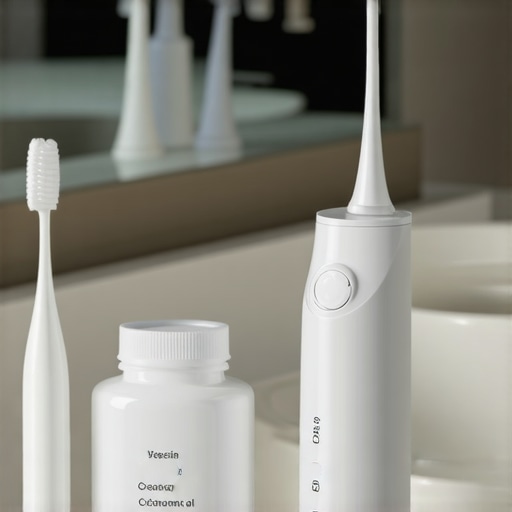
Once you’ve mastered the art of the 20-minute swish, you might think your toolkit is complete. However, I found that maintaining those results required moving beyond the basics. For me, the absolute game-changer was investing in a high-quality water flosser. I have a permanent retainer on my bottom teeth that essentially acts as a trap for every meal I eat, and if you are dealing with the same issue, you know that preventing your permanent retainer from trapping food particles is a full-time job. The water flosser provides a level of precision that string floss simply cannot match, especially when your gums are in that sensitive, healing phase. It is about using targeted pressure to clear out the biological ‘trash’ before it has a chance to calcify into tartar.
How can I maintain my bright smile over the long haul?
Consistency is the only real secret. I used to look for teeth cleaning secrets to achieve a bright smile in under 30 minutes, but the truth is that oral health is a marathon, not a sprint. To keep my teeth white without the electric nerve pain I mentioned earlier, I transitioned to a ‘maintenance phase’ where I oil pull three times a week rather than every morning. This keeps the biofilm under control without making my morning routine feel like a chore. I also made sure to follow maintaining oral health expert advice for a lifetime of healthy teeth by scheduling professional cleanings every six months like clockwork. No matter how good your home routine is, you cannot safely remove hardened calculus on your own.
The Invisible Future of Oral Care
I genuinely believe we are moving toward a more personalized, data-driven approach to dentistry. In the near future, I suspect we will see smart toothbrushes that don’t just track how long you brush, but actually analyze the pH level of your saliva in real-time. We are already seeing the beginning of this with probiotic rinses designed to repopulate the mouth with beneficial bacteria. According to a technical report by the American Dental Association (ADA) on emerging technologies, the shift toward ‘biomimetic’ materials—substances that mimic the natural properties of teeth—will soon allow us to repair minor enamel erosion at home using specialized pastes that actually bond to our existing tooth structure. This means the days of aggressive bleaching are numbered.
Even as the tech evolves, the foundation remains the same: stop the damage before it starts. This is why understanding how regular teeth cleaning can prevent major dental issues is so critical. You are not just paying for a polish; you are paying for an early warning system. If you want to take your routine to the next level today, try my ‘Advanced Double-Cleanse’ method: use a water flosser to loosen debris *before* you start your oil pulling. You will be shocked at how much more effective the oil is when the physical barriers are gone.
The Hard Truths I Learned About My Morning Swish
Reflecting on this journey, I’ve realized that oral health isn’t about winning a fight; it’s about tending a garden. Here are the lightbulb moments that changed my approach forever. First, oil pulling is a ‘pre-wash’, not a cure-all. While it removes biofilm, it won’t fix a cavity. It’s part of a larger strategy for maintaining oral health expert advice for a lifetime of healthy teeth. Second, gentleness is a superpower. I used to think bleeding meant I was cleaning well. Now I know that using the best toothbrush texture for people with receding gums is far more effective than brute force. Finally, your gums have a memory. When you stop punishing them with harsh chemicals, they actually begin to heal and tighten. #IMAGE_PLACEHOLDER_E#
The Small Kit That Changed Everything
You don’t need a massive budget to transform your smile. My daily routine now centers on three core items. First, a simple jar of organic coconut oil—it’s the most cost-effective antimicrobial you can find. Second, I’ve integrated family dentistry building a foundation of healthy smiles for all ages principles by using a gentle water flosser that the whole household can use safely. Finally, I never skip my professional visits because how regular teeth cleaning can prevent major dental issues is a lesson I learned the hard way after neglecting my check-ups for a year.
Take the First Step Toward a Biological Balance
If you are tired of the sting of whitening strips and the constant worry about sensitive enamel, give this ancient practice a real shot. It’s not just about the aesthetics; it’s about how your mouth feels when you wake up in the morning. Your path to maintaining oral health doesn’t have to be painful. It just has to be consistent. Have you ever tried oil pulling, or did the 20-minute timer scare you away? Let me know your thoughts in the comments!