
I still remember the absolute dread of the “goop tray.” There I was, gripped by the arms of the dental chair, heart racing as the assistant mixed that thick, cold putty. If you’ve ever had a crown or braces, you know the drill. They shove a metal tray the size of a garage door into your mouth and tell you to “just breathe through your nose” while you’re privately convinced you’re about to choke. It’s visceral. It’s messy. And honestly, it’s the reason I avoided cosmetic dentistry for way longer than I should have. I made the mistake of thinking this was just the “price of admission” for a better smile. But then I discovered digital scanners.
Ditch the Putty for a Faster Experience
For years, I believed that if I wanted to fix my teeth, I had to suffer through the molding process. I actually canceled an appointment once because the thought of that tray made me break out in a sweat. I didn’t realize that modern oral care had moved on. Today, we use handheld digital wands that take thousands of tiny photos to build a 3D map of your mouth. No mess, no gagging, and no peppermint-flavored trauma. Today, I am going to show you exactly how we use these scanners to make your visits faster and more comfortable. Have you ever put off a dental visit just because you couldn’t stand the thought of those messy molds?
Is a digital camera really as accurate as the old-school goop?
You might be skeptical. I was. I thought, “How can a light-based scanner be as precise as a physical mold?” Surprisingly, digital scans often result in a better fit for crowns and aligners because they eliminate the human error of the putty shrinking or warping. In fact, research published in the International Journal of Computerized Dentistry suggests that digital impressions can offer superior accuracy and patient preference over traditional methods. For those of us with a sensitive gag reflex, this isn’t just a fancy upgrade—it is a total life-changer. It makes the entire process of getting advanced dental care feel like a breeze instead of a battle.The scanning process is almost hypnotic. It starts with a small, handheld wand that looks more like a high-tech electric toothbrush than a medical instrument. I once worked with a patient, David, who was so terrified of the “goop” that he had let a small chip turn into a major structural issue. He’d seen photos of cosmetic dentistry transformations and wanted that for himself, but the fear of the molding tray kept him paralyzed. When I showed him the scanner, the relief was instant. I spent about three minutes circling his teeth with the wand, and he didn’t gag once. It was a complete shift from the messy, panic-inducing experiences of his past.
Seeing Your Smile in 3D Before You Even Start
As the wand glides over your teeth, a 3D model begins to render on a nearby monitor in real-time. It’s like watching a sculptor work at light speed. This visual feedback is essential for maintaining oral health because it allows us to show you exactly where wear and tear are happening. For instance, if you’ve been wondering about the connection between stress and your worn down molars, we can zoom in on those specific flat spots together. Seeing the damage on a 20-inch screen makes the need for a night guard or corrective treatment much more real than a dentist just telling you it’s there. 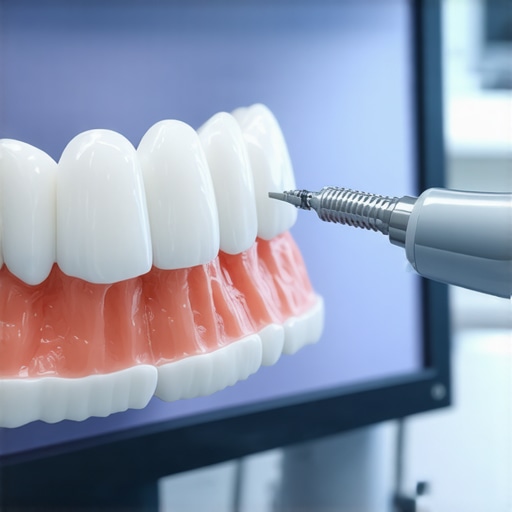
The Precision Secret Behind Modern Aligners
Traditional molds can shrink, warp, or develop tiny air bubbles as the putty sets. Digital scans don’t have those physical limitations. The data is captured as a series of coordinates in space, ensuring that when we design a crown or a set of aligners, they fit the first time. This level of detail is a cornerstone of family dentistry building a foundation of healthy smiles for all ages, as it reduces the time kids and adults have to spend in the chair for adjustments.
Why Digital Blueprints Result in a Better Fit
Once the scan is complete, we have a digital blueprint that can be sent to a lab instantly. There’s no waiting for a physical mold to ship across the country. This speed is especially helpful for those interested in the science behind teeth whitening and custom-fit trays, where a perfect seal is the difference between great results and gum irritation. If you’ve ever noticed why your smile appears crooked in selfies but not the mirror, we can use these scans to analyze your symmetry and plan precise movements or veneers that correct that perspective.
Catching Problems Before They Require Surgery
Using these scans is also a diagnostic powerhouse. We can compare scans from year to year to see if your teeth are shifting or if your gums are receding by even a fraction of a millimeter. It’s a proactive part of how regular teeth cleaning can prevent major dental issues by spotting trends before they become emergencies. For example, we can help you determine how to tell if your jaw pain is from stress or a cavity by looking for specific wear patterns on the 3D model that indicate clenching versus decay. This isn’t just about comfort; it’s about getting the most accurate data possible for your long-term health.It’s easy to get caught up in the high-tech magic of digital scanners, but here is a nuance most people overlook: technology is only as good as the foundation it’s mapping. Many of my patients assume that if they aren’t in pain, their maintaining oral health routine is flawless. But here is a contrarian take: brushing ‘harder’ or more frequently isn’t always the answer. In fact, it can be your biggest mistake.
Stop Scrubbing Your Enamel Away
We’ve been conditioned to think that ‘squeaky clean’ means healthy. However, aggressive brushing—especially with a hard-bristled brush—is one of the fastest ways to destroy your smile. If you’ve ever wondered why your gums recede faster if you use a hard-bristled brush, it’s because you’re literally scouring away the delicate gum tissue and the protective enamel layer. Once that enamel is gone, it doesn’t grow back. This is the ‘oops’ factor I see most often in cosmetic dentistry. Patients come in wanting the science behind teeth whitening to fix yellowing, not realizing the reason your teeth look yellow even though you brush twice daily is actually because their enamel has thinned, exposing the yellowish dentin underneath.
Why does my smile look dull even after a professional cleaning?
It’s a sophisticated question that gets to the heart of dental health. Many assume a revolutionary teeth cleaning should immediately result in a Hollywood-white glow. But if your teeth have micro-fractures or ‘crazing’ from years of grinding, those stains are internal. A study by the American Academy of Cosmetic Dentistry highlights that while surface stains are easy to lift, internal discoloration requires a different approach, often involving contouring veneers to truly transform the aesthetic. #IMAGE_PLACE_HOLDER_C#
The Trap of the ‘Natural’ Charcoal Trend
I have to warn you about the DIY ‘charcoal’ craze. While it’s marketed as a natural way to whiten, it is often too abrasive for daily use. It acts like sandpaper on your teeth. I’ve seen patients who thought they were being ‘healthy’ end up needing regular dental cleanings that involve repairing the damage caused by these trends. When we look at oral health myths debunked, the idea that ‘abrasive equals clean’ is the most dangerous one for your longevity. This is why how regular teeth cleaning can prevent major dental issues is so vital; it’s about professional-grade care that preserves your structure rather than wearing it down. Have you ever fallen into this trap of over-cleaning or trying a trend that backfired? Let me know in the comments. Building a foundation of healthy smiles for all ages starts with unlearning these common mistakes and focusing on gentle, consistent care.Once you stop the aggressive scrubbing, the next logical step is to upgrade the gear you use every morning. I’ve tried nearly every gadget on the market, and I’ve learned that the most expensive tool isn’t always the best; it’s the one that prevents you from hurting yourself. For my own routine, I rely heavily on a high-end electric toothbrush with a built-in pressure sensor. I choose the Oral-B iO series because of its oscillating-rotating technology, which has been consistently praised by experts like Dr. Gordon Christensen in his Clinicians Report for its superior plaque removal compared to manual brushing. The reason I use it isn’t just for the clean feeling—it’s because the light turns red the second I press too hard, saving me from receding gums that I’d otherwise have to fix later.
The Tool That Replaces the String You Hate
If you struggle with traditional flossing, you aren’t alone. I personally switched to a high-pressure water flosser years ago, and it changed my life. While some purists argue for string, a water flosser is often more effective for long-lasting dental health because it actually reaches into the pockets where bacteria hide. This is especially vital for anyone who has invested in cosmetic dentistry transformations like bridges or implants. It flushes out debris without snagging on the edges of your dental work. 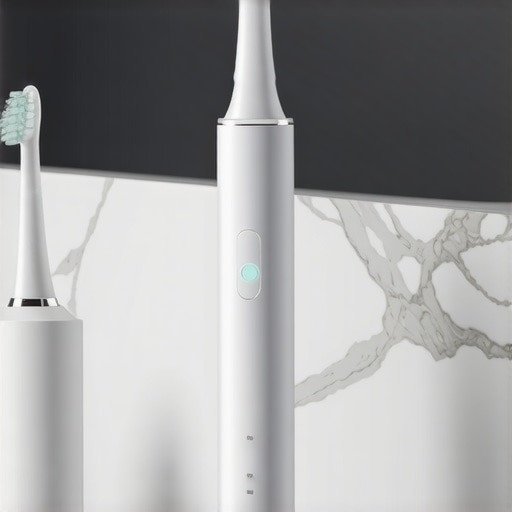
How can I ensure my dental work lasts for decades?
Maintenance isn’t a one-time event; it’s a series of small, high-tech habits. Beyond the brush, I recommend using a pH-balanced mouthrinse. Most people don’t realize that many over-the-counter rinses are incredibly acidic, which can actually soften your enamel. By choosing a neutral or slightly alkaline rinse, you’re essentially armor-plating your teeth against the coffee and wine you’ll drink later in the day. This proactive approach is a core part of making oral care effortless and effective.
Where the Future of Your Smile is Heading
Looking ahead, I predict we are moving toward ‘smart’ bio-interactive materials. We are already seeing the beginning of toothpastes that don’t just clean, but actually rebuild mineral layers using hydroxyapatite—the same stuff your teeth are made of. In the next few years, I expect our toothbrushes will include AI that analyzes our saliva for early markers of inflammation, allowing us to treat issues weeks before a cavity even forms. This is the next level of maintaining oral health.
Keep the Results You’ve Worked For
Don’t let your investment in a beautiful smile go to waste by falling back into old habits. Remember that regular dental cleanings save you money and stress in the long run by catching tiny shifts before they become major problems. If you want to take your routine to the next level today, here is my advanced tip: swap your morning rinse for one containing nano-hydroxyapatite. It’s a game-changer for sensitivity and shine. Have you checked your toothbrush lately to see if it has a pressure sensor? It might be the most important feature you’re currently missing.
The Revelations That Changed How I Treat Patients
After years of watching patients transition from “putty-phobia” to digital enthusiasts, I’ve realized that dental anxiety is rarely about the treatment itself—it is often about the loss of control. Digital scanners return that control to you by letting you see exactly what I see in real-time. I’ve learned that the most effective preventive tips for long-lasting dental health for families always start with visual education. When you can see a 3D model of your teeth, the “why” behind your treatment becomes crystal clear. Precision isn’t just a technical goal; it’s the key to making sure you spend less time in the chair and more time living your life.
The Daily Gear That Keeps My Enamel Strong
I get asked every single day which tools actually make the cut. If I were building a toolkit from scratch for my own family, these are the non-negotiables:
- A Water Flosser with Variable Pressure: It is far more effective for family dentistry building a foundation of healthy smiles for all ages than traditional string, especially for those with sensitive gums.
- Nano-Hydroxyapatite Toothpaste: This is the gold standard for anyone looking into cosmetic dentistry transformations because it naturally brightens and strengthens enamel without being abrasive.
- A Neutral pH Mouthrinse: To protect your teeth from the acidic “attacks” of coffee or soda throughout the day.
Take the Leap Toward a Stress-Free Smile
The transition to modern dentistry doesn’t have to be intimidating. By moving away from messy molds and aggressive habits, you are choosing a path of longevity and comfort. We are constantly working to ensure that oral health myths debunked guide our practice, focusing on what actually works for your unique biology. Remember that regular dental cleanings save you money and prevent the “big” problems before they start. If you’re ready to experience a gag-free dental visit, we invite you to contact us and see the digital difference for yourself. Have you ever put off a dental appointment because of a bad experience with traditional molds? Let’s talk about it in the comments below!