
I was at my niece’s birthday party last month, feeling like a million bucks after finally committing to better family dentistry habits. Then, the dreaded group selfie happened. When the photo popped up on the screen, I didn’t see the confident person I recognized from my bathroom mirror. Instead, I saw a stranger with a grin that seemed to lopsidedly slant toward the left. I actually gasped. I ran to the restroom, checked the mirror, and—poof—I looked perfectly normal again. I spent the next twenty minutes alternating between the mirror and my front-facing camera like a madman. It turns out, I’m not crazy, and neither are you. This jarring disconnect is a common psychological and optical trap that makes us question our own faces. Today, I’m going to break down exactly why your phone seems to be lying to you and how you can reclaim your confidence in every shot.
The Selfie Shocker That Changed My Perspective
This isn’t just about vanity; it’s about how we perceive ourselves. For years, I made the mistake of thinking my teeth were shifting or that I was developing some weird muscular habit. I even looked into teeth cleaning secrets thinking maybe a brighter smile would mask the tilt. But the truth is much simpler: you are a victim of the ‘Mere-Exposure Effect.’ According to research published in the Journal of Personality and Social Psychology, people prefer the version of themselves they see most often—which, for all of us, is the mirrored reflection. When a camera flips that image back to ‘real life’ view, every tiny natural asymmetry is doubled in our minds.
Does my phone actually hate my face?
It certainly feels that way when you’re staring at a lopsided jawline. But remember, the lens of a smartphone is often a wide-angle lens, which can distort features that are closest to the glass—like your nose or your front teeth. I once obsessed over what I thought was a subtle bonding error that I swore was ruining my look, only to realize it was just the way my phone’s software was processing the image. Have you ever looked at a photo and wondered who that crooked-smiling stranger was? You aren’t alone, and it’s time we stop letting a lens dictate our self-worth. Understanding this optical flip is the first step to finally liking what you see on your camera roll.
Get Some Distance from the Lens
Smartphones use wide-angle lenses by design to cram more scenery into your shots, but they come with a price: ‘barrel distortion.’ This makes anything closest to the glass—usually your nose and your front teeth—look larger and more prominent than they actually are. I remember trying to take a quick headshot for my LinkedIn profile and being horrified that my front two teeth looked like they belonged to a cartoon rabbit. I realized I was holding the phone barely twelve inches from my face. To fix this, think of your arm like a selfie stick that needs to be fully extended. By moving the camera further away and zooming in slightly, you flatten the image, bringing your features back into their natural proportions. It’s the same reason maintaining oral health expert advice for a lifetime of healthy teeth often starts with seeing the bigger picture; your smile isn’t just one tooth, it’s the harmony of your whole face. 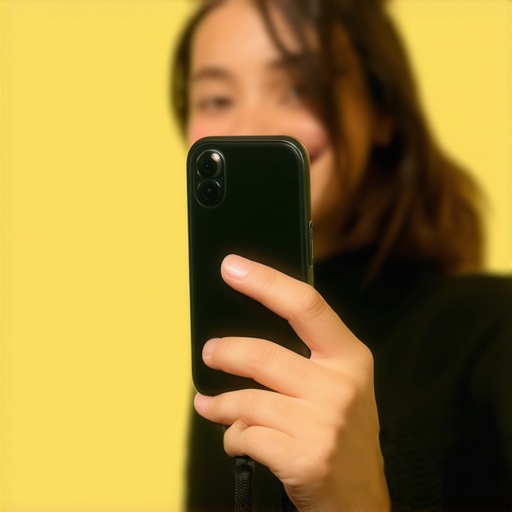
Ditch the Distortions with Better Lighting
Shadow is the enemy of symmetry. When light comes from the side or from directly above, it casts harsh lines that can make a perfectly straight jawline look crooked or a healthy gum line look recessed. I once spent an entire morning convinced I had a massive gap in my molars, only to realize a floor lamp was casting a weird shadow right at the corner of my mouth. To combat this, always face your light source. Natural window light is the gold standard because it fills in the ‘valleys’ of your face, including the small spaces between your teeth. If you are worried that your smile appears dark or uneven in photos, it might be time to look into cosmetic dentistry trends that transform your smile this year, as modern techniques focus on how light reflects off your enamel to create a more balanced appearance.
Identify if Your Discomfort Is Just an Optical Illusion
Before you panic and assume your teeth are shifting, perform a ‘reality check.’ Stand in front of a mirror with a friend. Look at your reflection, then look at your friend’s face in the mirror. You’ll notice their face looks ‘wrong’ to you, but yours looks ‘right.’ This is because you are both seeing the version of them they *don’t* see. If you’re genuinely concerned about your alignment, don’t rely on a front-facing camera. Instead, focus on tangible health markers. I used to obsess over my camera roll until I realized that how regular teeth cleaning can prevent major dental issues was a much better use of my energy than worrying about a lens flip. If your teeth feel fine and your dentist gives you the thumbs up, the ‘problem’ is almost certainly digital, not dental.
Real Solutions for More Than Just Camera Angles
Sometimes, the camera actually highlights things we’ve been ignoring in the mirror. If you notice that your smile genuinely looks constricted or narrow regardless of the angle, there are ways to address the structure itself. I’ve seen friends go from hiding their faces in group shots to being the first to post them after learning why your smile looks narrow and how veneers fix it. It’s about distinguishing between a bad photo and a desire for a permanent change in your confidence. Whether it’s correcting a slight overlap or brightening the overall tone, the goal is to make the person in the photo match the person you feel like on the inside.I’ve spent a lot of time talking about the ‘lens flip,’ but let’s talk about the mistake most people make when they try to ‘fix’ what they see on screen. We often chase perfect symmetry, assuming that if our left side exactly matches our right, we’ll finally look like a movie star. However, nature rarely uses a ruler. In my experience, a ‘perfectly’ symmetrical smile often looks uncanny or artificial because it lacks the subtle translucency and character of real teeth. This is exactly why enhancing confidence with cosmetic dentistry today focuses more on ‘naturalism’ than mathematical perfection. If you go too far, you end up with what I call the ‘Piano Key’ effect, where every tooth is the same length and shade of blinding white.
Stop Sandblasting Your Enamel with DIY Hacks
The most dangerous trap I see people fall into is the ‘DIY Refurbish.’ After seeing a bad selfie, people often run to the kitchen and start scrubbing with abrasive home remedies. The truth about using baking soda as a toothpaste is that while it might scrub away a surface stain, it also thins your enamel over time. Once that enamel is gone, the yellowish dentin underneath shows through, making your teeth look darker in the long run. It’s a classic ‘Oops’ factor that turns a temporary camera insecurity into a permanent dental bill. Instead, focus on maintaining oral health expert advice for a lifetime of healthy teeth by using professional-grade, low-abrasion methods. 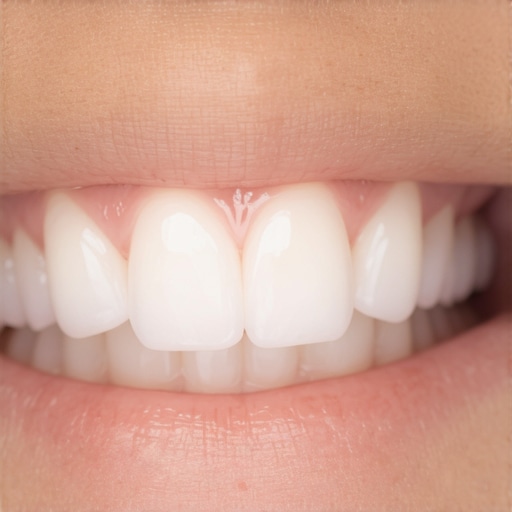
Why do some dental restorations look dark at the edges?
This is a sophisticated concern that goes beyond simple cleaning. Sometimes, you’ll notice a gray or dark line right where your tooth meets the gum. While you might think it’s a cavity, the reason your gums look darker near your dental bridge or crown is often due to the metal substructure of older porcelain-fused-to-metal restorations. Modern cosmetic dentistry innovations you cant miss this year have largely moved toward all-ceramic materials that allow light to pass through the gum tissue, preventing that ‘dead’ look. According to a study in the Journal of Esthetic and Restorative Dentistry, the interaction between light and the ‘biological width’ of the gum is the secret to a smile that looks real in person and on camera. When you choose materials that mimic the light-scattering properties of natural enamel, the camera stops catching those weird shadows. Have you ever fallen into the trap of over-scrubbing or chasing a ‘filtered’ look in real life? Let me know in the comments.I used to think my heavy-handed brushing was a sign of thoroughness until my dentist pointed out the wear on my gum line. I switched to an electric model with a visible pressure sensor—it literally flashes red if I press too hard. Finding the best toothbrush texture for people with receding gums changed everything for me. It is not just a gadget; it is a personal coach that stops me from destroying my own enamel. If you have noticed why your gums bleed when you use a new electric toothbrush, it is usually because of that initial adjustment period where the vibrations are breaking up plaque your manual brush missed for years. I also swear by my water flosser. For years, I lied to my hygienist about flossing, but the sink never lied back. Once I bought a countertop unit with adjustable pressure, it became a game-changer for my daily routine. It is about building a toolkit that works with your lifestyle, not against it. Whether you are focused on teeth cleaning secrets or major reconstructive work, the tools you use at home every morning are 90% of the battle.
How do I maintain my camera-ready smile over time?
Consistency is the unsexy secret to long-term results. You cannot just get a professional whitening and expect it to last forever if you are a three-cup-a-day coffee drinker. I have learned that how regular dental cleanings can save you money in the long run because they catch staining and minor shifts before they become self-perceived flaws. If you use a night guard or a retainer to keep things aligned, you have to be meticulous; learning how to clean a clear retainer without using abrasive toothpaste is vital to prevent bacteria buildup that can dull the look of your teeth. 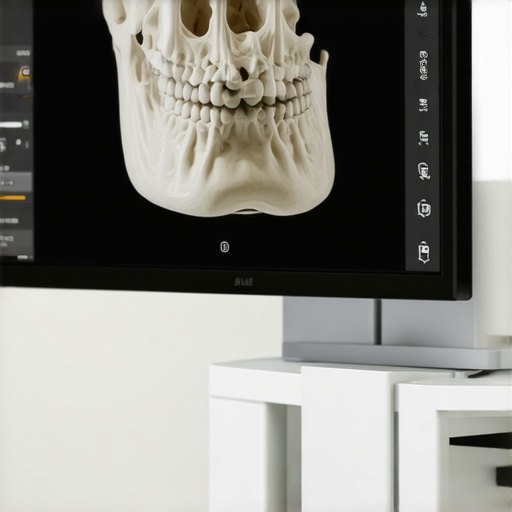
Digital Mapping Is the Future of the Perfect Grin
We are moving away from guesswork. The American Academy of Cosmetic Dentistry (AACD) emphasizes that Digital Smile Design (DSD) is revolutionary because it uses your facial proportions—not just your mouth—to calculate the ideal tooth shape and position. I predict that within the decade, we will all have digital smile backups stored in the cloud, ready to be 3D printed if we ever chip a tooth during a workout or an accident. These cosmetic dentistry innovations you cant miss this year are making treatments like contouring veneers the future of cosmetic dentistry revealed much more accessible and predictable for everyone. By following preventive tips for long lasting dental health for families, you ensure that the real life version of you always looks better than any filtered photo. My challenge to you: Swap your manual toothbrush for a pressure-sensing electric one this week and focus on the health of your gum line. Your future selfies will thank you.
The Hard Truth About My Mirror Obsession
I spent years chasing a “symmetrical” smile before realizing that my unique quirks are what make me look human. One big lesson: don’t trust a 5-inch screen to diagnose your health. I learned that how regular dental cleanings can save you money in the long run because catching small issues early is better than fixing a selfie-induced panic. Also, remember that “perfect” isn’t the goal; health is. Looking into cosmetic dentistry innovations you cant miss this year taught me that natural-looking results beat the “piano key” look every time. Lastly, stop over-cleaning; the truth about using baking soda as a toothpaste is a reminder that DIY hacks usually do more harm than good.
The Toolkit That Keeps My Smile Camera-Ready
I personally swear by an electric toothbrush with a pressure sensor. It is the only way to avoid why your gums bleed when you use a new electric toothbrush during that adjustment phase. I also recommend a high-quality water flosser for those hard-to-reach spots. These aren’t just gadgets; they are part of maintaining oral health expert advice for a lifetime of healthy teeth. If you are serious about your look, consult a pro about how to transform your smile the impact of cosmetic dentistry in 2025 to see what is actually possible for your unique face. #IMAGE_PLACE_HOLDER_E#
Step Into Your Next Photo with Confidence
At the end of the day, your worth isn’t determined by a wide-angle lens or a flipped image. Whether you are considering enhancing confidence with cosmetic dentistry or just sticking to your routine, focus on how you feel. Your smile is the foundation of family dentistry building a foundation of healthy smiles for all ages. Don’t let a digital glitch steal your joy.
Which camera angle always makes you feel the most self-conscious? Let me know below.